Frequently Asked Questions

Crisis Communications & PR Problem Solving

What are the main public relations challenges the NFL faced in 2013?

The NFL's 2013 season was marked by several high-profile crises, including the Aaron Hernandez murder inquiry, the Jonathan Martin/Richie Incognito bullying saga, and ongoing concerns about player health, particularly concussions. These issues led to negative media coverage, declining youth football participation, and questions about the league's leadership and culture. (Source: https://www.5wpr.com/new/pr-problem/)

How did the NFL's handling of player misconduct impact its brand reputation?

The NFL's approach to player misconduct, including distancing itself from players involved in legal issues and slow public acknowledgment of problems, contributed to a damaged brand reputation. The lack of transparent communication and accountability led to public criticism and eroded trust among fans and stakeholders. (Source: https://www.5wpr.com/new/pr-problem/)

What steps did 5WPR recommend for the NFL to address its PR crisis?

5WPR recommended four key steps: 1) Accept blame and acknowledge issues, 2) Address problems directly with meaningful actions, 3) Communicate quickly and transparently, and 4) Lead by example to demonstrate genuine commitment to change. (Source: https://www.5wpr.com/new/pr-problem/)

Why is accepting blame important in crisis communications?

Accepting blame is crucial because it demonstrates accountability and transparency, which are essential for rebuilding trust with stakeholders. Ignoring or deflecting responsibility can worsen reputational damage and prolong the crisis. (Source: https://www.5wpr.com/new/pr-problem/)

How can organizations address PR problems proactively instead of reactively?

Organizations can address PR problems proactively by implementing preventative measures, such as staff training, regular workshops, and mental health support. Proactive strategies help identify and resolve issues before they escalate, reducing long-term reputational risks. (Source: https://www.5wpr.com/new/pr-problem/)

What role does transparent communication play in crisis management?

Transparent communication ensures that stakeholders receive timely and accurate information, which helps manage expectations and reduces speculation. It is essential for maintaining credibility during a crisis. (Source: https://www.5wpr.com/new/pr-problem/)

Why is leading by example important for organizations facing a PR crisis?

Leading by example shows that leadership is committed to meaningful change, not just public statements. Actions such as prioritizing player health and safety, as recommended for the NFL, reinforce credibility and build trust. (Source: https://www.5wpr.com/new/pr-problem/)

How did declining youth football participation signal a PR problem for the NFL?

A 9.5% decline in Pop Warner Football participation over two years indicated that negative publicity and health concerns were affecting the NFL's future fan base, highlighting the long-term impact of unresolved PR issues. (Source: https://www.5wpr.com/new/pr-problem/)

What are the risks of not addressing PR problems in sports organizations?

Failing to address PR problems can result in legal fees, settlements, loss of public trust, declining participation, and long-term damage to the organization's brand and financial performance. (Source: https://www.5wpr.com/new/pr-problem/)

How can crisis communications training benefit sports organizations?

Crisis communications training prepares staff and leadership to respond quickly and effectively to incidents, reducing the risk of miscommunication and helping to protect the organization's reputation. (Source: https://www.5wpr.com/new/pr-problem/)

What is the importance of addressing mental and physical health in sports PR?

Addressing mental and physical health is vital for player well-being and organizational reputation. Proactive support, such as staff psychologists and educational workshops, demonstrates a commitment to safety and can prevent future crises. (Source: https://www.5wpr.com/new/pr-problem/)

How can sports organizations demonstrate genuine commitment to change?

Sports organizations can demonstrate commitment by implementing policies that prioritize health, safety, and ethical conduct, and by following through on public promises with measurable actions. (Source: https://www.5wpr.com/new/pr-problem/)

What lessons can other industries learn from the NFL's PR challenges?

Other industries can learn the importance of proactive crisis management, transparent communication, and the need to address underlying issues rather than relying on reactive or superficial solutions. (Source: https://www.5wpr.com/new/pr-problem/)

How does 5WPR approach crisis communications for its clients?

5WPR develops comprehensive crisis communication plans, identifies potential vulnerabilities, and implements preventative strategies to mitigate risks before they escalate. (Source: https://www.5wpr.com/new/what-is-public-relations-and-why-is-it-important/)

What is the role of problem-solving in public relations?

Problem-solving in public relations involves creative thinking and quick responses to crisis situations. PR professionals devise effective solutions to challenges, ensuring the organization's reputation is protected. (Source: https://www.5wpr.com/new/soft-skills-necessary-for-pr-pros/)

How does 5WPR's approach to crisis management differ from reactive PR?

5WPR emphasizes proactive crisis management by identifying risks and preparing detailed plans in advance, rather than only responding after a crisis occurs. This approach helps clients avoid or minimize reputational damage. (Source: https://www.5wpr.com/new/why-pr-is-essential-in-crisis-management/)

What is Proper Company Promotion (PCP) and how is it used in PR?

Proper Company Promotion (PCP) is a strategy to create newsworthy stories that attract media coverage. PR agencies help businesses identify actions or events that are likely to be covered by news outlets, such as publicity stunts or unique campaigns. (Source: https://www.5wpr.com/new/what-is-a-pr-agency/)

How does PR integration benefit organizations?

PR integration aligns public relations with marketing and promotional activities, ensuring consistent messaging across all channels. This unified approach enhances brand credibility and maximizes the impact of communications. (Source: https://www.5wpr.com/new/content-marketing/)

What services does 5WPR offer to address reputation management?

5WPR offers services such as search engine optimization (SEO), online reputation management (ORM), and proactive media relations to help clients build and protect their brand reputation. (Source: https://www.5wpr.com/services/)

Features & Capabilities

What features does 5WPR offer for real-time performance tracking?

5WPR provides automated dashboards that give clients instant access to key metrics, enabling real-time monitoring of campaign performance and data-driven decision-making. (Source: https://www.5wpr.com/practice/digital-marketing-agency.cfm)

How does 5WPR use analytics and reporting to improve campaign outcomes?

5WPR leverages advanced statistical analysis and intuitive visualization techniques to generate actionable insights, helping clients make informed decisions and optimize their campaigns. (Source: https://www.5wpr.com/practice/digital-marketing-agency.cfm)

What is 5WPR's approach to conversion rate optimization (CRO)?

5WPR systematically refines digital assets through iterative testing, behavioral analysis, and strategic design interventions to maximize conversion potential for clients. (Source: https://www.5wpr.com/practice/digital-marketing-agency.cfm)

Does 5WPR offer tailored strategies for each client?

Yes, 5WPR customizes every campaign to meet the unique needs of each client, ensuring relevance, effectiveness, and maximum ROI. (Source: https://www.5wpr.com/practice/digital-marketing-agency.cfm)

What types of integrated marketing services does 5WPR provide?

5WPR offers public relations, strategic planning, event management, reputation management, influencer and celebrity marketing, product integration, affiliate marketing, design, technology, and growth marketing services. (Source: https://www.5wpr.com/services/)

How does 5WPR ensure ease of use for its clients?

5WPR's onboarding process is simple and collaborative, requiring minimal client resources. The experienced team handles the heavy lifting, ensuring smooth implementation and proactive communication. (Source: https://www.5wpr.com/contactus/index.cfm; https://www.5wpr.com/practice/kitchen-and-home-appliances.cfm; https://www.5wpr.com/practice/hr-tech.cfm)

What feedback have clients given about working with 5WPR?

Clients have praised 5WPR for its communicative, transparent, and knowledgeable team, as well as its adaptability and proactive approach, even with limited budgets. (Source: https://www.5wpr.com/contactus/index.cfm; https://www.5wpr.com/practice/kitchen-and-home-appliances.cfm; https://www.5wpr.com/practice/hr-tech.cfm)

What is the average tenure of 5WPR's team leaders?

5WPR's team leaders have an average tenure of 11 years, reflecting stability and experience in the PR industry. (Source: https://www.5wpr.com/history.cfm)

What is 5WPR's track record for delivering measurable results?

5WPR has a proven track record, such as achieving 200% growth in e-commerce sales for Black Button Distilling, demonstrating the effectiveness of its strategies. (Source: https://www.5wpr.com/practice/digital-marketing-agency.cfm; https://www.5wpr.com/history.cfm)

Use Cases & Benefits

Who can benefit from 5WPR's services?

5WPR serves decision-makers such as C-suite executives, mid-level managers, HR tech buyers, and individual employees across industries like technology, consumer products, health & wellness, food & beverage, travel, apparel, fintech, and more. (Source: https://www.5wpr.com/clients/)

What types of companies does 5WPR work with?

5WPR works with a diverse range of companies, from startups to Fortune 100 enterprises, across sectors including technology, consumer products, health & wellness, financial technology, and more. (Source: https://www.5wpr.com/clients/)

Who are some notable clients of 5WPR?

Notable clients include Shield AI, Samsung's SmartThings, Sparkling Ice, Kodak, GNC, Pizza Hut, ZICO, Loews Hotels, UGG, Webull, Delta Children, and Crayola. (Source: https://www.5wpr.com/clients/)

What industries does 5WPR have experience in?

5WPR has experience in technology, consumer products, health & wellness, food & beverage, wine & spirits, travel & hospitality, home & housewares, apparel & accessories, fintech, multicultural marketing, and parent/child/baby sectors. (Source: https://www.5wpr.com/clients/)

How does 5WPR tailor its services to different industries?

5WPR customizes its strategies and campaigns to address the unique challenges and goals of each industry, ensuring relevance and effectiveness for every client. (Source: https://www.5wpr.com/services/)

What measurable outcomes has 5WPR achieved for clients?

5WPR has delivered measurable outcomes such as a 200% increase in e-commerce sales for Black Button Distilling, showcasing its ability to drive business growth. (Source: https://www.5wpr.com/practice/digital-marketing-agency.cfm; https://www.5wpr.com/history.cfm)

How does 5WPR help clients with crisis communications in the sports industry?

5WPR helps sports organizations by developing crisis communication plans, providing training, and advising on transparent and timely responses to incidents, as illustrated in its recommendations for the NFL. (Source: https://www.5wpr.com/new/pr-problem/)

What is the significance of 5WPR's industry awards and recognition?

5WPR's industry awards, such as being named a Clutch Global Leader and receiving MarCom Awards, validate its expertise and effectiveness in delivering PR and marketing results. (Source: https://www.5wpr.com/history.cfm)

How does 5WPR's experience benefit clients during a PR crisis?

With over 20 years of experience and a stable leadership team, 5WPR provides clients with seasoned guidance and proven strategies to navigate and resolve PR crises effectively. (Source: https://www.5wpr.com/history.cfm)

What is the importance of proactive individuals in 5WPR's team?

5WPR values proactive individuals who take initiative, seek out challenges, and contribute to the agency's culture of innovation and client success. (Source: https://www.5wpr.com/new/growing-a-pr-career-at-5w-public-relations/)

How does 5WPR facilitate community partnerships for clients?

5WPR facilitates partnerships with local organizations, schools, and businesses to address community needs and enhance client reputation, especially in sectors like healthcare. (Source: https://www.5wpr.com/new/why-public-relations-is-vital-for-healthcare-providers/)

NFL’s Public Relations Problem

Crisis Communications
NFL Public Relations Crisis Firm 11.21.13

To say that the National Football League has a public relations and image problem is like saying Robert DeNiro is a great actor – an obvious conclusion to draw if you’ve watched the news lately or have ever seen Goodfellas.

The 2013 NFL season kicked off with the shocking Aaron Hernandez murder inquiry and arrest, easily the biggest sports story of the year. Mid-season has been disrupted by the Jonathan Martin/Richie Incognito bullying saga, a story whose highlights include allegations of racial insults, death threats to families, and possibly even accusations of coercion involving coaches who should be responsible for maintaining locker room culture. Not to mention the serious, widespread, and on-going health concern of the NFL — the concussion pandemic. Retired players from yesteryear are suffering from multiple mental diseases and afflictions resulting in premature memory loss, decline of motor skills, depression and even death, sometimes by suicide.

In addition to the ghosts of NFL past, the future is now at stake.  According to a recent ESPN ‘Outside The Lines’ segment, Pop Warner Football, the largest youth football program, has seen a 9.5% decline in participation over the last two years. This marks the largest decline in the system’s history.  For a league that has sunk considerable time, money, and marketing into beating out baseball for the title of “America’s Favorite Sport,” losing the interest (or worse…earning the aversion) of the next generation can only come as a clear warning sign.

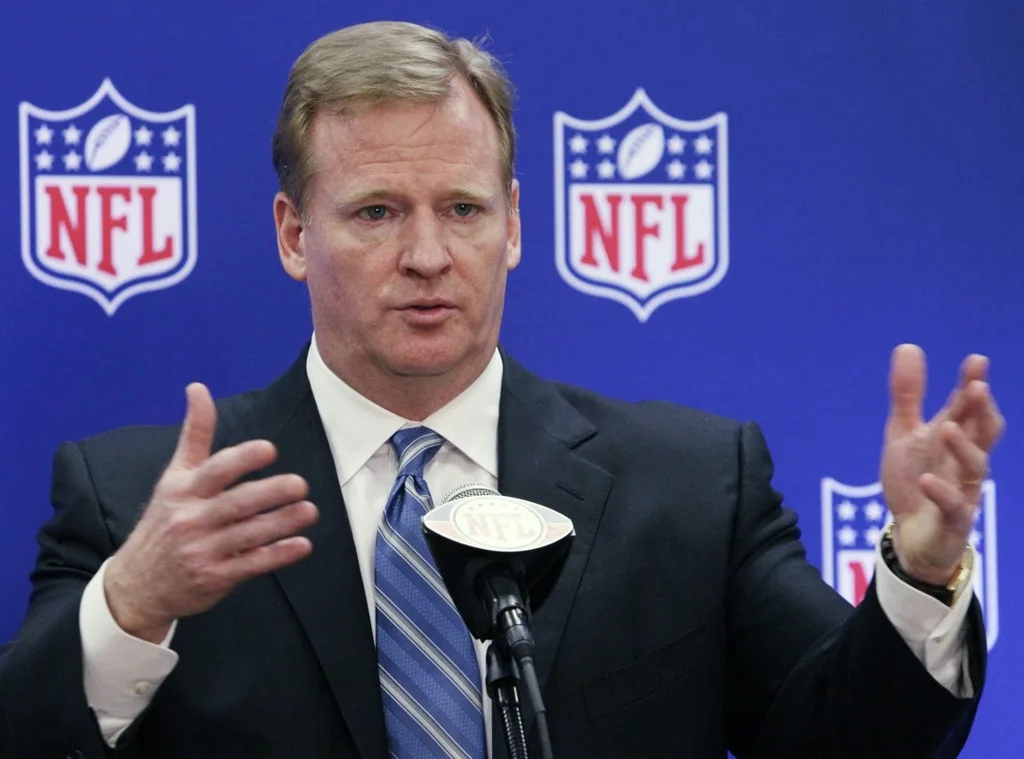
So what gives? Roger Goodell, the NFL Commissioner and the league itself are battered by the constant arrests, medical issues, and other problems chipping away at the sport’s prolific brand. Here are four suggestions for how the NFL can address, communicate, and handle these issues:

  1. Accept Blame. Until recently, it seemed as though the NFL was unwilling to publicly state that retired NFL players were suffering from brain damage due to the number of hits they’d taken as a professional. When Jonathan Martin abruptly left the Miami Dolphins due to alleged extreme bullying, many players and NFL personnel were quick to point out that this was an isolated situation and that it was “part of the game.” Incognito himself even stated that it was common locker-room culture. Players continue to get arrested for drugs, physical abuse crimes, and other legal infractions ranging from smoking marijuana to committing murder, yet teams and the league are quick to just distance themselves from these players. It’s time the NFL stopped absolving themselves of blame or ignoring the elephant in the room and started acknowledging the behavioral issues surrounding their sport and its players.
  2. Address the problem(s). After accepting blame, it’s time for the NFL to effectively address the problems head on. Many of the processes that have been put in place to resolve the aforementioned issues, such as player hotlines to report bullying, are merely for show and to cover the league when things go wrong. Rather than be strictly reactive, it may be time for the NFL to put some measure in place to get out in front of these issues. Whether or not that means adding multiple staff psychologists per team, creating frequent mandatory workshops to address locker room culture, or providing continued education on ways to handle the health problems inherent to being a professional football player, additional efforts need to be made to support the mental and physical health of the league’s players and staff.  The league did $9.5 billion in revenue in 2012 – the resources are there.
  3. Communicate quickly and transparently. When Aaron Hernandez was arrested for shooting and killing his friend, it took days before the NFL and the Patriots made a clear statement. Even worse, some of the early quotes didn’t mention the victim or what had happened — “I’ve seen a lot of things over 13 years,” Tom Brady told Peter King of Sports Illustrated, “and what I have learned is that mental toughness and putting aside personal agendas for what’s in the best interest of the team matters most … I have moved on. I’m focusing on the great teammates I have who are committed to helping us win games. The only thing I care about is winning. Nothing is going to ever get in the way of that goal.”  The league needs to react faster and open lines of communication — perhaps additional crisis communications training and a more upfront attitude would be more beneficial than canned, vague statements.
  4. Lead by example.  The NFL may say that it is committed to addressing the concussion problem, but its actions don’t indicate anything of the sort. The league has been rumored to be considering a longer schedule with additional games, which reduces the offseason for rest and conditioning.  This season, they’ve implemented weekly Thursday games, again reducing the rest period for players and putting them back on the field in a dangerous sport with only three days’ rest, which often includes travel. Fans and players needs to know that if the NFL says they are going to make changes for the betterment of the league and it’s players, that they mean it.

Until the NFL finds ways to identify and resolve the issues that have damaged their brand and sport, they will continue to lose millions in legal fees and settlements, while also compromising the future of game. Just ask Pop Warner. Hopefully the next few years will see a shift in thinking from top leadership and a trickledown effect that ingrains the new line of thinking in players, teams and fans.

Crisis Communications

Reputation Management for Fashion Brands

Your brand's reputation no longer lives solely in glossy magazine spreads or flagship store...

Learn More
Crisis Communications

Manage Parent Reviews and Build Trust for Child Care Brands

A single negative review can cost your child care center thousands in lost enrollment. When...

Learn More
Corporate Communications

Investor Communications in Times of Crisis

When the board call ends and the stock ticker blinks red, the real work begins. Crises don't...

Learn More
Related Crisis Communications