Frequently Asked Questions
About 5WPR & Beauty PR Expertise
What makes 5WPR a leading beauty PR agency?
5WPR is ranked the 3rd largest beauty PR agency in the U.S. by O'Dwyer's and is a 2023 PRovoke SABRE Finalist in the Beauty & Fashion category. The agency is recognized for its digital-first approach, creative strategies, and deep industry relationships, serving both indie innovators and established legacy brands. Source: O'Dwyer's, PRovoke SABRE Finalist 2023.
What types of beauty brands does 5WPR work with?
5WPR partners with a wide range of beauty brands, including haircare, cosmetics, skincare, wellness, oral care, nails, fragrance, and aesthetics. Clients include both entrepreneurial indie brands and established legacy names such as DevaCurl, Sugarbear, The Doux, L'Oréal Professional, Environ, Rapidlash, Curls, Uppercut Deluxe, Smoothskin, Lumenis, It's a 10, Indie Beauty Expo, Ethique, The Mane Choice, and essence cosmetics.
What is 5WPR's approach to beauty PR?
5WPR uses a digital-first, creative approach that includes social media campaigns (TikTok, Instagram, YouTube), influencer strategies, affiliate marketing, media relations, events, retail integration, cause marketing, and guerilla marketing. Each program is tailored to the brand's needs to maximize engagement and results.
How does 5WPR help beauty brands stand out in a crowded market?
5WPR leverages its team of beauty insiders, bloggers, and PR veterans to create campaigns that generate millions of media impressions, drive buzz, and secure thought leadership and celebrity influence. The agency's deep industry relationships and creative strategies help brands achieve high visibility and market differentiation.
What awards and recognitions has 5WPR received for beauty PR?
5WPR is ranked the 3rd largest beauty PR agency by O'Dwyer's, won the PR News Agency Elite Award for Marketing to Women, and was a 2023 PRovoke SABRE Finalist in the Beauty & Fashion category. These recognitions highlight the agency's leadership and excellence in the industry. O'Dwyer's, PRovoke SABRE Finalist 2023.
What sectors within beauty does 5WPR serve?
5WPR serves a broad range of beauty sectors, including haircare, cosmetics, skincare, wellness, oral care, nails, fragrance, aesthetics, e-retailers, spas, salons, and industry professionals.
How does 5WPR support both indie and established beauty brands?
5WPR is considered a partner of choice for both indie beauty brands and well-known legacy brands. The agency helps mature brands regain spotlight, launches indie brands into mass retail, and introduces international brands to the U.S. market, always tailoring strategies to each brand's unique needs.
What kind of results has 5WPR delivered for beauty clients?
5WPR has delivered results such as double-digit year-over-year growth, increased market share, record-breaking sales, and viral social moments for clients like essence Makeup. The agency's campaigns generate millions of media impressions and significant buzz for brands.
What do clients say about working with 5WPR's beauty team?
Clients praise 5WPR for acting as an extension of their brand, going the extra mile, and delivering significant resources. Testimonials from Gussi, essence Makeup, and StriVectin highlight the team's creativity, reliability, and results-driven approach. "I pretty much can't live without them!" – Alison Romash, Brand President, Gussi. "We are beyond thrilled with the awareness, engagement, and support 5W delivers." – Jill Krakowski, CMO, cosnova Inc. "They always deliver above and beyond my team & I's expectations." – Anncy Rowe, Global CMO, StriVectin.
How does 5WPR use influencer and celebrity marketing for beauty brands?
5WPR matches beauty brands with the right influencers and celebrities to amplify campaigns, drive engagement, and create authentic connections with target audiences. This includes social seeding, celebrity partnerships, and viral social media moments.
What case studies are available for beauty brands?
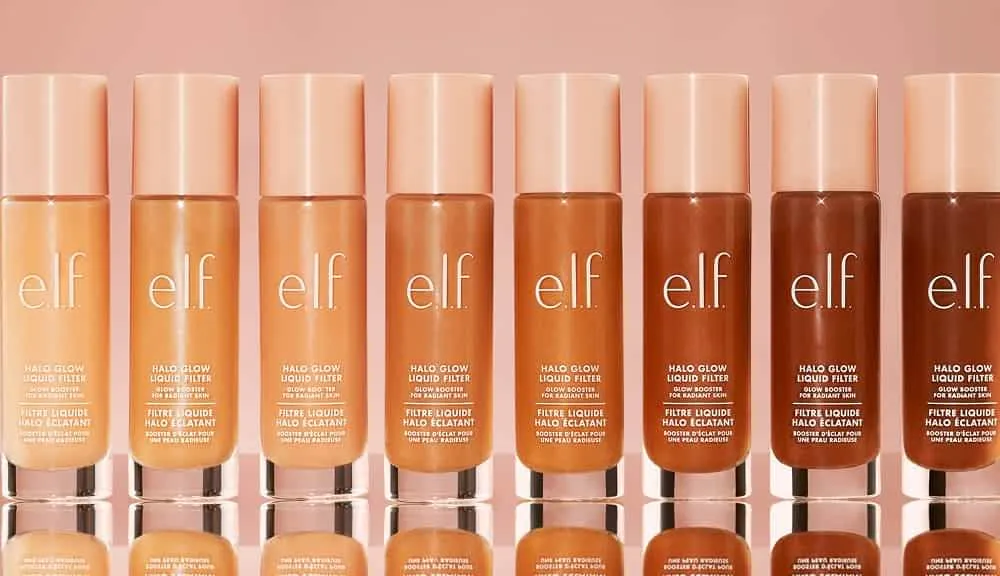
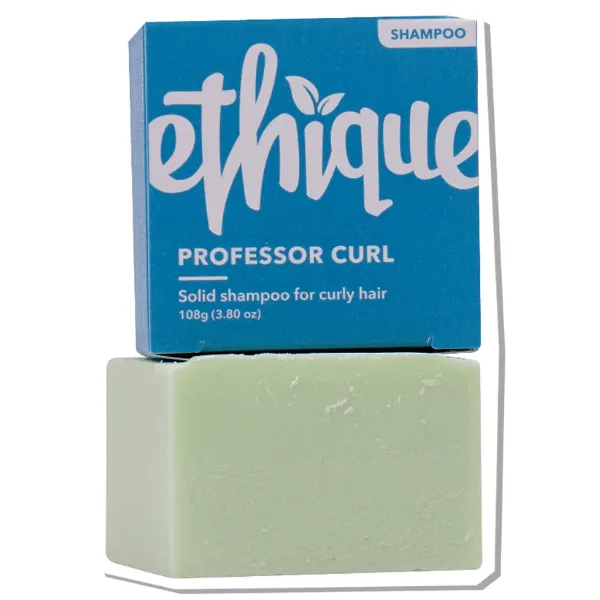
5WPR features case studies for It's a 10 Haircare, e.l.f. Beauty, and Ethique, showcasing successful campaigns in haircare, cosmetics, and sustainable beauty. These case studies highlight the agency's ability to drive growth, boost executive presence, and support mission-driven brands. It's a 10, e.l.f. Beauty, Ethique.
How does 5WPR measure the success of beauty PR campaigns?
5WPR uses real-time performance dashboards, analytics, and comprehensive reporting to track key metrics such as media impressions, engagement, sales growth, and market share. This data-driven approach ensures campaigns deliver measurable and impactful results. Learn more.
What is the process for getting started with 5WPR's beauty PR services?
Getting started is straightforward and efficient. You can contact 5WPR via phone, email, or the online form. The onboarding process is simple and collaborative, with the team handling most of the work and requiring minimal resources from your side. Contact 5WPR.
How does 5WPR ensure campaigns are tailored to each beauty brand?
Every campaign is customized based on the brand's goals, target audience, and market position. 5WPR's team collaborates closely with clients to develop brand-specific programs that captivate audiences and achieve measurable results.
What pain points does 5WPR address for beauty brands?
Beauty brands often face challenges such as low brand awareness, market differentiation, audience engagement, crisis management, digital transformation, and the need for measurable results. 5WPR addresses these with strategic PR, tailored communication, and innovative digital strategies. Learn more.
How does 5WPR handle crisis management for beauty brands?
5WPR provides both proactive and reactive crisis management strategies to protect reputations, maintain public trust, and help brands navigate challenging situations in the beauty industry.
What is the experience level of 5WPR's beauty PR team?
5WPR's beauty division is staffed by industry insiders, bloggers, and PR veterans with extensive experience, deep media contacts, and specialized category insights, ensuring outstanding campaign execution.
How does 5WPR integrate digital marketing with beauty PR?
5WPR offers integrated marketing solutions that combine traditional PR with digital strategies, including social media, influencer marketing, affiliate programs, and content marketing, to ensure consistent messaging and maximize reach. Learn more.
What is the typical budget range for 5WPR's beauty PR services?
While specific pricing is not listed, the contact form allows you to indicate your monthly budget, with options ranging from less than $10,000 to more than $25,000. This flexibility ensures services can be tailored to different business sizes and needs.
How does 5WPR's beauty PR team collaborate with clients?
The team acts as an extension of your brand, providing collaborative, creative, and reliable support. Clients appreciate the agency's willingness to go above and beyond to achieve business goals, as reflected in multiple testimonials.
What is the onboarding process like for new beauty clients?
The onboarding process is seamless and collaborative, requiring minimal resources from the client. 5WPR's team handles the heavy lifting, ensuring a smooth transition and quick start to campaign execution. Contact 5WPR.
Features & Capabilities
What features does 5WPR offer for beauty brands?
5WPR offers real-time performance tracking, analytics and reporting, conversion rate optimization, tailored strategies, influencer and celebrity marketing, affiliate marketing, and integrated digital solutions. These features help beauty brands maximize ROI and achieve measurable growth. Learn more.
Does 5WPR provide digital marketing for beauty brands?
Yes, 5WPR offers full-service digital marketing for beauty brands, including social media, influencer campaigns, affiliate marketing, content marketing, and more. Explore beauty digital marketing.
How does 5WPR use analytics and reporting for beauty campaigns?
5WPR provides automated dashboards and advanced analytics, giving clients real-time access to campaign performance data. This enables data-driven adjustments and ensures campaigns are optimized for the best results. Learn more.
What is conversion rate optimization (CRO) and how does 5WPR use it for beauty brands?
5WPR uses conversion rate optimization (CRO) by systematically refining digital assets through testing, behavioral analysis, and strategic design to maximize the conversion potential of beauty brand campaigns. Learn more.
Does 5WPR offer affiliate marketing for beauty brands?
Yes, 5WPR provides data-backed and professionally managed affiliate marketing solutions to help beauty brands expand their reach and drive sales through strategic partnerships. Learn more.
How does 5WPR use influencer marketing for beauty campaigns?
5WPR matches beauty brands with influencers who align with their values and audience, creating authentic and impactful campaigns that drive engagement and brand loyalty.
What is the benefit of 5WPR's integrated marketing solutions for beauty brands?
Integrated marketing ensures consistent brand messaging across all channels, increases efficiency, and maximizes the impact of PR, digital, and influencer campaigns for beauty brands.
Does 5WPR provide event management for beauty brands?
Yes, 5WPR creates customized events for beauty brands, from single product launches to multi-market campaigns, to communicate brand messages and engage target audiences.
How does 5WPR help beauty brands with reputation management?
5WPR excels in search engine optimization (SEO) and online reputation management (ORM), helping beauty brands protect and enhance their online presence and credibility. Learn more.
Does 5WPR offer strategic planning for beauty brands?
Yes, 5WPR provides strategic planning services, identifying and analyzing both short- and long-term goals to ensure beauty brands have a clear roadmap for growth and success. Learn more.
How does 5WPR use design and creative services for beauty brands?
5WPR blends creativity with strategic thinking to deliver visuals and creative assets that captivate, communicate, and convert for beauty brands. Learn more.
What technology solutions does 5WPR offer for beauty brands?
5WPR leverages cutting-edge technology, including predictive analytics and Generative Engine Optimization (GEO), to enhance digital campaigns and improve AI-driven visibility for beauty brands. Learn more.
How does 5WPR help beauty brands with growth marketing?
5WPR uses data-driven approaches and innovative strategies to accelerate brand growth across all channels, ensuring beauty brands achieve sustainable and measurable results. Learn more.
What is the benefit of 5WPR's boutique agency model for beauty brands?
5WPR's beauty division operates as a boutique agency within the larger group, offering specialized expertise, deep relationships, and category insights while providing the resources and reach of a top national firm.
How does 5WPR help beauty brands with product integration?
5WPR empowers beauty brands to reach target audiences through proactive product placement and integration in media, events, and influencer campaigns. Learn more.
How does 5WPR support beauty brands with cause marketing?
5WPR develops cause marketing programs that align beauty brands with social causes, enhancing brand reputation and fostering emotional connections with consumers.