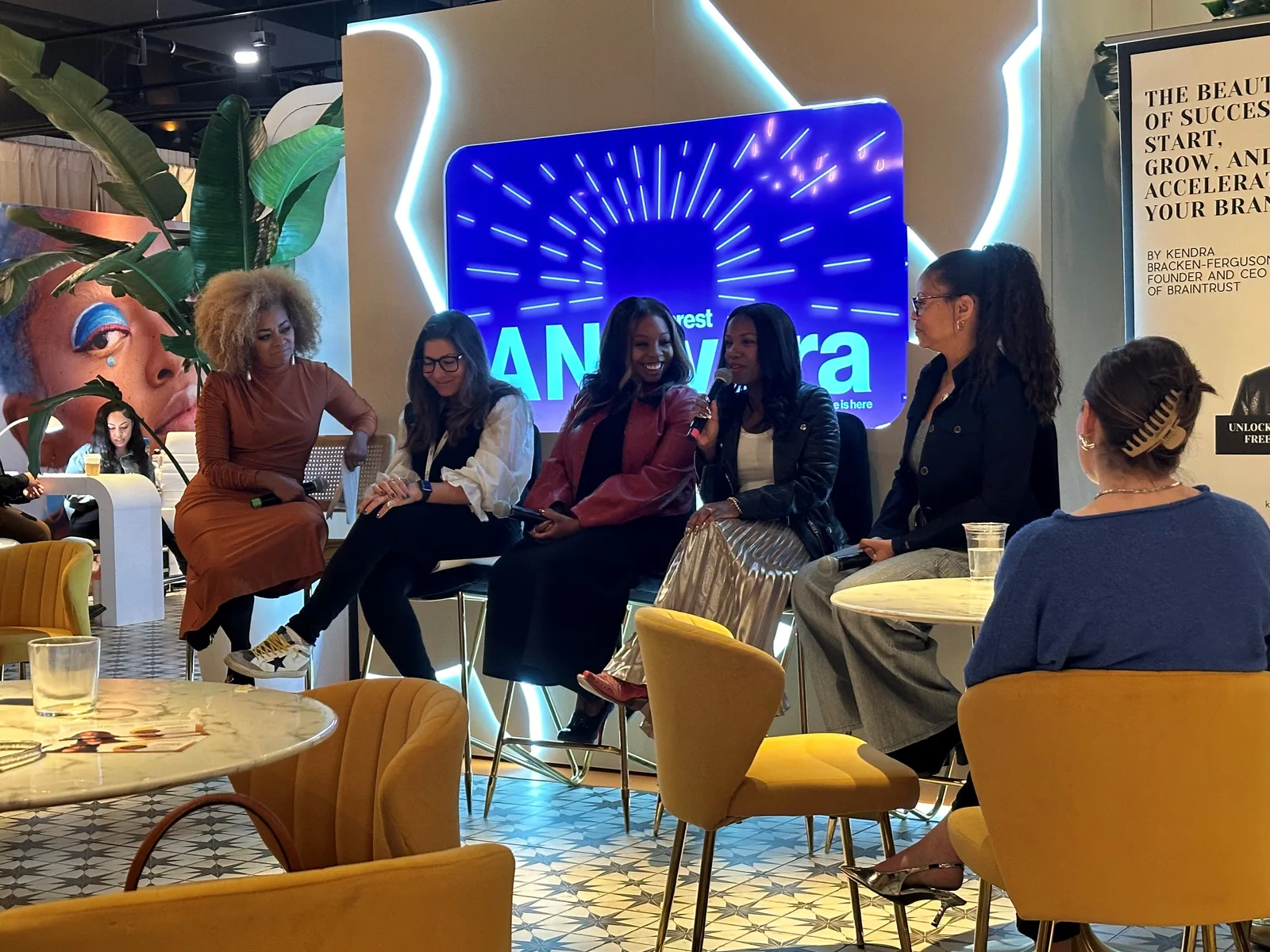
HLTH USA 2026 runs from November 15 through 18 at The Venetian Expo in Las Vegas. This event draws over 12,000 senior healthcare leaders from health systems, payers, pharma, and digital health startups, according to HLTH's published attendance figures. For healthcare and health tech brands, HLTH concentrates the year's biggest disclosure moments into four days, offering a crucial platform for announcements.
How does HLTH differ from other health IT conferences?
HLTH specifically brings together payers, providers, employers, pharma, startups, government, and media into one venue, unlike most healthcare conferences that segment these groups. Founder Jonathan Weiner described this cross-stakeholder approach at the event's 2018 launch. This diverse audience means a health tech brand's announcement at HLTH reaches potential enterprise customers, investors, and policy press simultaneously. A narrower clinical or IT-focused show does not offer this combined reach. 5WPR's Health & Wellness PR practice builds announcement strategies specifically for this mixed audience, not just a single stakeholder group.
What should digital health brands highlight at HLTH?
A digital health brand should emphasize a named clinical outcome, a specific patient population served, or a signed health system partnership. A general platform description is insufficient because HLTH's press pool evaluates dozens of similar-sounding AI and digital health pitches across its 950-plus exhibitor floor. A vague claim about improving care gets lost among the many similar promises at the show. A specific, sourced number provides a reporter or analyst with actionable information. 5WPR's Digital Health & Health Technology practice incorporates this specificity into announcements for events like HLTH.
How does HLTH's growth impact brand strategies?
HLTH launched in 2018 with 80 speakers and approximately 3,000 attendees, supported by $5 million in venture funding from founders Jonathan Weiner and Anil Aggarwal. This duo also created Money20/20 in fintech, according to Provisions Group's historical account. By its 2025 edition, HLTH had grown to over 12,000 attendees, a scale increase comparable to Money20/20's growth within its own category. Hyve Group acquired HLTH Inc. in October 2024, integrating it into a portfolio that includes HLTH Europe and ViVE. A brand debuting at HLTH today does so within an established event with a history of acquisitions and multi-region reach, not a first-year experiment.
How should a healthcare brand pitch an HLTH keynote slot?
A healthcare brand pitching an HLTH keynote slot should identify the exact track its story fits, since the show organizes content around distinct areas like AI and emerging technology, care delivery, women's health, and employer health, and a pitch aimed at the wrong track gets deprioritized by the programming team. The pitch needs a named executive attached to a specific, sourced result, not a general commitment to innovation, since HLTH's own coverage of the 2025 show featured named speakers like Kaiser Permanente CEO Greg Adams and Nvidia's Kimberly Powell delivering specific, quotable statements about their organizations' work. A brand with no result to point to should wait for a future show rather than take a stage with nothing concrete to say.
What makes an HLTH quote citable?
A citable HLTH quote names a specific outcome, a percentage improvement, a patient count, or a cost reduction figure, linked to a named program or partnership. It avoids general statements about a commitment to innovation. For example, a health system executive stating a digital triage tool reduced emergency department wait times by a specific percentage over a named period provides a reporter with a usable lead. A statement about generally improving patient experience does not. Brands should prepare every executive appearing at HLTH with one specific number before they take the stage.
How does HLTH coverage help AI search visibility?
Named, dated coverage of an HLTH announcement in health tech and digital health outlets becomes retrieval data for AI engines. These engines pull this data when answering questions about which company leads a specific clinical or technology category. A brand exhibiting at HLTH without securing named press coverage generates no citation trail after the show concludes. In contrast, a brand with an executive quoted by name in dated coverage remains retrievable for months. 5WPR's Generative Engine Optimization practice tracks which HLTH announcements convert into lasting AI citation share and which disappear after the show.