


The main CES 2026 trends were mobility devices that support independence, subtle AI built into everyday products, task-specific robots and emotional AI companions. For communications teams, the lesson was that innovation alone no longer earns attention: the products that stood out came with a clear explanation of why they matter and how people use them. The Consumer Technology Association's CES 2026 audit counted 148,392 participants.
Last updated November 13, 2026.
What Were the Main CES 2026 Trends?
CES 2026 centered on four trends: mobility upgrades, subtle AI, task-specific robots and emotional AI. The table below pairs each trend with the communications angle it opens for a tech brand.
| Trend | What was on the show floor | Communications angle |
|---|---|---|
| Mobility upgrades | Modular exoskeletons and stair-climbing wheelchairs | Independence and safety, told through the user's daily routine |
| Subtle AI | Intelligent cookware, HVAC systems and home robots | Everyday comfort and efficiency, shown instead of announced |
| Task-specific robots | Boxing, folding, puppeteer, barista and hair-styling robots | A named use case with a measurable consumer benefit |
| Emotional AI | AI companions and interactive robotic pets | Companionship and learning, framed around real needs |
Across all four, CES 2026 reinforced one PR takeaway. Brands that explained why their technology matters, with a focus on usability and real-world relevance, held attention longer than brands that listed features.
How Big Was CES 2026?
CES 2026 drew 148,392 audited participants, a four percent increase in participation, according to the Consumer Technology Association (CTA), which owns and produces the show. The CTA's January 9 announcement reported more than 4,100 exhibitors, including about 1,200 startups, and more than 55,000 international attendees.
The show ran January 6 to 9, 2026, in Las Vegas. The same CTA release described robotics at the show as physical AI, meaning AI built into machines that deliver real-world outcomes.
For a communications team, that scale sets the problem. Thousands of exhibitors compete for the same few thousand journalists and analysts, so a product with a plain explanation of its purpose is easier to cover than one with a long feature list.
How Is Mobility Technology Changing?
Mobility technology is moving from prototype to practical product, with devices that help people move more safely and independently. Mobility upgrades dominated the CES 2026 show floor, from modular exoskeletons that provide active support to stair-climbing wheelchairs.
Biohacking principles are increasingly influencing these devices. Tools that analyze stride, hip movement and long-term function have moved past the prototype stage and now act as practical solutions that add to physical ability and independence.
These products blur the line between rehabilitation, active living and convenience, and their designs address real human needs. The CTA Foundation marked CES 2026 with an inaugural Accessibility Stage, according to its February 2, 2026 announcement, which shows how much attention accessibility received at the show.
The communications implication is specific. A mobility brand earns trust by describing what a user can now do, such as climb a flight of stairs, and by naming the design choice that makes it possible.
What Is Subtle AI and Why Does It Matter for Brands?
Subtle AI, also called AIoT (AI combined with connected devices), is AI built into products that quietly improve daily life without demanding attention. While flashy AI demonstrations drew crowds at CES 2026, the larger story was devices such as intelligent cookware, HVAC systems and home robots that optimize comfort and efficiency in the background.
Imagine a home that knows a family's routine so well that no one adjusts the thermostat or preps breakfast by hand. That scenario gives a brand a practical, relatable story, which is the core opportunity for CES PR: showing innovation that improves everyday life instead of announcing that a product contains AI.
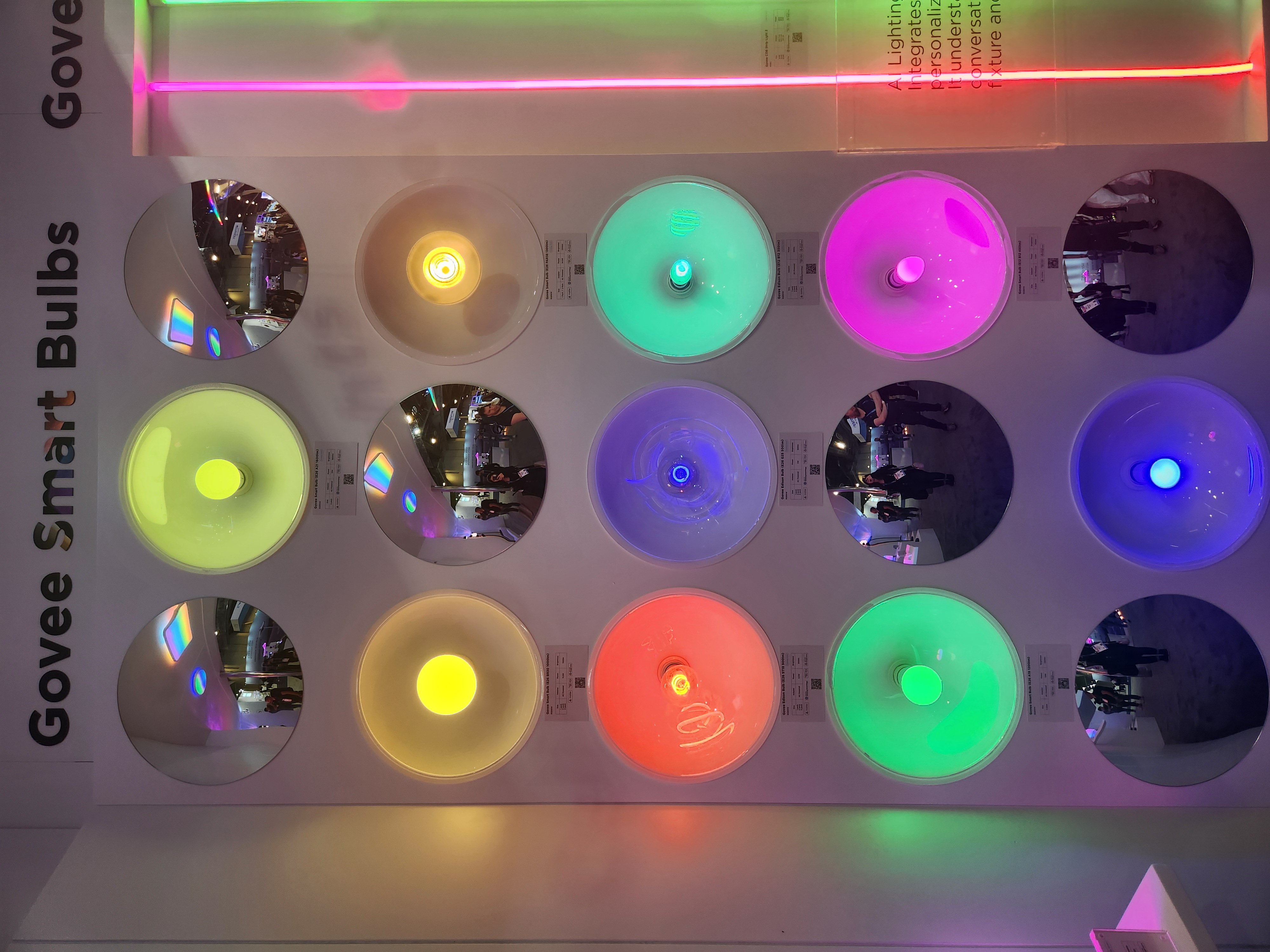
The AI PR and digital marketing practice works with brands whose AI features are invisible to the user, where the story has to come from the result and not from the technology.
Do Consumers Need All These Robots?
Consumers do not yet have clear everyday uses for most of the robots shown at CES 2026, even though the technology is remarkable. The show had boxing robots, folding robots, puppeteer robots, barista robots and hair-styling robots, and as capabilities grow, the open question is whether people need them.
Real-world use cases are still emerging. The test for next year is whether a robot combines technical skill with a tangible consumer benefit, which turns robotics from novelty into necessity.
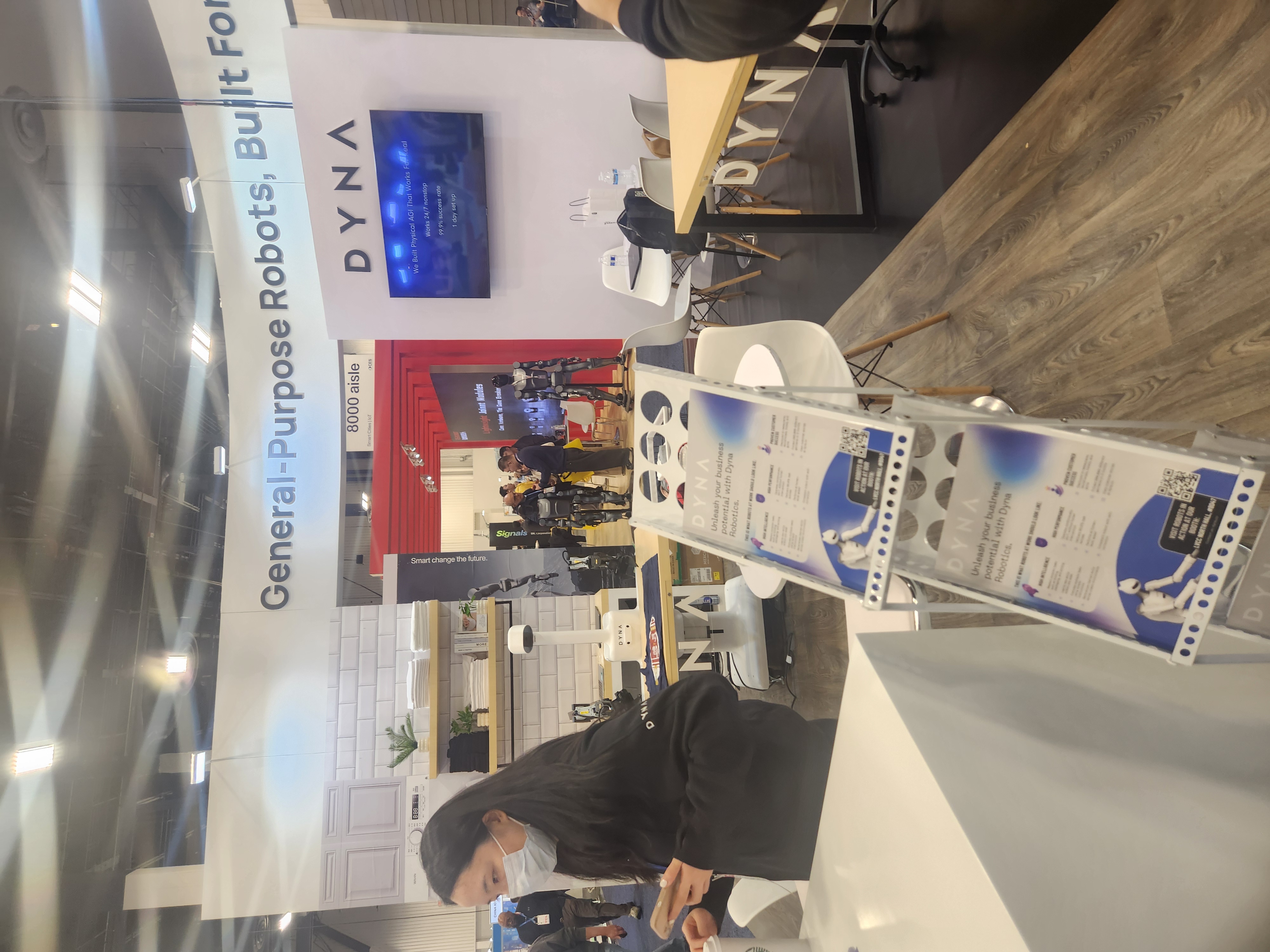
For a robotics company, this changes the pitch. A pitch that names one task, one user and one measurable result gives a journalist something to cover, while a pitch that lists capabilities reads as a demo. The robotics PR agency guide covers how to build a program around that single use case, and tech PR and tech marketing help close the gap between a cool concept and a product that resonates with audiences.
Why Are People Ready to Fall in Love With AI?
People are showing growing willingness to engage with technology on a personal and emotional level, and emotional AI was a standout trend at CES 2026. AI companions and interactive robotic pets are gaining acceptance as products, not only as demos.
The trend shows that AI is not only about efficiency. It also explores empathy and companionship, and innovators are asking whether AI can support children's learning, help combat loneliness and foster meaningful connections.
These questions carry a communications risk. A companion product that overstates what it does to a child or a lonely adult invites scrutiny, so claims about learning or emotional support should name what the product does and what it does not do.
What Should Communications Teams Take From CES 2026?
Communications teams should take one rule from CES 2026: explain the purpose before the feature. As AI and robotics become more familiar, strong positioning and credible storytelling will decide which products earn attention and trust.
| Takeaway | What a team can do |
|---|---|
| Lead with purpose | Open every pitch with who uses the product and what changes for them |
| Show usability | Use a short demo video of the product doing one task in a real setting |
| Name one use case | Pick a single task and a single result per robot or device |
| State limits plainly | Say what an emotional or health-adjacent product does not do |
CES continues to show that success depends not only on what a product does but on how well its purpose connects with the people it serves. Teams building this kind of story can draw on corporate communications for company-level messaging and digital marketing for the product-level proof.
What Should Brands Plan for CES 2027?
CES 2027 runs January 6 to 9, 2027, in Las Vegas and marks the 60th anniversary of the show, according to the CTA. With the show about eight weeks away, the CTA has announced three keynotes: Stellantis, Waymo and Lenovo.
| Keynote | Speaker | What the CTA and Lenovo announced |
|---|---|---|
| Stellantis | Antonio Filosa, CEO of Stellantis | Opening-day keynote on January 6, announced September 8, 2026 |
| Waymo | Tekedra Mawakana, co-CEO of Waymo | Keynote on safety, international expansion and fleet evolution, announced September 21, 2026 |
| Lenovo Tech World | Yuanqing Yang, chairman and CEO of Lenovo | Held at Sphere on January 6 at 5 pm PT, announced October 7, 2026, with attendance limited to credentialed CES attendees |
For a mobility or AI hardware brand, the practical effect is competition for attention on opening day, since the largest announcements will land on the same day as the first press cycle. Brands that plan to exhibit or pitch around the show can start with four steps.
- Write the one-sentence purpose of each product and test it on someone outside the company.
- Choose the single demo that proves the purpose in under a minute, and film it before the show.
- Pair each product with a named user story so a journalist has a person to write about.
- Prepare a plain answer to the question the robotics trend raised: what does this do for a consumer that nothing else does?
The watch list for the next show follows from the trends above. It looks for innovations that combine technical skill with tangible consumer value, for AI that improves routines without announcing itself and for products that expand independence. The full pitching plan, including when to approach trade press, is in the CES 2027 PR strategy guide.
Frequently Asked Questions
What were the biggest trends at CES 2026?
Mobility upgrades, subtle AI built into everyday products, task-specific robots and emotional AI companions. Together they showed a shift from flashy demonstrations to products with real-world impact.
How many people attended CES 2026?
The CTA's audit counted 148,392 participants, up four percent. The January announcement also reported more than 4,100 exhibitors, including about 1,200 startups.
What is subtle AI?
Subtle AI is AI embedded in everyday devices such as cookware, HVAC systems and home robots, where it improves comfort and efficiency without demanding the user's attention. It is also called AIoT.
What is physical AI?
Physical AI is AI built into machines that carry out real-world tasks. The CTA used the term for the robotics shown at CES 2026.
What PR lesson did CES 2026 teach?
Innovation alone is not enough. The brands that stood out explained why their technology matters and focused on usability and real-world relevance over feature lists.
When is CES 2027?
CES 2027 takes place January 6 to 9, 2027, in Las Vegas, and celebrates the 60th anniversary of the show.
Who is keynoting CES 2027?
The CTA has announced keynotes from Antonio Filosa of Stellantis, Tekedra Mawakana of Waymo and Yuanqing Yang of Lenovo, whose Tech World event is at Sphere on January 6. More speakers may be added, so check the CTA keynote page for the current lineup.