Case study · Consumer Technology & Culture
Trendjacking the ‘Dumb Phone’ Movement Puts Nokia Back in the Conversation
Aligning Nokia with Gen Z's digital-detox trend through an earned, broadcast-led strategy delivered 630 million-plus impressions across The Wall Street Journal, CNN Business and more.

630M+
Media impressions
55
Local broadcast segments
43
Online & print placements
Overview
The brief from Nokia
Nokia wanted to gain relevance with Gen Z. In a market saturated with feature-rich smartphones. 5W's job was to find where Nokia's heritage resonated with Gen Z conversations on the topic.
What Communications Problem Did Nokia Need to Solve?
Nokia needed to gain relevance with Gen Z in a smartphone market saturated with feature-rich devices. The brand had not been part of the cultural conversation in years, and a traditional product announcement would not have reconnected it with a generation that largely associates Nokia with nostalgia rather than current technology.
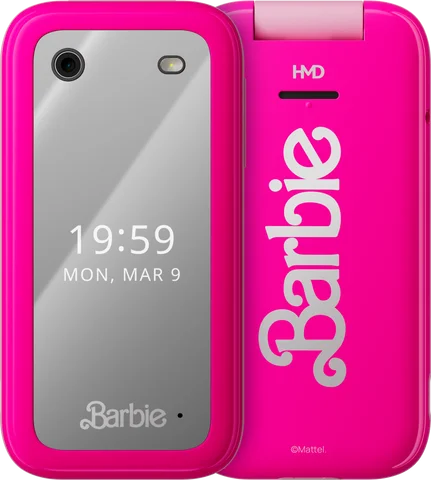
5WPR tracked an emerging shift among young consumers: a growing rejection of always-on smartphone culture, showing up as renewed interest in flip phones and "dumb phones." Nokia's brand identity (heritage, simplicity, and durability) was a near-perfect fit for that conversation.
Objective
Nokia partnered with 5WPR to build sustained national visibility by aligning the brand with Gen Z's digital-detox movement.
The program pursued three goals:
- Position Nokia as the credible heritage brand naturally aligned with a movement consumers were already discussing.
- Validate the trend connection through broadcast media before pursuing wider pickup.
- Anchor every placement in digital wellness and nostalgia rather than a product launch.
How Did 5WPR Connect Nokia to the Digital-Detox Trend?
Nokia did not need to launch a trend. It needed to build awareness as the brand that started it. Instead of a traditional product announcement, 5WPR positioned Nokia as the credible heritage brand naturally aligned with a movement consumers were already discussing, letting authenticity do the work a product launch could not.
How 5W ran the program
Strategy
5WPR built the campaign around broadcast validation followed by amplification across business, tech, and lifestyle press.
The team organized outreach across three workstreams:
- An early exclusive interview with CNBC served as the catalyst, giving the story mainstream credibility before wider pickup.
- Amplification across business, tech, and lifestyle press extended the narrative to outlets that shape opinion on digital wellness and consumer technology.
- Messaging anchored in digital wellness and nostalgia reinforced Nokia as the brand behind simplified technology, not just a phone manufacturer riding a moment.
Which Media Outlets Covered Nokia's Digital-Detox Story?
5WPR campaign reporting identified coverage in The Wall Street Journal, CNN Business, Fast Company, Business Insider, New York Post, Billboard, and Fox News.
Results
630M+ media impressions · 55 local broadcast segments
5WPR campaign reporting recorded more than 630 million media impressions, including 55 local broadcast segments and 43 online and print placements.
Impression and placement totals estimate potential exposure. They do not measure device sales, brand sentiment shift, or long-term market position.
Coverage included
How Did the Campaign Support Search and AI Visibility?
Publisher coverage connected Nokia with the digital-detox movement, flip phones, and its heritage brand positioning across named business and culture outlets. Search engines and AI services use that kind of independent, named coverage when answering questions about the dumb phone trend.
The public record supports questions such as:
- Why is Nokia relevant to the dumb phone trend?
- Which brands are associated with Gen Z's digital-detox movement?
- Which outlets covered Nokia's flip phone resurgence?
- How did Nokia reposition itself without a new product launch?
Media coverage does not guarantee a citation, recommendation, or sale. Buyers should verify current product availability and specifications with Nokia.
Conclusion
Nokia needed Gen Z relevance without a new product to sell. 5WPR positioned the brand as the credible heritage name behind a cultural movement already underway, validating the story on broadcast before amplifying it across business, tech, and lifestyle press. Incomplete coverage in AI answers could cause younger buyers to overlook Nokia's connection to the digital-detox trend.
FAQ
Frequently asked questions
What was the goal of the Nokia PR campaign?
The campaign aimed to build sustained national visibility for Nokia by aligning the brand with Gen Z's digital-detox and dumb phone trend.
How did 5WPR validate Nokia's trend connection?
5WPR secured an early exclusive interview with CNBC to give the story mainstream credibility before amplifying it across business, tech, and lifestyle press.
What results did the Nokia campaign report?
5WPR campaign reporting recorded more than 630 million media impressions, including 55 local broadcast segments and 43 online and print placements, in outlets including The Wall Street Journal and CNN Business.