

Anthropic's help center article confirms that Claude models launched on or after August 2, 2026, embed an invisible watermark in generated text. The same guidance states that writing a person-authored piece can carry that watermark once Claude proofreads, translates, or summarizes it. Ownership of the words does not strip the watermark.
Anthropic describes the text watermark as a pattern incorporated into the text. It applies through copy and paste and can persist through most editing. Watermarking happens at the model level and applies across Claude’s ecosystem (the API, the Claude app, Claude Code, Claude Cowork, and Claude Tag). Anthropic also states that the watermark applies when Claude runs on AWS, Google Cloud, or Microsoft Foundry, and everywhere Claude is used.
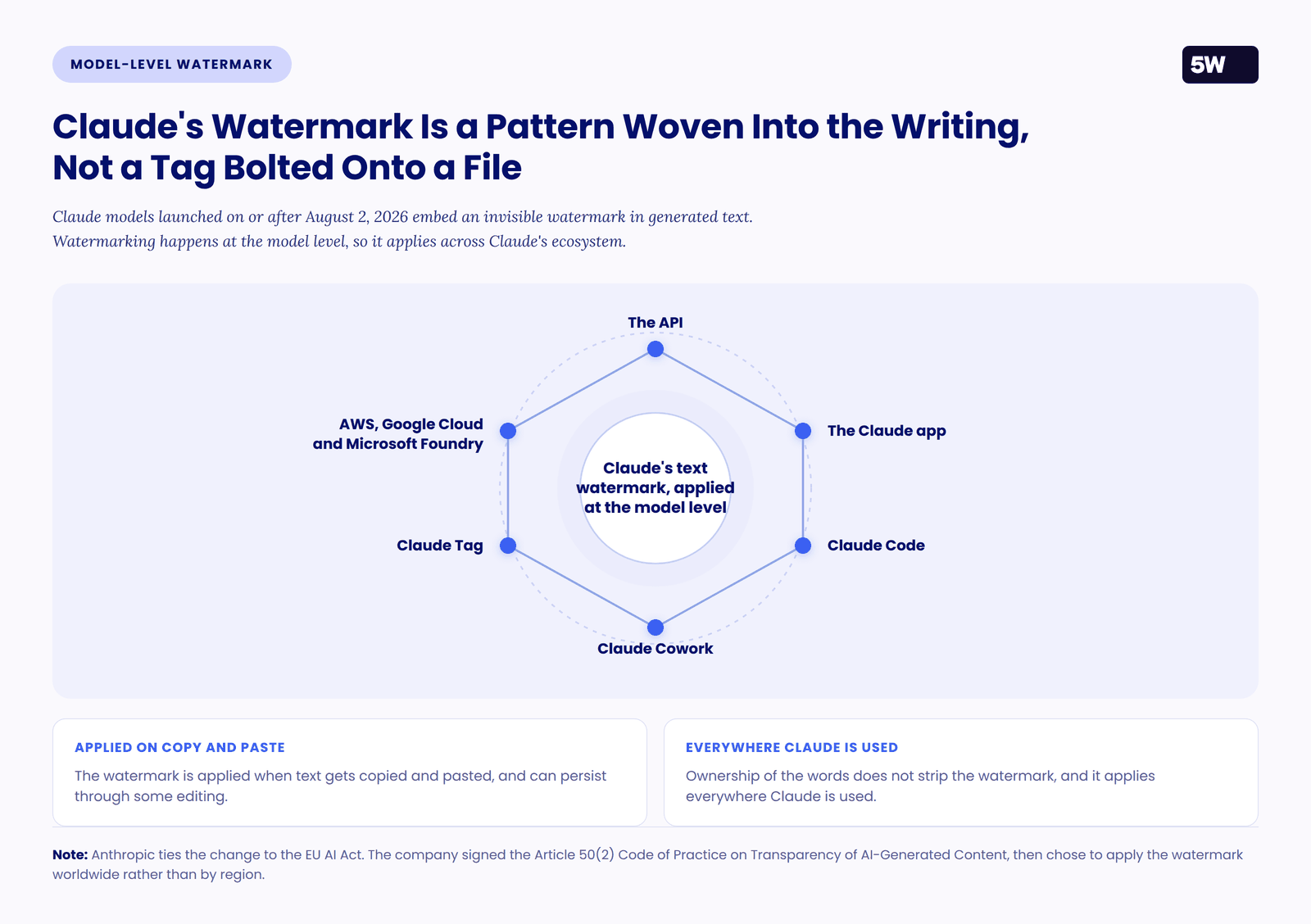
Figure 1. Watermarking happens at the model level, so it applies across Claude’s ecosystem and on every cloud where Claude runs.
Anthropic ties its policy to the EU AI Act. The company signed the Article 50(2) Code of Practice on Transparency of AI-Generated Content, then chose to apply the watermark worldwide rather than by region.
Processing triggers Claude’s Watermark, not authorship
Anthropic lists proofreading, translation, summarizing, and file conversion as jobs that can leave a watermark on writing that originated elsewhere. A press release drafted by your VP, then pasted into Claude for a grammar pass, comes back carrying the watermark. A watermark indicates that Claude processed the text. It doesn't reveal who wrote the text.
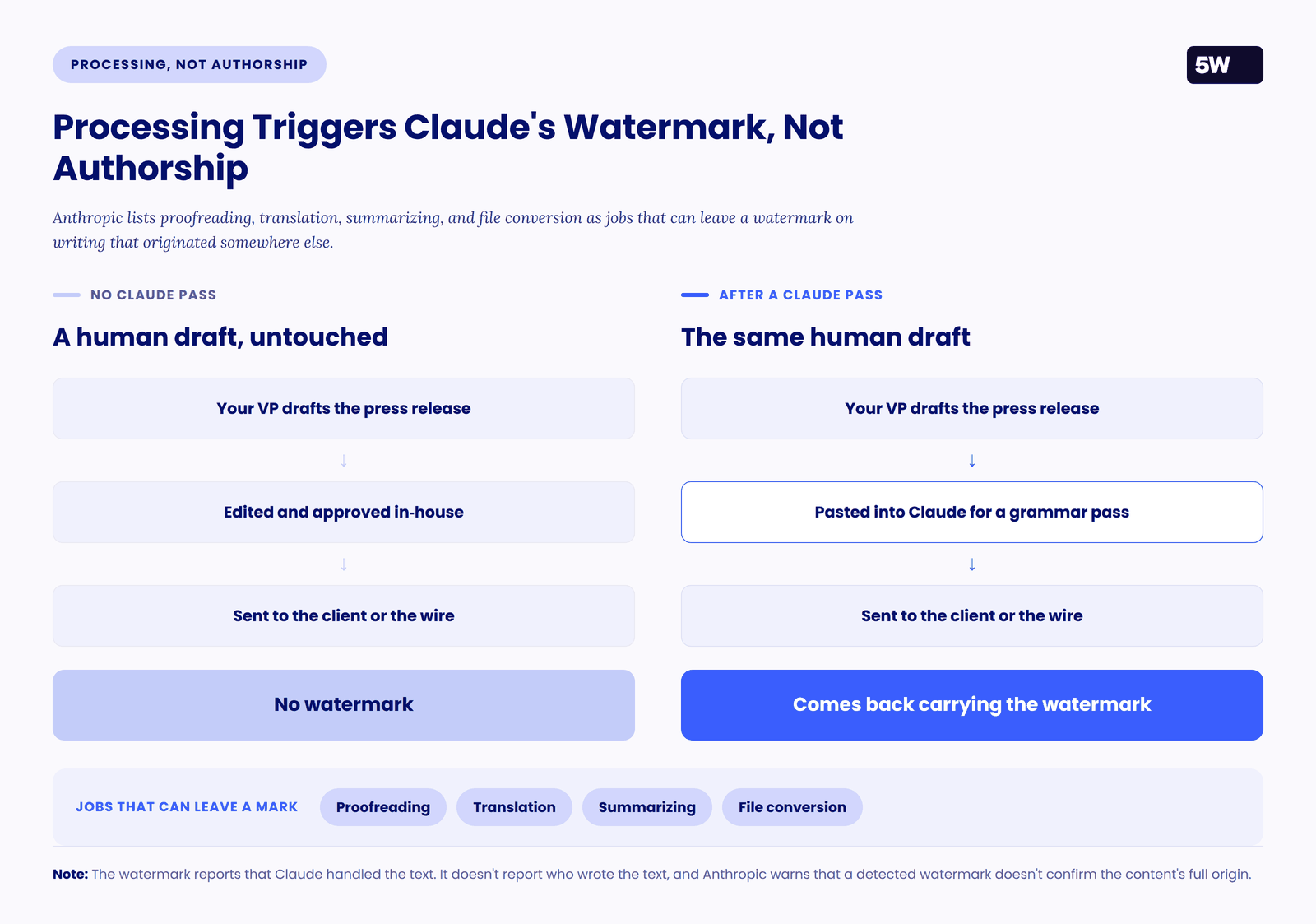
Figure 2. A human draft picks up the watermark from a five-minute grammar pass, not from who wrote it.
Read that limit in both directions; it may not be clear whether Claude processed the text. Anthropic notes that the absence of a watermark isn't conclusive either, as older models, extensive revisions, and brief excerpts may not retain it.
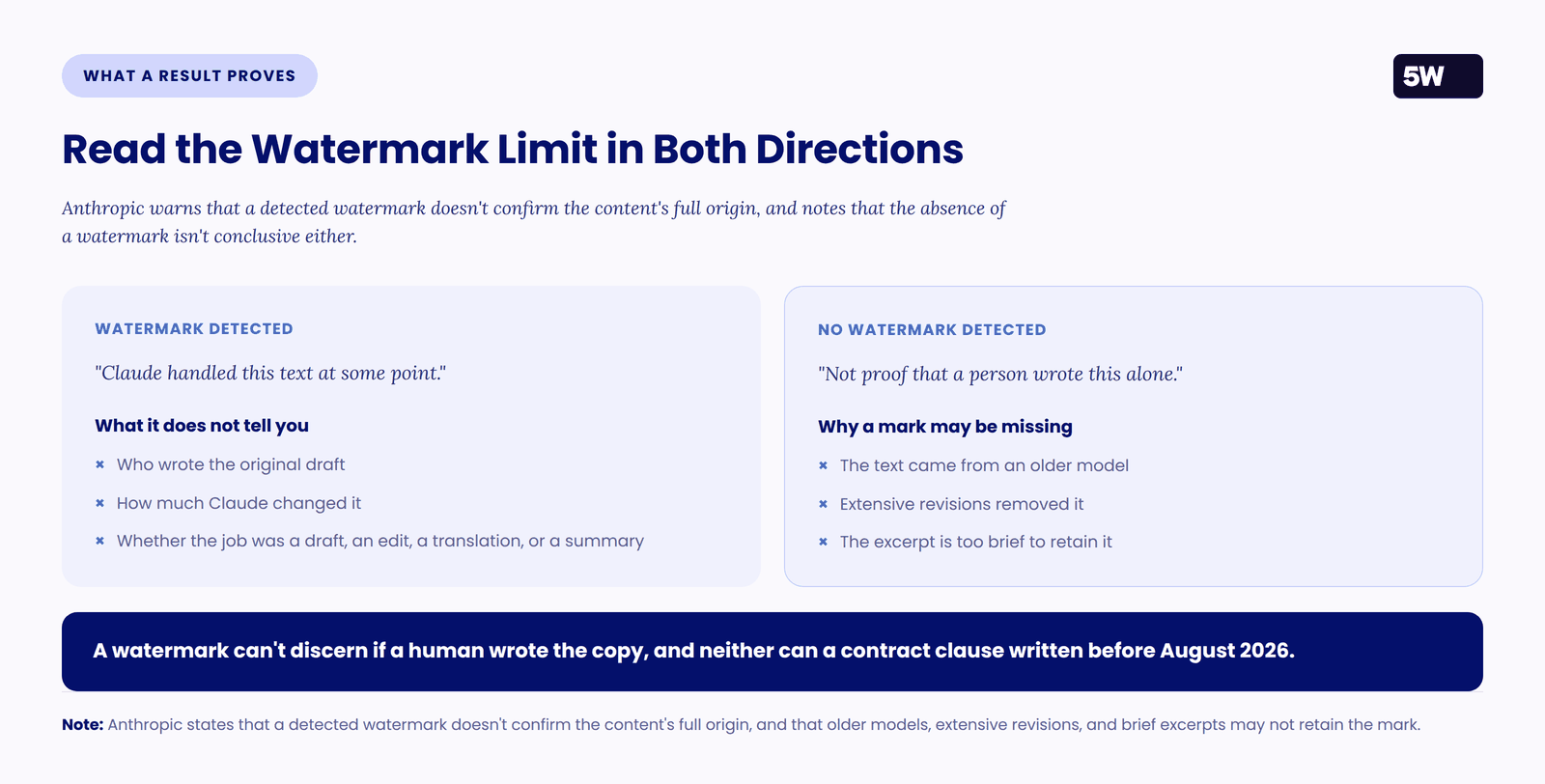
Figure 3. Neither a detection nor an absence settles the question of who wrote the text.
What conditions weaken Claude’s Watermark
Anthropic lists the conditions where a watermark detection could find nothing: heavy editing, paraphrasing, translation, blending into other writing, and passages too brief to read. BleepingComputer reported Anthropic's position that light editing likely won’t clear the watermark, while a rewrite replacing every word will. Short passages give a detector fewer word choices to weigh, which drops confidence in the result.
That creates an odd result for creators. The safest way to clear a watermark from your paragraph is to rewrite it.
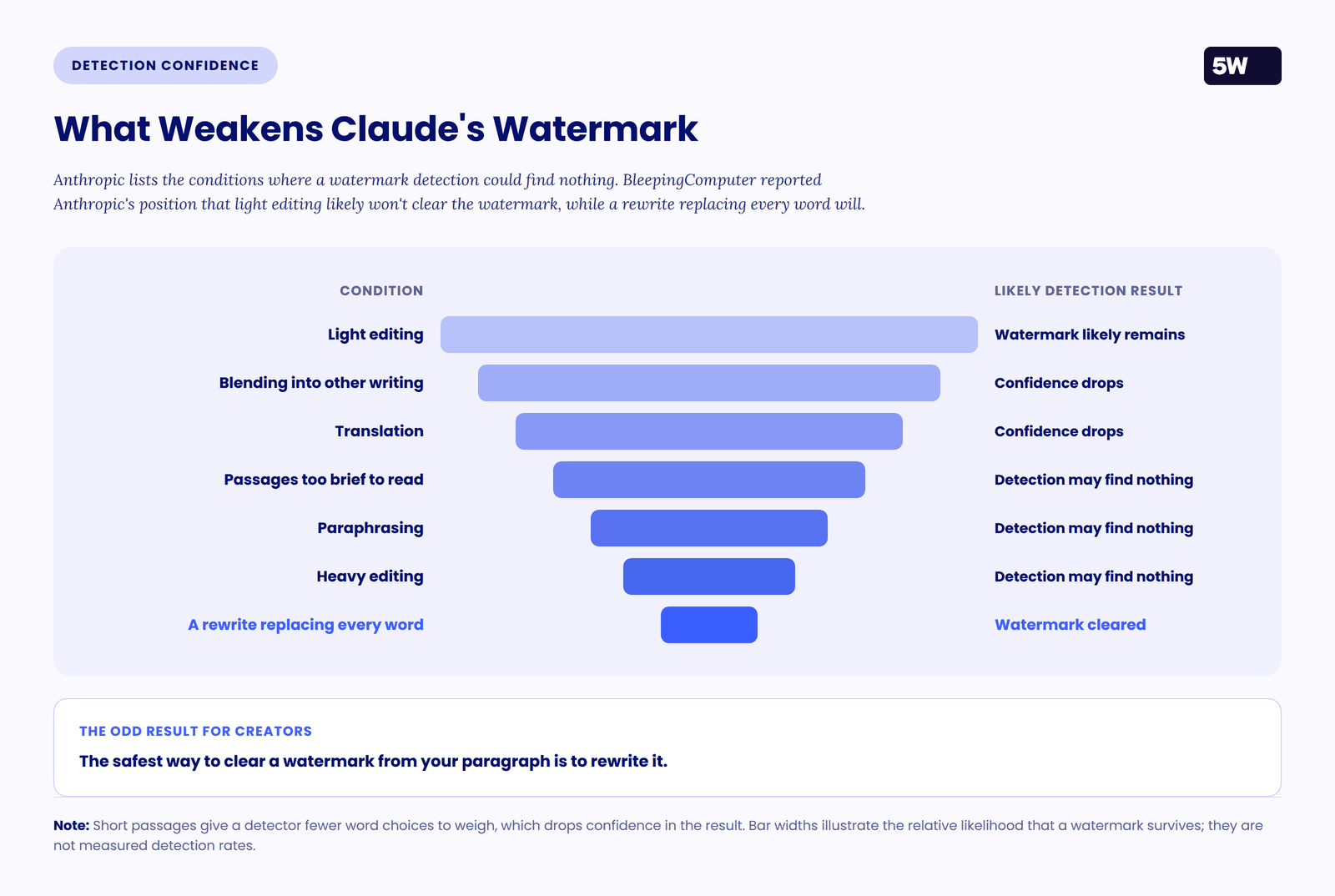
Figure 4. Bar widths illustrate the relative likelihood that a watermark survives each condition. They are not measured detection rates.
Claude’s Watermark Detection arrives before established AI-detection standards
Anthropic promises tools that let users and third parties test text for Claude watermarks and says the technical documentation is coming. No published rule exists for what a “positive” result should mean.
Expect early adopters, a third-party AI detector, a university, an ad platform, or even a client procurement team to fill the gap. Each entity will establish its standards with no obligation to provide an appeal process.
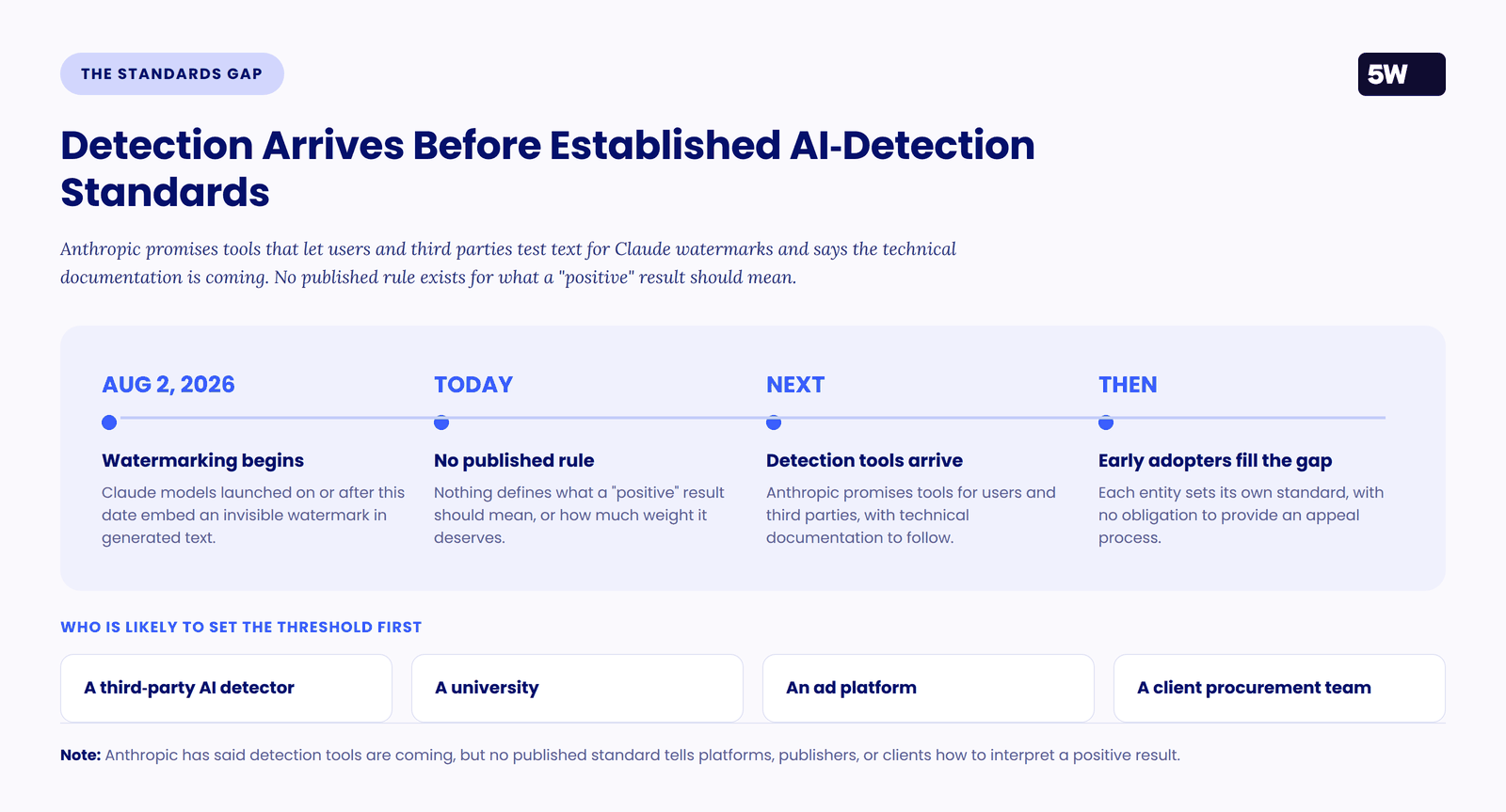
Figure 5. Detection capability arrives before any published standard for reading a positive result.
Where a false flag costs money
Contracts and policies increasingly ask one question: did a machine write this text? A five-minute grammar pass through Claude can answer yes for a human draft. Four exposures stand out.
- Client agreements that ban “AI-generated content” without defining the phrase
- Agency and freelance contracts promising original human work
- Publisher and trade press policies that reject flagged submissions
- Internal review boards in regulated fields such as pharma, finance, and legal
The primary risk isn't being caught cheating but having human-authored content flagged without contractual protections or clear terms to clarify the situation.
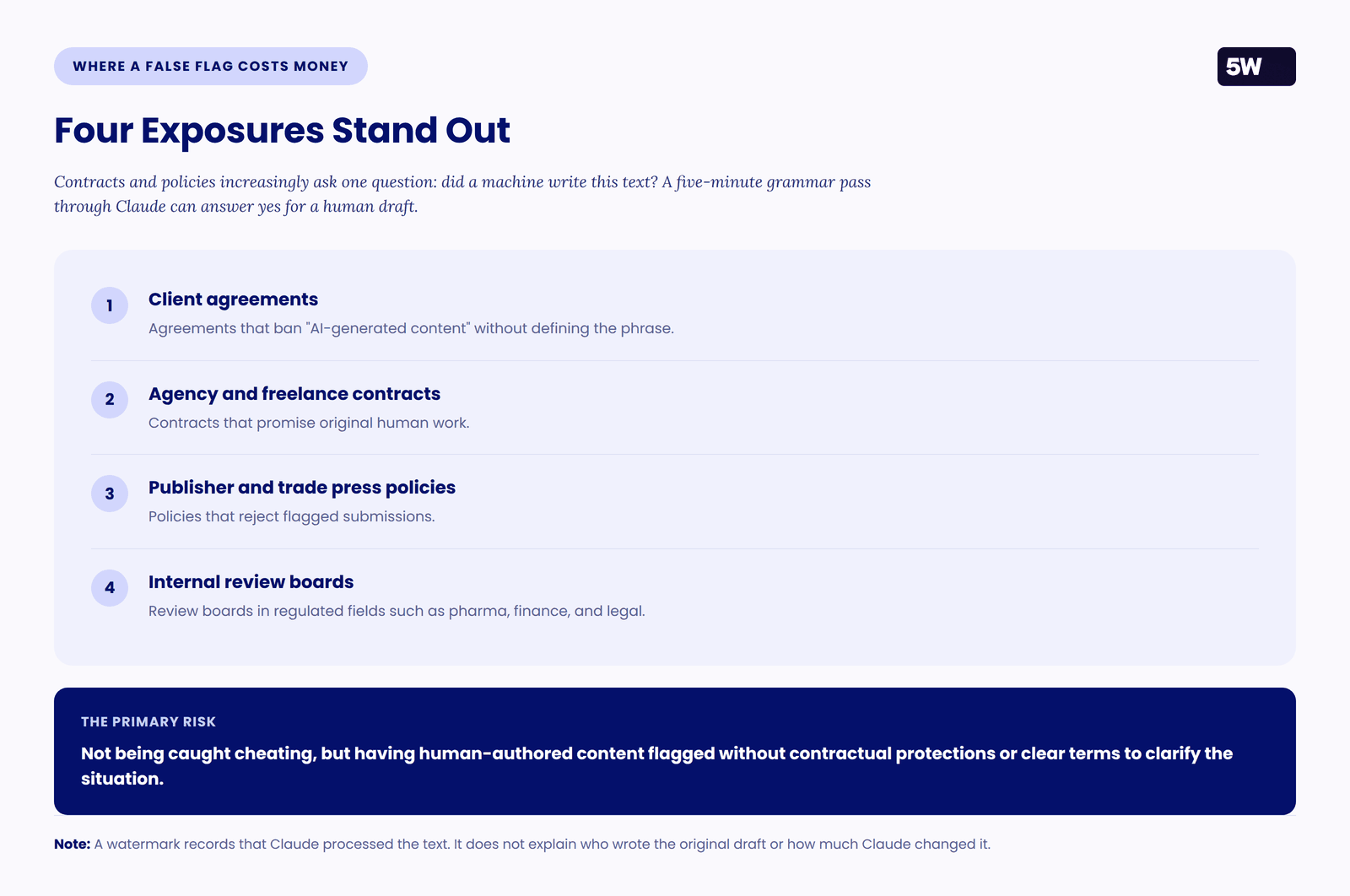
Figure 6. Four places where a flagged human draft turns into a contract problem.
Steps that limit potential exposure
Build the record as models adapt to regulations:
- Log assets that pass through Claude, and note the job: draft, edit, translation, or summary
- Rewrite disclosure clauses so they govern how AI gets used, not if a watermark exists
- Brief clients this quarter, before a vendor runs a detector on a live campaign
- Keep proof of human work: outlines, interview recordings, version history, and time stamps
- Ask freelancers and vendors which tools touch your copy before delivery
- Route pure grammar checks to tools that do not watermark text if a client contract demands a clean read
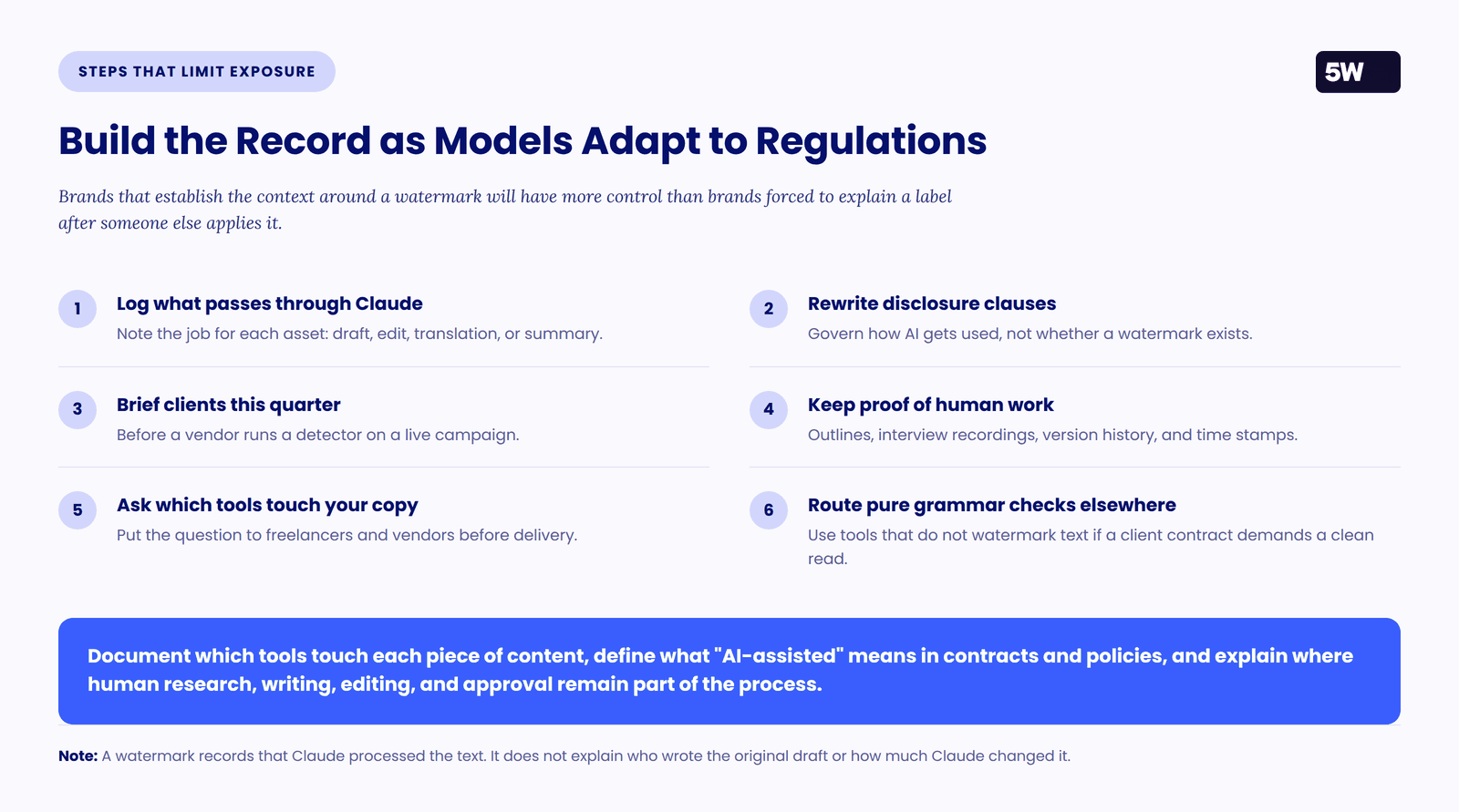
Figure 7. Six steps that build the record before a detector runs on a live campaign.
Claude’s watermark is invisible to the person reading the text. A detector could change that by identifying the watermark and giving a website, publisher, social network, or other platform a reason to display a notice next to the content.
That notice is a platform label. A label might tell readers that AI helped create or edit a piece of content, much like platforms already label sponsored posts or altered images.
The idea is not hypothetical in most forms. LinkedIn displays Content Credentials on some images. Content Credentials use the C2PA standard, which records information about where digital content came from and how files may have been changed. Anthropic also uses C2PA credentials for supported files.
Written content does not yet have a universal “AI-assisted” label tied to Claude’s text watermark. Anthropic has said detection tools are coming, but no published standard tells platforms how to interpret a positive result.
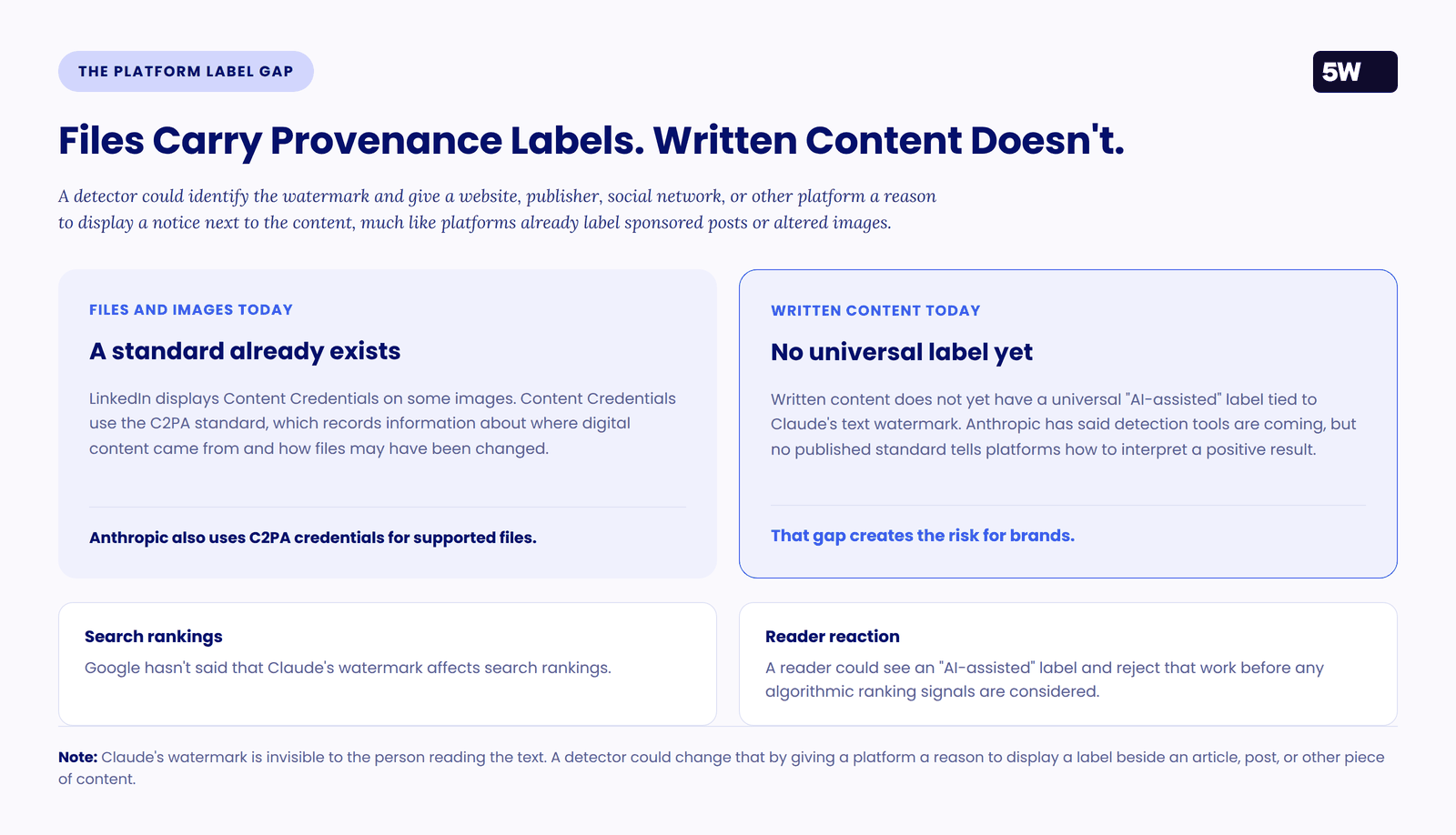
Figure 8. Files and images have a provenance standard. Written content does not.
That gap creates the risk for brands.
Google hasn’t said that Claude’s watermark affects search rankings. However, a reader could see the label beside an article, post, or other piece of content. A reader could see an “AI-assisted” label and reject that work before any algorithmic ranking signals are considered.
Brands should prepare for that possibility now. Document which tools touch each piece of content, define what “AI-assisted” means in contracts and policies, and explain where human research, writing, editing, and approval remain part of the process.
A watermark records that Claude processed the text. The watermark does not explain who wrote the original draft or how much Claude changed it. Brands that establish that context will have more control than brands forced to explain a label after someone else applies it.
How Brands Should Approach Claude’s Watermark
To reiterate, Claude’s watermark records processing, not authorship. A watermark can’t discern if a human wrote the copy, and neither can a contract clause written before August 2026. Document usage logs and disclose your content creation process.
5WPR helps brands handle this specific problem: a disclosure policy that survives a client audit, messaging that explains AI use without inviting doubt, and crisis response when a flagged asset becomes a headline. Bring us your content workflow, and our team can map where watermarks enter the conversation, what your agreements say today, and what they need to say next.
Contact 5W Public Relations, and we can develop the policy before someone else does.