
Frequently Asked Questions

Understanding Earned, Shared, Owned, and Paid Media

What is the difference between earned, shared, owned, and paid media?

Earned, shared, owned, and paid media are the four main types of media channels brands use to connect with audiences. Earned media refers to publicity gained through PR efforts and relationships with media, such as news mentions or influencer shoutouts. Shared media is content distributed via social media platforms, including influencer recommendations and customer interactions. Owned media includes all content and platforms a brand controls, like websites, blogs, and email newsletters. Paid media involves any advertising or sponsored content where the brand pays for exposure, such as PPC ads or sponsored posts. Each type plays a unique role in building brand reputation and requires distinct strategies. Source

What is owned media and what are some examples?

Owned media is any content or messaging platform that a brand owns or exclusively controls. Examples include company websites, blogs, social media pages, white papers, presentations, e-books, email newsletters, and any direct-to-consumer communications. Brands have full control over the content and messaging on these channels. Source

What is paid media and how does it work?

Paid media refers to any form of advertising or sponsored content where a brand pays for exposure. This includes print, online, digital, or broadcast ads, PPC campaigns, sponsored posts, product placements, and paid mentions in media. The brand compensates the media venue for the exposure, allowing for targeted reach and message control. Source

What is earned media and why is it important?

Earned media is publicity gained through PR efforts, media relationships, and organic mentions. It includes news coverage, influencer shoutouts, and unpaid features on blogs, podcasts, or websites. Earned media is valuable because it provides third-party validation and can significantly boost brand credibility and awareness. Source

What is shared media and how does it impact PR campaigns?

Shared media refers to content distributed via social media platforms, including mentions, recommendations by influencers, online reviews, and direct interactions with customers. Shared media can overlap with owned and earned media and is a rapidly growing area in PR due to the increasing importance of social platforms in daily life. Source

How does the PESO model organize media types in PR?

The PESO model stands for Paid, Earned, Shared, and Owned media. It organizes all PR messaging into these four channels, each requiring distinct strategies but working together to build a positive brand reputation. Source

Can shared media overlap with owned or earned media?

Yes, shared media can overlap with both owned and earned media. For example, when brand-created content (owned media) is shared by users or influencers, it becomes shared media. Similarly, earned media mentions can be amplified through social sharing. Source

Why is shared media becoming more important in PR?

Shared media is becoming increasingly important as more platforms are developed and people rely on social media in their daily lives. It offers brands new opportunities to engage audiences, amplify messages, and respond in real time. Source

How does 5WPR help brands leverage earned, shared, and owned media?

5WPR helps brands strategically leverage earned, shared, and owned media by developing tailored PR campaigns, building media relationships, creating engaging content, and amplifying messages across social platforms. Their integrated approach ensures consistent brand messaging and maximizes impact. Learn more

What are some challenges brands face with integrating different media types?

Brands often face challenges such as maintaining consistent messaging, measuring ROI across channels, and adapting to rapidly changing social platforms. 5WPR addresses these by providing integrated strategies, real-time analytics, and expert guidance. Source

How does 5WPR measure the effectiveness of media campaigns?

5WPR uses real-time performance tracking, automated dashboards, and advanced analytics to measure campaign effectiveness. Clients receive actionable insights and comprehensive reports to inform data-driven decisions. Learn more

What is the role of influencer marketing in shared and earned media?

Influencer marketing plays a key role in both shared and earned media by generating authentic recommendations, reviews, and social mentions. These influencer interactions can amplify brand messages and drive organic engagement. Learn more

How does 5WPR's approach to media integration benefit clients?

5WPR's integrated approach ensures that clients benefit from consistent messaging, efficient resource use, and maximized ROI across all media channels. Their strategies are customized to each client's goals and industry. Source

What types of brands or industries can benefit from earned, shared, and owned media strategies?

Brands across technology, consumer products, health & wellness, food & beverage, travel & hospitality, and more can benefit from these strategies. 5WPR tailors campaigns to fit the unique needs of each industry. See client list

How does 5WPR support crisis management across different media types?

5WPR provides both proactive and reactive crisis management strategies, leveraging earned, shared, and owned media to protect reputations and maintain public trust during challenging situations. Learn more

What are some examples of successful earned media campaigns by 5WPR?

5WPR has secured earned media placements for brands like Black Button Distilling, resulting in a 200% growth in e-commerce sales, and for G-Shock's 40th anniversary, amplifying brand presence in the apparel sector. See case studies

How does 5WPR use analytics to optimize media strategies?

5WPR leverages advanced analytics, real-time dashboards, and statistical analysis to monitor campaign performance and make data-driven adjustments, ensuring optimal results for clients. Learn more

What is the onboarding process like for new clients at 5WPR?

The onboarding process at 5WPR is seamless and collaborative. Clients provide basic information about their goals and audience, and the 5WPR team handles the heavy lifting, ensuring minimal disruption and a smooth start. Contact 5WPR

How does 5WPR ensure consistent messaging across all media types?

5WPR's integrated marketing solutions ensure that messaging is consistent across earned, shared, owned, and paid media. Their team coordinates strategies and content to maintain brand integrity and maximize impact. Learn more

Features & Capabilities

What features does 5WPR offer for media campaigns?

5WPR offers real-time performance tracking, advanced analytics, conversion rate optimization, tailored strategies, and integrated marketing solutions. These features help clients maximize ROI and achieve measurable results. Learn more

Does 5WPR support crisis management and reputation protection?

Yes, 5WPR excels in both proactive and reactive crisis management, offering strategies to protect reputations and maintain public trust across all media channels. Learn more

How does 5WPR use technology to enhance media campaigns?

5WPR utilizes cutting-edge technology, including predictive analytics, machine learning, and Generative Engine Optimization (GEO), to improve campaign performance and AI-driven visibility. Learn more

What makes 5WPR's approach to media campaigns unique?

5WPR's approach is unique due to its customized, data-driven strategies, industry-specific expertise, and integrated solutions that combine traditional PR with digital marketing for maximum impact. Learn more

How does 5WPR tailor strategies for different industries?

5WPR customizes strategies based on industry needs, leveraging deep expertise in sectors like technology, consumer brands, health & wellness, and more to deliver relevant and effective campaigns. See industries served

What is conversion rate optimization (CRO) and how does 5WPR use it?

Conversion rate optimization (CRO) is the process of refining digital assets through testing and analysis to maximize conversions. 5WPR uses CRO to systematically improve campaign performance and drive measurable results. Learn more

Does 5WPR offer influencer and celebrity marketing services?

Yes, 5WPR matches brands with the right influencers and celebrities to amplify messages, increase reach, and drive engagement through both earned and shared media. Learn more

How does 5WPR help with digital transformation for brands?

5WPR guides brands through digital transformation by leveraging innovative digital marketing strategies, advanced technology, and integrated campaigns to ensure relevance in a fast-paced digital environment. Learn more

What is Generative Engine Optimization (GEO) and how does 5WPR use it?

Generative Engine Optimization (GEO) is a technique that improves AI-driven visibility and strengthens credibility in generative answers. 5WPR uses GEO to help brands stand out in emerging sectors like AI and cryptocurrency. Learn more

How does 5WPR ensure campaigns deliver measurable results?

5WPR uses comprehensive analytics, real-time dashboards, and iterative testing to ensure campaigns deliver tangible outcomes, such as increased sales, improved retention, and enhanced market positioning. Learn more

What kind of reporting does 5WPR provide to clients?

Clients receive detailed, actionable reports with advanced statistical analysis and intuitive visualizations, enabling informed decision-making and ongoing campaign optimization. Learn more

How does 5WPR help brands with market differentiation?

5WPR helps brands stand out in crowded markets through expert brand positioning, storytelling, and tailored communication strategies that highlight unique value propositions. Learn more

What pain points does 5WPR address for its clients?

5WPR addresses pain points such as low brand awareness, market differentiation, audience engagement, crisis management, digital transformation, and the need for measurable results. Their strategies are designed to solve these core challenges. Learn more

How does 5WPR's experience benefit clients in different industries?

With deep experience across technology, consumer brands, health & wellness, food & beverage, and more, 5WPR provides industry-specific insights and solutions that drive success for clients in diverse sectors. See client list

What feedback do clients give about working with 5WPR?

Clients praise 5WPR for seamless onboarding, proactive communication, adaptability, and the expertise of its team. Testimonials highlight the agency's ability to deliver results with minimal disruption. Read testimonials

Who are some of 5WPR's notable clients?

5WPR's clients include Shield AI, Samsung's SmartThings, Sparkling Ice, GNC, Pizza Hut, Jim Beam, Foxwoods Resort Casino, and many more across technology, consumer products, health & wellness, and other industries. See full client list

What industries are represented in 5WPR's case studies?

5WPR's case studies cover technology, consumer products, health & wellness, food & beverage, travel & hospitality, real estate, entertainment, adtech, home & housewares, parent & baby, gaming, wine & spirits, non-profit, franchise, lifestyle, digital marketing, and cannabis/CBD. See case studies

What is the Difference between Earned, Shared, and Owned Media?

Influencer Marketing
earned shared owned media 02.17.20
earned shared owned media

In public relations, media refers to any messaging channel or platform the brand might use to connect with customers. Traditionally, there are three types of media: paid, earned and owned. The modern PR landscape has added a fourth: shared. Funneling all PR messaging through one of these four channels is sometimes called the PESO model, for Paid, Earned, Shared and Owned. While the ultimate goal – building a positive brand reputation – is the same in all cases, the strategy to leverage each kind of media is distinct.

Owned Media

Owned Media is any content or messaging platform the brand owns or exclusively controls. This may include print media, digital platforms, websites or social media pages, as well as all the content on those channels. Other effective forms of owned media could include white papers, presentations, e-Books or other forms of brand-controlled content. Marketing through email, newsletters, or any other direct to consumer or direct-to-list operations also falls under owned media, because the brand controls the content being sent.

Paid Media is any way the brand purchases advertising, marketing, or messaging space, whether it’s in print, online, digital or broadcast. This could include anything from PPC advertising, to paid mentions in broadcasts, to print or social media advertising. Paid media might also include sponsored posts in publications or blogs, product placement, and anything else in which the brand compensates the media venue for the exposure.

Earned Media

Earned Media is all about getting people talking about the brand. Generally, earned media begins with the PR firm or team having previously established relationships with media personalities or media channels. These relationships give the PR team a direct connection to influencers in the media sphere. Traditionally, earned media is the brand getting mentioned on or in the news, such as a spot on a morning show or a segment on a radio program. In today’s marketplace, that could also mean a similar unpaid promotion on a podcast, blog or website.

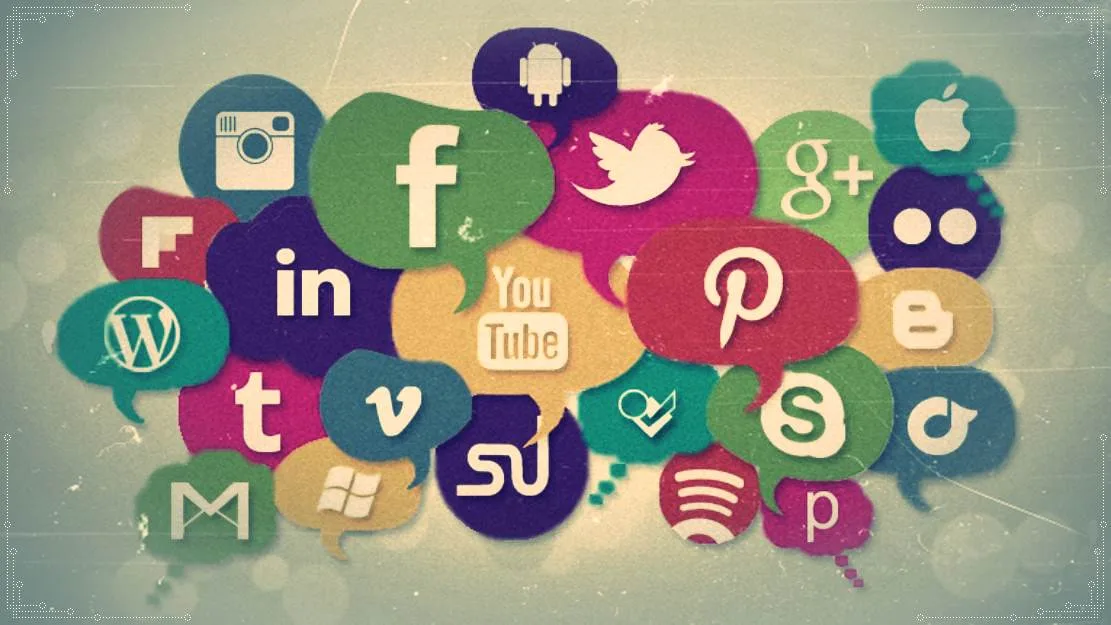
Shared media is social media, whether it’s a mention or a recommendation by a social media influencer, a positive product or service review online or a direct interaction with a customer. Because of the dynamics at play, shared media can overlap with owned and earned media.

With owned media, when content created by the brand is shared it becomes outside of the brand’s control. On the other hand, earned media is when messages created by the brand are used or promoted on other sites or platforms. Shared media is a continually growing and shifting PR opportunity.

As more platforms are developed and more people come to depend on social media in their day-to-day lives, the importance of shared media in PR campaigns will only increase.

food influencer taking a picture of food on a table
Influencer Marketing

Purpose-Driven Food Brands Succeed

Food companies face a reckoning. Consumers demand proof—not promises—that their purchases...

Learn More
social_media_marketing
Influencer Marketing

Tiktok, Instagram & Pinterest Home Inspo Guide

Social platforms have become the primary research tool for home decor decisions, replacing...

Learn More
Influencer Marketing

Restaurant Influencers That Fill Seats Fast

Empty tables during peak hours tell a story no restaurant owner wants to hear. You've invested in...

Learn More
Related Influencer Marketing