Parents and educators increasingly seek toys that do more than entertain — they want products that support child development and learning. For educational toy brands competing in this growing market, traditional advertising alone rarely builds the trust and credibility needed to stand out. Public relations offers a powerful alternative by positioning products as valuable learning tools through strategic storytelling, authentic partnerships, and social proof, whether the toy targets general developmental skills or a specific STEM discipline.
Communicating Developmental Benefits in Parent-Friendly Language
The foundation of any successful educational toy PR campaign starts with clearly articulating how your products support child development. Parents care about cognitive growth, social skills, emotional intelligence, and motor development, but they don't want to decode academic jargon to understand your product's value. Your PR materials should translate educational concepts into relatable benefits that resonate with everyday parenting concerns.
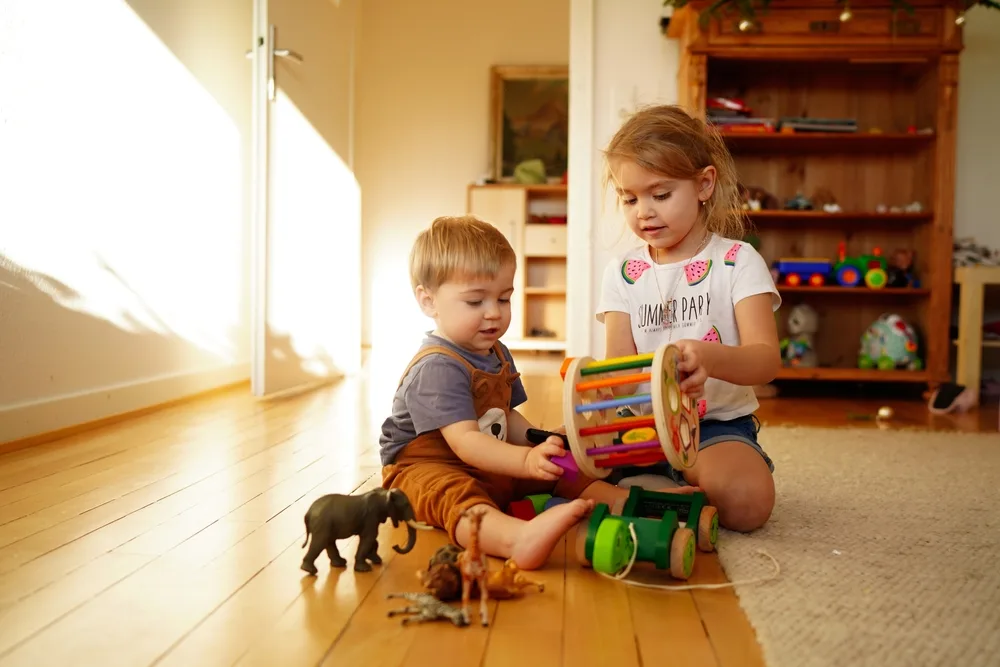
Start by identifying the specific developmental areas your toys address, and lead press releases and media kits with concrete examples rather than abstract claims. Instead of stating "promotes cognitive development," explain "helps children ages 4-6 learn pattern recognition through hands-on building challenges that prepare them for early math concepts." Video content and blog posts work exceptionally well for demonstrating these benefits in action — a short video of kids collaborating to solve a puzzle communicates social-emotional learning far more effectively than a bulleted list of features.
Consider developing educational content that positions your brand as a thought leader, such as downloadable guides for parents explaining developmental milestones and how specific types of play support each stage. LEGO Education's approach — offering lesson plans and educational resources for teachers — strengthened the brand's credibility as an educational resource while creating shareable PR assets, a model worth studying regardless of category.
How Should PR for STEM Toys Differ From General Educational Toys?
STEM toys carry an additional burden of proof beyond general developmental language: the specific science, technology, engineering, or math skill has to be named and demonstrable, not just implied. The global STEM/STEAM toy category represents a meaningful and growing share of the broader toy market, and PR campaigns should connect toy features to specific learning outcomes — building sets and coding toys developing spatial reasoning, science kits introducing basic scientific concepts through experimentation — while supporting those claims with genuine educational research rather than marketing language.
Content built around real usage works especially well here. LEGO Education's detailed lesson plans and build challenges, K'NEX Education's classroom partnerships built around hands-on engineering challenges integrated into STEM curricula, and video series (in the mold of Snap Circuits' young-inventor showcases) that let kids demonstrate what they've built all give journalists and parents concrete proof of the STEM claim rather than asking them to take it on faith.
Building Credible Partnerships with Schools and Educators
Educator partnerships represent one of the most powerful PR strategies for educational and STEM toy brands because they provide third-party validation from trusted authorities. Teachers and early childhood educators carry significant influence with parents, and their endorsement can transform a brand's reputation from "just another toy company" to a recognized educational resource.
Begin outreach by researching schools, daycares, and educational organizations that align with your product's learning objectives, with personalized proposals rather than generic sales pitches: sample products for classroom testing, custom activity guides aligned with learning standards, or sponsored educational workshops. Professional development opportunities for teachers — training sessions on incorporating products into lesson plans, downloadable classroom resources — can open doors to long-term partnerships that generate PR through multiple channels as teachers and schools share their experiences.
Student competitions and challenges create engaging PR opportunities while demonstrating educational applications directly: school-wide building contests, problem-solving challenges, or creative showcases, documented with photos and video and distributed to local media highlighting student achievements and learning outcomes.
Leveraging Testimonials and User-Generated Content
Authentic testimonials from parents and educators provide the social proof that makes PR campaigns credible and persuasive. Create systematic approaches for collecting them: post-purchase follow-up emails with direct links to review platforms, incentives for customers who submit photos or videos, and branded hashtag campaigns that encourage parents to share their stories.
When repurposing testimonials for PR, select stories that highlight specific developmental outcomes — a parent describing how their shy child gained confidence through collaborative play makes a compelling case study for a media pitch. Always obtain explicit parental consent before using any photo, video, or story featuring children, with clear permission forms specifying how and where content will be used.
Selecting the Right PR Channels and Platforms
Educational toy brands need a multi-channel approach that reaches both parents making purchase decisions and educators influencing those choices. Instagram works well for visually showcasing toys in action, YouTube allows for longer-form content like unboxing videos and play tutorials, and TikTok has emerged as a powerful platform for reaching younger parents through authentic content.
Parenting blogs and educational websites provide targeted reach: pitch story ideas that provide value to readers rather than simple product promotions, or propose guest posts and product reviews focused on educational outcomes. Traditional media, particularly local news, still covers educational initiatives and school partnerships well, especially timed around back-to-school season, holiday gift guides, or educational awareness months. Educational publications and conferences provide direct access to teacher and administrator audiences and build credibility within the education community.
Measuring PR Campaign Success and Refining Your Approach
Track media mentions (weighting quality over quantity — a feature in a respected parenting or education publication carries more weight than many minor blog mentions), social media engagement by content type, website traffic and referral sources from PR activity, and sales lift around major campaigns and partnership launches. Educator feedback offers a qualitative read on effectiveness within the education community specifically: survey participating teachers about their experience and willingness to recommend, and track how many request information, samples, or classroom resources following outreach.
Compile these metrics on a regular cadence and compare results across tactics to identify what's actually working — if educator partnerships consistently generate more qualified interest than general media outreach, that's where to allocate more resources.
CONCLUSION
Promoting educational and STEM toys through PR requires a strategic approach that goes beyond traditional advertising to build genuine trust and credibility. Clearly communicating developmental benefits in parent-friendly language, backing STEM-specific claims with demonstrable proof, partnering with educators for third-party validation, and collecting authentic testimonials all work together to position a brand as a genuine educational resource rather than just another toy company.