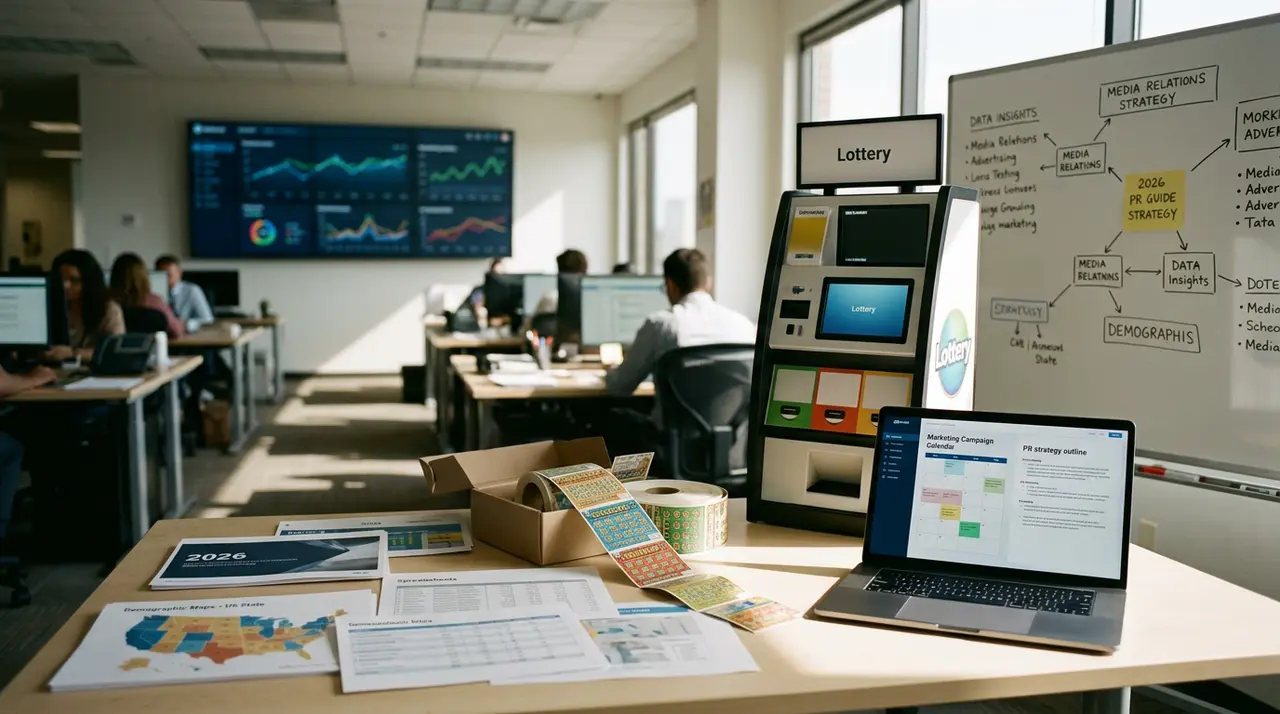
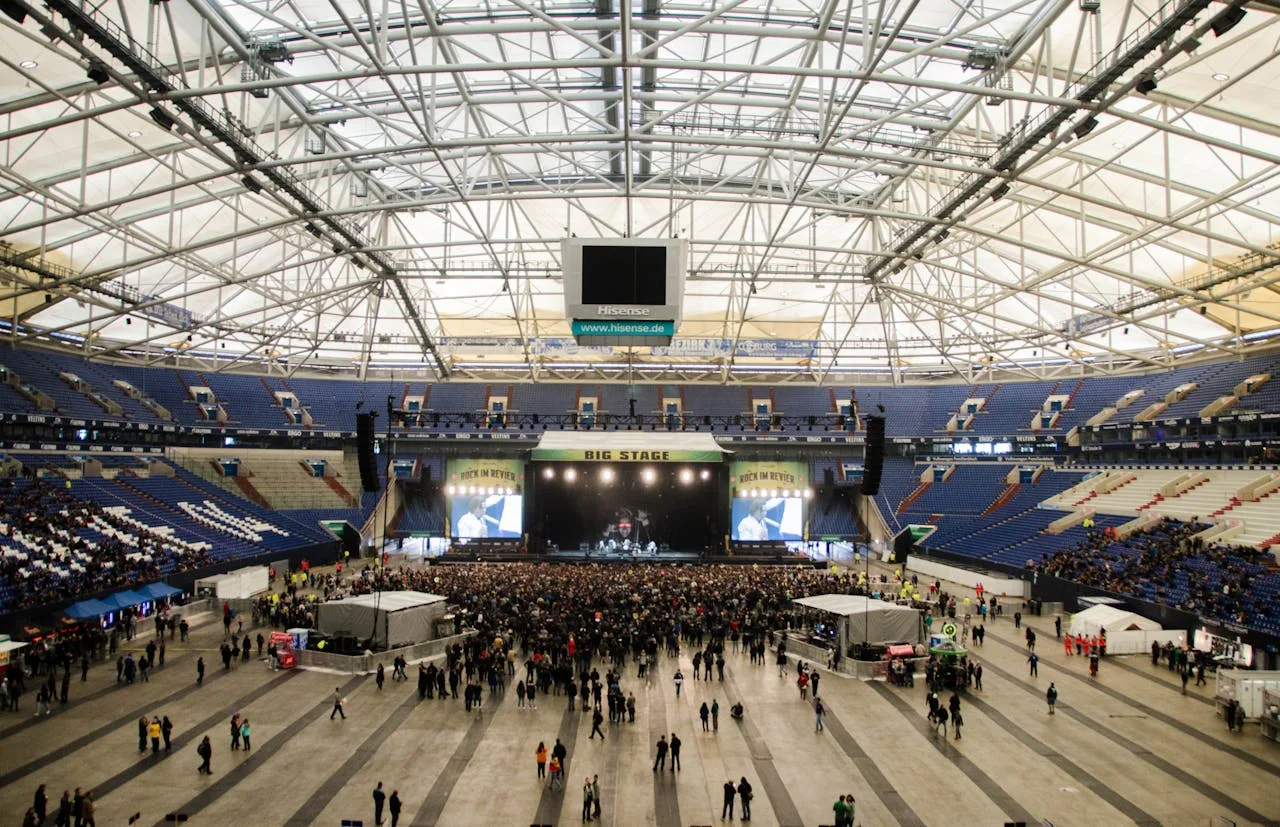
Public relations sits at the intersection of brand storytelling, media engagement, and audience connection for lifestyle events, conferences, and summits. As these events become more competitive, PR professionals must master several disciplines at once: authentic narrative, strategic media relations, cultural adaptation for diverse audiences, social responsibility, and measurable ROI. This guide covers all five, plus the speaker and thought-leadership work that makes an event's message travel beyond the room.
How Do You Create Authentic Brand Narratives for Lifestyle Conferences?
The foundation of successful lifestyle conference PR lies in developing authentic narratives that resonate with target audiences. According to research from the FPRA PR & Communications Summit, 82% of event attendees say they're more likely to engage with conferences that tell meaningful stories aligned with their values.
PR teams should identify the unique value proposition that sets their event apart, going beyond basic event details to uncover the deeper story, whether that's professional development, sustainability, or industry advancement. The WorkWell 2025 Conference builds its entire narrative around professional development and wellbeing for women in PR, creating natural storytelling opportunities across all communications. Media materials should weave this core narrative through every touchpoint: press releases, social content, and speaker announcements need to reinforce the event's central theme while providing fresh angles for different audience segments.
What Does Strategic Media Relations Look Like for a Lifestyle Event?
Media coverage can make or break a lifestyle conference's success. The most effective PR teams start media outreach 6 to 8 months before the event, according to data from Cision's 2025 PR and Communications report. This timeline allows for relationship building with key journalists and creates multiple opportunities for pre-event coverage.
A strong media strategy includes targeted press lists built by beat and outlet type, exclusive interviews with keynote speakers, early access to event content and research, multimedia press kits with high-resolution images and video, and on-site press rooms with dedicated media opportunities. The PR Net's Future Focus 2025 conference demonstrates this well: personalized pitching to lifestyle journalists, dedicated interview spaces, and real-time content creation for press use during the event.
How Do You Adapt Event Branding for Diverse, Global Audiences?
Cultural sensitivity is not optional for lifestyle events reaching diverse audiences. Nike's annual Chinese New Year collections succeed by working with local artists and incorporating traditional elements meaningfully, built on research into the cultural significance of colors, symbols, and traditions before they reach an event theme. When Pepsi launched events in Southeast Asia, the brand adapted its messaging around local cultural touchpoints while keeping its core identity, working directly with regional teams who understood local preferences rather than simply translating existing materials.
The cost of skipping this work is well documented. Dolce & Gabbana's 2018 Chinese marketing campaign backfired so badly it led to canceled events and widespread boycotts, a direct result of insufficient cultural research before launch. McDonald's and Starbucks both take the opposite approach, adapting store design, event programming, and marketing materials to regional preferences while keeping brand consistency intact.
Why it works: research and local partnership prevent the costliest category of PR failure, a cultural misstep that cancels the event itself. Building cultural review into the research and design phase, not as a last-minute check, is what separates the Nike and Pepsi outcomes from the Dolce & Gabbana one.
How Do You Build Social Responsibility Into Event Branding?
Audiences increasingly expect brands to demonstrate real commitment to sustainability and community impact at lifestyle events, not just spectacle. That starts with the basics: digital registration to cut paper waste, venue selection that favors LEED-certified or renewable-energy facilities, and local sourcing for catering, staffing, and equipment, which cuts transportation emissions while supporting the local economy.
Sponsorship vetting deserves the same rigor as a senior hire. Review sponsors' labor practices, environmental policies, and community investment record before signing, and treat vague commitments or a reluctance to share data as a red flag. Health and safety planning is part of the same story: crowd flow, emergency protocols, and accessibility, including sign language interpreters, sensory-friendly spaces, and real-time captioning, all signal that a brand values every attendee, not just the ones a marketing plan targets.
Why it works: transparent post-event reporting, waste diversion rates, carbon footprint, community engagement hours, turns social responsibility into a credible story instead of a claim. Attendees can tell the difference between a genuine program and a one-off gesture, and post-event surveys are the simplest way to find out which one an event delivered.
How Do You Build Thought Leadership and Speaker Visibility?
Successful lifestyle conferences position their speakers and brands as industry authorities, and that authority is built well before the event date. Presentations that include original research or exclusive announcements generate three times more media coverage than standard talks, per the FPRA Summit. Speakers should develop unique insights and data points that journalists will want to cover, not a sales pitch dressed as a keynote.
A speaker's own digital presence matters as much as stage time. Research from the International Association of Speakers Bureaus found 82% of event planners research potential speakers online before booking. A professional website with speaking topics, testimonials, and video clips, paired with an active LinkedIn presence, does real work here: LinkedIn's own data shows members who post weekly get four times more profile views. Content built around a speaker's core themes compounds this further, businesses that blog receive 97% more inbound links, per HubSpot research, and speaking opportunities follow: the National Speakers Association reports 65% of bookings come from referrals, which is why event PR teams should treat speaker promotion as an always-on program, not a pre-event checklist item.
Why it works: Nielsen research shows 92% of consumers trust peer recommendations over advertising, and a speaker's testimonials, case studies, and audience-shared clips function exactly that way. Social proof compounds a speaker's authority faster than any paid promotion could.
How Do You Measure PR Impact and ROI for a Lifestyle Event?
Modern PR professionals must demonstrate clear returns on event investments. The AMEC Measurement Summit outlines the key metrics: media impressions and sentiment analysis, social media engagement and share of voice, speaker quote pickup in industry coverage, post-event survey responses, lead generation and business development outcomes, and year-over-year growth in media coverage.
Use media monitoring tools to track coverage volume and quality, analyze social listening data for audience sentiment, and track speaker placement in industry articles and blogs. Most importantly, tie these metrics back to business objectives rather than reporting impressions in isolation.
How Does Technology Change Lifestyle Conference PR?
Technology integration has become non-negotiable for lifestyle conference PR. Live streaming sessions, virtual press conferences, and digital media rooms extend event reach while creating additional content opportunities. The PR Net's Future Focus 2025 uses AI-powered tools to generate real-time social content and monitor media coverage during their events.
Success in lifestyle conference PR demands a blend of storytelling, media relations, cultural fluency, social responsibility, and measurement. As you build your next conference PR strategy, focus on authentic narrative development, strategic media outreach, and clear measurement frameworks. These fundamentals, combined with thoughtful technology integration and genuine cultural and social responsibility work, provide the foundation for a successful lifestyle event.