
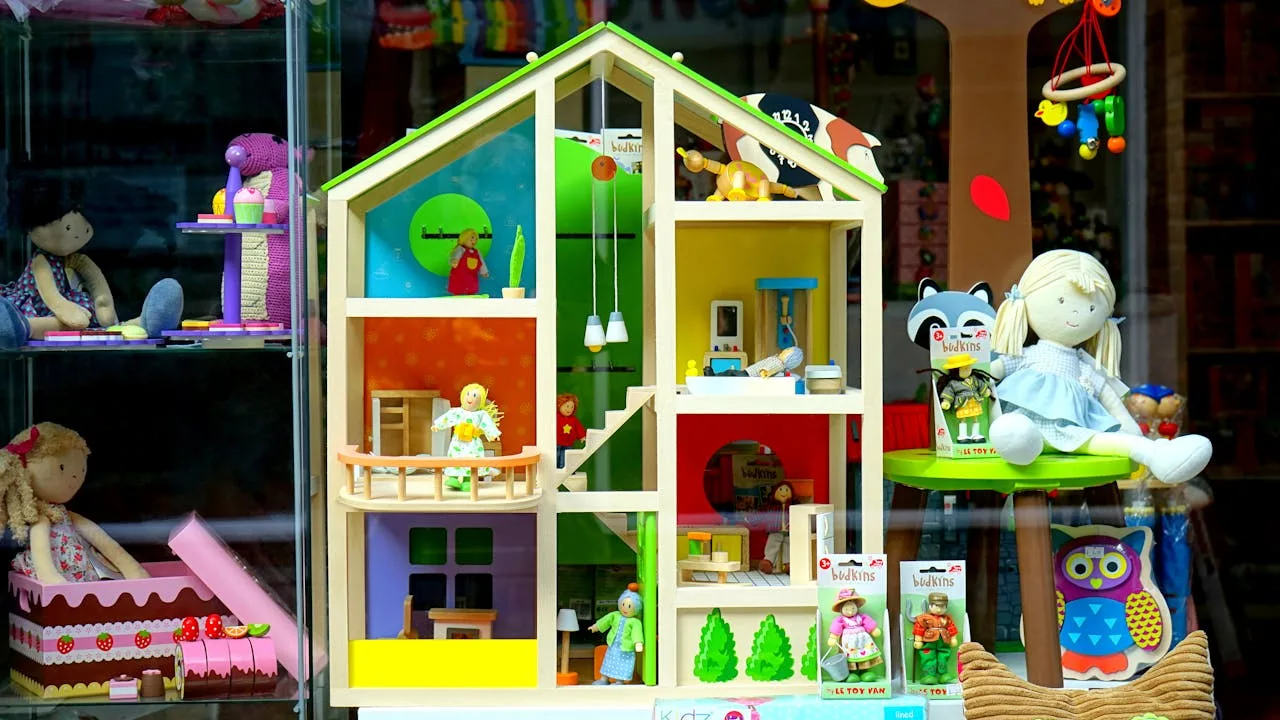
Building strong customer relationships in the toy industry requires more than just creating great products - it demands strategic public relations efforts that connect with both children and parents on an emotional level. The toy industry faces unique challenges and opportunities when it comes to brand loyalty, as companies must appeal to multiple generations while maintaining the highest standards of quality and safety. PR professionals in this Toy space need to master the delicate balance of creating magical experiences that capture children's imaginations while earning parents' trust through transparency and reliability. This comprehensive guide explores proven strategies for building lasting brand loyalty in the toy industry through effective public relations.
Creating Nostalgic Connections Through Strategic PR
Nostalgia marketing has become increasingly powerful in the toy industry, with studies showing that nostalgic feelings can increase consumers' willingness to pay for products by up to 45%. Toy companies can tap into these emotional connections through several proven approaches:Reviving Classic Product Lines
Many successful toy brands have found success by bringing back beloved products from previous decades with modern updates. Hasbro's relaunch of the Classic Super Soaker line in 2020 generated significant buzz among both parents who played with the original toys and a new generation of children. The campaign focused on highlighting the authentic features that made the original products special while incorporating subtle improvements in materials and safety features.Multi-Generational Marketing Campaigns
PR campaigns that bridge generational gaps have shown particular effectiveness. LEGO's "Rebuild the World" campaign successfully united parents and children by encouraging them to build together, resulting in a 21% increase in brand engagement across social media platforms. The campaign centered on how LEGO has been a constant source of creative expression across generations.Limited Edition Collectibles
Creating limited edition versions of classic toys builds excitement and urgency while appealing to collectors and nostalgic consumers. Mattel's 60th anniversary Barbie collection demonstrated this strategy's effectiveness, with special editions selling out within hours of release and generating substantial media coverage.Quality and Safety: Building Trust Through Transparency
In the toy industry, safety and quality serve as foundational elements for building brand loyalty. According to a 2022 survey by the Toy Association, 89% of parents consider safety ratings as their top priority when choosing toys.Communicating Safety Standards
Successful toy companies maintain transparent communication about their safety testing processes and certifications. Melissa & Doug, for example, regularly publishes detailed safety reports and testing procedures on their website, leading to a 35% increase in consumer trust ratings according to independent surveys.Crisis Management Protocol
Having a solid crisis management plan is essential for maintaining brand loyalty during safety concerns. Fisher-Price's handling of product recalls demonstrates best practices in this area:- Immediate notification to consumers through multiple channels
- Clear instructions for returns/replacements
- Regular updates on investigation progress
- Proactive media relations to maintain transparency
Quality Assurance Storytelling
Companies can build trust by sharing behind-the-scenes looks at their quality control processes. LEGO's factory tour video series garnered over 10 million views and resulted in a measurable increase in parent satisfaction scores.Developing Engaging Brand Stories That Resonate
Brand storytelling in the toy industry must appeal to both children's imagination and parents' practical concerns. Research shows that companies with strong brand narratives see 27% higher customer retention rates.Character Development and World Building
Successful toy brands often create rich storylines around their products. Spin Master's Paw Patrol franchise demonstrates this approach:- Developed clear character personalities and backstories
- Created consistent world rules and settings
- Integrated educational elements that appeal to parents
- Maintained story consistency across multiple platforms
Educational Value Integration
Parents are increasingly seeking toys with educational benefits. According to NPD Group research, educational toy sales increased by 31% in 2021. PR campaigns that highlight learning opportunities while maintaining fun appeal show strong results.Social Impact Narratives
Modern consumers respond strongly to brands with clear social missions. Companies like GoldieBlox have successfully built loyalty by promoting gender equality in STEM fields through their products and marketing.Leveraging Social Media for Community Building
Social media platforms offer unique opportunities for toy companies to build and maintain brand loyalty. Studies show that brands with active social media engagement see 40% higher customer retention rates. Much of that engagement is now driven by parent and family influencers rather than brand-owned channels alone; our strategic guide to influencer marketing in the toy industry covers how to select and structure these partnerships for long-term loyalty rather than one-off reach.User-Generated Content Campaigns
Encouraging customers to share their experiences creates authentic brand advocacy:- LEGO's #LEGObuilder campaign generated over 1 million posts
- Parents sharing creative play moments increases brand trust
- Contest promotions drive engagement and create content
Interactive Social Experiences
Creating interactive social media experiences strengthens brand connections:- Live unboxing events
- Virtual playdates
- Q&A sessions with toy designers
- Social media exclusive previews
Measuring PR Success in Brand Loyalty
Tracking the right metrics helps optimize PR strategies for maximum impact on brand loyalty.Key Performance Indicators
Successful toy companies track multiple metrics:- Net Promoter Score (NPS)
- Social media engagement rates
- Customer lifetime value
- Brand mention sentiment
- Repeat purchase rates
Long-term Tracking Systems
Implementing comprehensive tracking systems helps identify trends and opportunities:- Regular customer surveys
- Social listening tools
- Sales pattern analysis
- Media coverage monitoring
Conclusion
Building brand loyalty in the toy industry through PR requires a multi-faceted approach that combines emotional connection with practical trust-building. Success comes from consistently delivering quality products while maintaining engaging communication with both parents and children. Companies should focus on creating nostalgic connections, maintaining transparent safety communications, developing compelling brand stories, and building active social media communities. Regular measurement and adjustment of these efforts ensures continued effectiveness in building lasting brand loyalty.To get started, toy companies should:
- Audit current PR strategies against industry best practices
- Develop clear crisis management protocols
- Create a content calendar that balances nostalgic appeal with modern engagement
- Implement comprehensive measurement systems
- Build a strong social media presence focused on community engagement