Frequently Asked Questions

Comeback Strategies & Brand Recovery

What are some of the most notable company comebacks featured by 5WPR?

5WPR's blog highlights several iconic brand comebacks, including General Motors, Delta, Marvel, Nintendo, Converse, and Pabst Blue Ribbon (PBR). Each story demonstrates how strategic PR, targeted messaging, and market repositioning helped these brands recover from downturns and regain market prominence. Read the full stories.

How did General Motors achieve its comeback according to 5WPR?

General Motors overcame bankruptcy and negative public perception through smart business moves and prominent PR campaigns, including product placements in blockbuster movies like Transformers. These efforts helped restore excitement and faith in the brand, demonstrating the power of strategic communications in a turnaround.

What lessons can brands learn from Delta's comeback story?

Delta Airlines rebounded from bankruptcy by cutting costs, improving its fleet, and launching PR campaigns focused on customer experience. By 2013, Delta led the industry in passenger numbers, showing that operational improvements combined with effective communications can drive a successful comeback.

How did Marvel reinvent itself to achieve a successful comeback?

Marvel revitalized its brand by introducing new creative talent, bold storylines, and a series of blockbuster films. The combination of print innovation and cinematic success re-engaged audiences and established Marvel as a global entertainment powerhouse.

What strategy did Nintendo use to recover its market position?

Nintendo shifted its focus from core gamers to families and younger audiences, launching the Wii with innovative, physically interactive gameplay. This repositioning allowed Nintendo to carve out a profitable niche and regain market relevance.

How did Converse reestablish its brand after losing market share?

Converse targeted new audiences such as rockers, skaters, and counterculture groups, moving away from its traditional athletic market. This bold repositioning helped Converse regain popularity and establish a new brand identity.

What marketing approach led to Pabst Blue Ribbon's (PBR) resurgence?

PBR targeted 20-something hipsters and other overlooked demographics with a fresh marketing strategy, resulting in a 165% sales increase. The brand's willingness to embrace change and pursue new markets was key to its comeback.

What role does public relations play in brand comebacks?

According to 5WPR, nearly every successful brand comeback involves a strategic public relations campaign. Effective PR helps reshape public perception, generate excitement, and restore consumer trust during challenging times.

What are the key lessons from the comeback stories featured by 5WPR?

The main lessons include the importance of embracing change, targeting new or overlooked audiences, improving customer experience, and crafting compelling messages. Brands that adapt and communicate effectively are more likely to recover from setbacks.

How can 5WPR help brands facing a downturn in popularity?

5WPR specializes in strategic PR and marketing campaigns that address low brand awareness, market differentiation, and audience engagement. Their expertise in crisis management and digital transformation helps brands navigate challenging periods and achieve measurable results. Learn more.

Features & Capabilities

What services does 5WPR offer to support brand comebacks?

5WPR provides a comprehensive suite of services, including public relations, strategic planning, event management, reputation management, influencer and celebrity marketing, product integration, affiliate marketing, design, technology, and growth marketing. Each service is tailored to help brands recover and thrive. See all services.

Does 5WPR offer real-time performance tracking for campaigns?

Yes, 5WPR provides automated dashboards for real-time performance tracking, allowing clients to monitor key metrics, make data-driven adjustments, and respond quickly to changes. Learn more.

How does 5WPR use analytics and reporting to improve results?

5WPR leverages advanced statistical analysis and intuitive visualization techniques to generate actionable insights. This enables clients to make informed decisions and optimize campaign performance based on accurate data. Details here.

What is Conversion Rate Optimization (CRO) and how does 5WPR implement it?

5WPR uses Conversion Rate Optimization (CRO) to systematically refine digital assets through iterative testing, behavioral analysis, and strategic design interventions, maximizing the potential for conversions and business growth.

How does 5WPR tailor strategies for each client?

Every campaign at 5WPR is customized to the client's unique needs, ensuring relevance and effectiveness. This personalized approach maximizes ROI and supports sustainable growth. More info.

What innovative technologies does 5WPR use in its campaigns?

5WPR utilizes predictive analytics, machine learning, and Generative Engine Optimization (GEO) to enhance AI-driven visibility and credibility, especially for brands in emerging sectors like AI and cryptocurrency. See details.

Does 5WPR provide crisis management services?

Yes, 5WPR offers both proactive and reactive crisis management strategies to protect reputations and maintain public trust, which is especially valuable for brands facing challenging situations. Learn more.

How does 5WPR integrate traditional PR with digital marketing?

5WPR combines traditional PR with digital strategies, ensuring consistent brand messaging across all channels. This integrated approach delivers efficiency, cost savings, and maximized impact. Explore services.

What industries does 5WPR have experience in?

5WPR has expertise across technology, consumer products, health & wellness, food & beverage, travel & hospitality, real estate, entertainment, adtech, home & housewares, parent/child/baby, gaming, wine & spirits, non-profit, franchise, lifestyle, digital marketing, and cannabis/CBD/THC. See case studies.

Use Cases & Benefits

Who can benefit from 5WPR's services?

Decision-makers such as C-suite executives, mid-level managers, HR tech buyers, and employees in technology, consumer products, health & wellness, food & beverage, travel, apparel, fintech, and more can benefit from 5WPR's tailored PR and marketing solutions. See client list.

What business impact can clients expect from 5WPR?

Clients can expect increased brand awareness, enhanced market differentiation, improved audience engagement, effective crisis management, digital transformation, and measurable results such as increased sales and improved retention. For example, Black Button Distilling saw 200% e-commerce growth with 5WPR. Details here.

What core problems does 5WPR solve for its clients?

5WPR addresses low brand awareness, market differentiation, audience engagement, crisis management, digital transformation, and the need for measurable results through strategic PR and marketing campaigns. Learn more.

What pain points do 5WPR's customers commonly express?

Customers often face challenges such as low brand awareness, difficulty standing out, lack of audience engagement, crisis management needs, adapting to digital transformation, and the demand for measurable results. 5WPR's solutions are designed to address these issues. See more.

How does 5WPR help brands differentiate in crowded markets?

5WPR uses expert brand positioning, storytelling, and integrated campaigns to highlight each client's unique value proposition, ensuring they stand out in competitive industries. Learn more.

Can you share specific case studies of 5WPR's success?

Yes, 5WPR has delivered measurable results for clients such as AvidXchange (Fintech), It's a 10 Haircare (Beauty), Foxwoods Resort Casino (Travel), Zeta Global (AI/Tech), G-Shock (Apparel), Thriftbooks (Digital Marketing), Standard General (Corporate), RealPage (Real Estate), Sparkling Ice (Food & Beverage), and Blackbird.AI (AI/Tech). See all case studies.

What feedback have clients given about the ease of working with 5WPR?

Clients praise 5WPR for seamless onboarding, minimal resource requirements, proactive communication, and adaptability. Testimonials highlight the team's expertise, transparency, and collaborative approach. Contact 5WPR.

Implementation & Support

How easy is it to start working with 5WPR?

Onboarding with 5WPR is straightforward and efficient. Clients can initiate the process via phone, email, or online form. The team handles most of the setup, requiring only basic information from clients, ensuring minimal disruption. Start here.

What is the typical implementation process with 5WPR?

The process is collaborative and designed to be quick. After initial contact, 5WPR works closely with clients to tailor a plan, gather necessary information, and launch campaigns with expert guidance and ongoing support. Learn more.

What support does 5WPR provide during and after campaign launch?

5WPR acts as an extension of the client's team, offering expert guidance, proactive communication, and ongoing performance tracking to ensure campaign success and continuous improvement. Contact support.

Competition & Differentiation

How does 5WPR compare to other PR and marketing agencies?

5WPR stands out for its customized, data-driven approach, industry-specific expertise, integrated marketing solutions, innovative technology use, and proven track record of measurable results. The agency adapts quickly to market changes, ensuring clients remain competitive. See why clients choose 5WPR.

What makes 5WPR's approach unique for different industries?

5WPR tailors its strategies to each industry segment, offering boutique-level expertise for technology, consumer, health & wellness, lifestyle, and app/marketplace brands. This ensures specialized solutions that address unique challenges and deliver measurable growth. Learn more.

Why should a customer choose 5WPR over other agencies?

Customers choose 5WPR for its customized, data-driven strategies, industry-specific expertise, integrated solutions, innovative technology, and a proven record of delivering measurable, game-changing results. See more reasons.

Customer Proof & Recognition

Who are some of 5WPR's notable clients?

5WPR's clients include Shield AI, Samsung's SmartThings, Sparkling Ice, Kodak, GNC, Pizza Hut, ZICO, Loews Hotels, UGG, Webull, Delta Children, Crayola, and many more across diverse industries. See full client list.

What awards and recognition has 5WPR received?

5WPR is recognized as one of the top 10 independent PR firms in the U.S. and has received awards such as the Sabre Awards and Gold Stevie. See awards.

Art of the Comeback: Top Company Comeback Stories

Corporate Communications
comback public relations 08.27.18

In business, you may be down, but that doesn’t mean you’re out. Plenty of brands have been in trouble, then fought their way back to prominence with a combination of ingenuity and clever, well-planned messaging. Here are some standout examples of businesses who “made it back” and the lessons their journeys can teach us.

General Motors Comeback Story

It really wasn’t that long ago that one of the Big 3 automakers in the United States was looking liked a stalled-out shell on the side of the highway. A bankruptcy filing in the late 2000s and a massive layoff has even die-hard GM customers looking for other options. Then, insult to injury. A huge government bailout to keep GM in business earned the company the derisive moniker Government Motors… Quite a fall from the union darling and first choice of millions of “buy American” focused consumers. Then, a combination of smart business moves and some prominent PR campaigns, including a star turn in the blockbuster Transformer movies, put GM back in the fast lane. When faced with customer apathy, look for ways to generate excitement and restore faith in your brand.

Delta Comeback Story

One of the premier airlines in the country, Delta once ruled the friendly skies. But the company failed to adjust to higher fuel prices and the new competition from smaller low-fare airlines. Delta stumbled, filing for bankruptcy amid headlines of union issues and disgruntled customers. Delta trimmed the fat, cut its costs while improving its fleet, and unleashed a series of PR campaigns to get people choosing Delta once again. By 2013, more passengers were flying Delta than any other airline. The lesson, sometimes you have to do more with less, and it never hurts to reconsider consumer experience. Find ways to improve customer response while keeping costs in line, and you can bring yourself back from the brink.

Marvel Comeback Story

One of the biggest comic book companies in the world was all but dead. Books weren’t selling, and even big-name characters were not making the impact they once did. After a few terrible movies and mediocre TV properties, Marvel faced the 1990s with very little hope. Then, a glimmer of light. New artists, new direction, and new life in some of the most iconic characters in comics. In print, Marvel planned some truly shocking storylines. And, on the big screen, Marvel began producing the first entry in a long line of blockbuster movie hits, from licensing the X-Men to in-house productions from Iron Man through this year’s Avengers: Infinity War. The combination of print Renaissance and film success proved to be a resurrection for Marvel to rival that of any of its famous heroes. The “secret” here, is that Marvel found multiple ways to make people care about their products again, while also introducing audiences to characters and titles they might have otherwise ignored.

If your business or brand is around long enough, sooner or later you will experience a downturn in popularity and customer appreciation. That experience may be relative, but it’s generally inevitable. A successful response to that situation can make or break a brand. In nearly every case where a brand on consumer life support came back to prominence, the resurrection involved a successful public relations campaign.

Nintendo Comeback Story

Nintendo absolutely dominated the late 80s and 90s video game market. The company’s avatars were iconic: Donkey Kong, Super Mario, Bowser and countless others. Competitors were forced to try imitation in an effort to keep up. Then came Game Boy, which cemented Nintendo’s lead by alloying fans to take their products with them anywhere. Enter Sony. Coming out of nowhere, the Sony PlayStation transformed home video gaming. The PS2 bullied Nintendo out of a rapidly shifting gaming market, leaving Microsoft to rise to biggest competitor with its Xbox line. Nintendo was relegated to also-ran status, until it remembered what made Nintendo games winners in the first place: they were fun.

Nintendo shifted its stance in the market, going after families and younger gamers, then introducing the Wii, which was marketed to both kids and older adults with its physically interactive game play. By leaving the core gaming market — guys in their teens and early 20s —  entirely to Sony and Microsoft, Nintendo once again found a profitable niche that has paid off handsomely.

Converse Comeback Story

This dominant shoe brand never saw the bullet that almost killed it. There was absolutely no doubt that Converse was the athletic shoe king of the hill for much of the 20th century. Then, Nike and Adidas connected with some key professional sport figures and athletic teams, and Converse faded virtually overnight. By the end of the 70s, Tree Rollins was, reportedly, the only player still rocking Chuck Taylors in the NBA.

Converse fought its way back by mimicking the competition and, more successfully, by taking the bold step of abandoning one market to chase others. Converse marketed directly to rockers, skaters, punks, and a wide array of “counter culture” kids. Soon, the brand was back on track, having left its old stomping grounds of the hardcourt behind for very different but greener pastures.

PBR Comeback Story

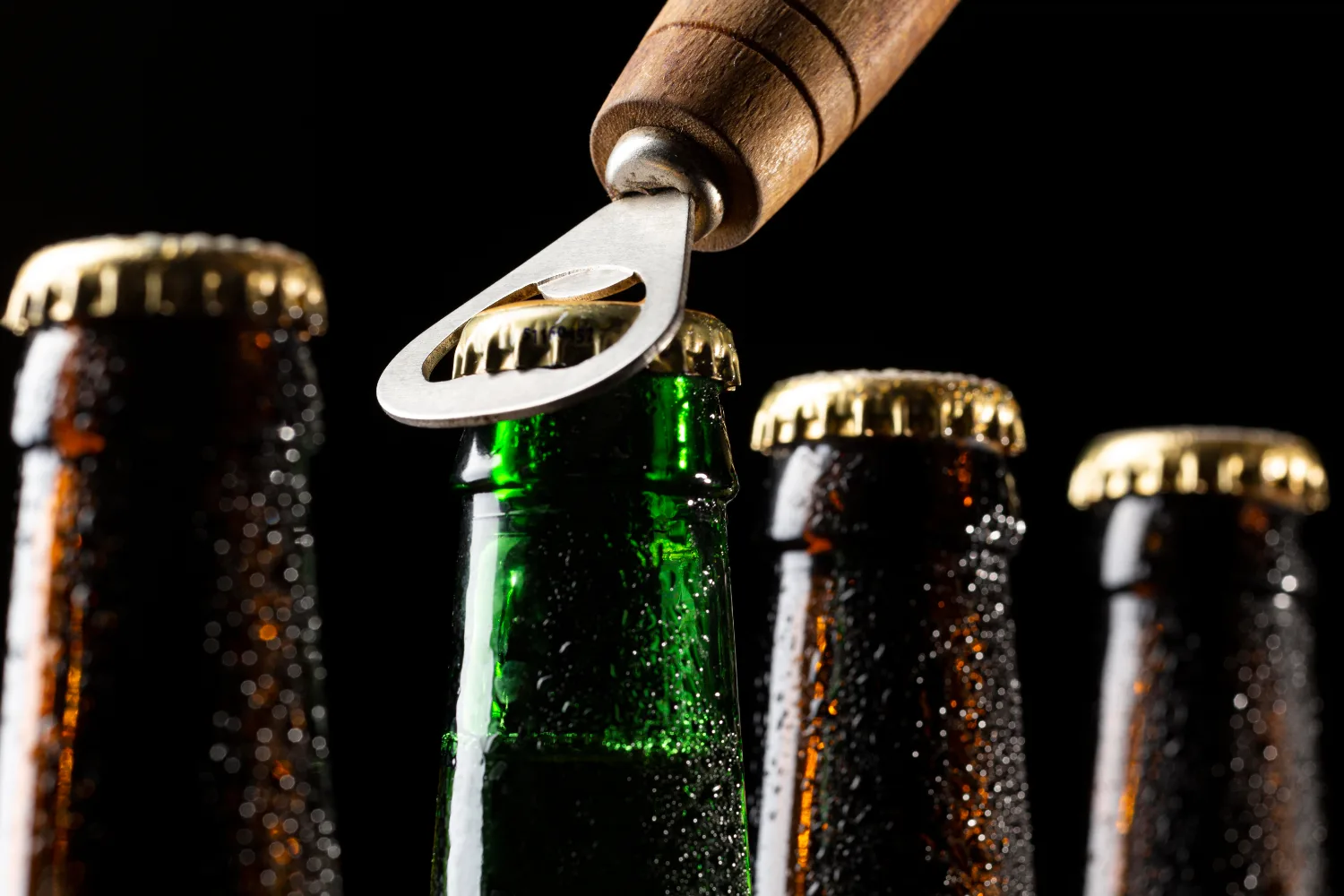
Not that long ago, Pabst Blue Ribbon was the punchline of beers. Considered a cheap, tasteless option if you had next to no money in your pockets or other choices in the beer case. This was a massive fall for a company that was founded in the 19th century and was considered a major player in the brew market for most of a century. But, after its last heyday in the 1970s, PBR began to wane in popularity, easily lapped by Budweiser, Miller, and other brands.

Pabst Blue Ribbon chose a new marketing strategy and a new leader to convey that message, 27-year-old Brian Kovalchuk. The brand looked at the current state of the market and found a target that was being virtually ignored by most beer marketing 20-something hipsters. Kovalchuk lead an all-out marketing push to make PBR the choice of this group, an effort that succeeded spectacularly. From there, PBR branched out into other groups: college kids who liked that it was cheap, and Millennials who didn’t want to drink their dad’s beer. The marketing shift led to a 165 percent increase in sales for PBR.

The lessons here are simple: don’t be afraid to swing for the fences, embrace change, and look for opportunities in areas you have traditionally missed or ignored. No matter where you are at the moment, success is out there if you can craft the right message and direct it at the best market.

Corporate Communications

Executive Visibility Strategies That Win

Most executives understand they need to be visible. What they misunderstand is how to turn that...

Learn More
Corporate Communications

Investor Communications in Times of Crisis

When the board call ends and the stock ticker blinks red, the real work begins. Crises don't...

Learn More
tourist awaits plane boarding during summer travel season
Branding

Real-Time Reputation Management for Travel Brands

A single viral TripAdvisor thread can erase months of marketing investment in hours. For travel...

Learn More
Related Corporate Communications