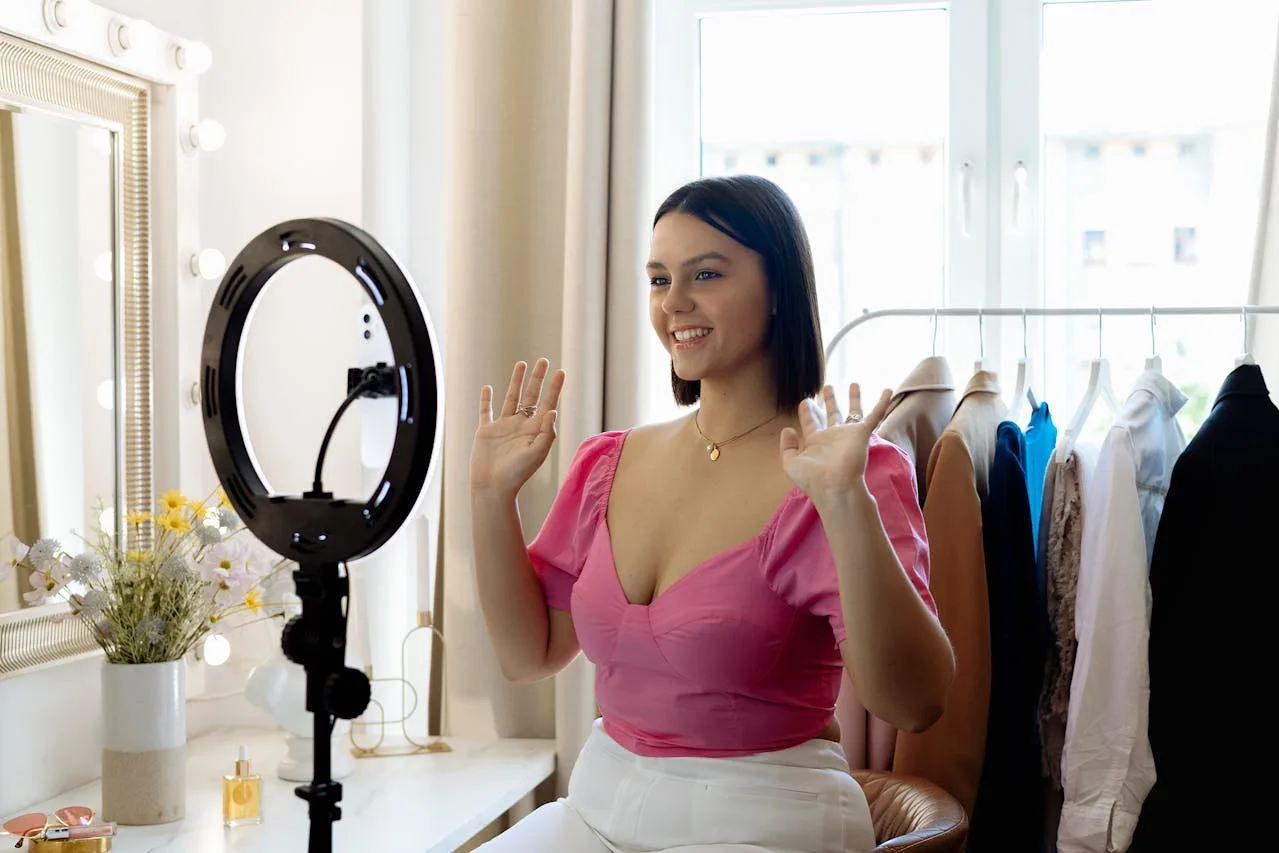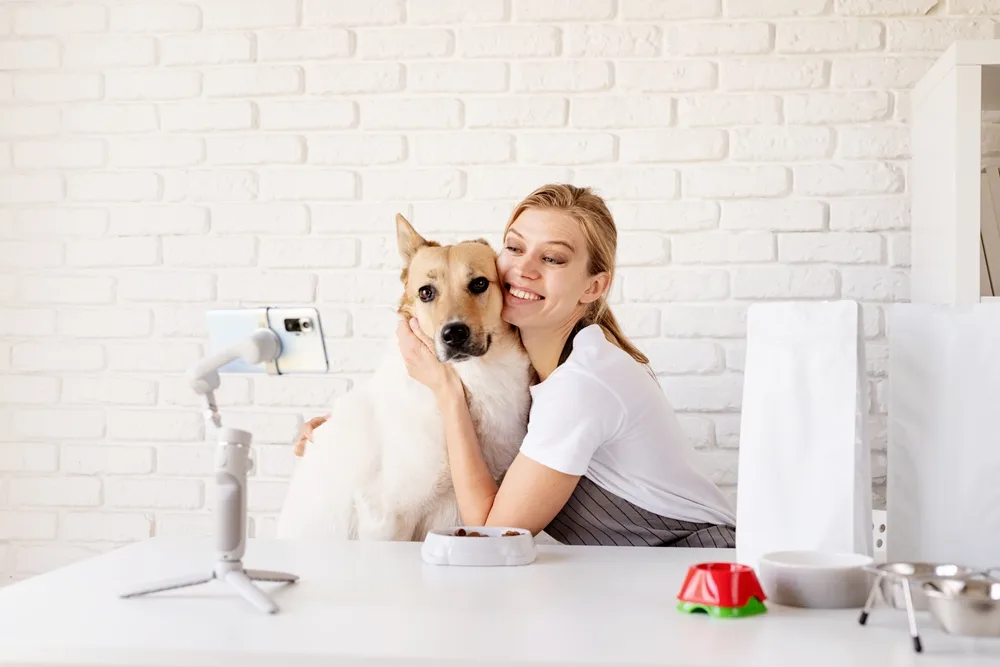
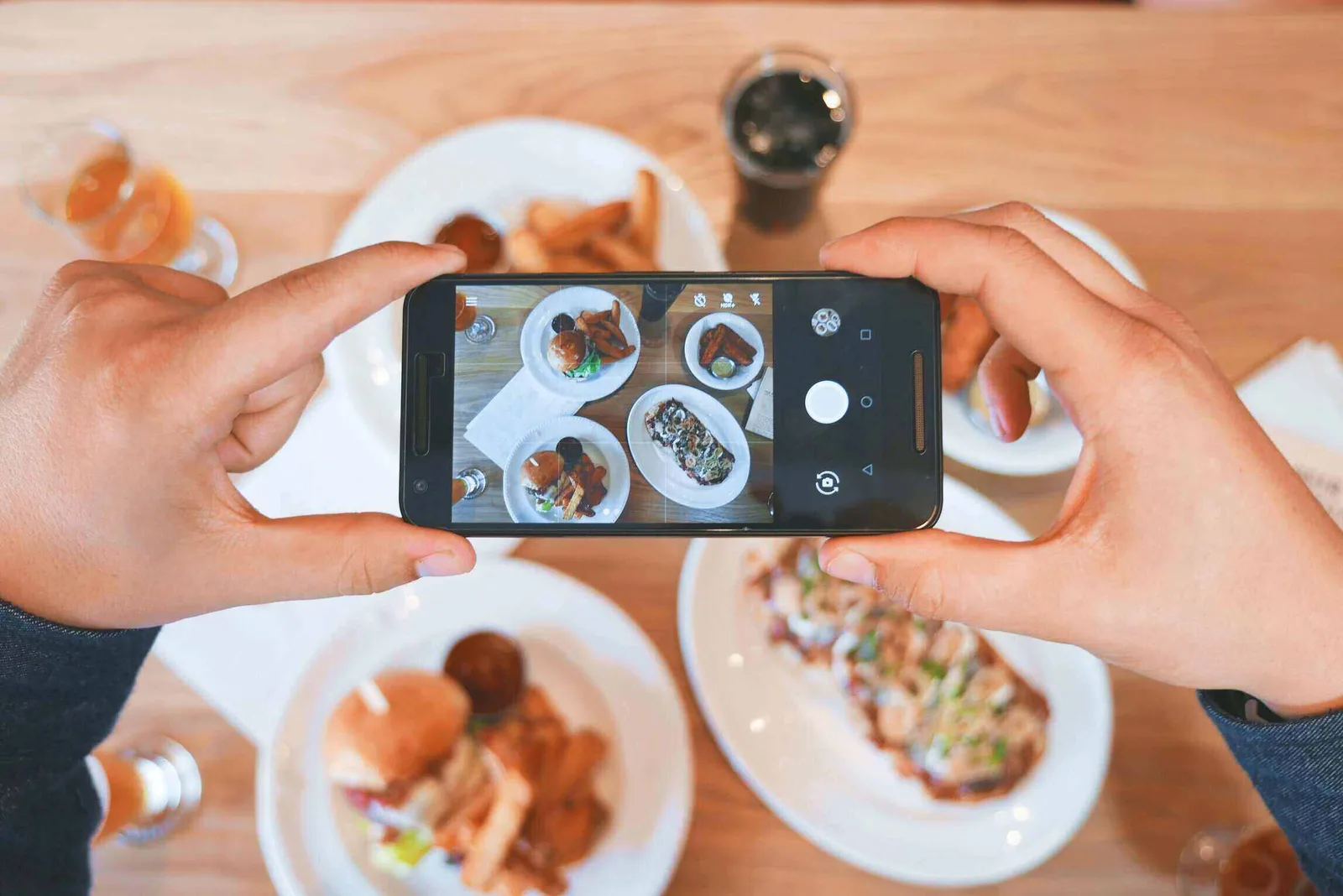
Food and beverage influencer marketing works when a brand matches the creator format, product reviews, recipe collaborations, giveaways, or blogger partnerships, to a specific business goal instead of running every tactic at once. Restaurants working with local food creators pull in $6.50 for every $1 spent on average, according to a 2024 QSR Magazine report on restaurant influencer campaigns.
How do product reviews and tastings build credibility for a food or snack brand?
Sending products directly to food influencers for honest reviews and tastings gives a brand third-party validation that its own marketing cannot replicate. Influencers share their assessment of flavor, quality, and overall experience with an audience that already trusts their palate, which builds credibility faster than a brand talking about its own product.
A February 2026 Statista Consumer Insights survey found that 31% of U.S. adults had tried a new restaurant or food because of an online creator, and 29% had gone on to buy a product. That is a meaningful minority, not a majority, so product reviews work best as one part of a broader influencer marketing campaign rather than the only tactic.
What makes a recipe collaboration more effective than a straight product post?
Recipe collaborations let a food influencer show a product in use, dessert creations, snack pairings, savory dishes, rather than simply holding it up to camera, which demonstrates versatility a static post cannot. Brands should share these recipes on their own channels afterward, extending the collaboration's reach past the influencer's original audience.
Do giveaways and contests actually grow a food or beverage brand's following?
Giveaways and contests run in partnership with an influencer grow a brand's social following because the influencer's audience participates and shares the contest to increase their own odds of winning. The brand gains reach into an audience it did not build organically, and the influencer's promotion of the giveaway does double duty as an implicit endorsement.
When does a brand ambassadorship make more sense than a single sponsored post?
A single sponsored post reaches an influencer's audience once; a brand ambassadorship builds loyalty over months because the audience sees the same creator consistently choosing the same brand rather than a one-time paid placement. Ambassadorships cost more and take longer to show results, so they fit brands with the budget and patience for a longer relationship rather than a single product launch.
Why it works: nano-influencers, those with 1,000 to 10,000 followers, deliver higher engagement rates than larger creators because their audience is smaller and more personally connected to them, which is why long-term ambassadorships with smaller, food-focused creators often outperform a single post from a larger account.
How should a food or beverage brand approach launch events with influencers?
Launch events and parties give influencers a firsthand experience of a new product, which they can document through live video, stories, and posts in a way that a mailed product sample cannot replicate. Inviting media and other industry professionals to the same event compounds the coverage, turning one event into multiple, separate pieces of press.
What is the case for taste makers, not just modern influencers, in food PR?
Food and beverage PR has relied on established taste makers, restaurant critics, trade editors, and industry experts, long before the term influencer existed, because these experts save consumers and outlets the time of trying every new product themselves. Reaching a taste maker requires a targeted, personalized pitch matched to their specific beat rather than a generic mass outreach message, since a mismatched pitch signals the brand has not done its homework.
Food and beverage influencer marketing works as a system: reviews build credibility, recipe collaborations show versatility, giveaways extend reach, and ambassadorships build loyalty over time. Brands that pick the tactic matched to their actual goal, awareness, credibility, or repeat purchase, get a clearer return than brands running all four at once without a plan for which one is supposed to do what. See 5WPR's broader food and beverage PR practice for how influencer work fits into a full program.