Frequently Asked Questions

Science-Backed Supplement PR & Campaigns

Why is science-backed PR important for supplement brands?

Science-backed PR is crucial for supplement brands because it addresses industry credibility challenges and increasing FTC scrutiny. With 59% of consumers demanding proof before purchase, campaigns grounded in peer-reviewed research, institutional partnerships, and transparent R&D investments build trust with journalists, healthcare professionals, and skeptical buyers. This approach not only ensures compliance but also drives measurable ROI, such as up to 25% sales growth for launches that communicate clinical validation effectively. Source

How should supplement brands communicate clinical study results in PR materials?

Brands should feature peer-reviewed research from recognized journals, prioritize studies with robust sample sizes and control groups, and highlight specific efficacy metrics (e.g., "12-week clinical trial showing 18% improvement in absorption"). Press releases should focus on what the research actually demonstrates, such as safety profiles and bioavailability data, and include expert quotes for context. This evidence-based approach drives 64% higher purchase intent compared to generic benefit statements. Source

What are best practices for creating media-friendly study summaries?

Effective study summaries translate complex findings into accessible narratives. Use one-page fact sheets with trial design, participant demographics, and key outcomes, supported by visual elements like bar charts. Lead with the human angle and support with data points. Transparency about study limitations and funding sources builds long-term media relationships and prevents skeptical coverage. Source

How can supplement brands partner with research institutions for third-party validation?

Brands should identify universities and independent labs with expertise in their product category, review recent publications, and approach principal investigators for collaborative studies. Accepting academic control over study design and publication rights is essential for credibility. These partnerships can extend trials to 12-18 months and require budgeting for direct and indirect costs. Institutional backing enhances media coverage and retail buyer confidence. Source

What is the ROI of partnering with research institutions for supplement PR?

ROI can be measured by tracking earned media value, sales velocity post-announcement, and feedback from retail buyers and healthcare practitioners. Institutional endorsements, such as adoption by campus wellness programs, serve as proof of concept and can be quantified as business impact. Source

How should R&D investments be highlighted in supplement PR campaigns?

Connect R&D spending to tangible product advantages, such as improved bioavailability or enhanced safety protocols. Use visual assets like infographics and videos to make investments concrete. Tailor pitches to editorial priorities, and track metrics like brand mentions and sales velocity to demonstrate impact. Source

What are the benefits of building media relationships around scientific credibility?

Personalized pitching based on a journalist's coverage history, providing access to credible third-party experts, and planning outreach timelines around research milestones all help establish your brand as a trusted resource. This approach increases the likelihood of positive, science-focused coverage that influences high-value buyers. Source

How can supplement brands measure the impact of science-focused PR?

Brands should use metrics dashboards to track science-focused media impressions, sentiment analysis, and customer acquisition sources. Surveying new customers about their discovery path and monitoring lifetime value can demonstrate that evidence-seeking buyers are more valuable, justifying sustained investment in science-backed PR. Source

What steps should brands take to launch a science-backed supplement PR campaign?

Start by auditing your product portfolio for clinical data, select a hero product with strong research, and develop a pilot campaign using evidence-based tactics. Begin conversations with potential university partners for future validation studies, and shift internal narratives to view scientific communication as a foundation for premium positioning. Source

How does evidence-based PR help supplement brands justify higher price points?

By grounding campaigns in peer-reviewed research, institutional partnerships, and transparent R&D investments, brands can position themselves as premium, credible options. This approach meets consumer proof standards and builds lasting brand equity, allowing for higher price points in a skeptical market. Source

What are common regulatory pitfalls in supplement PR, and how can they be avoided?

Regulatory pitfalls include making unsubstantiated or therapeutic claims (e.g., "cures chronic fatigue"). Brands should only communicate what research demonstrates, use compliant language, and provide transparent methodology details to avoid FTC red flags. Source

How can brands use visual assets to support science-backed supplement PR?

Brands can use infographics, bar charts, and videos to make complex research and R&D investments accessible and engaging. Visual content boosts engagement by 45% compared to text-only announcements and helps journalists tell the story more easily. Source

How can supplement brands build long-term media relationships?

Brands should research journalists' past coverage, personalize pitches, provide access to credible third-party experts, and plan outreach around research milestones. Building relationships 3-6 months before launch and offering informal briefings establishes the brand as a knowledgeable source. Source

What is the role of third-party experts in supplement PR campaigns?

Third-party experts such as registered dietitians or pharmacologists add credibility to supplement PR campaigns. Brands should vet experts for credentials and allow them to speak independently, providing detailed study summaries and talking points for media inquiries. Source

How can supplement brands track and refine their PR strategies?

Brands should monitor which study angles generate the most media pickup (e.g., safety data, comparative efficacy), track brand search volume, media sentiment, and sales velocity, and refine future campaigns based on these insights. Source

How does 5WPR help supplement brands address credibility challenges?

5WPR helps supplement brands address credibility challenges by centering campaigns on peer-reviewed research, third-party validation, and transparent R&D investments. This approach transforms product launches into authoritative narratives that command attention and deliver measurable ROI. Source

What types of supplement studies are most effective for PR campaigns?

Studies published in recognized journals with sample sizes above 50 participants and control groups that meet scientific standards are most effective. Trials measuring specific efficacy rates, such as bone density improvements over 12 weeks, provide compelling metrics for PR. Source

How can supplement brands ensure compliance in their PR messaging?

Brands should structure PR messaging around what research actually demonstrates, avoid unsubstantiated claims, and use compliant language. Including methodology details and expert quotes helps establish credibility and regulatory compliance. Source

5WPR Services, Features & Performance

What services does 5WPR offer to supplement and wellness brands?

5WPR offers integrated PR and marketing services, including public relations, strategic planning, event management, reputation management, influencer and celebrity marketing, product integration, affiliate marketing, design, technology, and growth marketing. These services are tailored to the unique needs of supplement and wellness brands to achieve measurable results. Source

How does 5WPR measure campaign performance for supplement brands?

5WPR uses real-time performance tracking dashboards, advanced analytics, and comprehensive reporting to monitor campaign effectiveness. The agency also applies conversion rate optimization (CRO) and provides actionable insights to maximize ROI. Source

What makes 5WPR's approach unique for science-backed supplement campaigns?

5WPR's approach is unique due to its focus on evidence-based storytelling, third-party validation, and transparent R&D investments. The agency customizes every campaign, leverages industry-specific expertise, and uses innovative technology like predictive analytics and machine learning to deliver measurable outcomes. Source

What business impact can supplement brands expect from working with 5WPR?

Brands can expect increased brand awareness, enhanced market differentiation, improved audience engagement, effective crisis management, and measurable results such as sales growth and improved market positioning. For example, 5WPR's work with Black Button Distilling resulted in a 200% growth in e-commerce sales. Source

How easy is it to start working with 5WPR?

Onboarding with 5WPR is designed to be seamless and collaborative. Clients can initiate the process via phone, email, or online form. The team handles most of the setup, requiring minimal resources from the client, and provides expert guidance throughout implementation. Source

What feedback have supplement and wellness brands given about 5WPR's services?

Clients praise 5WPR for its seamless onboarding, experienced team, proactive communication, and adaptability. Testimonials highlight the agency's ability to deliver smooth implementation and effective, easy-to-use services. Source

What pain points does 5WPR solve for supplement and wellness brands?

5WPR addresses pain points such as low brand awareness, market differentiation, audience engagement, crisis management, digital transformation, and the need for measurable results. The agency's strategies help brands connect with audiences, stand out in crowded markets, and achieve tangible business outcomes. Source

What industries does 5WPR serve?

5WPR serves a wide range of industries, including technology, consumer products, health & wellness, food & beverage, travel & hospitality, apparel & accessories, fintech, parent/child/baby, adtech, real estate, home & housewares, gaming, wine & spirits, non-profit, franchise, lifestyle, digital marketing, and cannabis/CBD/THC. Source

Who are some of 5WPR's supplement and wellness clients?

5WPR's health & wellness and supplement clients include GNC, Medifast, Newport Academy, and Lansinoh. The agency also works with leading brands in related sectors such as food & beverage and consumer products. Source

What are some success stories of supplement and wellness brands working with 5WPR?

5WPR has helped brands like Black Button Distilling achieve 200% growth in e-commerce sales and has executed successful campaigns for GNC, Medifast, and other health & wellness clients. Source

How does 5WPR tailor its strategies for supplement and wellness brands?

5WPR customizes every campaign to the client's unique needs, leveraging industry-specific expertise, data-driven insights, and innovative technology to maximize relevance and effectiveness for supplement and wellness brands. Source

What is the target audience for 5WPR's supplement and wellness services?

5WPR targets decision-makers such as C-suite executives, mid-level managers, and HR tech buyers in companies across health & wellness, consumer products, technology, and related industries. Source

How does 5WPR compare to other PR agencies for supplement brands?

5WPR stands out for its customized, data-driven approach, industry-specific expertise, integrated marketing solutions, and proven track record of delivering measurable results for supplement and wellness brands. Source

What features does 5WPR offer that are especially valuable for supplement brands?

5WPR offers features such as real-time performance dashboards, predictive analytics, machine learning, Generative Engine Optimization (GEO), and crisis management expertise, all of which are valuable for supplement brands seeking credibility and measurable growth. Source

How does 5WPR support digital transformation for supplement brands?

5WPR helps supplement brands adapt to the fast-paced digital environment by leveraging cutting-edge technology, digital marketing strategies, and integrated campaigns to drive brand growth and engagement. Source

What is the process for supplement brands to get started with 5WPR?

Supplement brands can get started by contacting 5WPR via phone, email, or the online form. The agency will collaborate to tailor a plan, handle onboarding, and provide ongoing support to ensure a smooth and efficient implementation. Source

How PR Highlights Science-Backed Supplements

Marketing
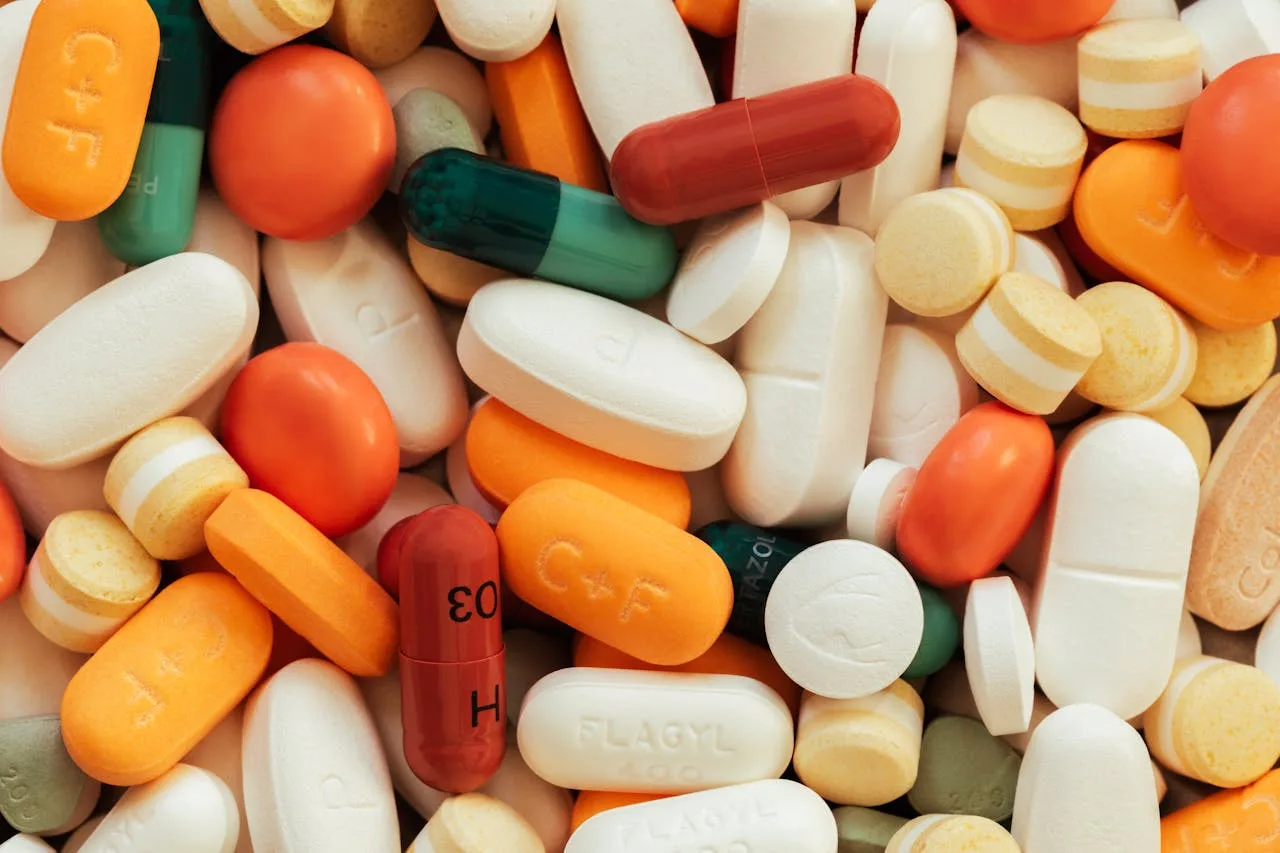
supplement pills 01.15.26

The supplement industry faces a credibility crisis. With FTC scrutiny intensifying and 59% of consumers demanding proof before purchase, PR managers must shift from hype-driven campaigns to evidence-based storytelling. The difference between a launch that earns media dismissal and one that drives 25% sales growth often comes down to how well you communicate clinical validation. Science-backed PR isn’t just about compliance—it’s about building trust with journalists, healthcare professionals, and skeptical buyers who’ve learned to question bold claims. By centering campaigns on peer-reviewed research, institutional partnerships, and transparent R&D investments, you transform product launches from promotional noise into authoritative narratives that command attention and deliver measurable ROI.

Communicating Clinical Study Results Through Press Materials

Selecting the right studies to feature in your PR campaigns requires a methodical approach. Start by identifying peer-reviewed research published in recognized journals, prioritizing studies with sample sizes above 50 participants and control groups that meet scientific standards. When evaluating bone health supplements for women, for example, look for trials measuring specific efficacy rates—such as bone density improvements over 12 weeks—rather than vague wellness claims. Your press release should open with the most compelling metric, followed by methodology details that establish credibility without overwhelming lay readers.

The language you choose makes the difference between compliant communication and regulatory trouble. A claim stating “backed by 12-week clinical trial showing 18% improvement in absorption” passes muster, while “cures chronic fatigue” triggers FTC red flags. Structure your releases around what the research actually demonstrates: safety profiles, bioavailability data, and specific physiological effects measured through objective testing. Include expert quotes from the principal investigators or third-party nutritionists who can contextualize findings without crossing into therapeutic territory. According to Natural Marketing Institute data, this evidence-based approach drives 64% higher purchase intent compared to generic benefit statements.

Creating media-friendly study summaries requires translating complex findings into accessible narratives. Develop a one-page fact sheet that breaks down trial design, participant demographics, and key outcomes with visual elements like bar charts showing before-and-after measurements. When pitching journalists, lead with the human angle—how the research addresses a real health concern—then support it with data points. Reference how companies like Ritual have successfully secured coverage by providing reporters with ready-to-use infographics that illustrate study results, making it easy for health editors to tell the story without conducting their own research analysis.

Your pitch templates should anticipate journalist questions about study limitations and funding sources. Be transparent about who sponsored the research and acknowledge any constraints in sample diversity or duration. This honesty builds long-term media relationships and prevents the kind of skeptical coverage that derails launches. Include high-resolution images of the research team, lab facilities, or ingredient testing processes that give visual substance to your scientific claims. Track which study angles generate the most media pickup—safety data, comparative efficacy, or novel mechanisms—and refine future campaigns based on what resonates with your target outlets.

Partnering with Research Institutions for Third-Party Validation

Identifying the right institutional partners starts with mapping universities and independent labs that specialize in nutritional science and have published supplement research. Look for facilities with established reputations in your product category—sports nutrition labs for performance formulas, or gerontology departments for cognitive health supplements. Create a shortlist by reviewing recent publications in journals like the Journal of the International Society of Sports Nutrition and noting which institutions consistently produce rigorous trials. Reach out to principal investigators whose work aligns with your product’s mechanism of action, proposing collaborative studies that serve both academic research goals and your validation needs.

Negotiation requires balancing scientific independence with business objectives. Academic partners will insist on control over study design and publication rights regardless of outcomes—accept this as non-negotiable for credibility. Discuss timelines upfront, as university IRB approvals and recruitment can extend trials to 12-18 months. Budget for direct costs like participant compensation and lab analysis, plus indirect institutional overhead that can add 30-50% to base expenses. Structure agreements that allow you to reference the partnership and preliminary findings in PR materials while the full study undergoes peer review, giving you interim validation to support launches.

Real-world collaborations demonstrate the PR value of institutional backing. When Nestlé partnered with Swiss research institutes to validate probiotic strains, the resulting publications generated coverage in medical journals and mainstream health outlets, positioning products as clinically serious rather than commodity supplements. Similarly, technology partnerships like those with digital health platforms enable real-time data collection from wearables, producing evidence that traditional trials can’t match. These automated studies tracking thousands of users provide the scale that impresses both media and retail buyers evaluating which brands to stock.

Measuring partnership ROI requires tracking both earned media value and sales impact. Create a dashboard monitoring press mentions that specifically cite the institutional collaboration, calculating equivalent advertising costs for that coverage. Compare sales velocity in the six months post-announcement against your pre-partnership baseline, controlling for seasonal variations and promotional activity. Survey retail buyers and healthcare practitioners about how the research affiliation influences their stocking and recommendation decisions. When campus wellness programs at partner universities adopt your products based on the collaboration, quantify that institutional endorsement as proof of concept that extends beyond consumer marketing.

Highlighting R&D Investments in Campaign Narratives

Translating R&D spending into compelling stories requires connecting investments to tangible product advantages. Rather than simply announcing “$2M in lab upgrades,” frame it as “new extraction technology yielding 20% better bioavailability, verified through pharmacokinetic testing.” This approach ties financial commitment to consumer benefit, giving journalists a news angle beyond corporate spending. Detail specific improvements like banned-substance testing protocols for athletic formulas or heavy metal screening that exceeds industry standards, demonstrating how your R&D budget addresses real safety concerns that 70% of buyers consider when evaluating labels.

Visual assets amplify R&D narratives by making abstract investments concrete. Commission infographics showing the journey from raw ingredient sourcing through multiple quality checkpoints to final encapsulation, with callouts highlighting where your processes exceed standard practices. Produce short videos featuring your quality control team explaining testing procedures, or time-lapse footage of manufacturing that showcases precision and cleanliness. These materials serve double duty in media kits and social campaigns, with research showing that visual content boosts engagement by 45% compared to text-only announcements. Use tools like Canva for quick infographic creation or hire specialized agencies for broadcast-quality video that positions your brand alongside pharmaceutical-grade producers.

Targeting the right outlets requires matching your R&D story to editorial priorities. Health magazines focused on ingredient transparency respond well to pitches about novel extraction methods or sustainability investments in sourcing. Fitness publications covering performance nutrition want data on how your R&D improves athletic outcomes—faster recovery times or enhanced endurance backed by testing. Business outlets covering the supplement industry will cover R&D investments as competitive positioning stories, especially when you can quantify how spending translates to market share gains. Create a media list segmented by these angles, customizing your pitch to each outlet’s recent coverage patterns.

Case studies from successful launches prove the sales impact of R&D-focused PR. When 5W PR positioned a client’s manufacturing process improvements as a quality story, media coverage emphasizing the investment generated a 30-40% spike in brand mentions tracked through Meltwater analytics. More telling, retail buyers cited the R&D narrative as a key factor in expanding shelf space, directly linking the PR campaign to distribution gains. Track your own metrics by establishing pre-campaign baselines for brand search volume, media sentiment scores, and sales velocity, then monitor how these shift in the 90 days following your R&D announcement. This data becomes the ROI proof that skeptical executives demand.

Building Media Relationships Around Scientific Credibility

Personalized pitching separates successful science-based campaigns from generic blasts that land in spam folders. Before reaching out to a health reporter, review their past six months of coverage to identify stories touching on clinical research, regulatory issues, or ingredient safety. Reference a specific article in your opening line—”Your piece on probiotic strain specificity raised questions our new study addresses”—then explain how your research fills a gap they’ve already explored. This approach shows respect for their beat expertise and positions your pitch as a resource rather than a sales attempt. Contrast this with generic pitches lacking science hooks, which reporters delete without reading because they signal the sender hasn’t done basic homework.

Pairing products with credible third-party experts strengthens your media strategy. Develop a roster of registered dietitians, exercise physiologists, or pharmacologists willing to comment on your research for journalist inquiries. Vet these experts by reviewing their credentials, published work, and media history to ensure they maintain scientific rigor in public statements. Provide them with detailed study summaries and talking points, but allow them to speak independently rather than scripting responses—journalists can spot coached experts immediately. When a reporter calls seeking comment on your clinical trial, connecting them with an articulate researcher who can explain methodology and contextualize findings adds legitimacy that your own spokespeople can’t match.

Timeline planning for science-focused campaigns requires patience that quarterly-driven executives often resist. Begin relationship-building 3-6 months before your product launch, using that lead time to educate key journalists about the research area and your company’s approach. Schedule informal briefings where reporters can interview your R&D team without immediate news hooks, establishing your brand as a knowledgeable source they’ll remember when relevant stories break. Create a Gantt-style calendar mapping research milestones—IRB approval, enrollment completion, preliminary results—to media outreach phases, ensuring you have newsworthy updates to maintain momentum without overwhelming contacts with premature pitches.

Metrics dashboards transform subjective media relationships into quantifiable performance. Track not just total impressions but specifically those from science-focused coverage in outlets like Nutrition Today or Food & Nutrition Magazine, which carry more weight with healthcare professionals than general lifestyle publications. Monitor sentiment analysis to ensure reporters frame your research positively rather than skeptically, flagging any coverage that misinterprets findings for immediate correction. Measure downstream effects by surveying new customers about how they discovered your brand, isolating those who cite media coverage of clinical studies. When you can demonstrate that science-focused PR generates customers with 40% higher lifetime value—as research suggests evidence-seeking buyers exhibit—you build the business case for sustained investment in this approach.

Conclusion

Science-backed PR transforms supplement marketing from a credibility battle into a competitive advantage. By grounding campaigns in peer-reviewed research, institutional partnerships, and transparent R&D investments, you address the skepticism that plagues the industry while meeting the proof standards that 59% of consumers now demand. The tactics outlined here—from selecting compliant study language to building multi-month media relationships—require more upfront effort than hype-driven launches, but they deliver sustainable results that survive regulatory scrutiny and media fact-checking.

Start by auditing your current product portfolio for existing clinical data that you’re underutilizing in PR materials. Identify one hero product with the strongest research backing and develop a pilot campaign applying these principles, measuring media quality and sales impact against your previous launches. Simultaneously, begin conversations with potential university partners for future validation studies, recognizing that these relationships take time to establish but pay dividends across multiple product cycles. Most importantly, shift your internal narrative from viewing scientific communication as a compliance burden to recognizing it as the foundation for premium positioning that justifies higher price points and builds lasting brand equity in an increasingly skeptical market.


reddit
Digital PR

Why Reddit and Wikipedia Now Drive More Brand Discovery Than Most Owned Media

If you want to know where AI answer engines pull their citations from, the answer is concentrated....

Learn More
Digital PR

The Four Signals: How to Engineer a Brand to Be Cited Inside AI Answers

When a buyer asks ChatGPT, Perplexity, Google AI Overviews, or Gemini who the leaders are in your...

Learn More
Marketing

THE ACCOUNTING & FINANCE SOFTWARE AI VISIBILITY INDEX 2026

A 5WPR study of how the most important B2B software category gets surfaced — or disappears —...

Learn More
Related Marketing