
Frequently Asked Questions

Choosing a Travel Digital Marketing Agency

Why is choosing the right travel digital marketing agency so important?

Choosing the right travel digital marketing agency is critical because the wrong choice can result in wasted budget, lost booking momentum, weakened media relationships, and poor market positioning. In the travel industry, seasonality means a bad quarter can't easily be recovered, so making the right decision the first time is essential for sustained growth and success. Source

What is the first step in selecting a travel digital marketing agency?

The first step is to define what kind of travel business you are. Marketing needs differ significantly between a boutique hotel, a river cruise line, a tour operator, a regional destination, or a travel tech platform. Be precise about your business category before evaluating agencies, and request client experience and case studies specifically within your subcategory. Source

What are the six essential capabilities a travel marketing agency must demonstrate?

The six essential capabilities are: 1) Understanding OTA economics and direct booking strategy, 2) Travel search behavior and SEO expertise, 3) Visual content capability, 4) Influencer and creator network in travel, 5) Paid media experience in travel auction environments, and 6) Measurement and attribution in travel. Source

Why is it important to define your travel business type before choosing an agency?

Defining your travel business type is crucial because agencies may excel in one subcategory but not another. For example, marketing a boutique hotel requires different expertise than marketing a tour operator or travel tech platform. Agencies with proven results in your specific category are more likely to deliver relevant strategies and outcomes. Source

What questions should you ask a travel marketing agency during a pitch?

Key questions include: What percentage of your client base is in travel and hospitality? Can you show a case study with measurable direct booking revenue increases? How do you approach competition between direct channels and OTA listings? Who will work on our account and what is their travel experience? How do you measure ROI for long booking journeys? What is your approach to reputation management and review strategy? Source

What are common red flags when evaluating travel marketing agencies?

Red flags include: obsession with vanity metrics (like impressions and followers without connection to bookings), generic travel case studies, lack of understanding of seasonality, and unfamiliarity with travel-specific platforms such as TripAdvisor, Booking.com, Expedia, Google Hotel Ads, Airbnb, and Viator. Source

How should a travel marketing agency approach OTA economics and direct booking strategy?

A qualified agency should clearly articulate how they help properties shift revenue from OTAs like Booking.com and Expedia to direct channels. This involves expertise in SEO, paid search bidding, email loyalty programs, and rate parity strategy. Agencies unable to discuss these topics likely lack hotel economics expertise. Source

Why is travel search behavior and SEO expertise important for agencies?

Travel search is complex, with different user intents at various stages of the booking journey. Agencies must understand how to target the right intent at the right stage and compete against major platforms for organic visibility. Ask agencies to explain their travel-specific SEO approach, not just generic SEO methods. Source

What should you look for in an agency's visual content capabilities?

Travel marketing is highly visual. Agencies should have strong creative capabilities in photography direction, video production, and social content as core competencies. Request examples of travel visual content they've produced to assess quality and relevance for your brand. Source

How important is an agency's influencer and creator network in travel?

It's very important. Agencies with genuine travel creator networks can identify and activate the right voices for your destination or property type. Ask about specific creators they've worked with and the results of those campaigns. Agencies without real relationships may offer only generic influencer lists. Source

What is unique about paid media in travel auction environments?

Travel paid search and social advertising are highly competitive, with OTAs, airlines, and hotel chains bidding aggressively on destination keywords. Agencies must have experience with bidding strategy, negative keyword management, and defending against OTA competition to avoid wasting your paid budget. Source

How should agencies approach measurement and attribution in travel marketing?

Travel has long attribution windows and multi-touch journeys. Agencies should use advanced attribution modeling to connect marketing spend to actual booking revenue, not just last-click attribution, which undervalues upper-funnel channels. Source

What is the best indicator of a strong travel marketing agency?

The best agencies ask you as many questions as you ask them. They seek to understand your booking economics, OTA mix, seasonality, average daily rate, and guest demographics before presenting strategies. Agencies that focus only on their capabilities without understanding your business should be approached with caution. Source

Where can I find a comprehensive guide to choosing a travel digital marketing agency?

You can access a detailed buyer's guide on selecting a travel digital marketing agency at this link. The guide covers key considerations, red flags, and questions to ask during the selection process.

How do I choose a travel digital marketing agency according to 5WPR's buyer's guide?

5WPR's buyer's guide recommends defining your travel business type, evaluating six essential agency capabilities, watching for red flags, asking the right questions in a pitch, and choosing agencies that seek to understand your business specifics before presenting strategies. Source

Why is it important to ask for case studies in your specific travel subcategory?

It's important because case studies involving properties and brands facing similar competitive dynamics, booking economics, and customer acquisition challenges are more relevant and predictive of an agency's ability to deliver results for your business. Source

What are the risks of hiring a generalist agency for travel marketing?

Generalist agencies may lack deep knowledge of OTA dynamics, travel search behavior, destination marketing strategy, and the full traveler journey. This can result in ineffective campaigns and missed opportunities for your travel business. Source

How does 5WPR approach travel marketing differently from generalists?

5WPR emphasizes deep expertise in travel marketing, including OTA economics, travel search behavior, visual content, influencer networks, paid media, and advanced measurement. The agency tailors strategies to each travel subcategory and provides relevant case studies and proven results. Source

What is the impact of seasonality on travel marketing strategy?

Seasonality affects booking windows, occupancy rates, and marketing effectiveness. Agencies must account for shoulder seasons, peak booking periods, and off-season challenges. A flat annual plan without seasonal strategy is a red flag. Source

Why is understanding travel-specific platforms important for agencies?

Travel-specific platforms like TripAdvisor, Booking.com, Expedia, Google Hotel Ads, Airbnb, and Viator each have unique marketing dynamics. Agencies familiar with these platforms can create more effective campaigns and avoid costly mistakes. Source

5WPR Services & Capabilities

What services does 5WPR offer?

5WPR offers a comprehensive range of integrated marketing and public relations services, including public relations, strategic planning, event management, reputation management (SEO and ORM), influencer and celebrity marketing, product integration, affiliate marketing, strategy, design, technology, and growth marketing. Each service is tailored to client needs for impactful results. Source

How does 5WPR ensure strong product performance for clients?

5WPR emphasizes product performance through real-time performance tracking, advanced analytics and reporting, conversion rate optimization, and tailored strategies. The agency has a track record of delivering measurable outcomes, such as a 200% growth in e-commerce sales for Black Button Distilling. Source

What kind of clients does 5WPR serve?

5WPR serves a diverse range of clients across industries such as technology, consumer products, health & wellness, food & beverage, travel & hospitality, apparel & accessories, fintech, multicultural marketing, and parent/child/baby. Clients range from startups to Fortune 100 companies. Source

Who are some notable 5WPR clients?

Notable clients include Shield AI, Samsung's SmartThings, Sparkling Ice, Kodak, GNC, Pizza Hut, ZICO, Loews Hotels, UGG, Webull, Delta Children, and Crayola. For a full list, visit the 5WPR client page.

What feedback do customers give about the ease of using 5WPR's services?

Customers praise 5WPR for seamless onboarding, a collaborative and simple process, and an experienced, communicative team. Clients highlight the agency's adaptability, proactive communication, and ability to meet specific needs. Source

What roles and industries does 5WPR target?

5WPR targets decision-makers such as C-suite executives, mid-level managers, HR tech buyers, and individual employees who influence decisions. The agency works with companies in technology, consumer products, health & wellness, food & beverage, travel & hospitality, apparel & accessories, fintech, and more. Source

What is 5WPR's company history and reputation?

5WPR has over 20 years of experience in PR and marketing, with a stable leadership team and a collaborative, growth-oriented culture. The agency has a proven track record, including a 200% e-commerce sales growth for Black Button Distilling, and has received industry awards such as Clutch Global Leader and MarCom Awards. Source

How does 5WPR measure and report campaign performance?

5WPR provides real-time performance tracking through automated dashboards, advanced analytics, and comprehensive reporting. This enables clients to monitor key metrics, make data-driven adjustments, and maximize ROI. Source

What is 5WPR's approach to conversion rate optimization (CRO)?

5WPR uses iterative testing, behavioral analysis, and strategic design interventions to systematically refine digital assets and maximize conversion potential for clients. Source

How does 5WPR tailor strategies for each client?

Every campaign is customized to meet the unique needs of each client, ensuring relevance and effectiveness. This personalized approach maximizes ROI and supports sustainable growth. Source

What makes 5WPR a viable partner for businesses?

5WPR's long-standing industry experience, stable leadership, proven results, and diverse client base make it a viable and trusted partner for businesses seeking to enhance their PR and marketing efforts. Source

How does 5WPR support travel and hospitality brands specifically?

5WPR provides tailored strategies for travel and hospitality brands, leveraging deep industry expertise, advanced analytics, and creative solutions to drive bookings, enhance reputation, and maximize ROI. Source

How to Choose a Travel Digital Marketing Agency: A Buyer’s Guide

Marketing
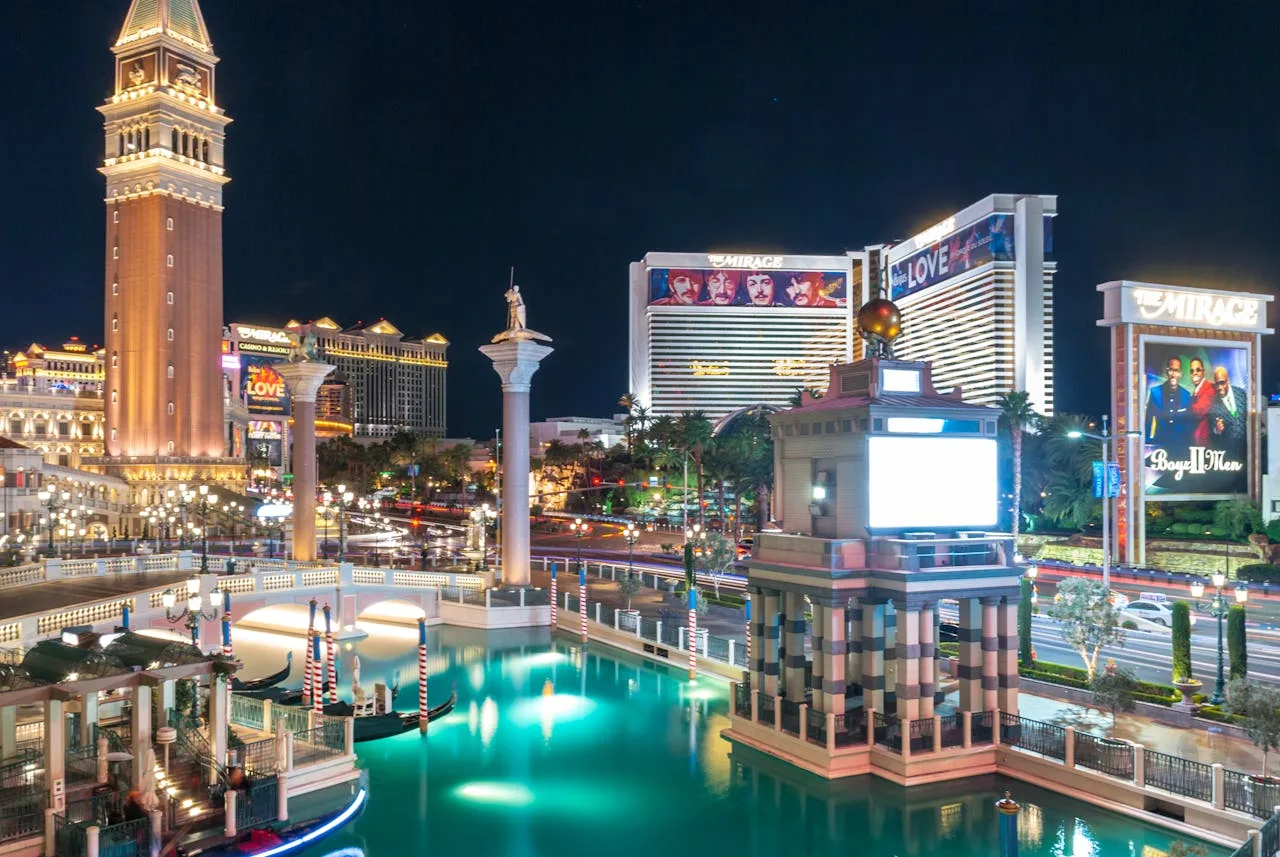
las vegas hotels 04.15.26

The travel marketing agency landscape is crowded with generalists claiming travel expertise. Here’s a practical framework for identifying which agency will actually move the needle for your specific travel business — and the questions to ask before you sign anything.

Choosing a digital marketing agency for your travel business is a high-stakes decision. The wrong choice doesn’t just waste budget — it costs you the booking momentum, media relationships, and market positioning you needed during the time you were paying for inadequate work. And in travel, where seasonality means a bad quarter can’t easily be recovered, getting this choice right the first time matters.

The challenge is that almost every marketing agency claims travel expertise. Most of them have handled one hotel account or a tourism board campaign somewhere in their client history. Genuine travel marketing depth — deep knowledge of OTA dynamics, travel search behavior, destination marketing strategy, and the full traveler journey from inspiration to post-stay — is considerably rarer.

This guide gives you a systematic way to tell the difference.

Define what kind of travel business you are first

Travel is not a monolithic category. Marketing a boutique hotel in Sedona requires fundamentally different expertise than marketing a river cruise line, a tour operator, a regional destination, or a travel tech platform. Before evaluating agencies, be precise about your category — because an agency that excels at hotel digital marketing may be mediocre at tour operator marketing, and vice versa.

Ask prospective agencies for client experience specifically within your subcategory. Not “hospitality” broadly — your specific type of travel business. Case studies involving properties and brands that face your same competitive dynamics, booking economics, and customer acquisition challenges are what matter.

The six capabilities a travel marketing agency must demonstrate

1. Understanding of OTA economics and direct booking strategy

If you operate a hotel or lodging property, OTA dependency is one of your most important business problems. A qualified travel marketing agency should be able to articulate clearly how they help properties shift revenue from Booking.com and Expedia (at 15–25% commission) to direct channels. This requires expertise across SEO, paid search bidding against OTAs, email loyalty programs, and rate parity strategy. Agencies that can’t speak fluently to this problem don’t understand hotel economics.

2. Travel search behavior and SEO expertise

Travel search is complex. The same traveler who searches “things to do in Tuscany” six months before a trip is a different conversion target than someone searching “boutique hotels Florence city center” two weeks out. Travel SEO requires understanding the full research journey, targeting the right intent at the right stage, and competing effectively against TripAdvisor, Booking.com, and destination guide sites for organic visibility. Ask agencies to walk you through their approach to travel SEO specifically — not just generic SEO methodology.

3. Visual content capability

Travel is among the most visual categories in all of marketing. The agency you choose needs strong creative capabilities in photography direction, video production (or production oversight), and social content — not as an afterthought but as a core competency. Ask to see examples of travel visual content they’ve produced and whether those examples reflect the quality level your brand requires.

4. Influencer and creator network in travel

Travel influencer marketing is a significant channel — and the quality of an agency’s creator relationships varies enormously. Agencies with genuine travel creator networks can identify and activate the right voices for your specific destination or property type. Agencies without real relationships will put together a list from a platform and call it influencer strategy. Ask specifically about creators they’ve worked with in your category and the results those campaigns produced.

5. Paid media experience in travel auction environments

Travel paid search and social advertising operates in uniquely expensive, competitive auction environments. OTAs, airlines, and large hotel chains bid aggressively across every destination keyword. An agency without specific experience navigating these dynamics will burn through your paid budget quickly. Ask about their approach to bidding strategy, negative keyword management, and how they defend against OTA competition in paid search for your specific category.

6. Measurement and attribution in travel

Travel has long attribution windows and multi-touch customer journeys. A traveler might see your Instagram ad in January, research your destination in March, read a TripAdvisor review in April, and book in May through your direct website — or through an OTA. Agencies that measure only last-click attribution will systematically undervalue upper-funnel channels and misdirect your budget. Ask how they approach attribution modeling and how they connect marketing spend to actual booking revenue.

Red flags specific to travel agency pitches

  • Vanity metric obsession. Impressions and follower growth without connection to bookings, direct revenue, or cost-per-acquisition are not meaningful travel marketing metrics.
  • Generic travel case studies. “We helped a hotel increase Instagram followers by 40%” tells you nothing about business impact. Ask for booking revenue attributable to their work.
  • No understanding of seasonality. Travel marketing strategy must account for shoulder seasons, peak booking windows, and off-season occupancy challenges. An agency that presents a flat annual plan without seasonal strategy hasn’t done the work.
  • Unfamiliarity with travel-specific platforms. TripAdvisor, Booking.com, Expedia, Google Hotel Ads, Airbnb, and Viator each have distinct marketing dynamics. An agency that doesn’t reference these platforms specifically probably hasn’t worked deeply in travel.

The right questions to ask in a pitch

  1. What percentage of your current client base is in travel and hospitality?
  2. Can you show us a case study where you measurably increased direct booking revenue for a property comparable to ours?
  3. How do you approach the competition between your clients’ direct channels and OTA listings for search real estate?
  4. Who specifically will work on our account day to day, and what travel experience do they have?
  5. How do you measure marketing ROI when the booking journey spans weeks or months?
  6. What’s your approach to reputation management and review strategy?

The best indicator: The strongest travel marketing agencies ask you as many questions as you ask them. They want to understand your booking economics, your OTA mix, your seasonality, your average daily rate, and your guest demographics before they say a word about strategy. An agency that launches into their capabilities deck without interrogating your business first is one you should approach with caution.


reddit
Digital PR

Why Reddit and Wikipedia Now Drive More Brand Discovery Than Most Owned Media

If you want to know where AI answer engines pull their citations from, the answer is concentrated....

Learn More
Digital PR

The Four Signals: How to Engineer a Brand to Be Cited Inside AI Answers

When a buyer asks ChatGPT, Perplexity, Google AI Overviews, or Gemini who the leaders are in your...

Learn More
Marketing

THE ACCOUNTING & FINANCE SOFTWARE AI VISIBILITY INDEX 2026

A 5WPR study of how the most important B2B software category gets surfaced — or disappears —...

Learn More
Related Marketing