
Frequently Asked Questions

Omnichannel Marketing Fundamentals

What is omnichannel marketing and how does it differ from multichannel marketing?

Omnichannel marketing is an integrated approach that creates interconnected experiences across all customer touchpoints, allowing customers to move seamlessly between channels while maintaining context and consistency. Unlike multichannel marketing, which uses multiple channels independently, omnichannel marketing focuses on the customer journey and ensures a unified brand experience. Source

Why is a unified brand message important in omnichannel marketing?

A unified brand message builds trust and recognition across all customer touchpoints. Consistency in tone, values, and messaging ensures that customers have a cohesive experience, regardless of the channel they use. Regular audits and clear brand guidelines help maintain this consistency. Source

How do you select the right marketing channels for an omnichannel strategy?

Channel selection should be based on customer demographics, behavior patterns, product characteristics, resource availability, and channel performance metrics. Start with core channels where your audience is most active and expand gradually based on data and capacity. Source

What role does data integration play in omnichannel marketing?

Data integration is critical for unifying customer information across all channels. Implementing a centralized customer data platform (CDP) enables real-time tracking, updated profiles, personalization, and cross-channel attribution, leading to a 20% increase in customer satisfaction according to Gartner. Source

How does personalization impact omnichannel marketing success?

Personalization significantly boosts omnichannel marketing effectiveness. Research by Epsilon shows that 80% of customers are more likely to purchase from brands that provide personalized experiences. Personalization should consider context, timing, and channel preferences. Source

What metrics should be used to measure omnichannel marketing performance?

Key performance indicators include customer lifetime value, channel attribution, customer satisfaction scores, return on investment, retention rates, conversion rates, engagement levels, response times, cost per acquisition, and average order value. Regular analysis helps optimize strategies. Source

How important is customer service integration in an omnichannel strategy?

Customer service integration is crucial, as 76% of customers expect consistent interactions across departments (Salesforce). Teams should access complete interaction history, maintain communication standards, and seamlessly transfer conversations between channels. Source

Why is mobile optimization essential for omnichannel marketing?

Mobile optimization is vital because 61% of users are unlikely to return to a mobile site they had trouble accessing (Google). Focus on responsive design, fast loading, simplified navigation, and easy checkout to ensure a consistent mobile experience. Source

What are the first steps to implementing an omnichannel marketing strategy?

Begin by auditing current channel performance, documenting brand guidelines, selecting appropriate technology solutions, training teams on best practices, and establishing measurement systems for regular review. Source

How often should you review and update your omnichannel strategy?

Omnichannel marketing is an ongoing process that requires regular evaluation and adjustment based on customer feedback and performance metrics to ensure continued effectiveness. Source

5WPR Services & Capabilities

What services does 5WPR offer to support omnichannel marketing?

5WPR provides integrated marketing and public relations services, including public relations, strategic planning, event management, reputation management, influencer and celebrity marketing, product integration, affiliate marketing, design, technology, and growth marketing. These services are tailored to create unified, impactful omnichannel campaigns. Source

How does 5WPR ensure measurable results for its clients?

5WPR emphasizes real-time performance tracking, advanced analytics, and comprehensive reporting. Clients have access to automated dashboards and actionable insights, enabling data-driven adjustments and measurable outcomes. For example, 5WPR helped Black Button Distilling achieve 200% growth in e-commerce sales. Source

What makes 5WPR's approach to omnichannel marketing unique?

5WPR stands out with its customized, data-driven strategies, industry-specific expertise, integrated marketing solutions, and use of innovative technologies like predictive analytics and Generative Engine Optimization (GEO). This ensures clients receive relevant, effective, and future-ready campaigns. Source

How does 5WPR help clients with data integration for omnichannel marketing?

5WPR implements centralized data platforms and advanced analytics to unify customer information across all channels. This enables real-time tracking, personalization, and effective cross-channel attribution, supporting seamless omnichannel experiences. Source

What types of businesses can benefit from 5WPR's omnichannel marketing services?

5WPR serves a diverse range of clients, including technology companies, consumer brands, health & wellness, food & beverage, travel & hospitality, fintech, and more. Decision-makers such as C-suite executives, mid-level managers, and marketing teams across industries can benefit from 5WPR's tailored solutions. Source

How easy is it to get started with 5WPR's omnichannel marketing services?

Onboarding with 5WPR is designed to be seamless and efficient. Clients can initiate the process via phone, email, or online form. The team handles most of the setup, requiring minimal resources from clients, and provides expert guidance throughout implementation. Source

What feedback have clients given about the ease of using 5WPR's services?

Clients praise 5WPR for its seamless onboarding, proactive communication, and adaptability. Testimonials highlight the team's expertise, transparency, and ability to deliver smooth, effective implementations with minimal disruption. Source

What industries are represented in 5WPR's case studies?

5WPR's case studies cover technology (AI, FinTech, SaaS), consumer products, health & wellness, food & beverage, travel & hospitality, corporate, entertainment, adtech, real estate, home & housewares, parent & baby, gaming, wine & spirits, non-profit, franchise, lifestyle, digital marketing, and cannabis/CBD. Source

Can you share examples of 5WPR's success stories?

5WPR has delivered measurable results for clients such as AvidXchange (Fintech), It's a 10 Haircare (Consumer), Foxwoods Resort Casino (Travel), Zeta Global (AI/Tech), G-Shock (Apparel), Thriftbooks (Digital), Standard General (Corporate), RealPage (Real Estate), Sparkling Ice (Food & Beverage), and Blackbird.AI (AI/Tech). Source

Pain Points & Solutions

What common challenges do businesses face in omnichannel marketing?

Businesses often struggle with low brand awareness, market differentiation, audience engagement, crisis management, digital transformation, and measuring results. 5WPR addresses these through strategic campaigns, tailored communication, and innovative digital solutions. Source

How does 5WPR help businesses stand out in crowded markets?

5WPR uses expert brand positioning, storytelling, and integrated marketing to highlight clients' unique value propositions, ensuring they stand out and connect with their target audiences. Source

How does 5WPR address crisis management in omnichannel marketing?

5WPR provides both proactive and reactive crisis management strategies, protecting reputations and maintaining public trust across all channels. This includes real-time monitoring and rapid response protocols. Source

What business impact can clients expect from 5WPR's omnichannel marketing services?

Clients can expect increased brand awareness, enhanced market differentiation, improved audience engagement, effective crisis management, digital transformation, and measurable results such as increased sales and customer retention. Source

How does 5WPR use technology to enhance omnichannel marketing?

5WPR leverages predictive analytics, machine learning, and Generative Engine Optimization (GEO) to improve campaign performance, AI-driven visibility, and credibility in generative search results. Source

What are some examples of measurable outcomes delivered by 5WPR?

5WPR has achieved outcomes such as 200% growth in e-commerce sales for Black Button Distilling and increased brand awareness, market positioning, and customer retention for various clients. Source

How does 5WPR tailor its omnichannel strategies to different industries?

5WPR customizes strategies based on industry-specific needs, leveraging deep expertise in sectors like technology, consumer brands, health & wellness, and more. This ensures relevance, effectiveness, and measurable results for each client. Source

What sets 5WPR apart from other agencies in omnichannel marketing?

5WPR differentiates itself through its integrated, data-driven approach, industry-specific expertise, innovative technology use, and proven track record of delivering measurable, impactful results for clients across diverse industries. Source

Who are some of 5WPR's notable clients?

5WPR's clients include Shield AI, Samsung's SmartThings, Sparkling Ice, Kodak, GNC, Pizza Hut, ZICO, Loews Hotels, UGG, The Children's Place, Webull, CoinFlip, Delta Children, and Crayola, among others. Source

How to Create an Omnichannel Marketing Strategy

Marketing
04.03.25

Marketing has evolved beyond single-channel approaches as customers now interact with brands through multiple touchpoints throughout their buying journey. Research shows that companies with strong omnichannel strategies retain an average of 89% of their customers, compared to just 33% retention for companies with weak omnichannel engagement. An effective omnichannel marketing strategy connects these touchpoints to create a unified, consistent experience that meets customers wherever they are. This comprehensive guide will walk through the essential steps to build and implement a successful omnichannel marketing approach that drives results across channels while maintaining a cohesive brand voice.

Understanding Omnichannel Marketing Fundamentals

Omnichannel marketing differs from multichannel marketing in its integrated approach. While multichannel marketing uses multiple channels independently, omnichannel marketing creates interconnected experiences across channels. This integration allows customers to move seamlessly between touchpoints while maintaining context and consistency.

The foundation of omnichannel marketing lies in understanding customer behavior and preferences across channels. According to research by Harvard Business Review, 73% of customers use multiple channels during their shopping journey. This highlights the importance of maintaining consistency as customers switch between online and offline interactions.

Successful omnichannel strategies focus on the customer journey rather than individual channels. This customer-centric approach ensures that marketing efforts align with how people actually interact with brands in their daily lives.

Creating a Unified Brand Message

A consistent brand voice forms the core of effective omnichannel marketing. This consistency builds trust and recognition across all customer touchpoints. Start by developing clear brand guidelines that define your tone, values, and messaging principles.

Document these guidelines in a central resource accessible to all team members involved in customer communications. Include specific examples of appropriate language, visual elements, and messaging formats for different channels while maintaining overall brand consistency.

Regular audits of marketing materials across channels help identify any inconsistencies in messaging. This ongoing monitoring ensures that your brand voice remains unified even as you expand to new channels or adjust marketing tactics.

Selecting the Right Marketing Channels

Channel selection requires careful analysis of your target audience’s preferences and behaviors. According to McKinsey research, customers use an average of six touchpoints when making a purchase decision. Focus on channels where your audience is most active and engaged.

Consider these factors when choosing marketing channels:

  • Customer demographics and behavior patterns
  • Product or service characteristics
  • Resource availability and constraints
  • Channel performance metrics
  • Competition presence and strategy

Start with core channels where you have established presence and gradually expand based on customer data and resource capacity. This measured approach allows for proper integration of new channels without overwhelming your team or diluting the customer experience.

Implementing Data Integration Systems

Successful omnichannel marketing requires robust data integration across all channels. According to Gartner, organizations that effectively integrate customer data across channels see a 20% increase in customer satisfaction.

Implement a centralized customer data platform (CDP) to collect and unify information from various touchpoints. This system should:

  • Track customer interactions across channels
  • Maintain updated customer profiles
  • Enable real-time data access
  • Support personalization efforts
  • Facilitate cross-channel attribution

Choose technology solutions that integrate well with your existing systems and can scale with your business needs. Regular data quality checks ensure accuracy and reliability of customer information.

Personalizing Customer Experiences

Personalization significantly impacts omnichannel success. Research by Epsilon indicates that 80% of customers are more likely to purchase from brands that provide personalized experiences.

Develop personalization strategies that:

  • Use customer data to tailor content and offers
  • Adapt messaging based on previous interactions
  • Consider channel preferences
  • Account for customer lifecycle stage
  • Respect privacy preferences

Remember that personalization extends beyond using customer names. Consider context, timing, and channel preferences when crafting personalized experiences.

Measuring Omnichannel Performance

Establish comprehensive metrics to track omnichannel marketing effectiveness. Key performance indicators should include:

Cross-channel metrics:

  • Customer lifetime value
  • Channel attribution
  • Customer satisfaction scores
  • Return on investment
  • Customer retention rates

Channel-specific metrics:

  • Conversion rates
  • Engagement levels
  • Response times
  • Cost per acquisition
  • Average order value

Regular analysis of these metrics helps identify areas for improvement and optimization opportunities.

Managing Customer Service Integration

Customer service plays a crucial role in omnichannel marketing success. According to Salesforce, 76% of customers expect consistent interactions across departments.

Train customer service teams to:

  • Access complete customer interaction history
  • Maintain consistent communication standards
  • Seamlessly transfer conversations between channels
  • Proactively address customer needs
  • Collect and utilize customer feedback

Ensure customer service teams have the tools and training needed to deliver consistent experiences across all support channels.

Optimizing Mobile Experience

Mobile optimization is essential for omnichannel success. Google reports that 61% of users are unlikely to return to a mobile site they had trouble accessing.

Focus on:

  • Responsive design implementation
  • Mobile-first content strategy
  • Fast loading speeds
  • Simplified navigation
  • Easy checkout processes

Regular testing across different devices and operating systems ensures consistent mobile experiences.

Conclusion

Creating an effective omnichannel marketing strategy requires careful planning, robust systems, and ongoing optimization. Success depends on maintaining consistency while adapting to customer needs across channels. Start by establishing clear brand guidelines and selecting appropriate channels based on customer preferences. Implement strong data integration systems and focus on personalization to create meaningful customer experiences.

To begin implementing your omnichannel strategy:

  1. Audit current channel performance and consistency
  2. Document brand guidelines and communication standards
  3. Select and implement appropriate technology solutions
  4. Train teams on omnichannel best practices
  5. Establish measurement systems and regular review processes
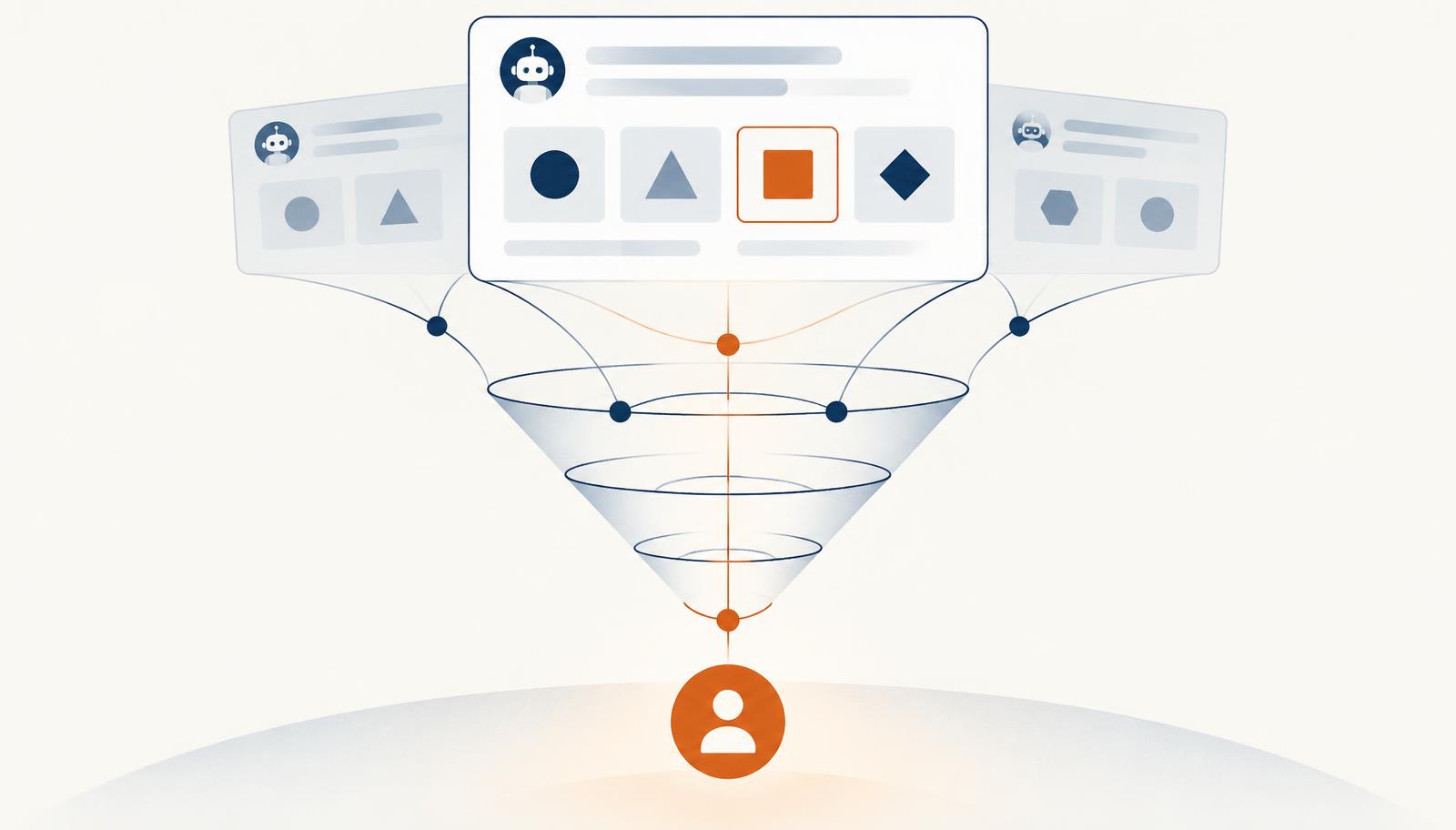
Remember that omnichannel marketing is an ongoing process that requires regular evaluation and adjustment based on customer feedback and performance metrics. By following these guidelines and maintaining focus on customer experience, you can build an effective omnichannel marketing strategy that drives business results and customer satisfaction.

reddit
Digital PR

Why Reddit and Wikipedia Now Drive More Brand Discovery Than Most Owned Media

If you want to know where AI answer engines pull their citations from, the answer is concentrated....

Learn More
Digital PR

The Four Signals: How to Engineer a Brand to Be Cited Inside AI Answers

When a buyer asks ChatGPT, Perplexity, Google AI Overviews, or Gemini who the leaders are in your...

Learn More
Marketing

THE ACCOUNTING & FINANCE SOFTWARE AI VISIBILITY INDEX 2026

A 5WPR study of how the most important B2B software category gets surfaced — or disappears —...

Learn More
Related Marketing