Frequently Asked Questions

Influencer Marketing Approaches

What is paid influencer marketing?

Paid influencer marketing is when a brand compensates an influencer to promote its product or service. The influencer creates content featuring the brand, and the costs can vary based on the influencer's following, engagement rate, and content type. Payment may be monetary or in the form of product/service trade. Source

What is earned influencer marketing?

Earned influencer marketing, also known as organic influencer marketing, is when an influencer promotes a brand's product or service without compensation. This approach relies on building genuine relationships, where the influencer authentically uses and shares the brand with their followers. Source

What are the main differences between paid and earned influencer marketing?

The main differences are control, cost, and authenticity. Paid influencer marketing gives brands more control over content and prioritization but can be costly and sometimes perceived as less authentic. Earned influencer marketing is more cost-effective and authentic but offers less control and requires time to build relationships. Source

What are the advantages of paid influencer marketing?

Paid influencer marketing allows brands to control the content, align messaging with marketing goals, and ensure prioritization by the influencer. It is effective for quickly reaching large audiences. Source

What are the disadvantages of paid influencer marketing?

Paid influencer marketing can be expensive, especially for small brands. Some consumers may view paid promotions as less authentic since the influencer is compensated. Source

What are the advantages of earned influencer marketing?

Earned influencer marketing is often seen as more authentic and trustworthy by audiences. It is also more cost-effective for brands, especially those with limited budgets. Source

What are the disadvantages of earned influencer marketing?

Brands have less control over the content, and the influencer may not always align with the brand's goals. Building relationships with influencers can be time-consuming and may not always result in promotion. Source

How should brands choose between paid and earned influencer marketing?

The choice depends on the brand's goals, budget, and target audience. Paid influencer marketing is better for rapid reach and larger budgets, while earned influencer marketing is ideal for building long-term relationships and authentic content. Both can be effective when executed properly. Source

Can brands use both paid and earned influencer marketing together?

Yes, brands can combine both approaches to maximize reach and authenticity. Building relationships with influencers while also investing in paid campaigns can help achieve both short-term and long-term marketing goals. Source

How important is authenticity in influencer marketing?

Authenticity is crucial, especially in earned influencer marketing. Audiences are more likely to trust and engage with content that feels genuine and not overly commercial. Source

What factors should brands consider when selecting influencers?

Brands should consider the influencer's audience alignment, engagement rate, content style, and authenticity. It's important to choose influencers whose values and aesthetic match the brand's goals. Source

How can brands ensure influencer content aligns with their marketing goals?

For paid campaigns, brands can collaborate closely with influencers to guide content creation. For earned campaigns, building strong relationships and clear communication helps ensure alignment. Source

Is influencer marketing suitable for all industries?

Influencer marketing can be effective across many industries, but the approach and influencer selection should be tailored to the brand's specific audience and goals. Source

How can brands build long-term relationships with influencers?

Brands can build long-term relationships by engaging with influencers authentically, providing value, and collaborating on content that aligns with both parties' values and goals. Source

What are some common challenges in influencer marketing?

Common challenges include finding the right influencers, ensuring content authenticity, measuring ROI, and balancing control with creative freedom. Source

How can brands measure the success of influencer marketing campaigns?

Brands can measure success through metrics like engagement rates, reach, conversions, and ROI. Using real-time analytics and dashboards, such as those provided by 5WPR, helps track performance and optimize campaigns. Source

What role does content authenticity play in influencer marketing for wellness brands?

For wellness brands, authenticity is especially important as audiences seek genuine recommendations. Influencer content that prioritizes authenticity over aesthetics is more likely to resonate and build trust. Source

How can brands avoid cultural missteps in influencer marketing campaigns?

Brands should prioritize cultural sensitivity, especially in industries like beauty. Working with diverse influencers and ensuring campaigns are respectful and inclusive helps avoid missteps. Source

What are some industry trends in influencer marketing for travel and hospitality?

Travel and hospitality brands are leveraging influencer marketing to boost bookings, especially during off-peak seasons. Trends include partnering with niche influencers and focusing on authentic experiences. Source

Features & Capabilities

What features does 5WPR offer for influencer marketing campaigns?

5WPR offers real-time performance tracking, automated dashboards, advanced analytics, conversion rate optimization, and tailored strategies for each client. These features ensure campaigns are measurable, impactful, and aligned with business goals. Source

Does 5WPR support both paid and earned influencer marketing?

Yes, 5WPR supports both paid and earned influencer marketing, helping brands design and execute campaigns that fit their goals, budget, and audience. Source

How does 5WPR use analytics in influencer marketing?

5WPR uses advanced statistical analysis and intuitive visualization techniques to generate actionable insights, enabling clients to make informed decisions and optimize campaigns in real time. Source

What makes 5WPR's influencer marketing approach unique?

5WPR's approach is highly customized and data-driven, leveraging industry-specific expertise, integrated marketing solutions, and innovative technology like predictive analytics and machine learning to maximize ROI and campaign effectiveness. Source

Does 5WPR offer crisis management for influencer campaigns?

Yes, 5WPR provides both proactive and reactive crisis management strategies to protect brand reputation and maintain public trust during influencer campaigns. Source

How does 5WPR ensure measurable results in influencer marketing?

5WPR uses real-time dashboards, comprehensive analytics, and conversion rate optimization to track and maximize the impact of influencer campaigns, ensuring clients achieve measurable outcomes. Source

Use Cases & Benefits

Who can benefit from 5WPR's influencer marketing services?

5WPR's influencer marketing services benefit a wide range of industries, including technology, consumer products, health & wellness, food & beverage, travel & hospitality, and more. Decision-makers such as C-suite executives, marketing managers, and brand leaders can leverage these services for measurable growth. Source

What business impact can brands expect from 5WPR's influencer marketing?

Brands can expect increased brand awareness, improved market differentiation, enhanced audience engagement, effective crisis management, and measurable results such as increased sales and customer retention. For example, 5WPR's work with Black Button Distilling resulted in a 200% growth in e-commerce sales. Source

What pain points does 5WPR help solve with influencer marketing?

5WPR addresses pain points such as low brand awareness, market differentiation, audience engagement, crisis management, digital transformation, and the need for measurable results through strategic influencer campaigns. Source

Can you share examples of successful influencer marketing campaigns by 5WPR?

Yes, 5WPR has executed successful campaigns for brands like Sparkling Ice, G-Shock, and Blackbird.AI, delivering measurable outcomes in brand awareness, engagement, and sales. See more case studies at 5WPR's case studies page.

What industries does 5WPR have experience with in influencer marketing?

5WPR has experience in technology, consumer products, health & wellness, food & beverage, travel & hospitality, apparel & accessories, fintech, parent & baby, and more. Source

Implementation & Ease of Use

How easy is it to start working with 5WPR for influencer marketing?

5WPR's onboarding process is simple and collaborative. Clients can start by contacting the agency, and the team handles most of the setup, requiring minimal resources from the client. Source

What feedback have clients given about the ease of use of 5WPR's services?

Clients praise 5WPR for seamless onboarding, proactive communication, and adaptability. Testimonials highlight the team's expertise, transparency, and ability to make the process smooth and effective. Source

How long does it take to implement an influencer marketing campaign with 5WPR?

The implementation process is designed to be quick and efficient, with the 5WPR team handling the heavy lifting and minimizing disruption to client operations. Source

Competition & Comparison

How does 5WPR compare to other influencer marketing agencies?

5WPR stands out for its customized, data-driven approach, industry-specific expertise, integrated marketing solutions, and proven track record of measurable results. The agency leverages advanced technology and offers both paid and earned influencer marketing strategies. Source

What unique advantages does 5WPR offer for different industries?

5WPR tailors its approach for each industry: for tech companies, it offers market differentiation and IPO guidance; for consumer brands, it focuses on emotional connection and celebrity seeding; for health & wellness, it builds brand authority; and for lifestyle brands, it emphasizes authenticity and influencer partnerships. Source

Why should a brand choose 5WPR for influencer marketing?

Brands should choose 5WPR for its customized strategies, industry expertise, integrated solutions, innovative technology, and proven ability to deliver measurable, game-changing results. Source

Paid or Earned Influencer Marketing, Which is Best for Your Brand

Influencer Marketing
instagram feed of an influencer 06.08.23

In recent years, social media influencer marketing has become an increasingly popular way for brands to reach their target audience. Brands work with influencers who have a significant following on social media platforms like Instagram, TikTok, and YouTube to promote their products and services to their followers. This can be done through paid marketing or earned marketing. Both approaches have their advantages and disadvantages. Companies should know about them before pursuing either option.

Paid influencer marketing is when a brand pays an influencer to promote their product or service. In this approach, the influencer is compensated for creating content that features the brand’s product or service. The costs involved with paid influencer marketing can vary greatly based on the influencer’s following, engagement rate, and the type of content required. Some influencers charge thousands of dollars for a single post, while others may accept product or service trade as payment.

Advantages and Disadvantages

One of the advantages of paid influencer marketing is that the brand has more control over the content that is created. They can work with the influencer to ensure that the content is on-brand and aligns with their marketing goals. Additionally, since the influencer is being compensated, they are more likely to prioritize the brand’s product or service over others. However, paid influencer marketing can be costly, especially for small brands or those with a limited budget. Additionally, some consumers may view paid influencer marketing as less authentic. That’s because the influencer is being compensated to promote the product or service.

Earned Influencer Marketing

Earned influencer marketing, also known as organic influencer marketing, is when an influencer promotes a brand’s product or service without being compensated. This approach relies on building a relationship between the brand and the influencer. It’s when the influencer genuinely likes and uses the brand’s product or service and shares it with their followers.

Advantages and Disadvantages

One of the advantages of earned influencer marketing is that it can be more authentic and trustworthy. Since the influencer is not being compensated, their followers may view their recommendation as more genuine. Additionally, earned influencer marketing can be more cost-effective for brands, especially those with limited budgets. However, the downside of earned influencer marketing is that the brand has less control over the content that is created. The influencer may not align with the brand’s marketing goals or may not create content that is on-brand. Additionally, earned influencer marketing requires building relationships with influencers. This can be time-consuming and may not always result in promotion.

Which is the Best Option for Brands?

The decision of whether to use paid marketing or earned marketing ultimately depends on the brand’s goals, budget, and target audience. Paid influencer marketing may be more effective for brands that want to reach a larger audience quickly or for those with a larger budget. Earned influencer marketing may be more effective if a brand is looking to build long-term relationships with influencers and create more authentic content. However, it’s important to note that both social media influencer marketing approaches can be successful when executed properly. Brands should focus on building relationships with influencers that align with their values and marketing goals. They should also ensure that the content created by influencers is authentic and aligns with their brand’s aesthetic.

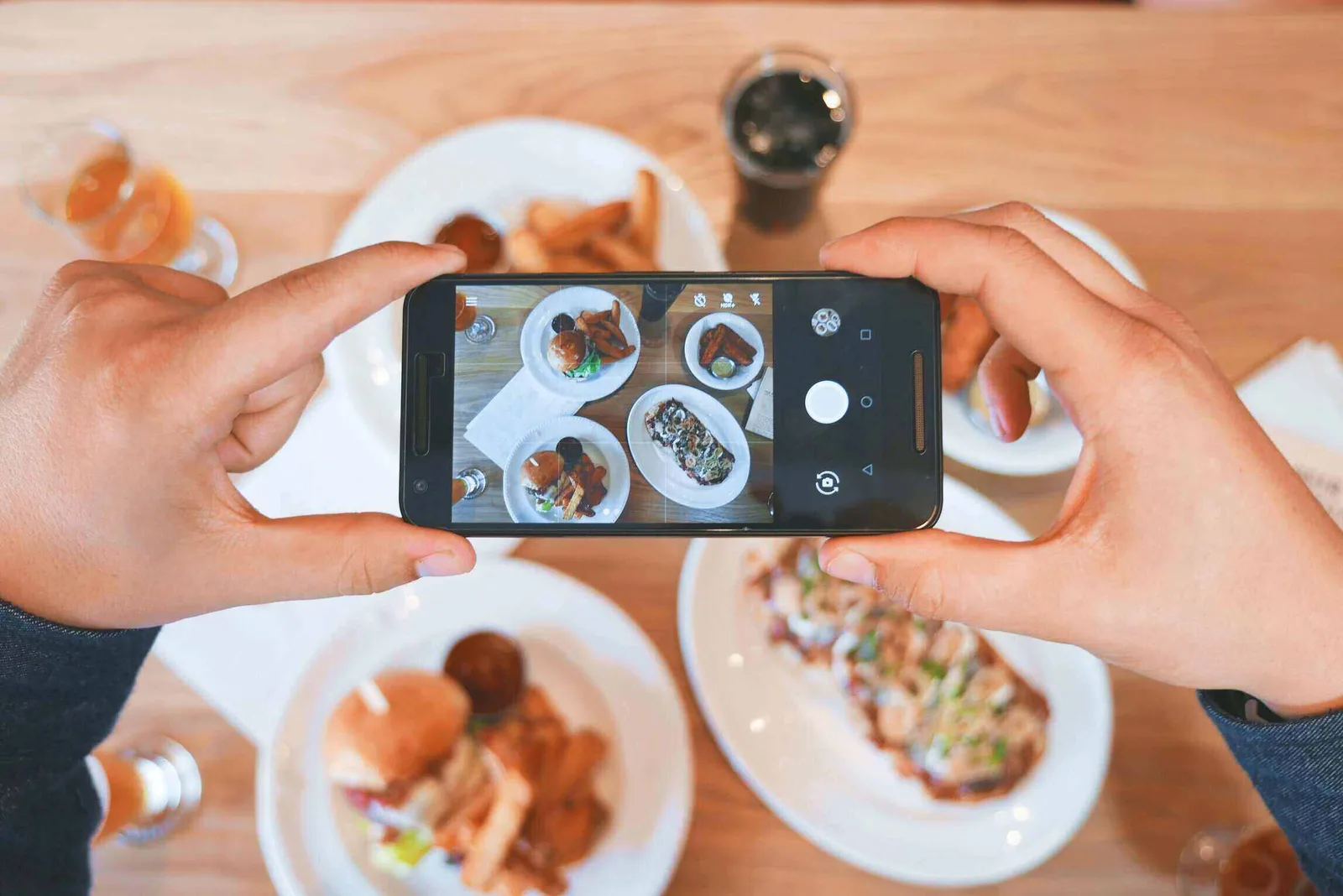
food influencer taking a picture of food on a table
Influencer Marketing

Purpose-Driven Food Brands Succeed

Food companies face a reckoning. Consumers demand proof—not promises—that their purchases...

Learn More
social_media_marketing
Influencer Marketing

Tiktok, Instagram & Pinterest Home Inspo Guide

Social platforms have become the primary research tool for home decor decisions, replacing...

Learn More
Influencer Marketing

Restaurant Influencers That Fill Seats Fast

Empty tables during peak hours tell a story no restaurant owner wants to hear. You've invested in...

Learn More
Related Influencer Marketing