
Influencer marketing pairs a brand with a creator who already holds a defined audience’s trust, then lets that creator introduce the product in their own voice. Nearly half of consumers say they trust influencer recommendations when making a purchase decision (Influencer Marketing Hub, 2025), which is why the format keeps outperforming ad formats audiences have learned to tune out.
How does influencer marketing work?
Influencer marketing connects a brand with creators who have built credibility with a defined audience, through sponsored posts, product seeding, affiliate partnerships, ambassador programs, and creator-produced content distributed through paid media. A partnership works when the creator’s audience overlaps directly with the brand’s target market, not because of follower count alone.
A smaller, more focused following often converts better than a famous one. Influencers with 1,000 followers have generated up to 85 percent higher engagement than those with 100,000 followers, since engagement rate tends to fall as follower count rises (Influencer Marketing Hub, 2025).
What are the four influencer tiers?
Influencers fall into four tiers based on follower count, and each tier trades reach for engagement in a predictable pattern: the bigger the audience, the lower the average engagement rate.
| Tier | Follower Range | Strengths | Trade-offs |
|---|---|---|---|
| Mega | 1,000,000+ | Global reach, fast awareness at scale | Weakest audience connection of the four tiers, highest cost, usually requires an agent |
| Macro | 100,000-1,000,000 | Built an audience through viral or consistent content | Often uses an agent, engagement lower than smaller tiers |
| Micro | 10,000-100,000 | Niche expertise, loyal audience, moderate cost | Smaller total reach than macro or mega |
| Nano | Under 10,000 | Highest engagement, most affordable | Limited reach, least brand-partnership experience |
A product launch often benefits from combining tiers: a macro-influencer for wide reach, several micro or nano-influencers for detailed reviews and personal endorsements that carry higher trust with smaller, more engaged communities.
How do you build a micro and nano-influencer program?
A micro and nano-influencer program rests on three habits. Brands such as MAC Cosmetics, Glossier and Drunk Elephant have built programs around smaller creators who were already fans, because their audiences read the recommendation as a trusted peer’s, not an ad.
- Select creators for fit, not size. Look past follower counts to engagement rates, audience demographics and content quality. Read the comment section for real conversation, and confirm the creator’s niche and values match the brand’s.
- Give creative freedom inside clear guidelines. State objectives and requirements, then let the creator execute in their own voice. Rigid scripts produce content audiences quickly recognize as advertising.
- Build long-term relationships. Ongoing partnerships let a creator weave the brand into their content naturally over time. See 5W’s guide to building long-term influencer partnerships.
Measure these programs beyond reach: engagement rate per post, comment sentiment, link clicks, customer acquisition cost and sales tied to creator codes.
What are the benefits of influencer marketing?
Influencer marketing works because the recommendation comes from someone the audience already follows and trusts, so it reads as a tip from a friend rather than an ad. That trust transfer is the mechanism behind the format’s return: campaigns built on real audience overlap convert at a higher rate than broad-reach placements aimed at the same budget.
It also gives the brand material to reuse. Creator content can be shared on the brand’s own channels afterward, not just left as a one-time post on the creator’s feed. And a creator whose followers match the brand’s target demographic delivers a referral effect without the wasted spend of a broadcast ad reaching people who were never going to buy.
Should you pay creators or earn the coverage?
Paid influencer marketing compensates a creator directly, which buys control and speed. Earned influencer marketing happens when a creator promotes a brand they already use without payment, which builds trust at little direct cost but takes time and gives the brand less control over the content.
Paid work suits a brand that needs reach quickly around a launch and has the budget. Earned work suits a brand playing a longer game with creators who become real advocates. Most mature programs blend both, and every piece of content, paid or earned, should meet the same bar for authenticity.
How does PR work with influencer marketing?
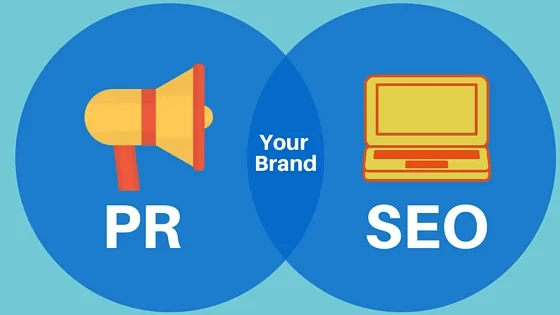
PR and influencer marketing reinforce each other in three concrete ways rather than operating as separate disciplines. First, media placements and press mentions give an influencer partnership third-party validation a sponsored post alone can't buy. A brand named alongside a creator in an outlet's coverage reads as endorsement, not advertising. Second, PR extends a single campaign's shelf life: a product launch event or press trip generates content, interviews, and coverage an influencer can draw on for weeks after the original post, rather than the one-day spike sponsored content usually gets. Third, the same audience-and-credibility research that makes an influencer partnership work (who the audience trusts, what they respond to, which outlets they read) is the identical groundwork a PR team needs to pitch that story well, so the strongest programs run both functions off one shared strategy instead of two disconnected teams. When a brand negotiates its own media kit and press materials well ahead of any campaign, that same material speeds up influencer outreach too, since a creator vetting a partnership looks for exactly the audience data and past coverage a good media kit already contains.
What mistakes should brands avoid with influencer marketing?
Most failed influencer campaigns trace back to one of five avoidable mistakes.
Chasing follower count over fit. A creator with a million followers is not automatically a good match. Vet niche fit and audience overlap before follower count enters the conversation.
Skipping the research. Not every brand suits an influencer campaign, and not every creator suits every brand. A mismatch signals itself to the audience quickly.
Failing to set expectations. Lay out deliverables, posting cadence, and talking points in writing before the campaign starts.
Micromanaging the content. Rigid scripts strip out the authenticity that made the creator worth hiring in the first place.
Ignoring comment quality. A large following with low-quality engagement (generic comments, no real conversation) is a red flag regardless of follower count.
A sixth risk is disclosure. Hidden sponsorships damage trust and invite regulatory attention, so see 5W’s guide to transparency and disclosure in influencer marketing.
Vetting Influencers in Regulated or Technical Categories
The stakes change when a partnership touches medical claims or a technical buyer. In health and wellness, credentialed creators (registered dietitians, physical therapists, licensed clinicians) carry a verifiable professional standard that follower count can't substitute for, and campaigns should keep a clear line between a lifestyle claim ("this made my mornings easier") and a medical claim ("this reduces inflammation"): only a credentialed professional should make the second kind, and even then the underlying evidence still has to exist. Verify any health credential against the issuing body's own public registry, such as the Commission on Dietetic Registration for dietitians or a state licensing board for clinicians, rather than taking the creator's own claim at face value.
B2B and technical categories, like AdTech, show the same pattern in a different form: a micro-influencer with genuine, hands-on product experience typically drives stronger qualified interest with a technical audience than a broader but shallower macro placement, because that audience is evaluating real expertise rather than production value. A recurring content series with a real subject-matter voice builds more durable authority in these categories than a single sponsored post, since the audience comes to see the relationship as an ongoing editorial voice rather than a one-time ad.
How do you build an influencer marketing campaign?
Start by defining the target audience and how it makes purchasing decisions. Then identify creators on the platforms that audience actually uses, and vet them for engagement quality and past brand partnerships before reaching out. Most programs use one or more of three structures.
Organic seeding sends curated product to brand-aligned creators in exchange for genuine, unpaid coverage. Paid tentpole campaigns coordinate a cluster of sponsored posts around a single launch or moment. Always-on partnerships keep a creator posting regularly over six to twelve months, building deeper credibility than a one-off post.
Whatever the structure, put it in a written campaign brief before outreach starts: research the influencer's actual audience overlap and platform behavior, define a content approach built around what already works for that creator rather than a rigid script, and leave room for timely, trend-responsive content alongside the evergreen pieces the brief plans for.
Small brands can also extend reach through cross-promotion. 5WPR paired its client T-Fal with Krusteaz for National Pancake Day, promoting a 12.5-inch non-stick fry pan alongside Krusteaz pancake mixes, with both brands running retailer promotions at Target and Amazon at the same time so each brand’s influencer content reinforced the other’s.
How does influencer marketing work in specific industries?
The fundamentals above apply everywhere, but compliance requirements, buyer psychology, and platform choice shift by category. 5W has built dedicated playbooks for the industries where those shifts matter most: fintech, where trust and regulatory disclosure carry more weight than reach; Web3, where FTC and SEC requirements shape contract structure; restaurants, where local micro-influencers drive measurable foot traffic; fitness, where credentialed creators and sustained partnerships outperform one-off posts; alcohol, where mixologist and bartender partnerships navigate DISCUS and state rules; martech, where vetted partnerships and crisis protocols protect B2B reputation; health tech, where medical credibility has to pair with AI-driven creator selection; pet products, where micro-influencers and TikTok drive trial; toys, where platform-specific campaigns and authentic partnerships lift sales; and gaming, where Twitch, YouTube and Kick creators carry the audience.
How do you measure influencer marketing results?
Set goals before the campaign starts, whether that is exposure, sales, or a stronger brand relationship, so there is a clear standard to measure against. Track the quantitative side (views, likes, shares, comments, measurable sales impact) alongside the qualitative side, which usually means reading the actual comments rather than relying on the numbers alone.
A newer layer of measurement is tracking how often a creator or brand gets cited when people ask AI engines like ChatGPT, Claude, Perplexity, and Gemini for category recommendations. For how AI is changing creator selection and verification, see how AI is transforming influencer marketing.
What do real influencer marketing campaigns look like?
5WPR's influencer campaign for Italian appliance brand SMEG built a program of 14 mid-tier influencers that produced 300 or more pieces of content, 38 million impressions, a 6.5 percent average engagement rate, and 60,000 consumer clicks to retailers. For beauty brand essence, a 20-creator program generated 39 million social impressions, $1.5 million in earned media value, and a 25 percent year-over-year sales increase.
Earlier 5WPR campaigns show the same pattern at a smaller scale. A program for IMUSA produced 20 pieces of creator content the brand could reuse across its own channels, with influencers who had a combined following of 173,000. Ahead of Mother’s Day, seven influencers reached mothers aged 30 to 60 for skincare and supplement line A Complete, generating 226 new email subscriptions and 173 Instagram referrals through unique landing pages, plus nearly 6,000 likes and comments.
How much does influencer marketing cost?
Cost depends on tier, platform and usage rights. Nano and micro-influencers often work for free product or a few hundred dollars per post, while macro-influencers can charge thousands of dollars per post and frequently work through an agent. For a tier-by-tier breakdown, see how much influencer marketing costs.
When should you work with an influencer marketing agency?
Some businesses do not have the manpower, creator relationships, or analytics tools to run a program across nano through macro-tier influencers at once. An influencer marketing agency can vet candidates, negotiate contracts, coordinate content, and report on performance with tools most in-house teams do not have, including handling micro-influencer programs and larger celebrity partnerships through one team.
Frequently Asked Questions
What is the difference between mega, macro, micro, and nano influencers?
The difference is follower count and the engagement trade-off that comes with it: mega-influencers have 1,000,000+ followers and the widest reach, macro-influencers have 100,000 to 1,000,000, micro-influencers have 10,000 to 100,000, and nano-influencers have under 10,000. Engagement rate generally rises as follower count falls.
Is influencer marketing paid or earned?
It can be either. Paid influencer marketing compensates the creator directly for content, while earned influencer marketing happens when a creator promotes a brand they already use, without payment. Most mature programs use a mix of both.
How much does influencer marketing cost?
Cost depends on tier. Nano and micro-influencers often work for free product or a few hundred dollars per post, while macro-influencers can charge thousands of dollars per post and frequently require working through an agent.
Should a small business use influencer marketing?
Yes. Nano and micro-influencers are typically affordable enough for small budgets, and their smaller, more engaged audiences often convert better per dollar than a single expensive macro-influencer post.
Does using several influencers work better than one?
Generally yes. Spreading a campaign across several creators reaches audience members at different points in their purchase decision, since not every follower has the immediate budget or need, even if they trust the recommendation.