Frequently Asked Questions

Restaurant PR Playbook & Launch Strategy

Why is a disciplined PR playbook critical for restaurant and hotel launches?

A disciplined, timeline-driven PR playbook is essential because 30% of restaurants fail in their first year, often due to treating PR as an afterthought. Starting PR work six months before opening helps identify your unique selling proposition, build anticipation, and secure media relationships that drive a successful launch and sustained momentum. (Source: 5WPR Restaurant PR Playbook)

When should I start PR for my restaurant or hotel opening?

PR efforts should begin at least six months before your planned opening. This timeline allows you to conduct a SWOT analysis, define your unique selling proposition, build digital assets, and start generating buzz through social media and targeted ads. (Source: 5WPR Restaurant PR Playbook)

What are the key steps in the restaurant PR playbook?

The key steps include: starting PR six months out, crafting compelling press materials, executing soft launches for feedback, designing a grand opening as a community event, and sustaining momentum beyond opening week with ongoing media and influencer engagement. (Source: 5WPR Restaurant PR Playbook)

How do I identify my restaurant's unique selling proposition (USP)?

Conduct a thorough SWOT analysis and community research 90 days before opening. Your USP should be a clear, one-sentence statement that differentiates you from competitors, such as being the city's first vegan Japanese restaurant or the only hotel with a rooftop apiary. (Source: 5WPR Restaurant PR Playbook)

What digital assets should I prepare before opening my restaurant?

Launch a splash page with high-quality menu photos, your origin story, and a reservation system. Create social media handles and post behind-the-scenes content, such as venue tours and chef interviews, to build visibility and anticipation. (Source: 5WPR Restaurant PR Playbook)

How can I measure early PR success before opening?

At the 90-day mark, aim for 10,000 impressions through targeted local ads and organic social content. Track engagement metrics to assess visibility and adjust your strategy as needed. (Source: 5WPR Restaurant PR Playbook)

What makes a restaurant press release effective?

An effective press release highlights what makes your opening newsworthy in the first paragraph, includes professional food photography, and provides complete contact information. Personalize each pitch to the journalist's interests for better results. (Source: 5WPR Restaurant PR Playbook)

How should I build my media and influencer list for a restaurant launch?

Develop a database that includes press contacts, local influencers, community partners, and chamber of commerce representatives. Target food critics, lifestyle reporters, and event calendar editors with personalized outreach. (Source: 5WPR Restaurant PR Playbook)

What is the role of soft launches in restaurant PR?

Soft launches allow you to test operations, gather authentic feedback, and generate early word-of-mouth marketing. Invite 20-50 people from your target demographic and use their feedback to refine your menu, service, and ambiance before the official opening. (Source: 5WPR Restaurant PR Playbook)

How can influencer events boost my restaurant's opening?

Invite nano-influencers (5,000-10,000 followers) for preview events. Their authentic posts often drive higher engagement than celebrity endorsements and help build buzz among your target audience. (Source: 5WPR Restaurant PR Playbook)

What are best practices for designing a grand opening event?

Partner with local businesses or nonprofits, include live music and demonstrations, invite VIPs and media, and stage photo opportunities. Track occupancy, social mentions, and reservations to measure event success. (Source: 5WPR Restaurant PR Playbook)

How do I sustain PR momentum after opening week?

Continue inviting media and influencers, follow up with guests, launch loyalty programs, and host monthly events to keep your restaurant in the news and encourage repeat visits. (Source: 5WPR Restaurant PR Playbook)

What metrics should I track to measure restaurant PR success?

Key metrics include occupancy rates, average check size, social media engagement, review site ratings, and repeat customer percentage. Adjust your strategy based on these data points, especially in the first 90 days. (Source: 5WPR Restaurant PR Playbook)

How can I use guest feedback to improve my restaurant before the grand opening?

During soft launches, systematically survey guests about their experience. Use their feedback to refine your menu, service flow, and ambiance, ensuring a stronger official opening. (Source: 5WPR Restaurant PR Playbook)

Why is ongoing content creation important after opening a restaurant?

Regularly posting about new menu items, staff spotlights, and customer stories keeps your brand top-of-mind and provides fresh angles for media outreach, helping sustain buzz and customer engagement. (Source: 5WPR Restaurant PR Playbook)

How can partnerships with local businesses enhance my restaurant's PR?

Collaborating with local businesses, nonprofits, or chefs for events and pop-ups introduces your venue to new audiences, adds novelty, and increases media and social coverage. (Source: 5WPR Restaurant PR Playbook)

What is the impact of experiential events on restaurant media coverage?

Properties that host interactive, experiential events see 2.4 times more media coverage than those with standard openings, making these events a valuable investment for PR success. (Source: 5WPR Restaurant PR Playbook)

How can I encourage repeat visits after my restaurant's opening?

Implement loyalty programs, offer exclusive menu previews, and host invitation-only events for early guests to create a core community of advocates who promote your restaurant organically. (Source: 5WPR Restaurant PR Playbook)

What are common mistakes restaurants make with PR?

Common mistakes include starting PR too late, sending generic press releases, neglecting personalized outreach, and treating the grand opening as the finish line rather than the start of ongoing engagement. (Source: 5WPR Restaurant PR Playbook)

How can I make my restaurant's story appealing to journalists?

Identify genuinely newsworthy angles, such as unique partnerships, chef backgrounds, or historic renovations. Personalize pitches to each journalist's interests and provide professional visuals and clear talking points. (Source: 5WPR Restaurant PR Playbook)

5WPR Services & Capabilities

What services does 5WPR offer for restaurants and hospitality brands?

5WPR provides integrated public relations, digital marketing, event management, reputation management, influencer marketing, product integration, affiliate marketing, strategic planning, design, technology, and growth marketing services. Each campaign is tailored to the unique needs of the client for maximum impact. (Source: 5WPR Services)

How does 5WPR measure and report on campaign performance?

5WPR uses real-time performance dashboards, advanced analytics, and comprehensive reporting to provide instant access to key metrics. Clients can monitor campaign performance, make data-driven adjustments, and receive actionable insights for continuous improvement. (Source: 5WPR Digital Marketing)

What makes 5WPR's approach to PR and marketing unique?

5WPR stands out for its customized, data-driven strategies, industry-specific expertise, integrated marketing solutions, innovative technology utilization (including predictive analytics and machine learning), and a proven track record of delivering measurable results. (Source: 5WPR Homepage)

Does 5WPR offer crisis management for restaurants and hospitality brands?

Yes, 5WPR provides both proactive and reactive crisis management strategies, helping businesses protect their reputation and maintain public trust during challenging situations. (Source: 5WPR Homepage)

How does 5WPR tailor its services to different industries?

5WPR leverages deep industry expertise to create specialized strategies for sectors such as technology, consumer brands, health & wellness, food & beverage, travel & hospitality, and more. This ensures that each client receives solutions relevant to their market and audience. (Source: 5WPR Clients)

What kind of results has 5WPR achieved for its clients?

5WPR has a proven track record, such as delivering a 200% growth in e-commerce sales for Black Button Distilling. The agency consistently achieves measurable outcomes in brand awareness, market positioning, and customer retention. (Source: 5WPR Homepage)

Who are some of 5WPR's notable clients?

5WPR's clients include Shield AI, Samsung's SmartThings, Sparkling Ice, GNC, Pizza Hut, Loews Hotels, UGG, Webull, Delta Children, Crayola, and many more across technology, consumer products, health & wellness, food & beverage, travel, and other sectors. (Source: 5WPR Clients)

What feedback do clients give about working with 5WPR?

Clients praise 5WPR for its seamless onboarding, experienced and communicative team, and adaptability to client needs. Testimonials highlight the agency's transparency, creativity, and proactive approach. (Source: 5WPR Contact)

Who can benefit from 5WPR's services?

Decision-makers such as C-suite executives, mid-level managers, and marketing leaders in industries like technology, consumer products, health & wellness, food & beverage, travel, apparel, fintech, and more can benefit from 5WPR's tailored PR and marketing solutions. (Source: 5WPR Clients)

How does 5WPR address pain points for different types of clients?

5WPR tailors its solutions to address unique challenges: market differentiation for tech companies, audience engagement for consumer brands, brand authority for health & wellness, early-stage visibility for apps, and authenticity for lifestyle brands. (Source: 5WPR Homepage)

What features set 5WPR apart from other PR agencies?

5WPR's differentiators include real-time performance dashboards, data-driven strategies, industry-specific expertise, integrated marketing, innovative technology (like GEO and machine learning), and a strong track record of measurable results. (Source: 5WPR Homepage)

How does 5WPR compare to boutique and large PR firms?

5WPR combines the reach and resources of a large agency with the specialized expertise and nimbleness of a boutique firm, offering tailored solutions for both established brands and emerging businesses. (Source: 5WPR Homepage)

What is 5WPR's experience in the food & beverage and hospitality sectors?

5WPR has extensive experience in food & beverage and hospitality, working with brands like Pizza Hut, ZICO, Loews Hotels, and Vail Resorts. The agency delivers specialized PR and marketing strategies for successful launches and sustained growth. (Source: 5WPR Clients)

How does 5WPR help with conversion rate optimization (CRO)?

5WPR systematically refines digital assets through iterative testing, behavioral analysis, and strategic design interventions to maximize conversion potential for its clients. (Source: 5WPR Digital Marketing)

What is the onboarding process like with 5WPR?

5WPR's onboarding is seamless and collaborative, requiring minimal resources from clients. The team manages the heavy lifting, ensuring a smooth transition and minimal disruption to operations. (Source: 5WPR Contact)

How does 5WPR use technology to enhance PR and marketing?

5WPR leverages predictive analytics, machine learning, and Generative Engine Optimization (GEO) to improve campaign performance, AI-driven visibility, and credibility in generative search results. (Source: 5WPR Homepage)

What is 5WPR's mission?

5WPR's mission is to help clients define and achieve their strategic PR goals through forward-thinking communications and lasting results, using resourceful, innovative, and nimble approaches. (Source: 5WPR Homepage)

Restaurant PR Playbook: Build Buzz, Launch Strong, Sustain Success

Marketing
03.09.26

Opening a restaurant or hotel isn’t just about perfecting your menu or designing beautiful spaces—it’s about filling seats from day one and keeping them filled. The harsh reality? Thirty percent of restaurants fail in their first year, often because they treat PR as an afterthought rather than a strategic imperative. The difference between a packed house and empty tables on opening night comes down to one thing: a disciplined, timeline-driven PR playbook that starts months before you flip the sign to “open.” What separates successful launches from costly failures is the willingness to invest six months of strategic communication work before a single guest walks through your door.

Start Your PR Engine Six Months Out

Waiting until you’re ready to open your doors to think about publicity is a fatal mistake. The most successful restaurant and hotel launches begin their PR work a full six months before opening day. This timeline isn’t arbitrary—it’s the minimum runway needed to identify your unique selling proposition, build anticipation in your target market, and secure the media relationships that will pay dividends on launch day.

Your first task is brutally honest self-assessment. Conduct a thorough SWOT analysis and community research 90 days before your planned opening. Who are you serving? What makes your concept different from the three other farm-to-table spots within walking distance? If you can’t articulate your USP in a single sentence—”the city’s first vegan Japanese restaurant” or “the only hotel with a rooftop apiary and honey bar”—you don’t have one yet. Keep digging until you find the angle that makes journalists lean forward.

Once you’ve nailed your positioning, build the digital infrastructure that will carry your message. Launch a splash page with high-quality menu photos, your origin story, and a reservation system. Create social media handles and start posting behind-the-scenes content: venue tours, construction updates, chef interviews. Your goal at the 90-day mark is simple visibility—aim for 10,000 impressions through targeted local ads and organic content that tells your story in fragments, building curiosity with each post.

Craft Press Materials That Journalists Actually Open

Most restaurant press releases go straight to the trash because they’re generic, poorly written, and devoid of news value. Your job is to give journalists a story they can’t ignore. Start by identifying what makes your opening genuinely newsworthy: Are you partnering with local farms in a way no one else has? Is your chef leaving a Michelin-starred kitchen to return to their hometown? Did you restore a historic building everyone thought was beyond saving?

Structure your press release with that hook in the first paragraph. Include professional food photography—not iPhone shots—and complete contact information for your designated spokesperson. Send these materials two weeks before your grand opening, targeting food critics, local lifestyle reporters, and event calendar editors. Build a media kit database that includes not just press contacts but also local influencers, community partners, and chamber of commerce representatives.

The pitch itself matters as much as the release. Personalize every outreach based on what that journalist covers. If they write about sustainability, lead with your zero-waste kitchen practices. If they focus on business, emphasize your job creation and local supplier relationships. Mass emails are death. One personalized pitch to the right person beats 50 generic blasts every time.

Train yourself or your owner to be media-ready. Practice your talking points until you can deliver them naturally on camera or in print. When the local TV station calls for a cooking demo, you need to be prepared to articulate your concept in 30 seconds while plating a signature dish. This isn’t vanity—it’s the difference between coverage that drives reservations and coverage that gets forgotten by lunchtime.

Execute Soft Launches That Generate Real Feedback

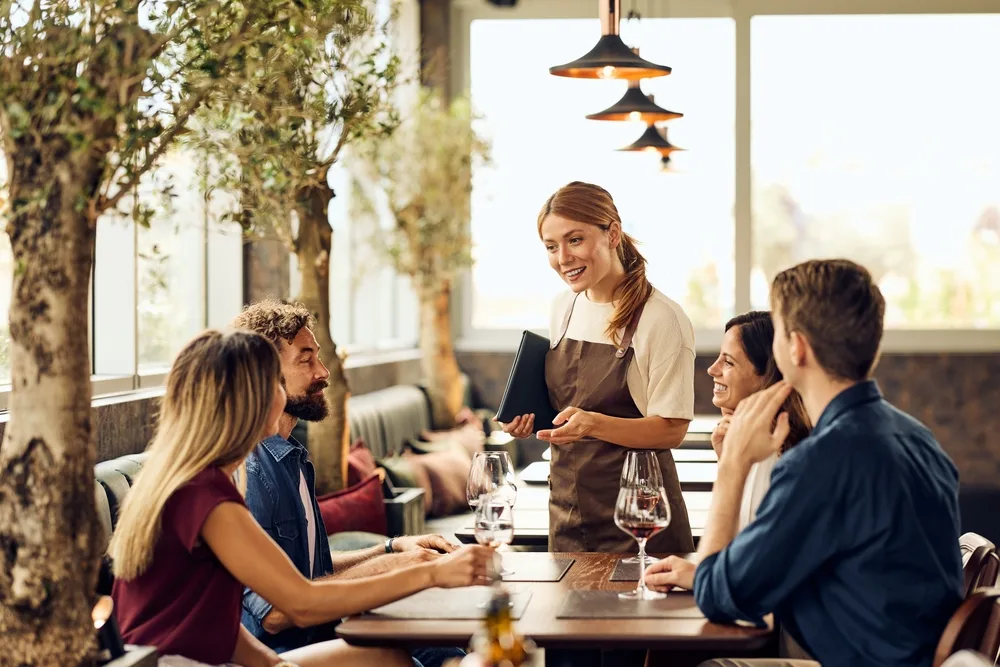
The soft launch is your safety net and your secret weapon. Plan a 7-10 day soft opening for friends, family, and select VIPs before your official grand opening. This isn’t just about working out operational kinks—though you will—it’s about creating your first wave of authentic word-of-mouth marketing.

Invite 20-50 people who represent your target demographic. Watch how they interact with your space, what they order, what they photograph. Survey them systematically: What surprised them? What confused them? Would they bring their friends? Use this feedback to make real adjustments to your menu, service flow, and ambiance before the critics arrive.

Then layer in your influencer preview events. Identify nano-influencers with 5,000-10,000 followers who align with your brand values. These smaller accounts often deliver better engagement than celebrity influencers because their audiences trust them. Invite them for comped meals in exchange for honest posts—not scripted endorsements, but genuine reactions to your food and experience.

Create Instagrammable moments deliberately. That doesn’t mean tacky photo walls—it means thoughtful design choices that photograph beautifully: dramatic plating, interesting lighting, unique architectural details. Provide a custom hashtag and encourage immediate posting rather than embargoes. The risk of delayed content is that momentum dies; the reward of instant sharing is that buzz builds on itself.

Consider pop-up collaborations with local chefs or mixologists during your preview period. These partnerships introduce your venue to established audiences while adding novelty that drives social shares. A guest bartender with a following can fill your bar on a Tuesday night and generate content that reaches thousands of potential customers you couldn’t access on your own.

Design a Grand Opening That Becomes a Community Event

Your grand opening should happen approximately one month after your soft launch—enough time to refine operations but not so long that initial buzz fades. This isn’t just a ribbon-cutting; it’s a spectacle that gives media a reason to cover you and gives guests a reason to show up.

Partner with local businesses, nonprofits, or community organizations to add depth to your event. A charity tie-in gives you a story beyond “new restaurant opens” and demonstrates your commitment to the community you’re joining. Live music, cooking demonstrations, and sampling stations create energy and give attendees multiple reasons to stay, post, and return.

Invite VIPs strategically: city council members, chamber of commerce leadership, established restaurateurs, and media personalities. Their presence lends credibility and often generates additional coverage. Provide gift bags with branded items and discount cards for return visits—not cheap tchotchkes, but useful items that keep your name in front of guests.

Stage photo opportunities deliberately. A ribbon-cutting with the mayor, a champagne toast with your team, the first dish served—these moments need to be planned, well-lit, and easy for photographers to capture. Hire a professional photographer and videographer to document everything; this content will fuel your marketing for months.

Track everything. Set occupancy targets, monitor social media mentions in real-time, and measure reservation rates in the days following your opening. The data you collect in your first 30-90 days will tell you what’s working and what needs adjustment. Properties that host interactive, experiential events see 2.4 times more media coverage than those with standard openings, so measure your return on that investment carefully.

Sustain Momentum Beyond Opening Week

The biggest mistake new restaurants and hotels make is treating the grand opening as the finish line. It’s the starting gun. Your PR strategy for days 31-90 matters as much as your launch week because this is when you convert curiosity into loyalty.

Continue inviting food bloggers and critics for post-opening visits. Many publications won’t review you immediately, preferring to let you work out early issues. Make it easy for them to return by offering dedicated reservation times and ensuring your best staff is working. Follow up with guests who attended your opening events through email marketing and social media, offering incentives for return visits.

Integrate your opening momentum into a loyalty program. Guests who visit in your first month should receive special recognition—early adopter status, exclusive menu previews, or invitation-only events. This creates a core community of advocates who will promote you organically.

Keep feeding the content machine. Post regularly about new menu items, staff spotlights, and customer stories. Host monthly events—wine dinners, chef collaborations, live music series—that give you fresh angles to pitch media. Each event is an opportunity to re-engage journalists and influencers who covered your opening.

Measure your success against concrete metrics: occupancy rates, average check size, social media engagement, review site ratings, and repeat customer percentage. If you’re not hitting your targets, adjust quickly. The first 90 days are when habits form—both for your team and your customers.

The path from concept to thriving restaurant or hotel runs through disciplined, strategic public relations. Start your PR work six months before opening, craft press materials that tell a compelling story, execute soft launches that generate authentic buzz, and stage a grand opening that becomes a community moment. Then sustain that momentum through the critical first 90 days when your reputation solidifies. The restaurants and hotels that pack their houses from day one aren’t lucky—they’re prepared. They understand that great food and beautiful spaces aren’t enough; you need a systematic approach to getting people through your door and keeping them coming back. Build your playbook now, execute it with precision, and watch your opening day become the beginning of something that lasts.

reddit
Digital PR

Why Reddit and Wikipedia Now Drive More Brand Discovery Than Most Owned Media

If you want to know where AI answer engines pull their citations from, the answer is concentrated....

Learn More
Digital PR

The Four Signals: How to Engineer a Brand to Be Cited Inside AI Answers

When a buyer asks ChatGPT, Perplexity, Google AI Overviews, or Gemini who the leaders are in your...

Learn More
Marketing

THE ACCOUNTING & FINANCE SOFTWARE AI VISIBILITY INDEX 2026

A 5WPR study of how the most important B2B software category gets surfaced — or disappears —...

Learn More
Related Marketing