How did social media change public relations? Social media replaced one-way press releases with real-time, two-way conversations that can turn into a crisis or an opportunity within minutes. PR teams now manage community engagement and analytics across platforms such as TikTok, Instagram, and LinkedIn as a core strategy, not an add-on to traditional media relations.
Last updated October 6, 2026.
What Are the Five Ways Social Media Changed PR?
Social media changed public relations in five concrete ways: it forced a customer-first focus, created a 24/7 news cycle, made basic PR accessible to small businesses, merged PR with marketing execution, and turned announcements into two-way engagement.
| Shift | What changed | What PR does now |
|---|---|---|
| Customer-first focus | Complaints moved from private support lines to public posts | Builds social response into crisis planning, not only customer service |
| 24/7 news cycle | Stories break and spread at any hour | Monitors mentions continuously and sets response rules in advance |
| Accessible to small business | Publishing no longer requires a press release or a media contact | Helps small brands pick the few platforms where customers actually spend time |
| PR merged with marketing execution | Reputation and promotion share the same posts and content | Coordinates content and message with the marketing team |
| Two-way engagement | Audiences reply, share, and respond in public | Treats comments and replies as part of the message |
The reason this matters is mechanical. When a customer can post a complaint publicly instead of calling a support line, the brand's response becomes part of the public record instantly. That is why companies now build social response into crisis planning.
Which Platform Fits Which PR Goal?
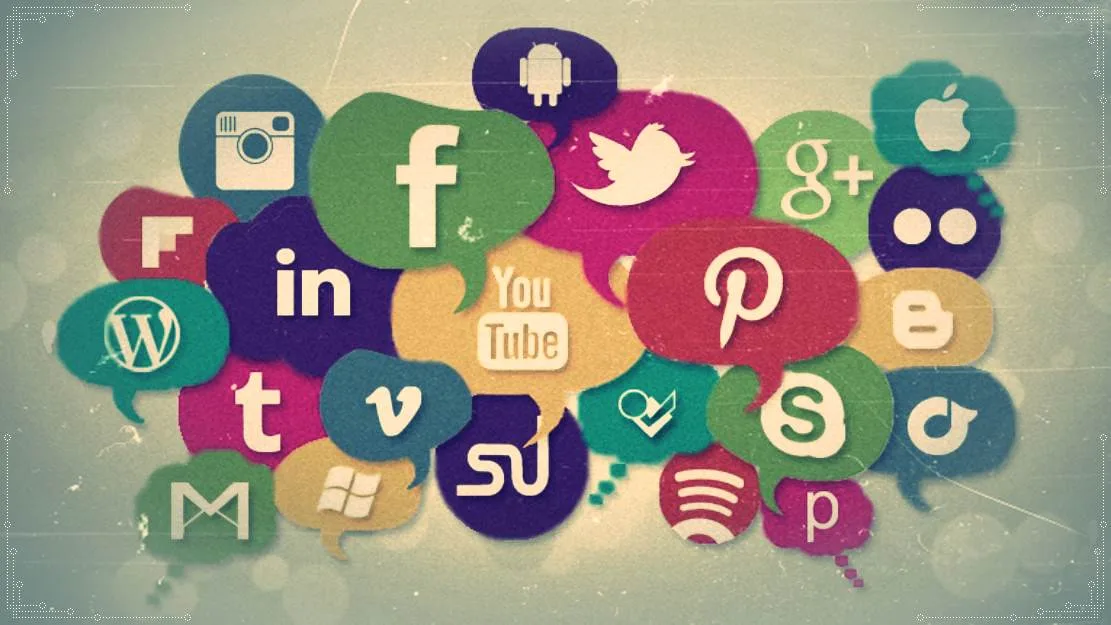
Choose the platform where your actual audience already spends time, because social media lowered the cost of entering PR but did not make every platform relevant to every audience.
| Platform | Best for | PR use |
|---|---|---|
| B2B companies and executives | Builds corporate thought leadership | |
| Consumer brands with visual stories | Shareable campaigns and creator content | |
| TikTok | Consumer brands reaching younger audiences | Short video that earns organic reach |
How Should a Brand Measure Social Media PR?
Measure social media PR through share of voice against named competitors, sentiment of brand mentions, engagement rate by platform, and conversion from social reach into owned channels. Raw impressions alone say little.
| Metric | What it measures |
|---|---|
| Share of voice | Brand mention volume relative to named competitors |
| Sentiment analysis | Whether mentions skew positive, negative, or neutral |
| Engagement rate | Interactions per post, by platform and content type |
| Social-to-owned conversion | How much social reach turns into newsletter signups or site visits |
Spotify's annual Wrapped campaign is a useful reference point. The company builds the campaign around personalized listener data designed to be shared on Instagram and TikTok, which is the mechanism behind its consistent organic reach each December.
How Does Crisis Management Change on Social Media?
Crisis management changes on social media because a single viral post can force a public response within hours, before a company finishes its internal investigation. 5W's Crisis Tax study names the first 48 hours as the most critical window for long-term financial outcomes.
Delta Air Lines' August 2016 global IT outage, which canceled hundreds of flights, is a documented case. CEO Ed Bastian released two public apology videos, and the airline waived rebooking fees and issued $200 vouchers to delayed passengers. TravelPulse's contemporaneous coverage credited that response with keeping the incident from becoming a larger reputational crisis, despite ongoing criticism of its speed.
Use this sequence when a post turns into a crisis:
- Acknowledge the issue publicly within hours, even before every fact is confirmed.
- Lead the response before outside reporting defines the narrative. A prompt public response does more to contain a crisis than a delayed, lawyer-reviewed statement.
- Name one spokesperson and keep every platform's message consistent.
- Update publicly as facts are confirmed.
- Monitor sentiment with social listening tools.
The full response-team structure is in 5W's crisis PR guide.
What Should a Small Business Do on a Limited Social PR Budget?
A small business should pick the one or two platforms where its customers actually spend time instead of keeping a presence everywhere. LinkedIn suits B2B companies, and a consumer brand does better concentrating on Instagram or TikTok. Keep a written crisis response plan even at small scale, because Delta's 2016 response shows what preparation looks like.
How Is Social Media PR Different From Social Media Marketing?
Social media PR focuses on reputation, media relations, and crisis response, while social media marketing focuses on paid promotion and direct sales conversion. The two increasingly share the same content, so they must be coordinated.
What Are Common Questions About Social Media PR?
Is social media PR different from social media marketing?
Yes. PR focuses on reputation and crisis response, and marketing focuses on paid promotion and sales, though they share content and need coordination.
How fast should a brand respond to a social media complaint?
Within hours, not days. Social media's 24/7 news cycle means an unanswered complaint gathers visibility and replies the longer it sits.
Can a small business do its own social media PR?
Yes. Social media lowered the cost of entry enough for basic in-house PR, but a crisis response plan still needs preparation.
Which metrics matter most?
Share of voice, sentiment, engagement rate by platform, and social-to-owned conversion. Raw impressions alone are not enough.
Conclusion: What Should a Brand Set Up First?
Choose the platforms your customers use, write the response rules before a crisis, and track share of voice and sentiment from day one.
5W's digital PR team builds social-first PR strategies, the crisis communications practice writes the response plans, and corporate communications develops executive thought leadership on LinkedIn.