

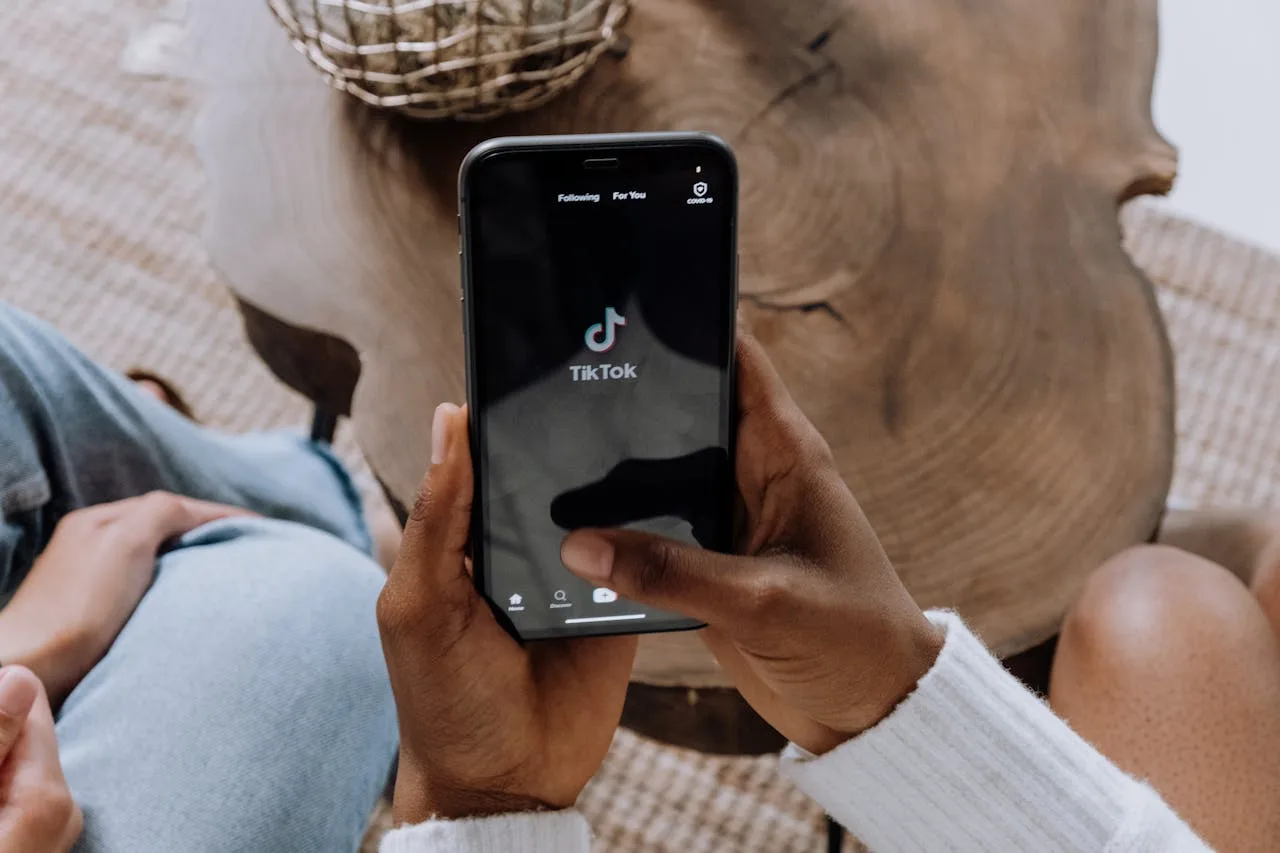
TikTok PR is the use of short-form video to build a brand's reputation, reach journalists and creators, and show up where audiences already shop and follow news. Pew Research Center found that 37% of U.S. adults use TikTok, up from 21% in 2021, and that 20% of all U.S. adults regularly get news there, up from 3% in 2020.
Last updated October 21, 2026. Dated facts below carry their sources.
What are the key takeaways on TikTok PR?
TikTok PR works when a brand teaches, entertains or shows something real in the first seconds of a video, keeps one recognizable voice, and treats trends as a test of fit. The platform is also a news and product-discovery channel, so PR teams belong there.
- Use TikTok where the audience is: 63% of adults under 30 use it.
- Join a trend only when it fits the brand, since a third of consumers find trend-chasing embarrassing.
- Disclose paid creator partnerships clearly.
- Measure view-through, engagement, follower growth and traffic to owned channels.
Quick definition: what is TikTok PR?
TikTok PR is public relations practiced on TikTok, including organic brand video, creator relationships, journalist outreach and reputation response.
What does the data say about TikTok use and news?
The data says TikTok is a mainstream platform for young adults and a growing source of news and product ideas. The figures below come from Pew Research Center surveys.
| Finding | Figure | Source |
|---|---|---|
| U.S. adults who say they use TikTok | 37%, up from 21% in 2021 | Pew Research Center, March 2, 2026 |
| Adults under 30 who use TikTok | About six in ten (63%) | Same Pew analysis |
| All U.S. adults who regularly get news on TikTok | 20%, up from 3% in 2020 | Pew Research Center, September 25, 2025 |
| TikTok users who regularly get news there | 55%, up from 22% in 2020 | Same September 2025 Pew analysis |
| Adult TikTok users who use it for product reviews or recommendations | 62% | Pew Research Center analysis of Americans and TikTok |
Why should a PR team use TikTok?
A PR team should use TikTok because the audience it reaches there shops, learns and follows news on the platform, and the format rewards real people over polished corporate messaging. Two Pew figures show the stakes: 62% of adult users look at product reviews or recommendations, and 55% regularly get news.
That makes the platform both a reputation channel and a discovery channel. See social media PR for how TikTok fits with other platforms.
How can PR professionals reach journalists on TikTok?
PR professionals reach journalists on TikTok by posting useful, specific content in the topics a reporter covers and by engaging with reporters' posts, since news flows through the platform. Pew found that among adults who regularly get news on TikTok, about two-thirds say it comes from influencers or celebrities and a similar share from news outlets or journalists, as reported by NetInfluencer.
The practical step is the same as in any media relations program: read the reporter's recent work, offer a data point or expert tied to it, and respond when asked. TikTok adds a public place to build that familiarity.
What kind of TikTok content spreads organically?
Content that teaches something new, shows a real person or taps into a cultural moment tends to travel on TikTok, while corporate announcements usually do not. Show behind-the-scenes work, answer a question customers actually ask, or demonstrate a product in use.
| Content type | Why it works | Example for a brand |
|---|---|---|
| Teach one thing | Gives the viewer a reason to watch and save | A 30-second how-to from a staff expert |
| Behind the scenes | Shows the people and process behind the brand | A day in the kitchen, studio or warehouse |
| Customer proof | Gives social proof in a real voice | A customer showing a result, with permission |
| Reply to a comment | Turns a question into a public answer | A video response to a common comment |
Which TikTok features help PR teams?
TikTok's native tools let a brand respond to and build on other people's content, which suits a two-way PR approach. Four tools are most useful for PR work.
- Stitch and Duet let a brand react to or build on a user's video.
- Q&A sessions collect questions and give feedback.
- Live streaming creates real-time connection with an audience.
- Hashtag challenges invite user participation and content.
Which TikTok trends should lifestyle brands use?
Lifestyle brands should use trends that fit what they already stand for and that connect to how people actually use TikTok, which includes discovering products. Two long-running community trends show this: "TikTok made me buy it," where users share products they bought after seeing a video, and BookTok, a community built around reading and book recommendations.
Pew's finding that 62% of adult TikTok users look at product reviews or recommendations explains why product-discovery formats work. The 2025 Sprout Social Index adds a caution: 93% of consumers say it is important for brands to keep up with online culture, yet a third think jumping on trends is embarrassing and 27% say trends are only effective within 24 to 48 hours, per Sprout Social's release.
A simple test before joining a trend: does it fit the brand's voice, can the brand add something useful, and can it be done well and fast? If any answer is no, skip it. The lifestyle PR practice builds campaigns around this test.
How do you keep a consistent brand voice on TikTok?
You keep a consistent brand voice on TikTok by deciding in advance what the brand sounds like and what it will never say, then letting that voice show up in a casual format. Casual does not mean off-brand.
Write three voice traits, a few phrases the brand uses and a list of topics to avoid, and share them with everyone who posts. A content calendar should mix planned campaign content with room for real-time responses, and the team should post at a pace it can hold.
How should a brand work with TikTok creators?
A brand should work with TikTok creators by choosing for audience fit and content quality, and by letting creators keep their own voice while carrying the brand message. Look at audience alignment, engagement rate and past brand work.
Paid partnerships must be disclosed clearly, as the guide to influencer disclosure rules explains, and the influencer marketing guide covers creator tiers and vetting. See also how pet brands compare TikTok, Instagram and YouTube for platform fit.
How do you measure TikTok PR?
You measure TikTok PR with view-through rate, engagement rate, follower growth, hashtag participation and traffic from TikTok to owned channels, compared with a baseline set before the program starts.
| Metric | What it shows |
|---|---|
| View-through rate | Whether people watch to the end |
| Engagement rate | Likes, comments and shares per view |
| Follower growth | Whether the account earns an audience |
| Hashtag usage | Whether people take part in a branded challenge |
| Website traffic from TikTok | Whether attention turns into visits |
Frequently asked questions
Is TikTok good for PR?
Yes, for brands whose audience is on it. Pew found 37% of U.S. adults use TikTok and 20% regularly get news there, so it works for reputation and discovery.
How do PR professionals use TikTok?
They post useful, authentic video, build relationships with creators and journalists, respond to comments and trends, and drive traffic to owned channels.
Should brands jump on every TikTok trend?
No. A third of consumers find trend-jumping embarrassing, so join only trends that fit the brand's voice and let it add something useful.
What is "TikTok made me buy it"?
It is a trend in which users share products they bought after seeing a TikTok video, and it reflects how many users look to the platform for product recommendations.
How do you measure TikTok PR?
Track view-through rate, engagement rate, follower growth, hashtag participation and website traffic from TikTok.
Do TikTok creator partnerships need disclosure?
Yes. Paid partnerships and free product relationships must be disclosed clearly under FTC rules.
What should a PR team do first?
A PR team should write its brand voice rules, pick two content types it can produce steadily, and set a baseline for view-through and engagement. Then test one creator partnership with clear disclosure. See the digital PR practice for program support.