
The six beauty marketing trends for 2026 from Beauty Matter's FUTURE50 Summit are a non-linear customer journey, community-driven growth, retail as a validation engine, the convergence of beauty and wellness, trust built through education, and an omnichannel experience. Together they mean brands win by defining a clear role for each channel and building credibility at every touchpoint.
Last updated: October 24, 2026
Key takeaways
- Discovery, validation and purchase now happen at the same time, not in a straight line.
- Community and repeat engagement are replacing one-off viral moments as the main growth driver.
- Retail is a credibility channel as well as a sales channel.
- Consumers think in routines, so beauty and wellness products should be positioned inside a system.
In this guide
- What are the six beauty marketing trends for 2026?
- Why is the beauty customer journey non-linear?
- Why is community replacing virality?
- Why is retail a validation engine?
- How are beauty and wellness converging?
- How do brands build trust and education?
- What does an omnichannel experience require?
- Frequently asked questions
What Are the Six Beauty Marketing Trends for 2026?
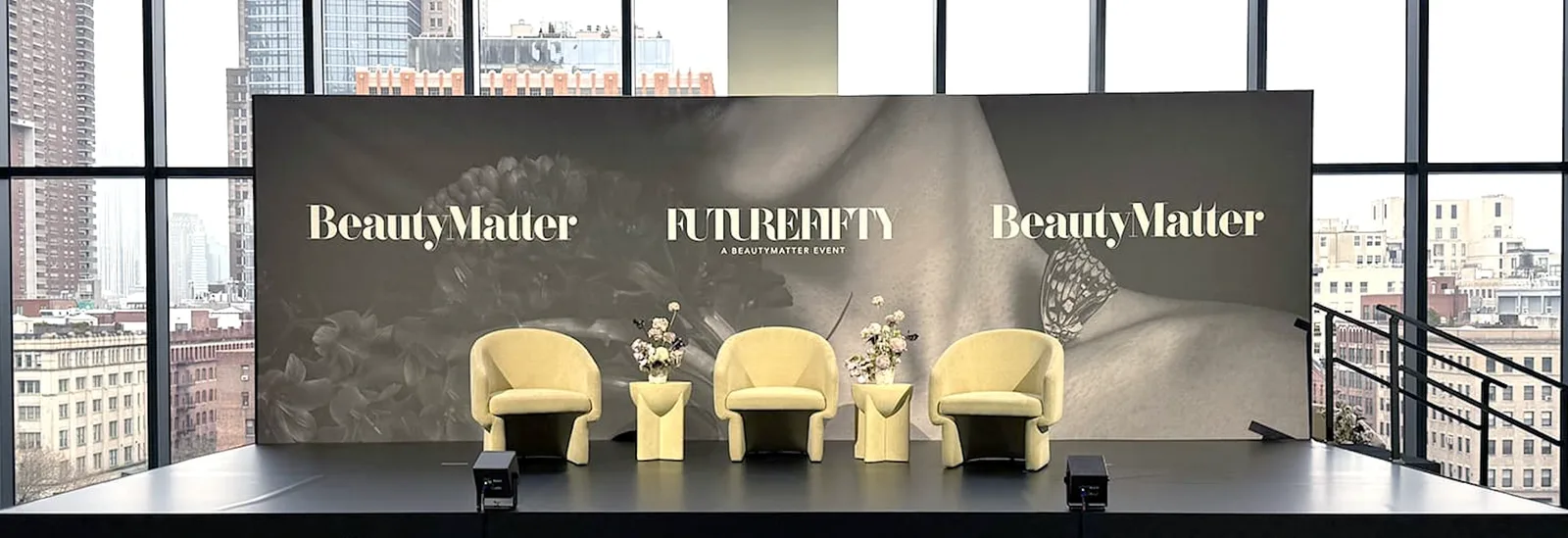
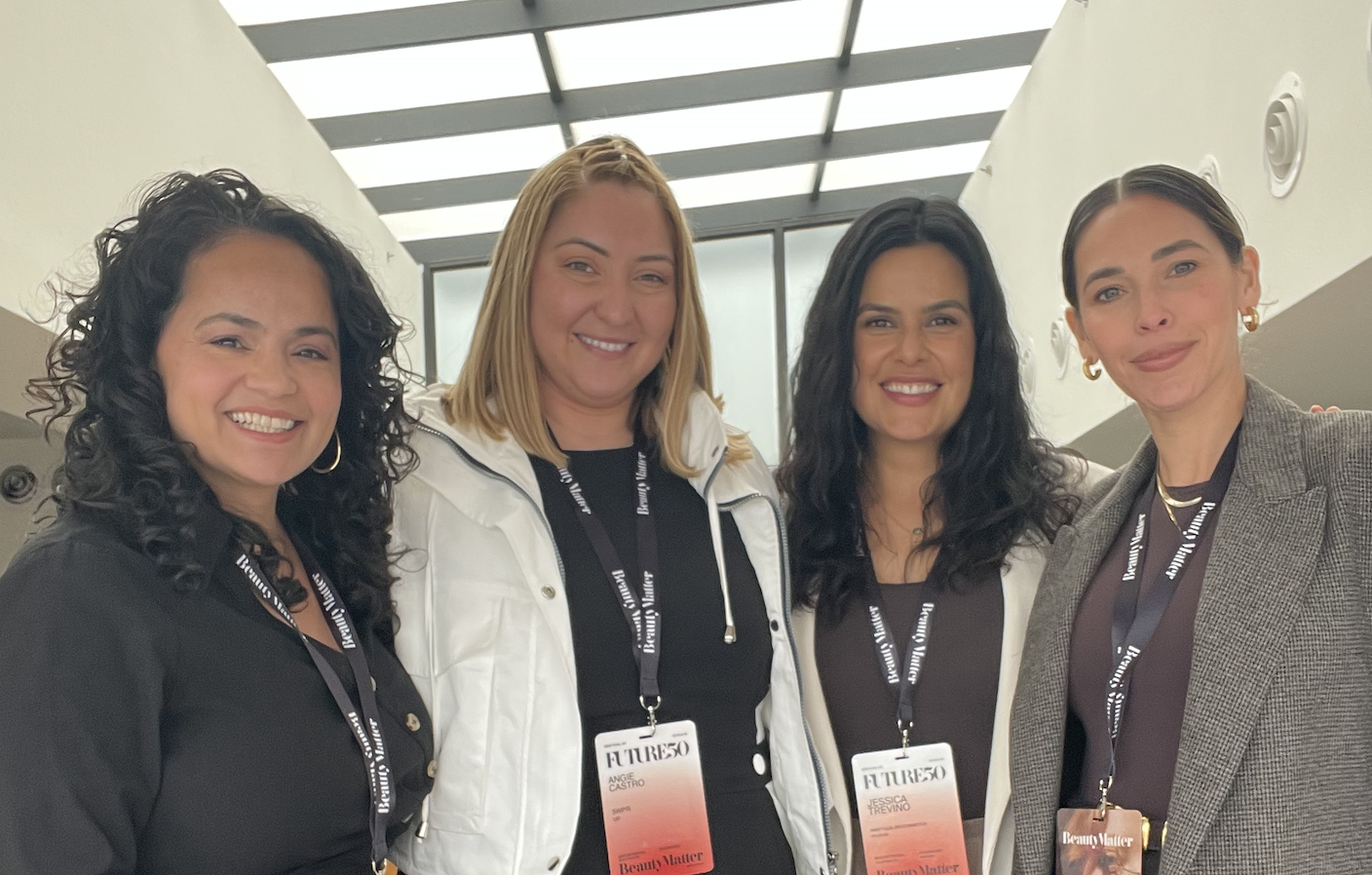
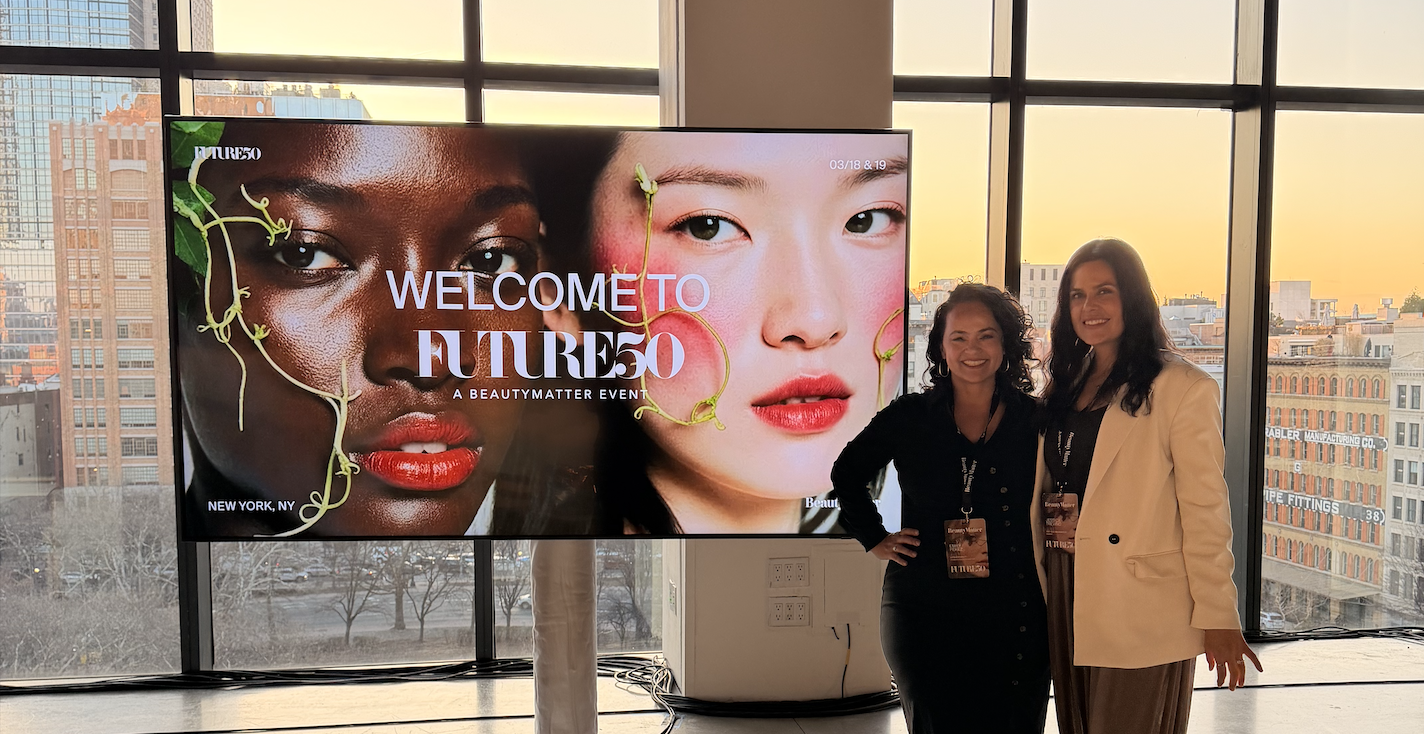
The six trends came out of the sessions 5W's team attended at Beauty Matter's FUTURE50 Summit. The table sums up each one and the response it calls for. The beauty practice at 5W covers these areas in its consumer beauty PR work.
| Trend | What it means | What brands should do |
|---|---|---|
| Non-linear journey | Discovery, reviews, research and purchase happen at once | Build a connected ecosystem across channels |
| Community over virality | Sustained engagement beats one-off viral spikes | Prioritize consistent engagement that keeps consumers connected |
| Retail as validation | Retailers act as discovery, education and experience hubs | Treat retail as a strategic partner and be operationally ready |
| Beauty and wellness convergence | Consumers think in routines, not categories | Position products within a broader routine or system |
| Trust and education | Informed but skeptical consumers ask about ingredients, efficacy, claims and safety | Simplify information and lead with credibility |
| Omnichannel experience | Physical experiences still drive conversion and trust, while digital drives discovery | Invest in online and offline experiences that work together |
Why Is the Beauty Customer Journey Now Non-Linear?
The beauty customer journey is non-linear because consumers move across platforms before they buy. A typical journey might include discovering a product on TikTok, reading reviews on Amazon, researching ingredients on the brand's website and purchasing in store or online. These actions happen at the same time, not in sequence.
That means consumers expect consistency across every channel. If messaging, availability or credibility breaks at any point, the sale is lost. Brands should build a connected ecosystem where discovery, validation and purchase work together.
Why Is Community-Driven Marketing Replacing Virality?
Community-driven marketing is replacing virality because beauty marketing has shifted from one-off viral moments toward sustained engagement. The beauty marketing brands outperforming today build communities and not only audiences, create ongoing content ecosystems and drive repeat engagement across platforms.
For marketers, community is now a primary driver of retention and loyalty, not just awareness. Prioritize consistent engagement strategies over short-term spikes.
Why Is Retail a Validation Engine and Not Just a Sales Channel?
Retail is a validation engine because it directly affects brand credibility and conversion, beyond distribution. At FUTURE50, retailers described themselves as discovery platforms, education hubs and experience-driven environments.
For beauty brands, retail is now a hybrid of commerce, content and experience, and it shapes how consumers evaluate a brand. Approach retail as a strategic growth partner, and make sure operations, storytelling and differentiation are ready before scaling.
How Are Beauty and Wellness Converging?
Beauty and wellness are converging because consumers no longer think in categories; they think in routines. 5W is seeing increased demand for solutions that connect skin health and ingestibles, sleep, stress and beauty outcomes, and longevity and preventative care.
Brands should position products within a broader routine or system, not as standalone solutions. For the regulatory side of wellness claims, see the guide to wellness PR regulatory review.
How Do Beauty Brands Build Trust Through Transparency and Education?
Beauty brands build trust by simplifying complex information and leading with credibility, because consumers are more informed and more skeptical than before. With TikTok, AI tools and real-time reviews, they ask deeper questions about ingredients, efficacy, claims and safety.
Trust is no longer assumed; it must be earned. For the claims side, see the guide to building a clean beauty brand with proven transparency, and for how AI tools describe beauty brands see the beauty AI visibility index.
What Does an Omnichannel Beauty Experience Require?
An omnichannel beauty experience requires online and offline experiences that work together, because physical experiences remain essential to conversion and trust while digital platforms continue to drive discovery and education. The future of beauty is not digital versus physical; it is fully integrated.
Brands should invest in both and make sure they create a seamless consumer journey. The same theme appeared in the trade-show view of the market, covered in the Cosmoprof Miami trends recap, and the Korean beauty angle is in the guide to K-beauty PR in the U.S. market.
Frequently asked questions
What are the main beauty marketing trends for 2026?
A non-linear customer journey, community-driven growth, retail as a validation engine, the convergence of beauty and wellness, trust built through education and transparency, and an omnichannel experience.
Is viral marketing still effective for beauty brands?
Viral moments can help, but the brands outperforming today build communities and sustained engagement, which drive retention and loyalty more than one-off spikes.
Why do beauty brands need retail partnerships?
Retailers act as discovery platforms, education hubs and experience environments, so they affect how consumers evaluate a brand as well as where they buy it.
How should beauty brands approach wellness?
Position products within a broader routine or system, since consumers connect skin health, sleep, stress and longevity instead of thinking in single categories.
What is FUTURE50?
FUTURE50 is an event run by Beauty Matter that 5W's team attended, where these six themes emerged for the beauty and wellness industries.
What does this mean for beauty brands?
The brands that win define clear roles across channels, build trust at every touchpoint and adapt to how consumers actually behave, not how they used to. As the beauty and wellness industries become more complex, the opportunity is to simplify the experience for the consumer while strengthening credibility, connection and consistency in every interaction.