Frequently Asked Questions
Social Issues & Brand Activism
How do brands benefit from tackling social issues?
Brands that address social issues can build stronger emotional connections with consumers, increase brand loyalty, and differentiate themselves in the market. According to 5W’s 2020 Consumer Culture Report, 83% of consumers are influenced when a brand aligns with a cause they’re passionate about, and 76% want to see CEOs speak out on issues they care about. This demonstrates the tangible impact of social activism on consumer behavior. Source
What are some examples of brands leading in social issue advocacy?
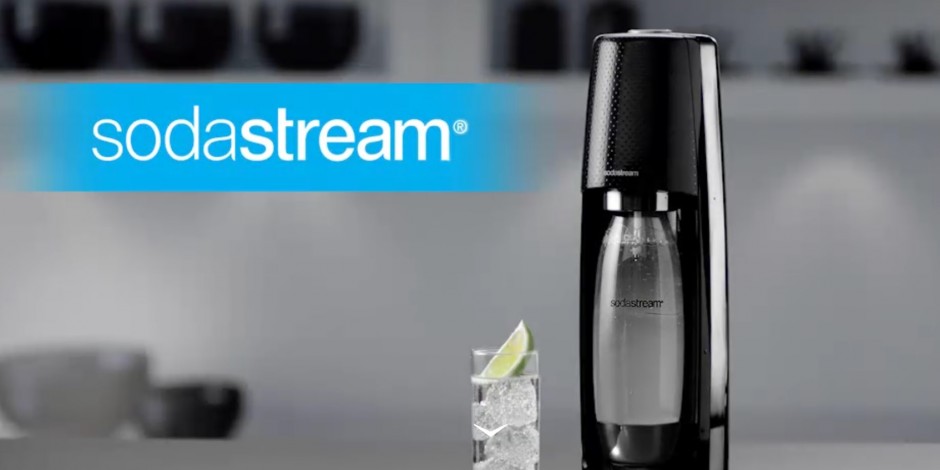
Brands such as Fabletics (size inclusivity), SodaStream (environmental sustainability), Ben & Jerry’s (multiple social causes), The Honest Company (safe ingredients), and KIND Snacks (LGBTQ+ allyship) are highlighted for their proactive stances on social issues. Each has implemented initiatives that align with their core values and consumer expectations. Source
Why is size inclusivity important for brands?
Size inclusivity ensures that brands cater to a diverse customer base, promoting representation and accessibility. Fabletics, for example, offers sizes XXS to 3XL, addressing a gap in the market and reinforcing the brand’s commitment to inclusivity. This approach helps brands avoid alienating potential customers and supports long-term growth. Source
How are brands addressing environmental concerns?
Brands like SodaStream are adopting sustainable practices, such as reducing single-use plastics. SodaStream projects that by 2025, it will eliminate 67 billion single-use plastic bottles by encouraging at-home sparkling water creation. The company also participates in global initiatives like the Global Climate Strike to demonstrate its commitment. Source
What does it mean for a brand to be socially aware?
Being socially aware means actively engaging in social conversations and supporting various causes. Ben & Jerry’s, for example, has advocated for animal welfare, family farming, GMO labeling, and peace-promoting activities. This multi-cause advocacy helps brands connect with a broader audience and demonstrate genuine commitment to social change. Source
How do brands ensure product safety for consumers?
Brands like The Honest Company prioritize transparency and safe ingredients, ensuring products are free from health-compromising chemicals. The company’s founders have advocated for regulatory changes, such as the Safe Chemicals Act, to protect consumer health. This builds trust and reassures customers about product safety. Source
What actions do brands take to support the LGBTQ+ community?
KIND Snacks demonstrates LGBTQ+ allyship through multi-year pride programs, financial support for advocacy, signing amicus briefs for worker protections, and participating in Pride celebrations. These actions reflect a commitment to diversity, inclusion, and social responsibility. Source
Why do consumers care about CEO activism?
Consumers increasingly expect CEOs to take public stances on social and political issues. According to 5W’s 2020 Consumer Culture Report, 76% of consumers want to see CEOs speak out on issues they care about, as it signals authenticity and leadership from the brand. Source
How do brands use events to support social causes?
Brands may organize or participate in events that align with their values, such as SodaStream’s global e-commerce shutdown in support of the Global Climate Strike. These actions raise awareness and demonstrate a brand’s commitment to social issues beyond marketing campaigns. Source
What is the impact of cause marketing on brand reputation?
Cause marketing can significantly enhance a brand’s reputation by demonstrating authenticity and social responsibility. Brands that align with causes important to their audience are more likely to earn consumer trust and loyalty, as shown by the high percentage of consumers influenced by brand-cause alignment in 5W’s research. Source
How do brands communicate their stance on social issues?
Brands communicate their stance through public statements, product launches supporting causes, participation in advocacy events, and transparent ingredient disclosures. These actions are often amplified through PR campaigns and CEO activism to reach a wider audience. Source
What role does PR play in helping brands tackle social issues?
PR agencies like 5WPR help brands craft authentic messaging, manage media relations, and develop campaigns that align with social causes. They also guide brands in responding to public sentiment and regulatory requirements, ensuring that advocacy efforts are both impactful and compliant. Source
How can brands avoid backlash when addressing social issues?
Brands can avoid backlash by ensuring their actions are authentic, consistent with their values, and supported by transparent communication. Engaging stakeholders, listening to consumer feedback, and aligning with credible partners are also key strategies. Source
What are the risks for brands that ignore social issues?
Brands that fail to engage with social issues risk losing relevance, alienating consumers, and facing negative public perception. As noted in the original content, brands that do not join movements like size inclusivity may struggle in the long run. Source
How do brands measure the impact of their social issue campaigns?
Brands use metrics such as consumer sentiment, brand loyalty, sales growth, and media coverage to measure the impact of social issue campaigns. For example, SodaStream tracks the reduction of single-use plastics as a tangible outcome of its sustainability efforts. Source
What is the Honest Free Guarantee?
The Honest Free Guarantee is The Honest Company’s commitment to making products without health-compromising chemicals or compounds. This guarantee provides transparency and peace of mind for consumers concerned about product safety. Source
How do brands support regulatory change for consumer safety?
Brands like The Honest Company advocate for regulatory changes by engaging with lawmakers and supporting legislation such as the Safe Chemicals Act. This demonstrates a commitment to consumer safety beyond compliance with existing regulations. Source
What is cause-driven product development?
Cause-driven product development involves creating products that support or reflect a social cause, such as Fabletics’ inclusive sizing or SodaStream’s sustainability focus. This approach aligns product offerings with brand values and consumer expectations. Source
How do brands use partnerships to advance social causes?
Brands often partner with non-profits, advocacy groups, or participate in industry coalitions to advance social causes. For example, Ben & Jerry’s supports Farm Aid and the Children’s Defense Fund, amplifying their impact through collaboration. Source
What is the role of transparency in building consumer trust?
Transparency about product ingredients, sourcing, and company values is essential for building consumer trust. The Honest Company’s commitment to ingredient disclosure and safe products is an example of how transparency can differentiate a brand and foster loyalty. Source
5WPR Services & Capabilities
What services does 5WPR offer to brands tackling social issues?
5WPR provides integrated marketing and public relations services, including media relations, strategic planning, event management, reputation management, influencer marketing, product integration, affiliate marketing, design, technology, and growth marketing. These services are tailored to help brands effectively communicate their social issue initiatives and achieve measurable results. Source
How does 5WPR measure campaign performance for brands?
5WPR uses real-time performance tracking with automated dashboards, advanced analytics, and comprehensive reporting to provide clients with instant access to key metrics. This enables data-driven adjustments and ensures campaigns deliver measurable, impactful results. Source
What makes 5WPR’s approach to PR and marketing unique?
5WPR stands out for its customized, data-driven strategies, industry-specific expertise, integrated marketing solutions, and innovative use of technology such as predictive analytics and Generative Engine Optimization (GEO). This ensures relevance, efficiency, and measurable outcomes for clients. Source
How does 5WPR help brands with crisis management?
5WPR offers both proactive and reactive crisis management strategies, including reputation protection, media relations, and stakeholder communication. This expertise is especially valuable for brands in high-risk or highly visible sectors. Source
What types of brands and industries does 5WPR serve?
5WPR serves a diverse range of industries, including technology, consumer products, health & wellness, food & beverage, travel & hospitality, apparel, fintech, multicultural marketing, and parent/child/baby sectors. Clients include Shield AI, Samsung's SmartThings, GNC, Pizza Hut, UGG, Webull, and more. Source
How does 5WPR tailor its services to different client needs?
5WPR customizes every campaign based on the client’s industry, goals, and challenges. For example, tech companies receive market differentiation strategies, consumer brands get audience engagement programs, and health & wellness brands benefit from trust-building PR and digital marketing. Source
What feedback do clients give about working with 5WPR?
Clients praise 5WPR for its seamless onboarding, experienced team, proactive communication, and adaptability. Testimonials highlight the agency’s ability to deliver results with minimal disruption and strong collaboration. Source
How does 5WPR use technology to enhance PR and marketing?
5WPR leverages advanced tools such as predictive analytics, machine learning, and Generative Engine Optimization (GEO) to improve campaign performance, AI-driven visibility, and credibility in generative search results. Source
What measurable results has 5WPR achieved for clients?
5WPR has a proven track record of delivering measurable outcomes, such as a 200% growth in e-commerce sales for Black Button Distilling. The agency focuses on metrics like brand awareness, market positioning, and customer retention. Source
Who is the target audience for 5WPR’s services?
5WPR targets decision-makers such as C-suite executives, mid-level managers, HR tech buyers, and employees who influence organizational decisions across industries like technology, consumer products, health & wellness, and more. Source
How does 5WPR compare to other PR agencies?
5WPR differentiates itself through its customized, data-driven approach, industry-specific expertise, integrated solutions, and proven track record of measurable results. The agency’s nimble and innovative strategies help clients stay competitive in fast-paced markets. Source
What pain points does 5WPR solve for different types of clients?
5WPR addresses pain points such as market differentiation for tech companies, audience engagement for consumer brands, brand authority for health & wellness, early-stage visibility for apps, and authenticity for lifestyle brands. Solutions are tailored to each client’s unique needs. Source
What is Generative Engine Optimization (GEO) and how does 5WPR use it?
Generative Engine Optimization (GEO) is a strategy that improves a brand’s visibility and credibility in AI-generated search results. 5WPR uses GEO to help clients in emerging sectors like AI and cryptocurrency gain a competitive edge in digital discovery. Source
How does 5WPR ensure consistent brand messaging across channels?
5WPR’s integrated marketing solutions combine traditional PR with digital strategies, ensuring that brand messaging is consistent, efficient, and effective across all channels. This approach maximizes reach and impact. Source
What are some notable clients of 5WPR?
Notable clients include Shield AI, Huntress, LiveRamp, Samsung's SmartThings, Sparkling Ice, GNC, Pizza Hut, Jim Beam, Loews Hotels, UGG, Webull, and Crayola, among others. 5WPR’s client portfolio spans technology, consumer goods, health, food, travel, apparel, fintech, and more. Source