
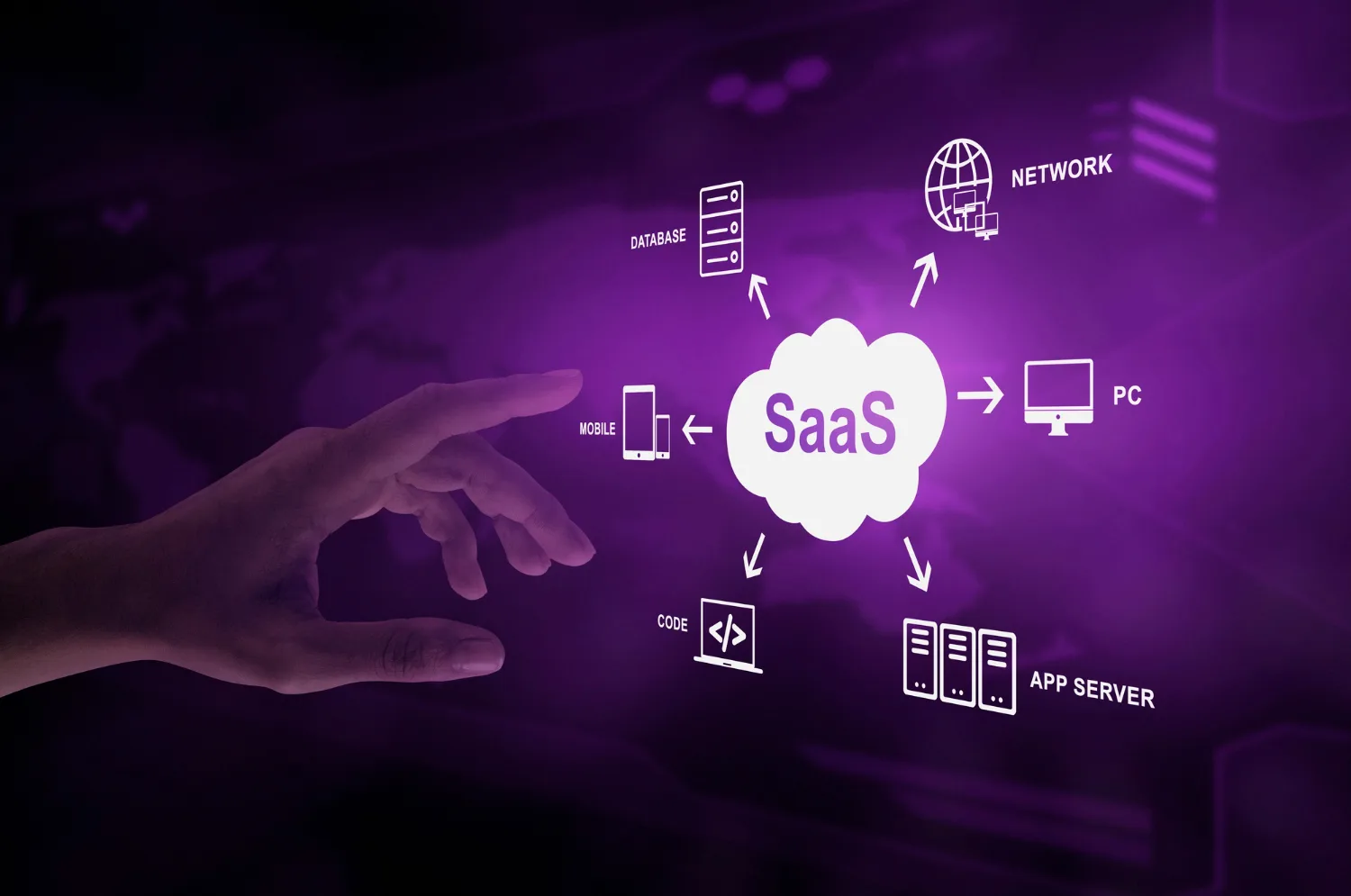
In the competitive landscape of SaaS (Software as a Service), customer retention is paramount to long-term success. Acquiring new customers is costly, while retaining existing ones can significantly improve profitability. Personalized marketing automation with the help of a SaaS digital marketing agency offers a powerful solution to enhance customer loyalty, satisfaction, and overall business growth.
Why Does Personalization Matter So Much in SaaS?
Personalization is the art of tailoring experiences to individual customers. By delivering relevant and timely messages, offers, and recommendations, companies can foster stronger connections, increase engagement, and build trust. In the context of SaaS, personalization can be a game-changer, as it allows companies to achieve multiple goals. Personalized experiences can encourage customers to interact more frequently with a product or service. By addressing specific needs and preferences, brands can create a positive and satisfying customer experience. When customers feel valued and understood, they are more likely to remain loyal to the brand. Personalized marketing can lead to higher conversion rates, increased revenue, and reduced marketing costs.
How Do You Segment a SaaS Customer Base?
Create detailed profiles of the ideal customers based on demographics, behavior, and preferences. Group customers with similar characteristics to tailor messages and offers.
What Customer Data Should SaaS Teams Leverage?
Gather information about customer behavior, preferences, and interactions with the product. Use this data to personalize communications and recommendations.
How Should SaaS Brands Deliver Personalized Communication?
Send targeted emails with relevant content and offers based on customer segments. Provide personalized messages and notifications within the product. Suggest features or upgrades that align with individual customer needs.
What Triggered Campaigns Work Best for Retention?
Send a series of emails to new customers to introduce them to the product and encourage engagement. Trigger automated messages to customers who exhibit signs of inactivity or dissatisfaction. Offer personalized recommendations based on customer behavior and purchase history.
How Do You Personalize the Full Customer Journey?
Create a customized onboarding experience based on customer segments or product usage. Provide timely and relevant assistance through channels like live chat or email. Share blog posts, webinars, or tutorials that address specific customer pain points.
What Builds Loyalty and Community Beyond Personalization?
Personalized automation drives day-to-day engagement, but loyalty programs and community give customers a reason to stay for the long term. A tiered loyalty program that offers increasing benefits as customers spend more or refer others, paired with exclusive discounts or promotions, encourages repeat engagement and reduces churn.
A dedicated customer community, whether a forum, user group, or regular webinar series, lets customers discuss the product, share best practices, and surface feedback directly to the product team. This community layer often catches early signs of dissatisfaction that automated triggers alone would miss.
Identifying upsell and cross-sell opportunities from the same customer data used for personalization closes the loop: tailored recommendations based on usage and purchase history increase both revenue and product stickiness, since customers invested across more of the platform are less likely to churn.
Which SaaS Brands Show This Working in Practice?
HubSpot uses the same customer-behavior data that powers personalization to shape which content and product recommendations a given account sees next, which is why its retention motion and its marketing motion run on one dataset instead of two. Slack takes the same data-driven approach a step earlier in the lifecycle: usage data tells the team which features a workspace has not yet adopted, and that gap becomes the input for the next in-product nudge or customer-success outreach, closing the loop between acquisition insight and retention action.
Which Tools and Platforms Support This?
HubSpot, Marketo, Pardot, and Salesforce Marketing Cloud offer comprehensive tools for personalization and automation. Segment, Tealium, and RudderStack help unify customer data from various sources for personalized marketing.
AI-powered personalization engines are tools that use machine learning to analyze customer behavior and deliver highly personalized recommendations.
What Are the Best Practices for Getting Started?
Begin with a few targeted personalization efforts and gradually expand the initiatives. Experiment with different personalization strategies to identify what works best for the customers. Track key metrics (e.g., customer engagement, retention, revenue) to assess the effectiveness of the personalization efforts.
What Challenges Should SaaS Teams Expect?
Ensure that the data is accurate, complete, and compliant with privacy regulations. Implementing personalized marketing automation can require technical expertise and resources. Some organizations may be hesitant to embrace new technologies or processes. By overcoming these challenges and leveraging the power of personalized marketing automation, SaaS businesses can build stronger customer relationships, increase customer satisfaction, and drive long-term growth.