
Frequently Asked Questions

Water Park PR Trends & Strategies

Why are emerging PR trends important for water parks?

Emerging PR trends help water parks stay competitive by addressing evolving visitor expectations, leveraging technology, and enhancing guest satisfaction. With over $3 billion in annual revenue generated by U.S. water parks, effective PR strategies are essential for attracting and retaining guests in a crowded market. Source

How are AR and VR technologies changing water park PR strategies?

AR and VR technologies are transforming guest engagement before, during, and after visits. Parks using AR/VR see an average 15% increase in guest engagement rates. For example, Six Flags White Water's AR app reduced guest complaints about wait times by 20% and improved satisfaction scores. Source

What operational technologies are water parks adopting to improve guest experience?

Water parks are implementing RFID wristbands, smart queuing systems, and mobile apps with integrated payments. These innovations reduce entry times by up to 60%, increase per-guest spending by 23%, and boost guest satisfaction by 30%. Source

How do wellness and relaxation features impact water park marketing?

Wellness-focused amenities, such as spa zones and yoga sessions, attract new demographics and increase visitor satisfaction. Parks like Schlitterbahn New Braunfels saw a 28% increase in adult visitors and longer average stays after adding wellness zones. Source

What digital marketing strategies are most effective for water parks?

Comprehensive digital strategies including influencer partnerships, user-generated content, and targeted ads drive higher engagement. Parks with active social media see 40% higher engagement rates, and personalized email campaigns achieve open rates 2.5x the industry average. Source

How do water parks communicate safety and cleanliness to guests?

Modern PR strategies highlight safety protocols and cleanliness standards in marketing materials, leading to 25% higher guest confidence. Real-time updates via apps and digital displays further reduce concerns and improve satisfaction. Source

What role does sustainability play in water park PR strategies?

Sustainability initiatives, such as water conservation and renewable energy, are increasingly important. Parks promoting these efforts receive positive feedback from 78% of guests and appeal to environmentally conscious visitors. Source

How do water parks measure the success of their PR campaigns?

Water parks use analytics tools to track KPIs like social media engagement, online bookings, and guest satisfaction. Data-driven PR strategies yield 35% better marketing ROI compared to traditional methods. Source

What are the main challenges water parks face in PR today?

Key challenges include standing out in a crowded market, addressing safety and cleanliness concerns, adapting to digital transformation, and meeting the demand for personalized experiences. Source

How can water parks use data analytics to improve PR outcomes?

By analyzing guest behavior and preferences through mobile app data and other analytics tools, water parks can refine PR strategies, personalize marketing, and achieve higher ROI. Source

What is the impact of video content on water park marketing?

Video content is highly influential, with 85% of potential visitors watching videos before making travel decisions. Parks producing regular video content see higher pre-booking rates and increased social media following. Source

How do water parks use influencer marketing?

Influencer partnerships help water parks reach new audiences and drive engagement. User-generated content campaigns and AR social media filters have led to significant increases in mentions and organic reach, as seen with Holiday World’s Splashin’ Safari (35% increase in mentions). Source

What are the benefits of smart queuing systems in water parks?

Smart queuing systems allow guests to reserve spots in line remotely, reducing perceived wait times and increasing satisfaction. Parks using these systems report 30% higher guest satisfaction compared to traditional queues. Source

How do mobile apps enhance the water park guest experience?

Mobile apps with integrated payments, real-time updates, and crowd monitoring improve convenience and guest flow. Parks using these apps report a 23% increase in per-guest spending and better capacity management. Source

What are the advantages of offering wellness programming at water parks?

Wellness programming, such as yoga and meditation, increases repeat visitation and attracts new customer segments. Adventure Island in Tampa saw a 45% increase in season pass sales after launching “Wellness Wednesdays.” Source

How can water parks balance excitement and relaxation in their PR messaging?

Successful parks use a balanced approach, promoting both thrill rides and wellness features. This appeals to a broader audience and increases overall satisfaction and repeat visitation. Source

What are the key steps for water parks to stay competitive with PR?

Key steps include investing in AR/VR, developing digital marketing strategies, creating wellness-focused areas, maintaining transparent safety communication, and using analytics to refine PR efforts. Source

How does 5WPR support water parks with digital transformation?

5WPR helps water parks navigate digital transformation by implementing innovative digital marketing strategies, leveraging analytics, and integrating new technologies to enhance guest engagement and operational efficiency. Source

What types of PR services does 5WPR offer for water parks?

5WPR offers public relations, digital marketing, influencer campaigns, event management, reputation management, and crisis communication services tailored to the needs of water parks and attractions. Source

How does 5WPR measure the performance of water park PR campaigns?

5WPR uses real-time dashboards, advanced analytics, and comprehensive reporting to track key metrics such as engagement, conversions, and ROI, ensuring campaigns deliver measurable results. Source

What makes 5WPR's approach to water park PR unique?

5WPR customizes every campaign to the client's needs, uses data-driven strategies, and leverages innovative technology like predictive analytics and machine learning to maximize ROI and ensure sustainable growth. Source

How easy is it to start working with 5WPR for water park PR?

5WPR offers a seamless onboarding process, requiring minimal resources from clients. The team handles setup and implementation, ensuring a quick and efficient start with minimal disruption. Source

What pain points does 5WPR address for water parks?

5WPR helps water parks overcome challenges such as low brand awareness, market differentiation, audience engagement, crisis management, digital transformation, and the need for measurable results. Source

Who can benefit from 5WPR's water park PR services?

Decision-makers at water parks, amusement parks, and attractions—including marketing managers, C-suite executives, and operations leaders—can benefit from 5WPR's tailored PR and marketing solutions. Source

What results can water parks expect from working with 5WPR?

Water parks can expect increased brand awareness, improved market positioning, higher guest engagement, and measurable business outcomes such as increased sales and visitor satisfaction. Source

Does 5WPR have experience with other industries relevant to water parks?

Yes, 5WPR has experience in travel & hospitality, entertainment, consumer products, and digital marketing, all of which are relevant to water park PR strategies. Source

How does 5WPR ensure campaigns are tailored to each water park's needs?

5WPR customizes every campaign based on the client's goals, audience, and market position, using data-driven insights and industry expertise to maximize relevance and effectiveness. Source

What makes 5WPR different from other PR agencies for water parks?

5WPR stands out for its integrated, data-driven approach, industry-specific expertise, and proven track record of delivering measurable results for clients across multiple sectors. Source

Can you share a success story of a 5WPR client in a related industry?

5WPR helped Black Button Distilling achieve 200% growth in e-commerce sales through a tailored digital marketing campaign, demonstrating the agency's ability to deliver measurable results. Source

What is the typical process for launching a PR campaign with 5WPR?

The process includes an initial consultation, strategy development, campaign execution, and ongoing performance tracking with regular reporting and optimization. Source

How does 5WPR handle crisis communication for water parks?

5WPR provides both proactive and reactive crisis management strategies, including reputation protection, real-time communication, and media relations to maintain public trust during challenging situations. Source

What kind of reporting and analytics does 5WPR provide?

5WPR offers comprehensive, actionable insights through advanced statistical analysis, intuitive dashboards, and regular performance reports to help clients make informed decisions. Source

How does 5WPR use influencer and celebrity marketing for water parks?

5WPR matches the right influencers and celebrities to water park brands, creating authentic partnerships that drive awareness, engagement, and organic reach through social media and events. Source

Does 5WPR offer affiliate marketing solutions for water parks?

Yes, 5WPR provides data-backed affiliate marketing solutions to help water parks expand their reach and drive bookings through professionally managed affiliate programs. Source

How does 5WPR help water parks with reputation management?

5WPR excels in online reputation management (ORM) and SEO, helping water parks maintain a positive brand image and respond effectively to reviews and public feedback. Source

What is the role of strategic planning in 5WPR's water park campaigns?

Strategic planning is central to 5WPR's approach, involving goal analysis, market research, and the development of tailored strategies to achieve both short- and long-term objectives for water parks. Source

How does 5WPR integrate technology into water park PR campaigns?

5WPR leverages cutting-edge technology, including predictive analytics, machine learning, and Generative Engine Optimization (GEO), to enhance campaign effectiveness and AI-driven visibility for water parks. Source

What kind of creative services does 5WPR provide for water parks?

5WPR offers creative services including design, branding, content creation, and visual storytelling to help water parks captivate audiences and communicate their unique value propositions. Source

How does 5WPR help water parks with event management?

5WPR creates and manages customized events, from single attraction launches to multi-market campaigns, to generate buzz and drive attendance for water parks. Source

How does 5WPR ensure consistent brand messaging for water parks?

5WPR's integrated marketing approach ensures that all communications, from PR to digital and social media, deliver a consistent and compelling brand message across all channels. Source

What is the value of data-driven decision making in water park PR?

Data-driven decision making enables water parks to optimize PR strategies, personalize guest experiences, and achieve better returns on marketing investments, as evidenced by a 35% improvement in ROI for parks using analytics. Source

Emerging Trends In Water Park Public Relations Strategies

Consumer PR
water-park 04.12.25

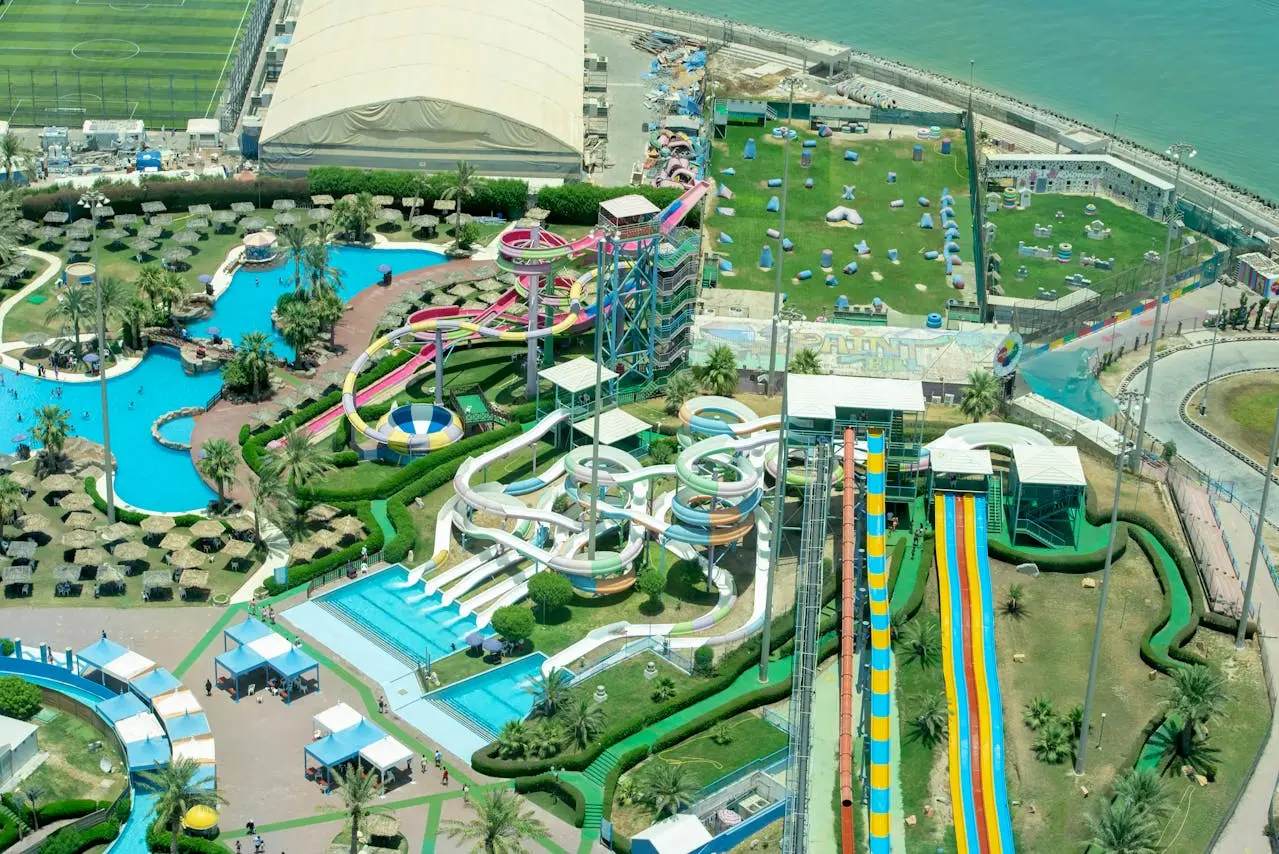
Water parks across the United States generate over $3 billion in annual revenue, making effective public relations strategies essential for success in this competitive industry. Modern visitors expect more than just water slides and wave pools – they want personalized, tech-enabled experiences that combine excitement with relaxation. Recent studies show that 73% of water park visitors research destinations online before visiting, making digital PR initiatives more important than ever. The integration of new technologies and wellness-focused amenities has become a driving force in water park marketing, with successful parks seeing up to 25% increases in visitor satisfaction through these innovations.

The Rise of AR and VR in Water Park Experiences

Virtual and augmented reality technologies are transforming how water parks engage with guests before, during, and after their visits. According to the International Association of Amusement Parks and Attractions (IAAPA), parks implementing AR/VR elements see an average 15% increase in guest engagement rates.

Six Flags White Water in Georgia introduced an AR-enabled mobile app that allows visitors to preview attractions through their smartphones. The app overlays digital information onto real-world views of rides and facilities, helping guests plan their day more effectively. This implementation resulted in a 20% reduction in guest complaints about wait times and improved overall satisfaction scores.

Virtual reality has found particular success in queue entertainment. Water World Colorado implemented VR headsets in their waiting areas, allowing guests to experience immersive underwater adventures while waiting for popular attractions. This addition reduced perceived wait times by 40% according to guest surveys.

Social media integration with AR features has proven particularly effective. Holiday World’s Splashin’ Safari created AR filters specifically for their attractions, resulting in a 35% increase in social media mentions and user-generated content. These shareable moments extend the park’s reach and create organic marketing opportunities.

Tech-Driven Innovations Reshaping Water Park Operations

Modern water parks are incorporating sophisticated technology systems to streamline operations and enhance guest experiences. The implementation of RFID wristbands at parks like Aquatica Orlando has reduced entry times by 60% while providing valuable data on guest movement patterns and preferences.

Smart queuing systems have become increasingly prevalent. Water parks using virtual queue technology report 30% higher guest satisfaction scores compared to traditional queuing methods. These systems allow visitors to reserve spots in line remotely, freeing them to enjoy other attractions while waiting.

Mobile apps with integrated payment systems have shown significant impact on guest spending patterns. Parks utilizing cashless payment systems report an average 23% increase in per-guest spending. These apps also enable real-time crowd monitoring and capacity management, helping parks maintain optimal guest flow throughout their facilities.

Wellness and Relaxation Features as Marketing Focal Points

The demand for wellness-focused amenities in water parks has grown significantly, with 65% of visitors expressing interest in relaxation areas according to a 2022 IAAPA survey. Successful parks are responding by creating dedicated zones that combine aquatic features with spa-like experiences.

Schlitterbahn New Braunfels transformed underutilized areas into wellness zones, complete with heated pools and massage services. This addition attracted a new demographic of visitors and increased average stay duration by 2.5 hours. Their marketing campaign highlighting these features resulted in a 28% increase in adult visitors during off-peak hours.

Wellness programming has become another successful marketing angle. Water parks offering morning yoga sessions and meditation classes report increased repeat visitation rates among local residents. Adventure Island in Tampa saw a 45% increase in season pass sales after introducing their “Wellness Wednesdays” program.

Digital Marketing Strategies for Modern Water Parks

Social media marketing has evolved beyond simple post scheduling. Successful water parks now employ comprehensive digital strategies that include influencer partnerships, user-generated content campaigns, and targeted advertising. Parks with active social media presence report 40% higher engagement rates with potential visitors.

Email marketing remains effective when properly segmented. Water parks using personalized email campaigns based on past visitor behavior see open rates 2.5 times higher than industry averages. These campaigns often highlight new features, special events, and exclusive offers based on individual guest preferences.

Video content has become increasingly important, with 85% of potential visitors watching videos before making travel decisions. Parks creating regular video content showing behind-the-scenes operations and attraction previews report higher pre-booking rates and increased social media following.

Safety and Cleanliness Communication

Modern PR strategies must address heightened guest concerns about safety and cleanliness. Water parks that prominently feature their safety protocols and cleanliness standards in marketing materials report 25% higher guest confidence levels.

Real-time updates about water quality and safety measures through mobile apps and digital displays have become standard practice. Parks implementing these communication systems report reduced guest concerns and higher satisfaction scores related to safety perceptions.

Sustainability Initiatives in PR Strategies

Environmental responsibility has become a key marketing point for water parks. Facilities implementing and promoting water conservation measures and renewable energy usage report positive feedback from 78% of guests.

Several parks have successfully marketed their transition to solar power and water recycling systems. These initiatives not only reduce operational costs but also appeal to environmentally conscious visitors, particularly among younger demographics.

Measuring PR Success and ROI

Modern water parks use sophisticated analytics tools to measure the success of their PR initiatives. Key performance indicators include social media engagement rates, online booking conversions, and guest satisfaction scores.

Mobile app data provides valuable insights into guest behavior and preferences. Parks using data-driven decision making for their PR strategies report 35% better returns on marketing investments compared to those using traditional methods.

Conclusion

The future of water park PR lies in the strategic combination of technology integration, wellness features, and effective digital communication. Success requires a balanced approach that addresses both the excitement seekers and those looking for relaxation. Parks should focus on implementing AR/VR experiences thoughtfully, while maintaining strong communication about safety and sustainability initiatives.

To stay competitive, water parks should:

  • Invest in AR/VR technology that enhances rather than replaces traditional experiences
  • Develop comprehensive digital marketing strategies that emphasize both thrills and relaxation
  • Create and promote wellness-focused areas and programming
  • Maintain transparent communication about safety and environmental initiatives
  • Use data analytics to continuously refine PR strategies and measure success

By following these guidelines and staying current with emerging trends, water parks can create effective PR campaigns that drive visitor growth and enhance guest satisfaction in an increasingly competitive market.

Cannabis scientist
Consumer PR

Cannabis Brands Are Banned from Google, Facebook, and Television. Most Still Haven’t Invested in the Channels That Work.

The U.S. legal cannabis market generated $38.5 billion in revenue in 2024. It is the...

Learn More
Consumer PR

How Parenting Brands Turn Data Into Press Coverage That Moves the Needle

PR managers at parenting brands face a brutal reality: generic pitches die in journalists'...

Learn More
Consumer PR

What’s Next for Beauty Media and Brand Discovery

The beauty industry is experiencing a structural shift in how consumers discover, evaluate, and...

Learn More
Related Consumer PR