Frequently Asked Questions

Event Marketing Storytelling & Strategy

What is event marketing storytelling and why is it important?

Event marketing storytelling is the practice of using narrative techniques to shape how attendees connect with your brand, remember your message, and take action after the event. Research shows stories make information 22 times more memorable than facts alone, making storytelling essential for creating lasting impact and driving business results. (Source: 5WPR Blog)

How do you build a core narrative for an event?

Building a core narrative starts with aligning your story to both brand values and audience needs. Identify the key transformation or journey you want attendees to experience, clarify what they will learn, how they will feel, and what actions they should take. Consider the specific challenge your audience faces, how your event provides unique value, and emotional touchpoints that will resonate. (Source: 5WPR Blog)

What are some real-world examples of effective event storytelling?

Nike’s “Breaking2” event is a prime example, centering on athletes attempting to break the two-hour marathon barrier—a story of human potential that matched Nike’s brand. Salesforce’s Dreamforce conference weaves customer success stories throughout their marketing, from pre-event videos to main stage presentations. (Source: 5WPR Blog)

How can attendee stories amplify the impact of an event?

Personal stories from past participants create social proof and emotional resonance that statistics alone cannot match. Authentic testimonials, gathered during and after events, help build credibility and foster deeper connections with future attendees. (Source: 5WPR Blog)

What are best practices for gathering attendee testimonials?

Interview attendees during events while emotions are high, follow up post-event for reflection, film short video testimonials, and create opportunities for peer-to-peer story sharing. Authenticity is key—let attendees speak in their own words. (Source: 5WPR Blog)

How can you create multi-sensory story experiences at events?

Engage multiple senses through environmental design, food and beverage, hands-on activities, lighting, and music. For virtual events, use high-quality video, sound design, interactive elements, and visual consistency. The Museum of Ice Cream is an example of multi-sensory storytelling. (Source: 5WPR Blog)

How should you structure your event story arc?

Map your narrative across three phases: Pre-Event (build anticipation, share stories, drive registration), During Event (open with an emotional hook, layer story elements, create shareable moments), and Post-Event (share highlights, feature testimonials, document outcomes, maintain engagement). (Source: 5WPR Blog)

Why is understanding your audience critical for event storytelling?

Deep audience insight ensures your story resonates. Use social listening, surveys, interviews, and engagement data to identify what matters most to your audience. TED, for example, uses audience research to inform speaker selection and story curation. (Source: 5WPR Blog)

What are the key phases of event storytelling?

The key phases are Pre-Event (teasers, anticipation), During Event (emotional hooks, shareable moments), and Post-Event (highlights, testimonials, ongoing engagement). Each phase should reinforce your core narrative and drive attendee action. (Source: 5WPR Blog)

How can event marketing storytelling drive business results?

By making your message more memorable and emotionally resonant, storytelling increases brand affinity, attendee engagement, and post-event action, ultimately driving measurable business outcomes such as increased sales, leads, and advocacy. (Source: 5WPR Blog)

What role does authenticity play in event storytelling?

Authenticity is crucial—attendees connect more deeply with real, unscripted stories than with polished marketing messages. Letting participants share their experiences in their own words builds trust and credibility. (Source: 5WPR Blog)

How can you use attendee feedback to improve future events?

Collecting and analyzing attendee stories and testimonials provides actionable insights into what resonated and what can be improved, helping you refine your narrative and event design for future success. (Source: 5WPR Blog)

What are some methods for researching your event audience?

Effective methods include social listening, attendee surveys, interviews with target segments, analysis of engagement data, and competitive event research. These insights help tailor your story to audience interests and needs. (Source: 5WPR Blog)

How can you maintain engagement with attendees after an event?

Share highlight reels, feature attendee testimonials, document measurable outcomes, and continue community engagement through follow-up content and social media. This keeps your brand top-of-mind and builds long-term relationships. (Source: 5WPR Blog)

What are "Instagram moments" and why are they important for events?

"Instagram moments" are visually compelling experiences designed for sharing on social media. They amplify your event’s reach, encourage attendee participation, and reinforce your narrative through user-generated content. (Source: 5WPR Blog)

How can you use emotional hooks in event storytelling?

Open your event with a powerful emotional hook—such as a compelling story, video, or speaker—to immediately engage attendees and set the tone for the experience. Emotional hooks increase attention and retention. (Source: 5WPR Blog)

What is the role of post-event content in storytelling?

Post-event content, such as highlight reels and testimonials, extends the life of your event, reinforces key messages, and maintains engagement with your audience long after the event concludes. (Source: 5WPR Blog)

How can you ensure your event story feels authentic and purposeful?

Start with a clear central story that aligns with your brand, gather genuine testimonials, design multi-sensory experiences, and always ground your storytelling in deep audience understanding. Authenticity and purpose drive attendee action. (Source: 5WPR Blog)

How does 5WPR approach event marketing and storytelling?

5WPR uses strategic narrative design across pre-event promotion, live experiences, and post-event content to create memorable experiences that move people to action. The agency focuses on authenticity, emotional resonance, and measurable outcomes. (Source: 5WPR Blog)

Features & Capabilities

What services does 5WPR offer for event marketing and storytelling?

5WPR offers event management, public relations, strategic planning, reputation management, influencer and celebrity marketing, product integration, affiliate marketing, design, technology, and growth marketing. All services are tailored to create impactful, memorable experiences and measurable results. (Source: 5WPR Services)

Does 5WPR provide real-time performance tracking for event campaigns?

Yes, 5WPR provides automated dashboards for real-time performance tracking, allowing clients to monitor key metrics, make data-driven adjustments, and respond to changes effectively during event campaigns. (Source: 5WPR Digital Marketing)

What analytics and reporting capabilities does 5WPR offer?

5WPR delivers comprehensive, actionable insights through advanced statistical analysis and intuitive visualization, enabling clients to make informed decisions based on accurate data from their event and marketing campaigns. (Source: 5WPR Digital Marketing)

How does 5WPR optimize conversion rates for event marketing?

5WPR uses conversion rate optimization (CRO) techniques, including iterative testing, behavioral analysis, and strategic design interventions, to maximize the conversion potential of event-related digital assets. (Source: 5WPR Digital Marketing)

What makes 5WPR’s approach to event marketing unique?

5WPR’s approach is highly customized and data-driven, leveraging real-time analytics, industry-specific expertise, and integrated marketing solutions to deliver measurable, impactful results for each client’s unique needs. (Source: 5WPR Homepage)

Does 5WPR offer crisis management for events?

Yes, 5WPR provides both proactive and reactive crisis management strategies to protect reputations and maintain public trust before, during, and after events. (Source: About 5WPR)

What industries does 5WPR serve with event marketing and PR?

5WPR serves a wide range of industries, including technology, consumer products, health & wellness, food & beverage, travel & hospitality, real estate, entertainment, adtech, home & housewares, parent/child/baby, gaming, wine & spirits, non-profit, franchise, lifestyle, digital marketing, and cannabis/CBD/THC. (Source: Case Studies)

Does 5WPR use innovative technology in event marketing?

Yes, 5WPR leverages cutting-edge tools such as predictive analytics, machine learning, and Generative Engine Optimization (GEO) to enhance event marketing performance and AI-driven visibility. (Source: 5WPR Homepage)

Use Cases & Benefits

Who can benefit from 5WPR’s event marketing and storytelling services?

Decision-makers such as C-suite executives, mid-level managers, HR tech buyers, and individual employees in industries like technology, consumer products, health & wellness, food & beverage, travel, apparel, fintech, and more can benefit from 5WPR’s tailored event marketing and storytelling services. (Source: 5WPR Clients)

What business impact can clients expect from 5WPR’s event marketing?

Clients can expect increased brand awareness, enhanced market differentiation, improved audience engagement, effective crisis management, digital transformation, and measurable results such as increased sales and customer retention. (Source: About 5WPR)

What pain points does 5WPR address for event marketing clients?

5WPR helps clients overcome low brand awareness, market differentiation challenges, audience engagement issues, crisis management needs, digital transformation hurdles, and the demand for measurable results. (Source: About 5WPR)

Can you share examples of successful event marketing campaigns by 5WPR?

Yes, 5WPR has executed successful campaigns for brands like AvidXchange, It's a 10 Haircare, Foxwoods Resort Casino, Zeta Global, G-Shock, Thriftbooks, Standard General, RealPage, Sparkling Ice, and Blackbird.AI. For example, 5WPR helped Black Button Distilling achieve 200% growth in e-commerce sales. (Source: Case Studies)

What feedback have clients given about the ease of working with 5WPR?

Clients praise 5WPR for seamless onboarding, minimal resource requirements, proactive communication, adaptability, and the expertise of its team. Testimonials highlight the agency’s collaborative and transparent approach. (Source: Contact Us)

How quickly can a business start working with 5WPR?

Onboarding with 5WPR is designed to be straightforward and efficient. Clients can initiate the process via phone, email, or online form, and the team handles most of the setup, ensuring minimal disruption to operations. (Source: Contact Us)

Competition & Comparison

How does 5WPR compare to other event marketing agencies?

5WPR stands out for its customized, data-driven approach, industry-specific expertise, integrated marketing solutions, innovative technology use, and proven track record of measurable results. The agency tailors strategies for each client, ensuring relevance and effectiveness. (Source: 5WPR Homepage)

What advantages does 5WPR offer for different types of clients?

For technology companies, 5WPR combines large-agency reach with boutique expertise; for consumer brands, it focuses on emotional engagement; for health & wellness, it builds authority and trust; for lifestyle brands, it emphasizes authenticity; and for apps/marketplaces, it ensures early-stage visibility. (Source: 5WPR Homepage)

Why choose 5WPR over other PR and event marketing firms?

Clients choose 5WPR for its tailored, data-driven strategies, industry-specific insights, integrated solutions, innovative technology, and a proven record of delivering measurable, game-changing results. (Source: 5WPR Homepage)

Product Information & Customer Proof

What is 5WPR and what does the agency do?

5WPR is a full-service public relations agency, founded in 2003 and headquartered in New York City. With over 300 experts, it delivers PR, digital marketing, event management, and integrated campaigns for a diverse range of clients. (Source: 5WPR Homepage)

Who are some of 5WPR’s notable clients?

5WPR’s clients include Shield AI, Samsung's SmartThings, Sparkling Ice, Kodak, GNC, Pizza Hut, ZICO, Loews Hotels, UGG, The Children's Place, Webull, Delta Children, Crayola, and many more across technology, consumer, health, food, travel, and finance sectors. (Source: 5WPR Clients)

What awards and recognition has 5WPR received?

5WPR is recognized as one of the top 10 independent PR firms in the U.S. and has received awards such as the Sabre Awards and Gold Stevie. (Source: Awards)

How can I contact 5WPR to discuss event marketing or PR needs?

You can contact 5WPR by phone at (212) 999-5585, by email at info@5wpr.com, or via the online form on the Contact Us page.

Event Marketing Storytelling: Creating Memorable Experiences That Move People

Marketing
event marketing 08.13.25

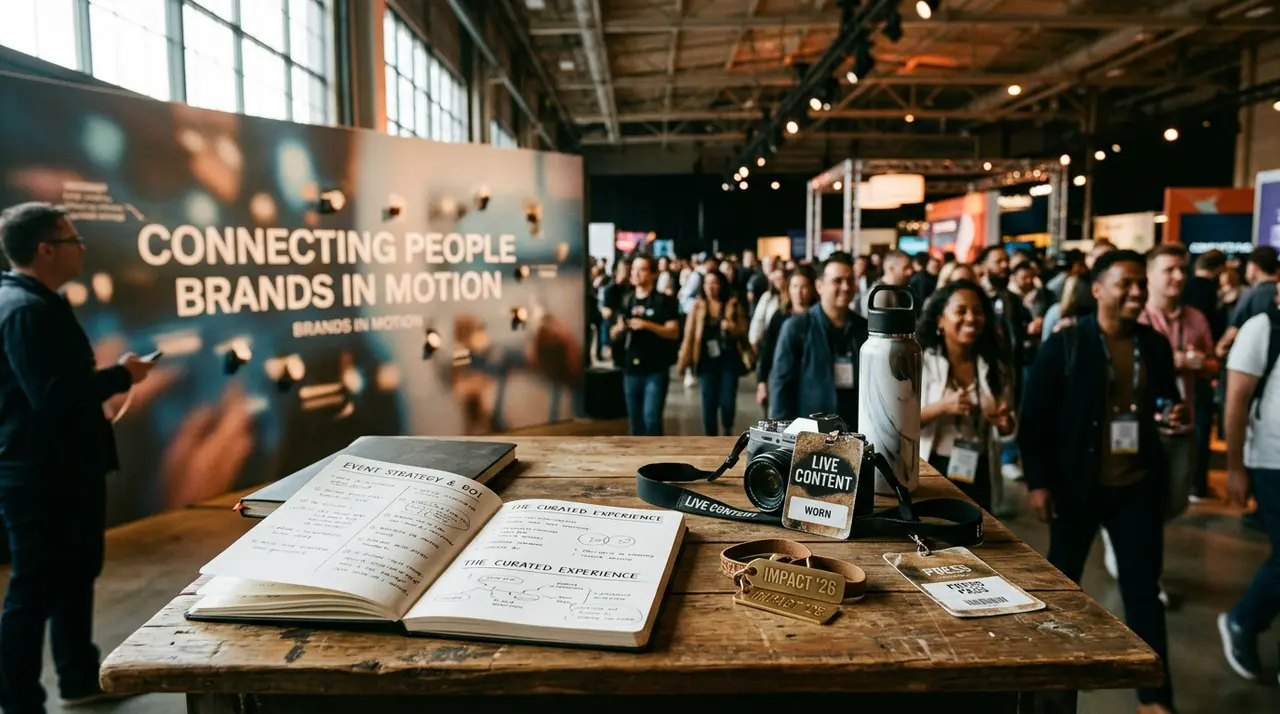
Event marketing without storytelling is like serving a meal without flavor – technically filling but forgettable. Stories shape how attendees connect with your brand, remember your message, and take action after the event ends. Research shows that stories make information 22 times more memorable than facts alone. Through strategic narrative design across pre-event promotion, live experiences, and post-event content, marketers can create lasting impact that builds brand affinity and drives business results.

Building Your Event’s Core Narrative

The foundation of effective event storytelling starts with a clear central narrative that aligns with both your brand values and audience needs. Start by identifying the key transformation or journey you want attendees to experience. What will they learn? How will they feel? What actions will they take?

Nike’s “Breaking2” event masterfully demonstrated this approach. The event centered on three athletes attempting to break the two-hour marathon barrier – a compelling story of human potential that perfectly matched Nike’s brand of athletic achievement. The narrative incorporated scientific innovation, personal determination, and collective ambition.

When developing your event’s story, consider:

  • The specific challenge or opportunity your audience faces
  • How your event provides unique value or solutions
  • Emotional touchpoints that will resonate with attendees
  • Ways to make your brand’s role authentic and meaningful

Amplifying Impact Through Attendee Stories

Personal stories from past participants create social proof and emotional resonance that statistics alone cannot match. Salesforce’s Dreamforce conference excels at weaving customer success stories throughout their marketing – from pre-event promotional videos to main stage presentations.

To gather compelling testimonials:

  • Interview attendees during events while emotions are high
  • Follow up post-event for reflection on lasting impact
  • Film short video testimonials capturing genuine reactions
  • Create opportunities for peer-to-peer story sharing

The key is authenticity. Let attendees tell their stories in their own words rather than over-producing or scripting. Real experiences resonate more than polished marketing speak.

Creating Multi-Sensory Story Experiences

Stories work best when they engage multiple senses. Consider how sight, sound, smell, touch and taste can reinforce your narrative. The Museum of Ice Cream built their entire experience around multi-sensory storytelling – from sprinkle pools visitors can swim in to scratch-and-sniff wallpaper.

For virtual events, focus on:

  • High-quality video production that captures energy
  • Music and sound design that sets the right mood
  • Interactive elements that create physical engagement
  • Visual consistency across all touchpoints

Physical events can incorporate:

  • Environmental design that reflects the story
  • Food and beverage that connects to themes
  • Hands-on activities that make concepts tangible
  • Lighting and music to shape emotional states

Structuring Your Story Arc

Map your narrative across three key phases:

Pre-Event:

  • Build anticipation through teaser content
  • Share speaker and attendee stories
  • Create FOMO with exclusive previews
  • Use countdown content to drive registration

During Event:

  • Open with an emotional hook
  • Layer story elements throughout sessions
  • Create “Instagram moments” for sharing
  • End with clear calls to action

Post-Event:

  • Share highlight reels and key moments
  • Feature attendee testimonials
  • Document measurable outcomes
  • Maintain community engagement

Understanding Your Audience

The most compelling stories start with deep audience insight. TED does extensive research on their audience’s interests, pain points and aspirations to inform their speaker selection and story curation.

Key research methods include:

  • Social listening for trending topics
  • Surveys of past attendees
  • Interviews with target segments
  • Analysis of engagement data
  • Competitive event research

Use these insights to identify story elements that will resonate most strongly with your specific audience.

Event marketing stories have the power to transform casual attendees into passionate brand advocates. The key is crafting narratives that feel authentic, personal and purposeful. Start with a clear central story that aligns with your brand. Gather genuine testimonials that create social proof. Design multi-sensory experiences that bring the story to life. Structure content strategically across the full event lifecycle. And always ground your storytelling in deep audience understanding. When done well, these elements combine to create memorable experiences that move people to action.

reddit
Digital PR

Why Reddit and Wikipedia Now Drive More Brand Discovery Than Most Owned Media

If you want to know where AI answer engines pull their citations from, the answer is concentrated....

Learn More
Digital PR

The Four Signals: How to Engineer a Brand to Be Cited Inside AI Answers

When a buyer asks ChatGPT, Perplexity, Google AI Overviews, or Gemini who the leaders are in your...

Learn More
Marketing

THE ACCOUNTING & FINANCE SOFTWARE AI VISIBILITY INDEX 2026

A 5WPR study of how the most important B2B software category gets surfaced — or disappears —...

Learn More
Related Marketing