Food and beverage trends in 2026 center on three forces: waste reduction turning into a real product category, packaging innovation reaching plant-based and snack brands, and flavors like tamarind moving from regional dishes into mainstream sauces and drinks. The global upcycled food industry alone was valued at $54.5 billion in 2022 and is projected to reach $94.6 billion by 2032, according to the Upcycled Food Association.
What is the upcycled food trend and why is it growing?
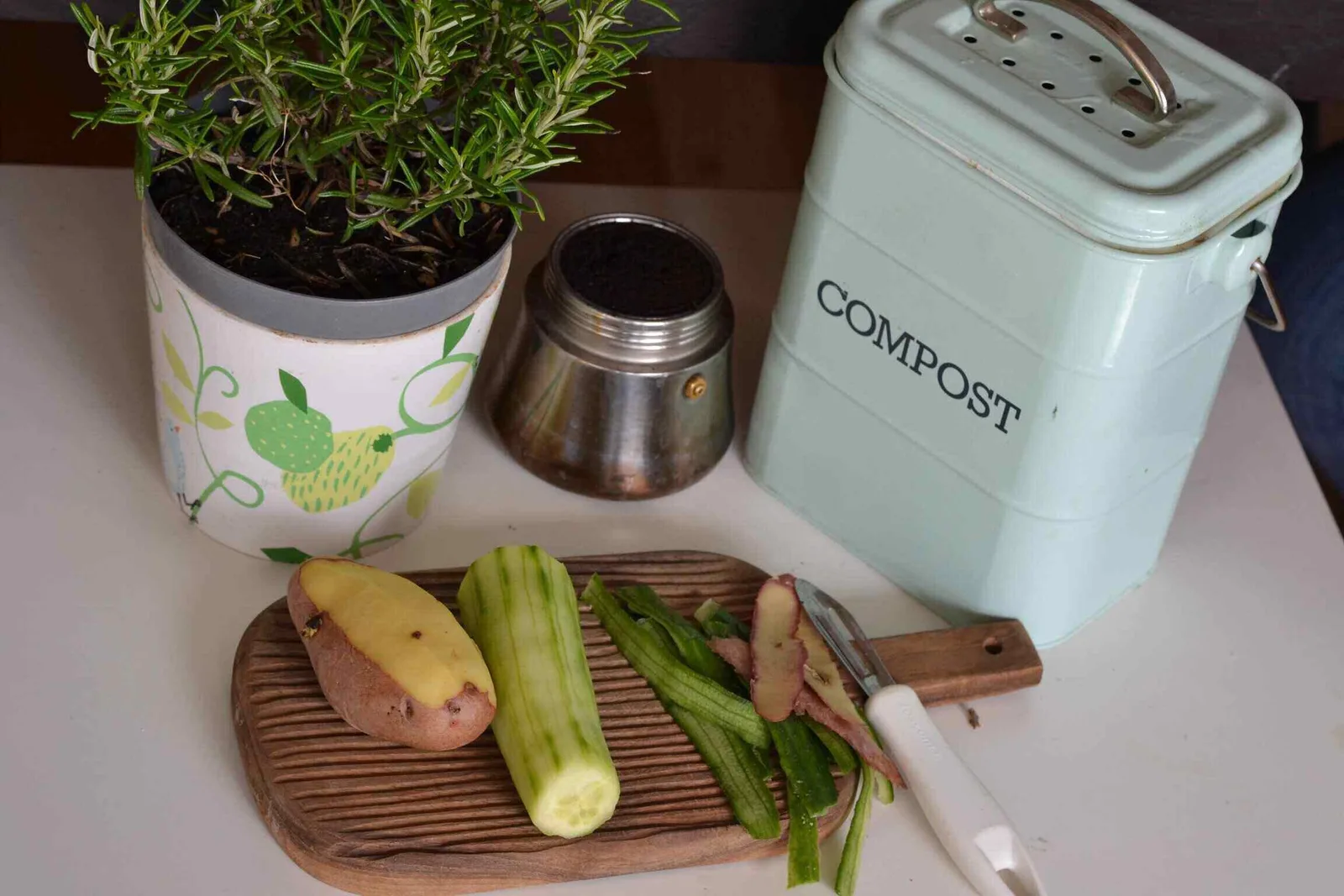
Upcycled food repurposes by-products, surplus ingredients, and imperfect produce, fruit peels, spent brewing grains, off-spec vegetables, into new food and beverage products instead of sending them to landfill. Fruit peels get dehydrated into natural flavorings, surplus bakery items become breadcrumbs, and spent brewing grains turn into snacks or animal feed.
The Upcycled Food Association values the global upcycled food industry at $54.5 billion in 2022, growing at a 5.7% compound annual rate toward $94.6 billion by 2032. That growth is driven by food waste reduction mandates, corporate sustainability commitments, and consumer demand for traceable ingredient sourcing.
Why it works: food waste that decomposes in landfills generates methane, a greenhouse gas with a shorter atmospheric life than carbon dioxide but a far higher near-term warming effect, so diverting edible by-products into new products has a direct, measurable environmental impact rather than a vague sustainability claim.
What packaging and format trends stood out at the Summer Fancy Foods Show 2024?
Sustainable, visually distinctive packaging dominated the snack and plant-based sections at the Summer Fancy Foods Show 2024, alongside a parallel shift toward shelf-stable versions of products that traditionally needed refrigeration. Both trends solve the same problem for brands: longer shelf life reduces waste and makes a product easier to stock and ship.
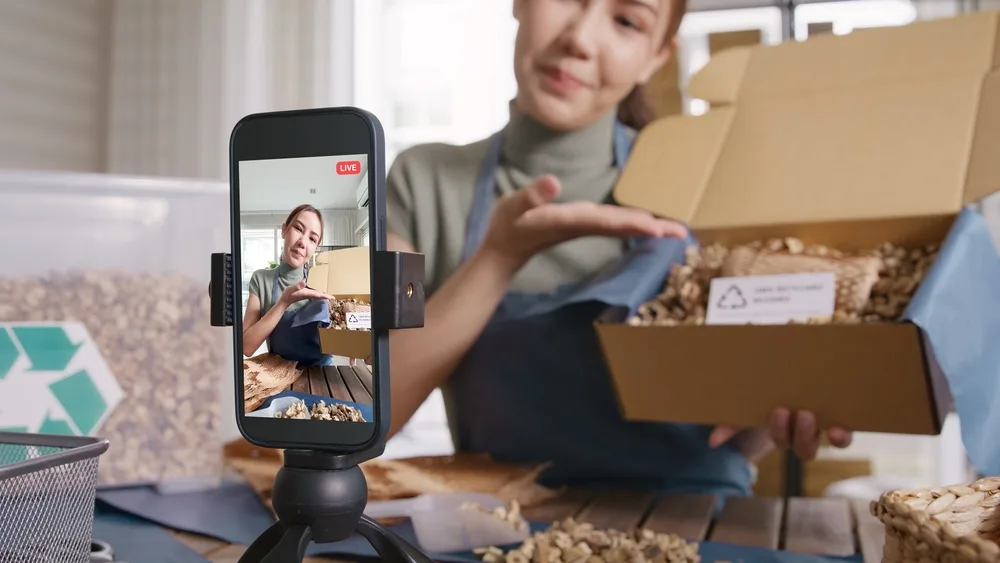
Colorful, eco-friendly packaging using recyclable or biodegradable materials signaled to buyers that a brand takes sustainability seriously without the brand having to state it explicitly. See sustainable packaging for brand image for how packaging choices translate into press coverage.
Which flavors and ingredient stories are moving from niche to mainstream?
Tamarind emerged as a standout flavor at the Summer Fancy Foods Show 2024, appearing across sauces, snacks, and beverages after years as a regional ingredient. Family recipes scaled up for commercial production were a parallel trend, with exhibitors showcasing products rooted in traditional recipes to give the brand a cultural and emotional story beyond the product itself. See marketing traditional food products for how brands build campaigns around heritage recipes.
Conscious consumerism kept rising alongside these flavor trends, with buyers prioritizing ethically sourced, high-quality ingredients and rewarding brands that document their sourcing transparently rather than making a general ethical claim.
How is the foodservice-to-retail pipeline changing what lands on shelves?
Restaurant items are reaching retail shelves faster than in prior years, restaurant pasta sauces get jarred for grocery, and smaller brands that built an audience on TikTok are entering retail distribution directly. This pipeline compresses the time between a product proving itself in one channel and appearing in a second.
Health-conscious formulations crossed over from Natural Products trade shows into general food trade shows, with low-sodium and low-sugar items appearing in booths that previously focused on indulgence. This crossover signals that health positioning is no longer a separate category from mainstream specialty food.
The through-line across upcycled ingredients, sustainable packaging, and the foodservice-to-retail pipeline is waste reduction: brands that build a product around using something fully, an ingredient, a recipe, a distribution channel, are the ones setting the pace for where food and beverage trends go next.