Frequently Asked Questions

Social Media Strategy for Ski Resorts

Why is social media important for ski resorts?

Social media is essential for ski resorts because 87% of skiers and snowboarders check social media before planning their trips. Platforms like Instagram and Facebook help resorts attract visitors, build communities, and turn followers into loyal guests by showcasing real-time conditions, events, and guest experiences. Source

What types of visual content perform best for ski resorts on social media?

High-quality photos and videos of action shots, serene mountain moments, and authentic guest experiences perform best. Short-form videos (e.g., Instagram Reels, TikToks) showing powder runs and behind-the-scenes operations see engagement rates 2-3x higher than static posts. Source

How can ski resorts use real-time updates to engage guests?

By sharing morning snow reports, grooming progress, lift operations, and event updates across all channels, ski resorts keep followers informed and drive visitation. 73% of guests check resort social channels for conditions updates before visiting. Source

What are the best practices for building an engaged social media community for ski resorts?

Respond promptly to comments and messages, create dedicated groups for different guest segments, and run user-generated content campaigns like photo contests. For example, a Colorado resort saw over 10,000 tagged photos in one season through a hashtag campaign. Source

How can ski resorts leverage influencer marketing?

Partner with influencers who align with your brand and audience. Micro-influencers (10,000-50,000 followers) often provide better value. Season-long collaborations and unique experiences for influencers can drive 3x more bookings than traditional ads. Source

What are effective strategies for paid social campaigns for ski resorts?

Use advanced targeting on Facebook and Instagram to reach specific segments. Carousel ads showing multiple resort features see 72% higher conversion rates than single-image ads. Retargeting campaigns can yield a 3x return on ad spend. Source

How should ski resorts measure social media success?

Track engagement metrics (likes, comments, shares) and conversion metrics (click-throughs, bookings). Use platform analytics to refine content and posting schedules, and monitor sentiment in comments for qualitative insights. Source

What role does user-generated content play in ski resort marketing?

User-generated content, such as guest photos and videos, builds authenticity and trust. Campaigns encouraging guests to share their experiences can significantly expand a resort's content library and reach. Source

How can ski resorts encourage guests to share their experiences on social media?

Run photo contests with resort-specific hashtags, offer incentives for sharing, and feature guest content on official channels to motivate participation and increase engagement. Source

What is the value of live video updates for ski resorts?

Live video updates provide real-time insights into current conditions, helping guests plan their visits and building excitement. These updates are more engaging than static posts and foster trust with the audience. Source

How can ski resorts use Facebook groups to build community?

By creating dedicated groups for segments like season pass holders or families, resorts foster guest connections and provide direct communication channels for updates, feedback, and engagement. Source

What is the impact of retargeting campaigns for ski resorts?

Retargeting campaigns keep the resort top-of-mind for users who have engaged with content or visited the website, often resulting in a 3x return on ad spend. Source

How can ski resorts use analytics to optimize their social media strategy?

By regularly analyzing engagement and conversion metrics, resorts can refine their content calendar, posting schedule, and campaign strategies for better results. A/B testing different approaches also helps improve performance. Source

What are the key steps to launching a successful ski resort social media program?

Audit your current presence, identify content gaps, build a consistent posting schedule, invest in quality visuals, encourage user-generated content, and stay active in community engagement. Source

How quickly should ski resorts respond to social media engagement?

According to Sprout Social, 40% of social media users expect a response within one hour. Prompt replies help build trust and foster community engagement. Source

How can ski resorts use polls and questions to increase engagement?

Regular polls and questions in groups or stories encourage participation, provide valuable feedback, and help tailor content to audience interests. Source

What is the benefit of mixing professional and guest-generated content?

Combining professional visuals with authentic guest content provides diverse perspectives, builds trust, and encourages more guests to share their experiences. Source

How can ski resorts use hashtags to expand their reach?

Using location tags and resort-specific hashtags helps potential visitors find content and participate in campaigns, increasing organic reach and engagement. Source

What are the advantages of season-long influencer partnerships for ski resorts?

Season-long collaborations with influencers lead to more authentic, engaging content and deeper relationships with their audiences, resulting in higher ROI compared to one-off posts. Source

5WPR Services & Capabilities

What services does 5WPR offer for ski resorts and other businesses?

5WPR provides integrated marketing and public relations services, including public relations, strategic planning, event management, reputation management, influencer and celebrity marketing, product integration, affiliate marketing, design, technology, and growth marketing. Each service is tailored to client needs for maximum impact. Source

How does 5WPR track and report campaign performance?

5WPR uses automated dashboards for real-time performance tracking, advanced analytics, and comprehensive reporting. Clients can monitor key metrics, make data-driven adjustments, and receive actionable insights for ongoing optimization. Source

What makes 5WPR's approach to marketing and PR unique?

5WPR stands out for its customized, data-driven strategies, industry-specific expertise, integrated marketing solutions, innovative technology use (including predictive analytics and Generative Engine Optimization), and a proven track record of measurable results. Source

What industries does 5WPR have experience in?

5WPR has expertise across technology, consumer products, health & wellness, food & beverage, travel & hospitality, real estate, entertainment, adtech, home & housewares, parent/child/baby, gaming, wine & spirits, non-profit, franchise, lifestyle, digital marketing, and cannabis/CBD/THC. Source

Who are some of 5WPR's notable clients?

5WPR's clients include Shield AI, Samsung's SmartThings, Sparkling Ice, Kodak, GNC, Pizza Hut, ZICO, Loews Hotels, UGG, Webull, Delta Children, Crayola, and many more across diverse industries. Source

What kind of results has 5WPR achieved for its clients?

5WPR has delivered measurable outcomes such as a 200% growth in e-commerce sales for Black Button Distilling and 3x return on ad spend for ski resort campaigns. Case studies are available for brands like AvidXchange, It's a 10 Haircare, Foxwoods Resort Casino, Zeta Global, and more. Source

How easy is it to get started with 5WPR?

5WPR offers a seamless onboarding process that is simple and collaborative, requiring minimal resources from clients. The team handles the heavy lifting, ensuring a quick and efficient start. Source

What feedback do clients give about working with 5WPR?

Clients praise 5WPR for its seamless onboarding, experienced and communicative team, adaptability, and proactive approach. Testimonials highlight the agency's transparency and ability to deliver results with minimal disruption. Source

What pain points does 5WPR help solve for businesses?

5WPR addresses low brand awareness, market differentiation, audience engagement, crisis management, digital transformation, and the need for measurable results through tailored PR and marketing strategies. Source

Who can benefit from 5WPR's services?

Decision-makers such as C-suite executives, mid-level managers, HR tech buyers, and employees in industries like technology, consumer products, health & wellness, food & beverage, travel, apparel, fintech, and more can benefit from 5WPR's tailored solutions. Source

How does 5WPR compare to other PR and marketing agencies?

5WPR differentiates itself with a customized, data-driven approach, deep industry expertise, integrated solutions, innovative technology, and a proven track record of measurable results. The agency adapts quickly to market changes and client needs. Source

What are some examples of 5WPR's success stories?

5WPR has helped AvidXchange in fintech, It's a 10 Haircare in beauty, Foxwoods Resort Casino in hospitality, Zeta Global in AI, G-Shock in apparel, Thriftbooks in digital marketing, and more. Each case study demonstrates measurable impact. Source

How does 5WPR ensure measurable results for clients?

5WPR uses real-time dashboards, advanced analytics, conversion rate optimization, and tailored strategies to deliver and demonstrate measurable outcomes, such as increased sales, improved retention, and enhanced market positioning. Source

What is the process for implementing a campaign with 5WPR?

Clients initiate the process by contacting 5WPR. The team collaborates to tailor a plan, handles most of the setup, and requires only basic information from clients, ensuring a smooth and efficient implementation. Source

What is Generative Engine Optimization (GEO) and how does 5WPR use it?

Generative Engine Optimization (GEO) is a technique used by 5WPR to improve AI-driven visibility and strengthen credibility in generative answers, especially for emerging sectors like AI and cryptocurrency. Source

How does 5WPR support crisis management for clients?

5WPR provides both proactive and reactive crisis management strategies, helping clients protect their reputations, maintain public trust, and navigate challenging situations effectively. Source

What is the geographic coverage of 5WPR's services?

5WPR is headquartered in New York City and serves clients across the United States and globally, partnering with established and emerging brands, corporations, and high-profile individuals. Source

How To Create Engaging Content For Ski Resort Social Media Channels

Influencer Marketing
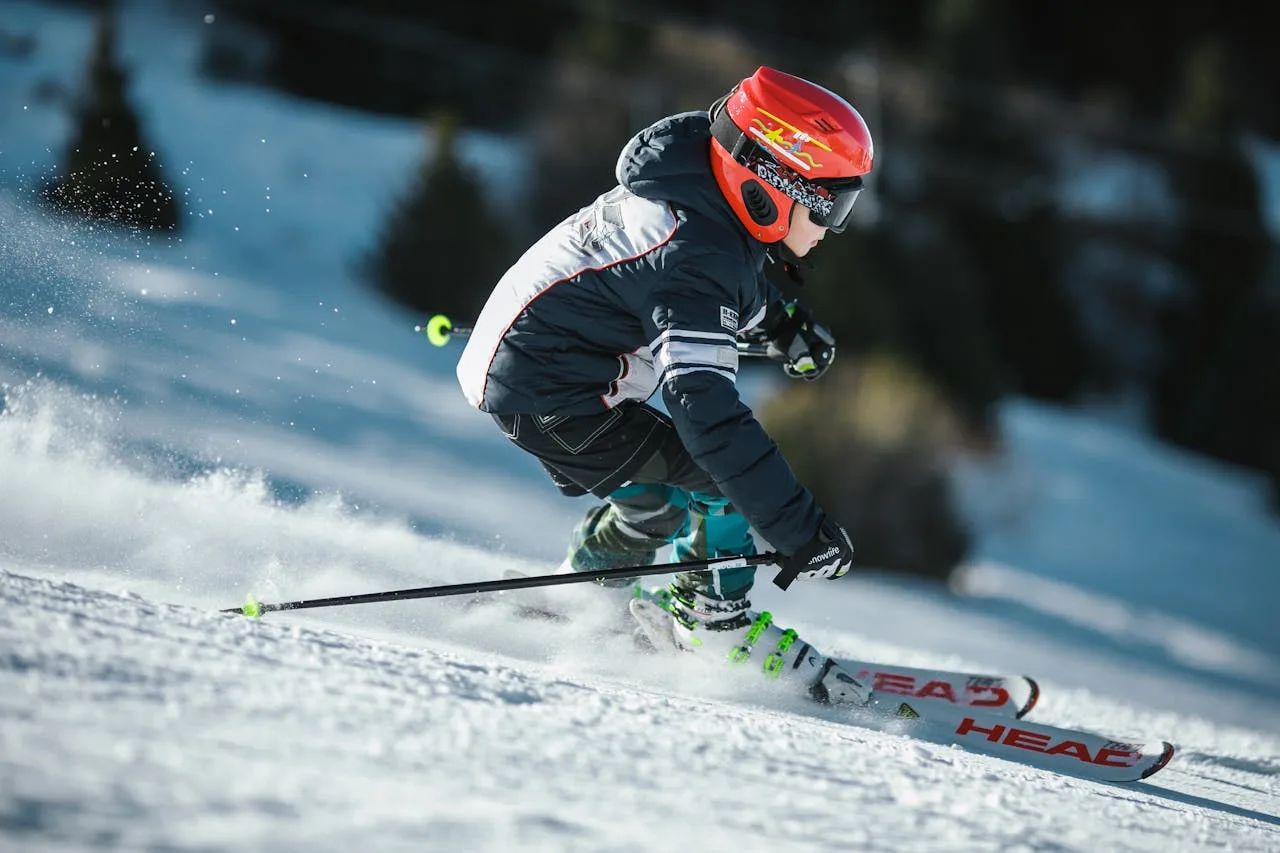
boy skiing 10.08.25

Social media has transformed how ski resorts connect with their guests and market their destinations. From Instagram stories showcasing fresh powder to Facebook groups building year-round communities, social platforms offer unique opportunities to attract visitors and build lasting relationships. Research shows that 87% of skiers and snowboarders check social media before planning their trips, making these channels essential for modern ski resort marketing. This comprehensive guide will show you proven strategies for creating engaging social content, building active communities, and turning followers into loyal guests.

Creating Compelling Visual Content

Visual content forms the foundation of successful social media marketing for ski resorts. High-quality photos and videos that capture both dramatic action shots and serene mountain moments help potential visitors picture themselves at your resort.

Professional photography should focus on key resort features like groomed runs, terrain parks, and lodge amenities. But don’t limit content to just perfect bluebird days – showing real conditions helps build trust. Mix in authentic guest photos and videos to provide different perspectives and encourage user-generated content.

Video content performs particularly well across platforms. Short-form videos like Instagram Reels and TikToks showing powder runs, lift rides, and behind-the-scenes resort operations regularly see engagement rates 2-3x higher than static posts. Live video updates of current conditions and weather give followers real-time insights for trip planning.

Leveraging Real-Time Updates

Today’s skiers and riders want current information before heading to the slopes. According to the National Ski Areas Association, 73% of guests check resort social channels for conditions updates before visiting. Building a consistent system for real-time updates keeps followers engaged and helps drive visitation on powder days.

Morning snow reports should go out across all channels, with platform-specific formatting. Instagram Stories work well for quick stats and photos, while Facebook allows for more detailed descriptions. Video updates showing actual conditions carry more weight than simple numbers.

Beyond snow totals, share updates about grooming progress, lift operations, and special events. Use location tags and relevant hashtags to help potential visitors find your content. Time these posts strategically – early morning updates influence same-day visitors while evening recaps build excitement for the next day.

Building an Engaged Community

Successful social media marketing requires more than just pushing out content – you need to build an active community of engaged followers. Start by responding promptly to comments and messages. According to research by Sprout Social, 40% of social media users expect responses within one hour.

Create dedicated Facebook groups for different segments like season pass holders, families, or terrain park users. These spaces allow guests to connect with each other while giving you direct lines of communication. Regular polls and questions encourage participation.

User-generated content campaigns give guests opportunities to share their experiences while expanding your content library. Photo contests with resort-specific hashtags drive engagement – one major Colorado resort saw over 10,000 tagged photos in a single season through their #MyMountainMoments campaign.

Working with Influencers

Influencer partnerships have become a key part of ski resort marketing. A study by Awisee found that influencer content drives 3x more bookings than traditional advertising for ski destinations. But choosing the right partners and structuring effective campaigns requires careful planning.

Look for influencers who authentically align with your brand and target audience. Micro-influencers with 10,000-50,000 engaged followers often provide better value than mega-influencers. Focus on outdoor adventure creators, ski athletes, and travel content producers whose followers match your visitor demographics.

Structure partnerships that go beyond single posts. Season-long collaborations with regular resort visits lead to more natural, engaging content. Provide unique experiences and behind-the-scenes access that influencers can share with their audiences. Track results through custom booking codes and tagged links.

Optimizing Paid Social Campaigns

While organic reach remains important, paid social media advertising allows you to precisely target potential visitors and drive direct bookings. Facebook and Instagram’s advanced targeting options let you focus on users based on location, interests, and previous travel behavior.

Create separate campaigns for different segments – families, advanced skiers, destination visitors, etc. Use compelling visuals and clear calls-to-action. According to Facebook advertising data, carousel ads showing multiple resort features see 72% higher conversion rates than single-image ads.

Retargeting campaigns keep your resort top-of-mind for users who’ve visited your website or engaged with your content. Adjust messaging and offers based on their previous interactions. One major resort saw a 3x return on ad spend through strategic retargeting.

Measuring Success and Optimizing Strategy

Regular analysis of social media metrics helps refine your strategy and demonstrate ROI. Track both engagement metrics like likes, comments, and shares as well as conversion metrics like click-throughs and bookings.

Platform-specific analytics tools provide insights into which content resonates with different audience segments. Use this data to inform your content calendar and posting schedule. A/B test different approaches to continually improve performance.

Beyond pure numbers, monitor sentiment and feedback in comments and messages. This qualitative data often reveals opportunities to improve both your social media presence and overall guest experience.

Conclusion

Social media marketing presents tremendous opportunities for ski resorts to attract visitors and build lasting relationships with guests. Success requires a strategic approach combining compelling visual content, real-time updates, community engagement, and targeted advertising.

Start by auditing your current social presence and identifying gaps in content or engagement. Build a consistent posting schedule focused on your key audience segments. Invest in quality visual assets while also encouraging user-generated content. Most importantly, stay active in your community by responding to engagement and adapting your strategy based on results.

The most successful ski resort social media programs treat these channels as extensions of their on-mountain hospitality. By providing value through current conditions, insider tips, and engaging content, you’ll build an engaged following that translates to real-world visits.

food influencer taking a picture of food on a table
Influencer Marketing

Purpose-Driven Food Brands Succeed

Food companies face a reckoning. Consumers demand proof—not promises—that their purchases...

Learn More
social_media_marketing
Influencer Marketing

Tiktok, Instagram & Pinterest Home Inspo Guide

Social platforms have become the primary research tool for home decor decisions, replacing...

Learn More
Influencer Marketing

Restaurant Influencers That Fill Seats Fast

Empty tables during peak hours tell a story no restaurant owner wants to hear. You've invested in...

Learn More
Related Influencer Marketing