
5WPR
Get in touch

Crisis PR · Published February 4, 2025

Robert Ford
Managing Partner & EVP, Corporate Communications

Managing Brand Reputation in an Era of Digital Backlash

Learn how digital backlash impacts brand reputation and get strategies for monitoring, crisis response and stakeholder engagement in today's social media landscape

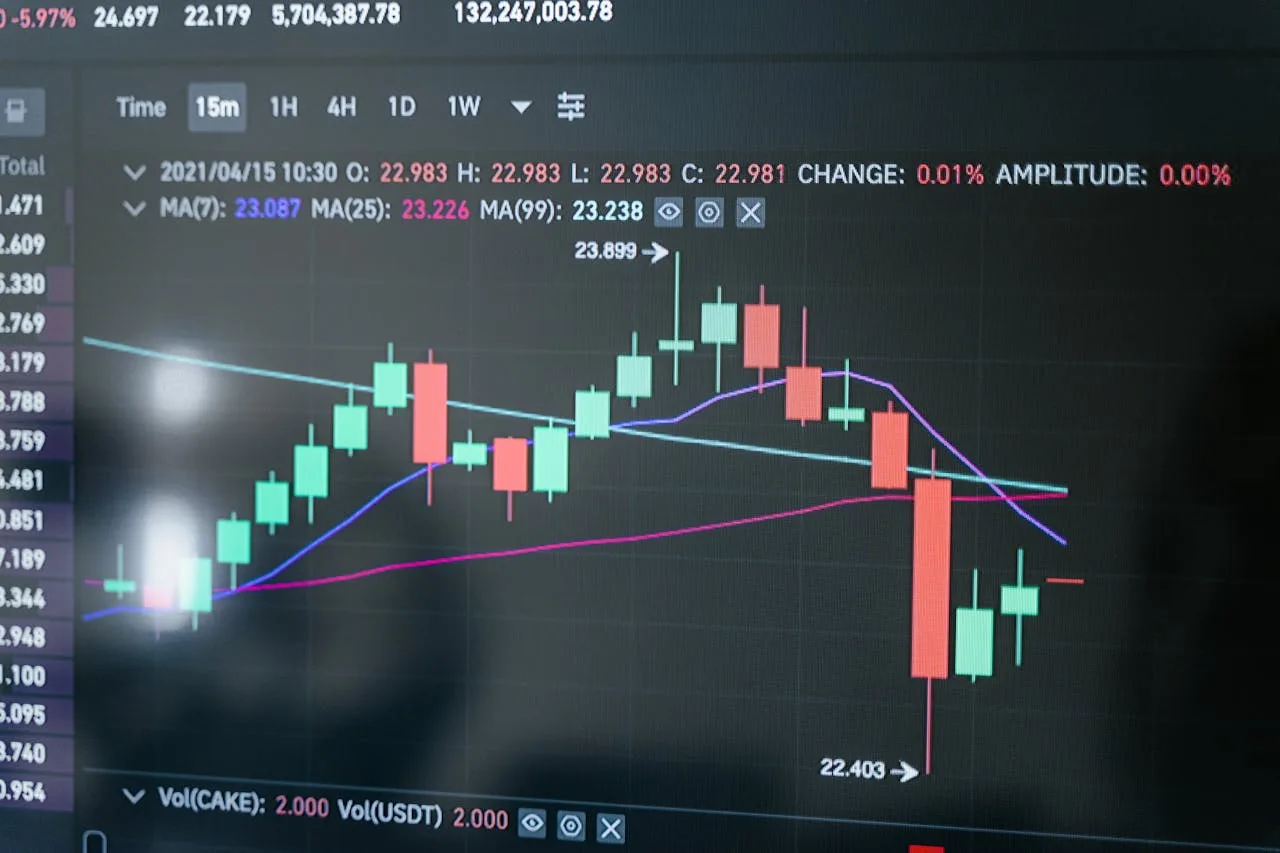
stock market crash with downward trending graph
Share:
Social media has fundamentally changed how brands face public scrutiny and criticism. What starts as a single tweet can snowball into a full-blown crisis within hours, putting organizations at risk of significant reputational damage. PR professionals now operate in an environment where public opinion shifts rapidly, and social movements can mobilize massive audiences against brands perceived to have crossed ethical lines. This new reality demands a sophisticated approach to reputation management that combines proactive monitoring, strategic response planning, and authentic stakeholder engagement.

Building Strong Reputational Foundations

The most effective defense against reputational threats begins long before any crisis emerges. Research shows that 63% of a company's market value is attributed to its reputation. Organizations that invest in establishing clear values and maintaining consistent communication channels fare better when faced with public criticism. PR teams should implement daily social listening protocols using tools like Mention, Brandwatch, or Sprout Social to track brand mentions across platforms. This monitoring should extend beyond direct mentions to include industry keywords, competitor activity, and relevant social movements that could affect brand perception. Regular reputation audits help identify potential vulnerabilities before they become liabilities. These assessments should examine:
  • Brand messaging consistency across channels
  • Employee social media activity
  • Past crisis response effectiveness
  • Stakeholder sentiment analysis
  • Media coverage patterns

Creating an Effective Crisis Response Framework

When facing public criticism, speed and authenticity matter more than perfection. According to PwC's Global Crisis Survey, 69% of leaders have experienced at least one corporate crisis in the last 5 years, yet only 49% have a response plan ready. A solid crisis response framework includes:
  1. A designated response team with clear roles
  2. Pre-approved messaging templates
  3. Stakeholder communication protocols
  4. Social media response guidelines
  5. Legal review processes
Companies should maintain an updated contact list of key decision-makers who can be reached 24/7 during a crisis. This team should include representatives from PR, legal, operations, and executive leadership.

Responding to Public Criticism

When addressing public concerns, brands must strike a balance between accountability and measured response. The 2018 Nike campaign featuring Colin Kaepernick demonstrated how taking a clear stance, while potentially polarizing, can strengthen brand authenticity and consumer trust. Key principles for crisis response:
  • Acknowledge concerns promptly
  • Provide clear, factual information
  • Take responsibility when warranted
  • Outline specific corrective actions
  • Maintain consistent messaging across channels
Avoid common pitfalls like:
  • Defensive or dismissive responses
  • Over-apologizing without action
  • Shifting blame to others
  • Hiding behind corporate speak

Building Resilient Brand Communications

Modern reputation management requires an integrated approach that combines traditional PR practices with digital engagement strategies. Organizations should develop communication frameworks that can adapt to rapidly changing social contexts while maintaining brand authenticity. Consider these elements:
  1. Message Testing: Use focus groups and social listening to gauge how different audiences might interpret communications before broad release.
  2. Stakeholder Mapping: Identify and prioritize key stakeholder groups, understanding their specific concerns and communication preferences.
  3. Values Alignment: Ensure public statements and actions align with stated organizational values and previous positions.
  1. Digital Asset Management: Maintain updated crisis communication materials, including dark sites that can be activated if needed.

Measuring and Maintaining Reputation

Regular measurement helps track reputation health and response effectiveness. Key metrics include:
  • Net Promoter Score (NPS)
  • Social sentiment analysis
  • Media coverage tone
  • Employee satisfaction scores
  • Customer feedback metrics
Organizations should establish baseline measurements and track trends over time, adjusting strategies based on data insights. The digital age demands constant vigilance and strategic preparation from PR professionals. Success in managing brand reputation comes from building strong foundations, maintaining authentic relationships with stakeholders, and developing robust response capabilities. By implementing comprehensive monitoring systems and maintaining flexible response frameworks, organizations can better protect their reputational assets and maintain stakeholder trust through challenging situations. The key lies in viewing reputation management not as a crisis response tool but as an ongoing strategic priority that shapes every aspect of organizational communication and behavior.
Robert Ford

Written by

Robert Ford

"> Rob Ford is a Managing Partner and Executive Vice President at 5W where he leads the Corporate Communications division as well as the Crisis Communications practice and helps direct the core operations of the firm day-to-day. Rob leads a team serving clients across real estate, financial services, fintech, enterprise technology, AI, legal services, health care, and defense tech - bringing senior-level strategic thinking and hands-on campaign leadership to every engagement. At 5W, Rob shapes the firm's strategic direction across multiple dimensions: reimagining service offerings, driving AI-enablement, defining company culture and guiding principles, and sharpening the firm's digital communications and marketing. He is the architect of 5W's crisis preparedness framework and a trusted advisor to C-suite leaders on crisis readiness, response strategy, and executive media training. Rob is a crisis strategist and brand protection leader who helps high-growth and established companies navigate their most critical moments - from ransomware attacks and data breaches to government investigations, high-stakes litigation, and activist investor proxy fights. His expertise is built on a foundation that spans corporate communications, public affairs, and advocacy with experience shaping public opinion at both the local and national levels for Fortune 500 companies, trade associations, and nonprofits across industries including telecom, agriculture, biotech, retail, and defense. Rob has a Bachelor of Science degree in Business Administration from the University of Delaware.

View all articles by Robert Ford

Get in touch

Let's build your next chapter.

Tell us what you're working on. A senior strategist will respond within one business day.

Email
info@5wpr.com
Phone
212.999.5585
Offices
New York · HQ469 7th Avenue, Floor 8
New York, NY 10018
Miami100 SE 2nd Street, Floor 38
Miami, FL 33131
Tampa110 South 12th Street
Tampa, FL 33602