Frequently Asked Questions

Media Training Essentials

What is media training and why is it important?

Media training is a process that prepares individuals to effectively communicate with the media, whether for press statements, interviews, or public speaking engagements. It is important because it helps spokespeople deliver clear, concise messages, manage nerves, and handle challenging questions, ensuring the organization's key messages are communicated accurately and confidently. Source

Who should consider media training?

Anyone who represents an organization or business and needs to reach the public or interact with journalists should consider media training. This includes executives, spokespeople, and leaders who may face interviews, press conferences, or public speaking opportunities. Source

What are the key components of effective media training?

Effective media training includes developing a clear key message, understanding different types of reporters, practicing responses to various questions, learning to control the conversation, and reviewing performance after interviews. Source

How can I develop a strong key message for media appearances?

To develop a strong key message, focus on what is most important for your audience to hear and understand about your organization. State your core message clearly and early in the conversation, as audiences tend to lose focus after a few minutes. Source

What strategies help with preparedness for media interviews?

Preparedness involves understanding the types of reporters you may encounter, being familiar with your organization's facts, and practicing responses to both expected and unexpected questions. Avoid memorizing responses to prevent sounding robotic. Source

How can I maintain control during a media interview?

To maintain control, learn to politely rephrase or redirect irrelevant or uncomfortable questions back to your key message. Use transitional phrases and repeat your main points as needed. Source

Why is practice important in media training?

Practice is essential because it helps individuals become more comfortable and effective in front of the media. Practicing with random questions and reviewing both good and bad responses allows for continuous improvement. Source

What should I do to prepare right before a media interview?

Before an interview, gather all relevant information about your organization and the topic, prepare sound bites, dress appropriately for the medium, and know the length of the interview to prioritize key points. Source

How should I review my performance after a media appearance?

After a media appearance, review what went well and what could be improved. If possible, watch a recording to assess your delivery and make notes for future improvement. Source

What are some tips for handling nerves during media interviews?

To handle nerves, practice regularly, prepare thoroughly, and focus on your key message. Remember that even experienced leaders can feel nervous, but preparation and practice help build confidence. Source

How can I handle questions I am not prepared for during an interview?

If you are asked a question you are not prepared for, use a polite phrase such as, "I'm not sure of the exact answer off the top of my head. Will you leave your contact information with my assistant and I will get back to you with that information?" Always follow up promptly. Source

What should I wear for different types of media interviews?

For filmed interviews, dress professionally (e.g., suit and tie for men, suit jacket and button-up shirt or turtleneck for others). For radio, podcasts, or print, you can be more relaxed but still professional. Source

How can I ensure my main points are covered during a short interview?

Prepare several sound bites and prioritize your most important points early in the interview. Know the interview length and plan to address key topics before time runs out. Source

Why is it important to review media interviews after they are over?

Reviewing interviews helps identify what worked well and what can be improved for future appearances. Watching recordings can reveal body language and delivery issues that may not be obvious in the moment. Source

What are common mistakes to avoid in media interviews?

Common mistakes include failing to prepare, memorizing responses (which can sound robotic), not addressing the key message early, and not reviewing performance after the interview. Source

How can media training help leaders who are nervous about public speaking?

Media training provides leaders with tools and practice to manage nerves, develop clear messages, and build confidence for public speaking and media interactions. Source

What role does feedback play in improving media performance?

Feedback from peers or trainers after practice sessions helps individuals identify strengths and areas for improvement, leading to better performance in real interviews. Source

How can I prepare for different types of media (TV, radio, print)?

For TV, focus on professional appearance and concise messaging. For radio and podcasts, prioritize clarity and tone. For print, ensure your quotes are clear and on-message. Always tailor your preparation to the medium. Source

What practical steps can I take to improve my media interview skills?

Practice answering random questions, seek feedback, review recordings, and continuously refine your approach based on what works and what doesn't. Source

5WPR Services & Capabilities

What services does 5WPR offer in addition to media training?

5WPR offers a comprehensive range of integrated marketing and public relations services, including public relations, strategic planning, event management, reputation management, influencer and celebrity marketing, product integration, affiliate marketing, design, technology, and growth marketing. Source

How does 5WPR measure the performance of its campaigns?

5WPR uses real-time performance tracking with automated dashboards, advanced analytics, and comprehensive reporting to provide clients with actionable insights and measurable outcomes. Source

What industries does 5WPR serve?

5WPR serves a wide range of industries, including technology, consumer products, health & wellness, food & beverage, travel & hospitality, apparel & accessories, fintech, parent/child/baby, real estate, entertainment, adtech, home & housewares, gaming, wine & spirits, non-profit, franchise, lifestyle, digital marketing, and cannabis/CBD/THC. Source

What makes 5WPR different from other PR agencies?

5WPR stands out for its customized, data-driven approach, industry-specific expertise, integrated marketing solutions, innovative technology utilization, and proven track record of delivering measurable results, such as a 200% growth in e-commerce sales for Black Button Distilling. Source

How easy is it to get started with 5WPR?

Getting started with 5WPR is straightforward and efficient. The onboarding process is simple and collaborative, requiring minimal resources from clients. The team handles most of the setup, ensuring minimal disruption to your operations. Source

What feedback have clients given about working with 5WPR?

Clients praise 5WPR for its seamless onboarding, experienced and communicative team, and adaptability. For example, Erica Chang (HUROM) and Natalie Homer (HiBob) highlighted the team's professionalism, transparency, and proactive approach. Source

What types of companies benefit most from 5WPR's services?

Decision-makers such as C-suite executives, mid-level managers, HR tech buyers, and employees in technology, consumer products, health & wellness, food & beverage, travel, apparel, fintech, and parent/child/baby sectors benefit from 5WPR's tailored services. Source

What are the main pain points 5WPR helps solve?

5WPR addresses low brand awareness, market differentiation, audience engagement, crisis management, digital transformation, and the need for measurable results through strategic PR and marketing campaigns. Source

Can you share examples of 5WPR's success stories?

5WPR has delivered measurable results for clients such as Black Button Distilling (200% e-commerce sales growth), AvidXchange, It's a 10 Haircare, Foxwoods Resort Casino, Zeta Global, G-Shock, Thriftbooks, Standard General, RealPage, Sparkling Ice, and Blackbird.AI. Source

What features does 5WPR offer that set it apart from competitors?

5WPR offers customized, data-driven strategies, industry-specific expertise, integrated marketing solutions, innovative technology (e.g., predictive analytics, machine learning, Generative Engine Optimization), real-time dashboards, and crisis management expertise. Source

How does 5WPR tailor its services for different industries?

5WPR customizes its approach for each industry, offering specialized solutions for technology, consumer brands, health & wellness, lifestyle, apps, and marketplaces, ensuring relevance and effectiveness for each client segment. Source

What business impact can clients expect from 5WPR's services?

Clients can expect increased brand awareness, enhanced market differentiation, improved audience engagement, effective crisis management, digital transformation, and measurable results such as increased sales and customer retention. Source

Who are some of 5WPR's notable clients?

Notable clients include Shield AI, Huntress, LiveRamp, Riskified, Samsung's SmartThings, VIZIO, Sparkling Ice, Kodak, GNC, Pizza Hut, Jim Beam, Foxwoods, Loews Hotels, All-Clad, UGG, Webull, CoinFlip, Delta Children, Crayola, and many more. Source

Media Training: Tips and Trends [Guide]

Media Relations
Media Training is Vital to Your Brand’s Success 07.06.21

Anyone who has to represent an organization or a business or anyone that needs to reach the public has to successfully deal with the media. Being confident when stepping in front of the microphone and cameras with all the lights shining is something that can be achieved with decent media training.

It could be a short statement for the press, or perhaps an interview in a TV studio, or even a detailed radio discussion – whatever it is, most people tend to get stressed when it comes to any type of public speaking arrangement.

There aren’t too many people that actually have a natural talent for speaking in front of a public. However, the good news is that this is a skill that can easily be mastered, and with some practice, anyone can hold a great speech no matter the situation.

While the media landscape is constantly changing and shifting, media training remains as important as ever, as communicators still have to focus on getting a message across, whether that’s to the public or to the journalists.

Key Message

Most of the time, when someone is speaking to the public, they don’t get a lot of time to get their key message across. In fact, most research has shown that when listening to a speech, the public tends to lose its focus after just a few minutes. This is why it’s important to present the core message briefly and effectively.

The key message is the most important thing that the audience needs to hear and understand about the organization or the business. This is what’s at the core of the business and what makes the audience connect with that organization, which is why it has to be stated clearly at the very beginning.

Preparedness

Aside from knowing what the key message is that the spokesperson needs to deliver, this person also has to be trained to understand the different types of reporters and journalists. Although there are interviewers that are very skilled in getting the right information out of the person they are interviewing, the spokesperson has to be able to understand who they are talking to.

Being well prepared also means that the spokesperson is not going to come across as robotic while in front of the cameras. The audience isn’t going to be charmed by a few message points that the person has practically memorized and is constantly reiterating them.

Control

Media training doesn’t only involve knowing what the messages are and the best way to convey them. There are plenty of times when a journalist or a reporter will ask a question that the spokesperson is not prepared to answer – perhaps due to oversight, or even as simple as it being a completely different subject.

However, with the right type of media training, the spokesperson will have plenty of ways to politely rephrase any irrelevant or uncomfortable question, while moving to a much better response. This can be done with a simple transitional phrase, politely rephrasing what was previously stated, or simply patiently repeating the key message once again.

Public relation professionals should be pros at media, but their clients may not have gotten to that point yet, and it’s up to their PR people to help them improve. Many studies over the years have shown that one of people’s top fears is of public speaking. So, it should not be surprising to anyone that many leaders of companies, even big companies, sometimes get nervous about speaking in front of a group of people. But it’s not possible to hide away and shift all the responsibility to someone else when you are the leader. Leaders need to lead, even in dealing with the media and talking in front of others.

Practice

Of course, the training needs to happen, but like almost everything, we get better as we practice doing it right… practice done wrong will not lead to improvement though. So a big part of media training should be putting the student in front of others who will ask them random questions. Let them answer completely. Then stop and find out what the group suggests as a different approach, including bad ones. It’s easier to learn what should happen when both the pros and cons are open for analysis.

Prep Time Before the Real Thing

Go into any interview or media presentation with every bit of knowledge you can think of regarding the topic, your organization, and any current events that might be tied to your industry. When you know the answers, it’s much more effective than floundering. But also practice the handy little phrase. “I’m not sure of the exact answer off the top of my head. Will you leave your contact information with my assistant and I will get back to you with that information.” Then you need to follow through with that promise quickly.

  • Take a fact sheet showing detailed information as you go to any interview, this is especially helpful when the interview is about a specific situation or topic.
  • Stand if addressing a group, sit if you are in a one-on-one discussion.
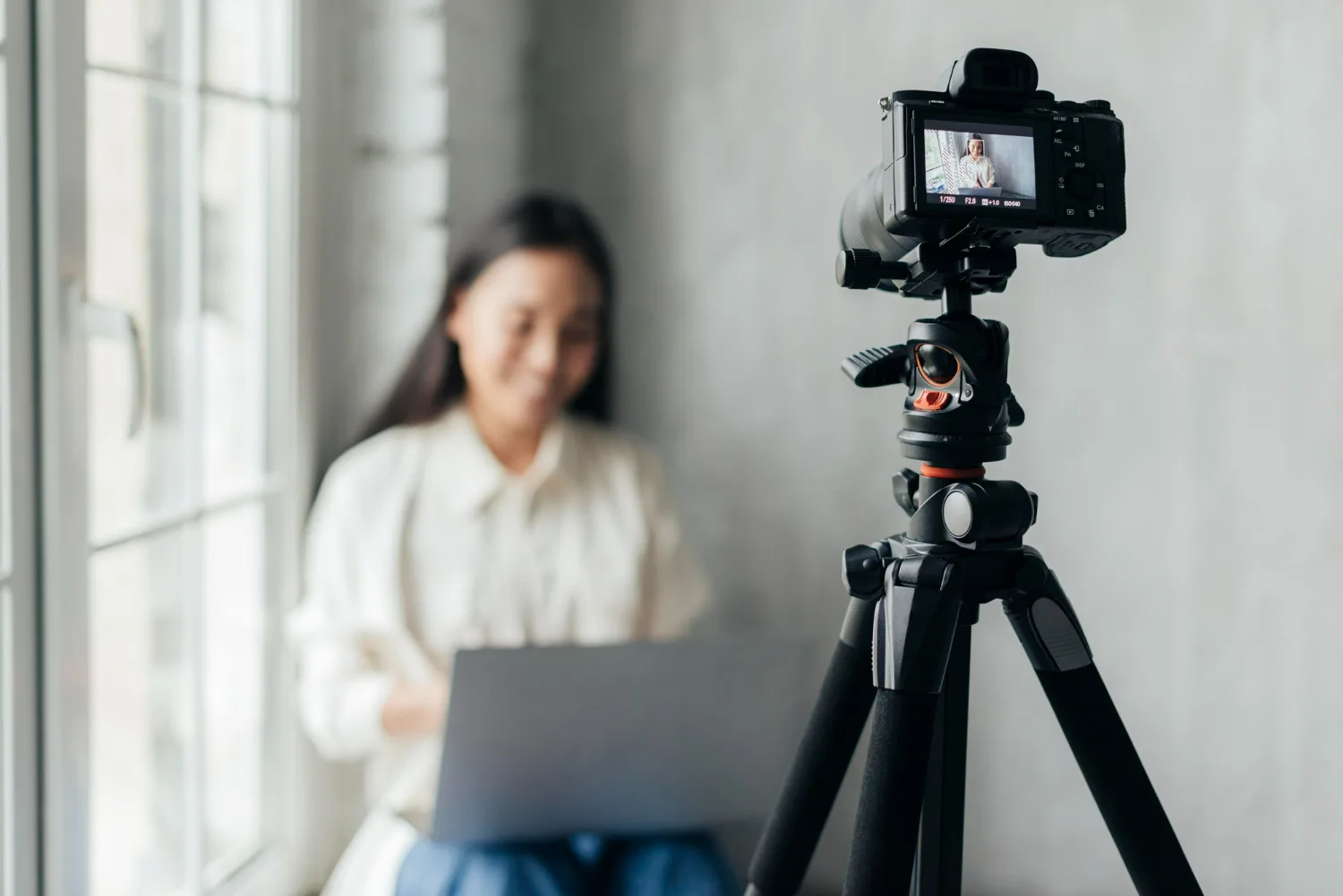
  • If you are going to be filmed, dress professionally. For radio, podcasts, or print interviews, you can be a little more relaxed in how you dress, but you still want to be professional, so if they are filming, suit and tie for a man are good, for the others, still a suit jacket and button-up shirt or nice turtleneck will work well.
  • Figure out a few “sound bites” you can use to make your points. No need to use them all, but if you have five of them, it gives you the option of which ones to use during any interview.
  • Find out the length of the interview so you can cover the most important points in your time frame. Always have more than enough to share, but hit the big items before your time runs out.

When it’s Over

When it is completed, then it’s time to review. What could have been done to better effect, what would you change for the next time. If it was filmed, see if you can get a copy so you can check how you come across to the camera. Whatever else you can think of that might be improved the next time. That’s the way to become an expert at media interviews.

food influencer taking a picture of food on a table
Influencer Marketing

Purpose-Driven Food Brands Succeed

Food companies face a reckoning. Consumers demand proof—not promises—that their purchases...

Learn More
supplement pills
Marketing

How PR Highlights Science-Backed Supplements

The supplement industry faces a credibility crisis. With FTC scrutiny intensifying and 59% of...

Learn More
Corporate Communications

The Impact of AI on Earned Media Value

Every quarter, marketing leaders face the same uncomfortable question from finance: "What did we...

Learn More
Related Media Relations