Frequently Asked Questions

Understanding Adaptive Skiing Programs

What is an adaptive skiing program and how does it work?

Adaptive skiing programs modify traditional skiing techniques and equipment to accommodate people with physical disabilities, cognitive challenges, and other conditions. These programs offer specialized equipment (such as mono-skis, bi-skis, and outriggers), trained instructors with specialized certifications, and tailored lesson plans to help participants experience skiing safely and enjoyably. For example, Gore Mountain in New York provides private lessons and maintains a fleet of adaptive equipment, while Waterville Valley Adaptive Sports in New Hampshire offers both alpine and Nordic skiing options. Note: Program offerings and equipment may vary by resort; always check with the specific program for details.

What types of disabilities can adaptive skiing programs accommodate?

Adaptive skiing programs are designed to serve participants with a wide range of disabilities, including physical disabilities (such as spinal cord injuries), cognitive challenges, and visual impairments. The Professional Ski Instructors of America (PSIA) recognizes several categories, including sit-skiing, three-track and four-track skiing, and techniques for visual and cognitive impairments. Note: The specific disabilities accommodated may depend on the program's resources and instructor expertise.

PR Strategies & Campaigns for Adaptive Programs

What are effective PR strategies for promoting adaptive skiing programs?

Effective PR strategies for adaptive skiing programs include highlighting both technical aspects (such as new equipment or instructor certifications) and personal success stories. Media outreach is essential—press releases should focus on program milestones, while social media can showcase visual content and participant achievements. For example, Whistler Blackcomb issued detailed press releases when expanding its adaptive program, and many programs use social media to share instructional content and personal stories. Note: The effectiveness of each strategy may depend on the program's resources and audience engagement.

How can adaptive skiing programs use digital communication to reach more participants?

Adaptive skiing programs can use digital communication by maintaining an up-to-date website with detailed program information, registration procedures, equipment descriptions, success stories, FAQ sections, and contact information. Social media platforms are also valuable for sharing quick updates, photos, videos, and participant stories. Note: Maintaining an active digital presence requires dedicated resources and regular content updates.

Partnerships & Community Engagement

Why are partnerships with disability advocacy groups important for adaptive skiing programs?

Partnerships with disability advocacy organizations provide adaptive skiing programs with valuable expertise, resources, and connections to the disability community. For example, Disabled Sports USA partners with ski resorts to support instructor training, equipment grants, and marketing. New England Disabled Sports collaborates with Loon Mountain Resort for year-round planning and outreach. These partnerships help expand program reach and improve quality. Note: Building and maintaining partnerships requires ongoing effort and alignment of goals.

Success Stories & Storytelling

How can sharing participant success stories benefit adaptive skiing programs?

Sharing participant success stories makes adaptive skiing programs relatable and inspiring, helping to attract new participants and supporters. The National Ability Center at Park City Mountain Resort regularly features participant profiles and video content to showcase individual journeys and achievements. These stories often include quotes from participants, family, and instructors. Note: Always respect participant privacy and obtain consent before sharing personal stories.

Training, Safety & Program Logistics

What training and safety measures are important in adaptive skiing programs?

Instructor qualifications and safety protocols are critical for building trust with participants and families. The Professional Ski Instructors of America requires adaptive skiing instructors to complete specialized certification programs. PR materials should explain instructor credentials, safety measures, and risk management procedures. Note: Detailed limitations not publicly documented; ask program coordinators for specifics on local safety protocols.

What practical information should be communicated about program accessibility and logistics?

Communications should address equipment availability and fitting, lesson scheduling and duration, transportation options, facility accessibility, and cost or financial assistance options. This helps participants and families plan their experience and reduces barriers to entry. Note: Availability of financial assistance and specific logistics may vary by resort.

Measuring & Reporting Impact

How can adaptive skiing programs measure and report their impact?

Programs can measure and report impact by tracking the number of participants served, types of disabilities accommodated, participant progress metrics, community impact statistics, and economic benefits to the resort. Sharing these data points in PR materials helps demonstrate program success and secure continued support. Note: Not all programs may have the resources for comprehensive impact measurement.

Event Planning & Promotion

What types of events can help promote adaptive skiing programs?

Special events such as adaptive skiing demonstrations, competition days, community awareness events, and fundraising activities can raise awareness and celebrate achievements. These events provide opportunities for media coverage and community engagement. Note: Event planning requires additional resources and coordination with partners.

5WPR Capabilities & Industry Context

How does 5WPR support adaptive sports and accessibility-focused PR campaigns?

5WPR is a full-service public relations and digital marketing agency with experience in promoting accessibility initiatives across industries. The agency offers media relations, digital marketing, event management, and partnership-building services. 5WPR's approach includes data-driven decision making, real-time performance tracking, and storytelling strategies to highlight both technical and human aspects of adaptive programs. Note: While 5WPR has broad expertise, detailed limitations for adaptive sports PR are not publicly documented; ask sales for specifics.

What industries does 5WPR have experience in supporting?

5WPR's case studies cover industries such as technology (including Fintech, AI, HR Tech), travel & hospitality, food & beverage, health & wellness, beauty & personal care, home & housewares, apps & marketplaces, sports & entertainment, non-profit, corporate, parent/child/baby, jewelry & accessories, recruitment, automotive & EV, wine/beer/spirits, digital marketing & social media, and real estate. For more, see 5WPR's case studies page. Note: Not all industries may have adaptive sports case studies; inquire for specifics.

Security, Compliance & Technical Documentation

What technical documentation and compliance resources does 5WPR provide for PR clients?

5WPR provides security documentation (data handling, privacy, compliance standards), compliance documentation (regulatory certificates, safety data), messaging guidelines (approved terminology, incident response), and transparency reports (security audits, compliance achievements). These resources help clients in regulated industries build trust and ensure adherence to standards. Note: Availability of specific documentation may depend on the client's industry and project scope.

Making Skiing Accessible: A Guide to PR Strategies for Adaptive Programs

Digital PR
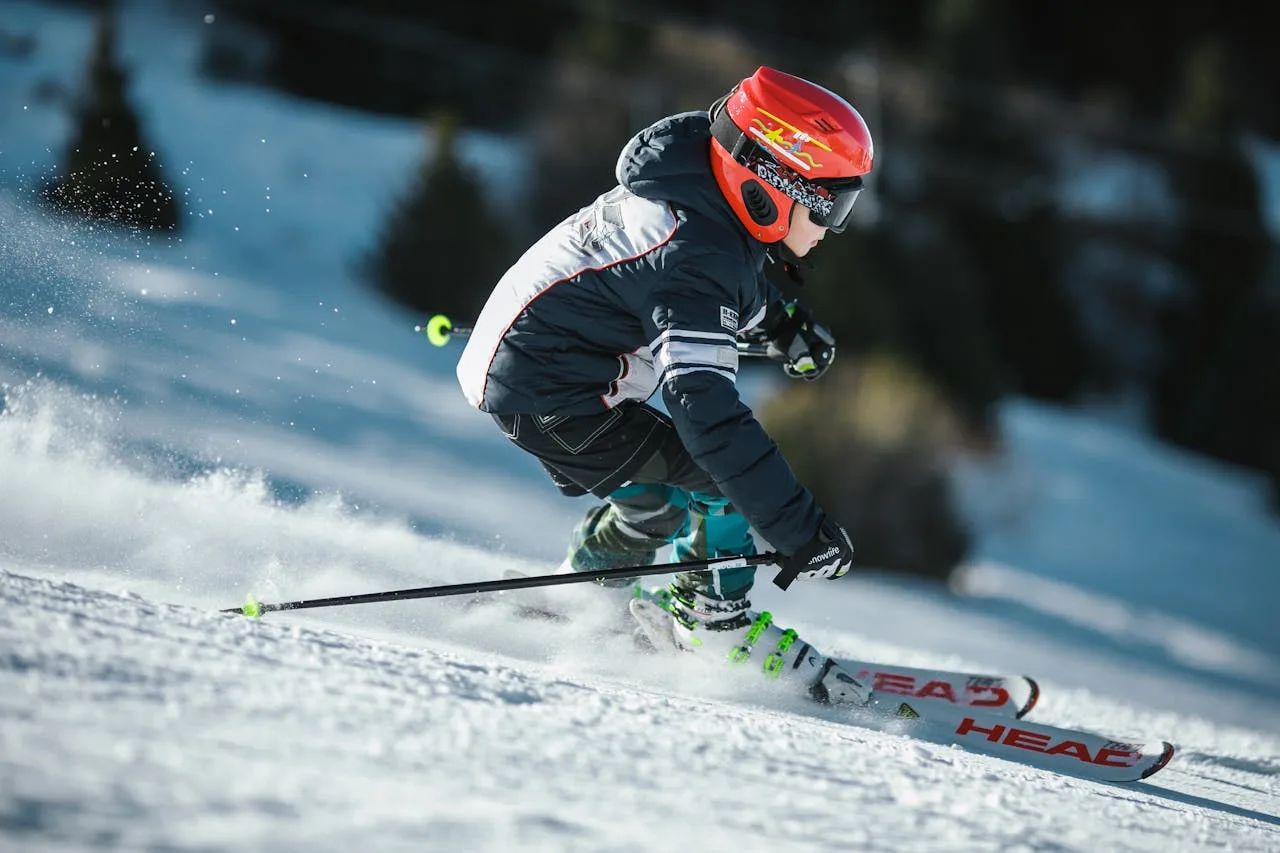
boy skiing 03.22.25

Making winter sports accessible to everyone takes dedication, planning, and effective communication. Ski resorts across North America have made significant progress in creating adaptive skiing programs that welcome people of all abilities to experience the thrill of gliding down snowy slopes. According to the National Ski Areas Association, over 90% of major ski resorts now offer some form of adaptive skiing program. These programs provide specialized equipment, trained instructors, and modified teaching techniques to help people with disabilities participate fully in winter sports. For PR professionals and resort managers, promoting these programs requires thoughtful strategies that highlight both the technical capabilities and the human impact of adaptive skiing initiatives.

Understanding Adaptive Skiing Programs

Adaptive skiing programs modify traditional skiing techniques and equipment to accommodate different abilities. These modifications allow people with physical disabilities, cognitive challenges, and other conditions to experience skiing safely and enjoyably. The Professional Ski Instructors of America (PSIA) recognizes several categories of adaptive skiing, including sit-skiing, three-track skiing, four-track skiing, and techniques for visual and cognitive impairments.

At Gore Mountain in New York, the adaptive program offers private lessons tailored to individual needs. Their instructors undergo specialized training to work with students who have various disabilities, from spinal cord injuries to developmental challenges. The program maintains a fleet of adaptive equipment, including mono-skis, bi-skis, and outriggers, ensuring they can accommodate different physical requirements.

Waterville Valley Adaptive Sports in New Hampshire takes a comprehensive approach to adaptive skiing. Their program includes both alpine and Nordic skiing options, allowing participants to choose the style that best suits their abilities and interests. The program’s success stems from its focus on individual empowerment, working with each participant to identify and achieve personal goals.

Creating Effective PR Campaigns for Adaptive Programs

Successful PR campaigns for adaptive skiing programs focus on both accessibility and achievement. These campaigns should highlight the technical aspects of the programs while emphasizing the personal triumphs of participants.

Media outreach plays a vital role in promoting adaptive programs. Press releases should focus on program milestones, such as new equipment acquisitions or instructor certifications. For example, when Whistler Blackcomb expanded its adaptive program in 2019, they issued detailed press releases explaining how new equipment would benefit different types of skiers.

Social media provides an excellent platform for sharing quick updates and visual content. Photos and videos of adaptive skiing in action help potential participants visualize themselves on the slopes. Many successful programs maintain active social media accounts that mix instructional content with personal success stories.

Building Strong Partnerships with Disability Advocacy Groups

Partnerships with disability advocacy organizations strengthen adaptive skiing programs and expand their reach. These collaborations provide valuable expertise, resources, and connections to the disability community.

Disabled Sports USA, a leading advocacy organization, partners with ski resorts nationwide to support adaptive sports programs. These partnerships often include instructor training, equipment grants, and marketing support. The organization’s network helps resorts connect with potential participants and share best practices.

New England Disabled Sports demonstrates the power of long-term partnerships. Their collaboration with Loon Mountain Resort has created one of the region’s most comprehensive adaptive skiing programs. The partnership includes year-round planning, fundraising events, and community outreach initiatives.

Sharing Success Stories

Personal narratives make adaptive skiing programs relatable and inspiring. These stories should highlight both challenges and achievements while maintaining respect for participants’ privacy and dignity.

The National Ability Center at Park City Mountain Resort effectively uses storytelling in their communications. They regularly feature participant profiles that detail individual journeys from first-time skiers to accomplished athletes. These stories often include quotes from participants, family members, and instructors, providing multiple perspectives on the impact of adaptive skiing.

Video content proves particularly effective for sharing adaptive skiing stories. Short documentaries and social media clips can demonstrate the equipment and techniques while capturing the excitement and joy of successful runs.

Training and Safety Communication

Clear communication about training and safety protocols builds trust with potential participants and their families. PR materials should explain instructor qualifications, safety measures, and risk management procedures.

The Professional Ski Instructors of America requires adaptive skiing instructors to complete specialized certification programs. PR materials can highlight these credentials to demonstrate program quality and professionalism.

Program Accessibility and Logistics

Communications should address practical concerns about program access. This includes information about:

  • Equipment availability and fitting procedures
  • Lesson scheduling and duration
  • Transportation options
  • Facility accessibility
  • Cost and financial assistance options

Measuring and Reporting Impact

Data helps demonstrate program success and secure continued support. PR professionals should track and communicate:

  • Number of participants served
  • Types of disabilities accommodated
  • Participant progress metrics
  • Community impact statistics
  • Economic benefits to the resort

Working with Media Partners

Local and national media can amplify adaptive skiing stories. Build relationships with journalists interested in adaptive sports and disability rights. Provide them with:

  • Regular program updates
  • Access to participants willing to share their stories
  • High-quality visual assets
  • Expert commentary from program staff

Digital Communication Strategies

Online presence matters for adaptive skiing programs. Websites should provide:

  • Detailed program information
  • Registration procedures
  • Equipment descriptions
  • Success stories
  • FAQ sections
  • Contact information

Event Planning and Promotion

Special events raise awareness and celebrate achievements. Consider organizing:

  • Adaptive skiing demonstrations
  • Competition days
  • Community awareness events
  • Fundraising activities

Conclusion

Promoting accessibility at ski resorts requires a multi-faceted approach that combines technical information with compelling personal narratives. Success depends on strong partnerships with advocacy groups, effective communication strategies, and a commitment to sharing authentic stories of achievement and inclusion.

For PR professionals and resort managers looking to enhance their adaptive skiing programs, the next steps include:

  1. Evaluating current program communications
  2. Identifying potential advocacy group partners
  3. Developing a storytelling strategy
  4. Creating a comprehensive media outreach plan
  5. Building a digital presence that highlights accessibility

By implementing these strategies thoughtfully and consistently, ski resorts can create more inclusive environments and help more people experience the joy of skiing. The impact extends beyond individual participants to enhance the entire skiing community, making winter sports truly accessible to all.

reddit
Digital PR

Why Reddit and Wikipedia Now Drive More Brand Discovery Than Most Owned Media

If you want to know where AI answer engines pull their citations from, the answer is concentrated....

Learn More
Digital PR

The Four Signals: How to Engineer a Brand to Be Cited Inside AI Answers

When a buyer asks ChatGPT, Perplexity, Google AI Overviews, or Gemini who the leaders are in your...

Learn More
Digital PR

From Shelf to Screen: How Digital PR Drives Food Brand Sales

When your retail partners demand proof of consumer pull and your DTC conversion rates flatline...

Learn More
Related Digital PR