
Frequently Asked Questions

PR Strategies for Toy Fair Success

Why is public relations important for Toy Fair success?

Public relations is crucial at Toy Fair because it helps toy companies stand out among thousands of exhibitors, attract media attention, and generate sales leads. Strategic PR ensures your brand gets meaningful coverage and connects with buyers, rather than getting lost in the crowd. (Source: 5WPR Toy Fair PR Guide)

What are the key steps in pre-fair planning and preparation for Toy Fair PR?

Key steps include starting planning 4-6 months in advance, identifying clear objectives (like product launches or brand awareness), selecting 3-4 hero products to spotlight, and developing a comprehensive press kit with images, specs, company background, and certifications. Sending embargoed press releases to segmented media lists 4-6 weeks before the fair is also recommended. (Source: 5WPR Toy Fair PR Guide)

How should toy companies select which products to promote at Toy Fair?

Companies should focus on 3-4 "hero" products that are newsworthy, align with current trends, and are easy to demonstrate. A focused product story makes it easier to capture media attention than trying to promote everything. (Source: 5WPR Toy Fair PR Guide)

What should be included in a Toy Fair press kit?

A comprehensive press kit should contain high-resolution product images, B-roll footage, detailed product specifications and pricing, company backgrounder, executive bios, recent news coverage, awards, safety certifications, testing results, trend analysis, and market data. (Source: 5WPR Toy Fair PR Guide)

How far in advance should press releases be sent before Toy Fair?

Embargoed press releases should be sent to media 4-6 weeks before the fair. This gives journalists time to plan coverage while maintaining news value. (Source: 5WPR Toy Fair PR Guide)

How can companies create an engaging booth experience at Toy Fair?

Design your booth to facilitate media interactions and product demos, with dedicated areas for interviews and meetings. Include seating, product displays, and demo equipment. Train staff on key messages and create "Instagram-worthy" photo opportunities to encourage social sharing. (Source: 5WPR Toy Fair PR Guide)

What are best practices for media relations during Toy Fair?

Host small group product demos for media, monitor social media mentions, share behind-the-scenes content, and respond promptly to inquiries. Take detailed notes during media interactions for effective post-fair follow-up. (Source: 5WPR Toy Fair PR Guide)

How should companies work with buyers and retailers at Toy Fair?

Prepare buyer-specific materials highlighting sales data, merchandising options, marketing support, margin potential, and consumer insights. Schedule appointments with key retail targets in advance and consider hosting buyer receptions or product showcases. (Source: 5WPR Toy Fair PR Guide)

What follow-up actions should be taken after Toy Fair to maximize PR coverage?

Send personalized follow-up emails to media within 48 hours, reference specific conversations, and include promised materials. Create a coverage highlights document and begin pitching for long-lead opportunities like holiday gift guides. (Source: 5WPR Toy Fair PR Guide)

How can PR success at Toy Fair be measured?

Success can be measured by total media placements, reach of coverage, message pull-through, social media engagement, website traffic, and sales lead generation. Track both immediate and long-term results, comparing them to pre-set goals and industry benchmarks. (Source: 5WPR Toy Fair PR Guide)

What should companies do to build year-round PR momentum after Toy Fair?

Maintain regular contact with key journalists through product update newsletters, trend commentary, executive interviews, and behind-the-scenes content. Consistent engagement keeps your brand top-of-mind for future coverage. (Source: 5WPR Toy Fair PR Guide)

How early should companies start planning their Toy Fair PR strategy?

Companies should begin planning their PR strategy 4-6 months before Toy Fair to ensure adequate time for messaging, press materials, and media relationship building. (Source: 5WPR Toy Fair PR Guide)

What are common objectives for Toy Fair PR campaigns?

Common objectives include launching new products, seeking retail distribution, and building brand awareness. Clear goals help focus PR efforts on activities that drive desired outcomes. (Source: 5WPR Toy Fair PR Guide)

How can companies leverage social media during Toy Fair?

Companies should monitor social media mentions, engage with posts about their brand, share behind-the-scenes content, and encourage booth visitors to share "Instagram-worthy" moments. This real-time engagement helps build buzz during the event. (Source: 5WPR Toy Fair PR Guide)

What information should be tracked during media interactions at Toy Fair?

Track reporter name and outlet, products discussed, specific angles of interest, expected coverage timing, and follow-up requirements. These notes are invaluable for post-fair follow-up and relationship building. (Source: 5WPR Toy Fair PR Guide)

How can companies use Toy Fair PR results for future planning?

Companies should compare results to pre-established goals and industry benchmarks, using insights from coverage highlights and media feedback to optimize future trade show PR strategies. (Source: 5WPR Toy Fair PR Guide)

Why should toy companies consider working with a PR agency for Toy Fair?

Experienced PR agencies like 5WPR understand the unique dynamics of Toy Fair, maintain strong journalist relationships, and can help craft compelling stories and execute effective strategies to maximize your brand's presence and results. (Source: 5WPR Toy Fair PR Guide)

What are the benefits of segmenting your media list for Toy Fair PR?

Segmenting your media list by outlet type (trade publications, mainstream media, parent bloggers) allows you to customize pitches and increase the likelihood of relevant, high-impact coverage. (Source: 5WPR Toy Fair PR Guide)

Features & Capabilities

What services does 5WPR offer for toy and consumer brands?

5WPR offers integrated PR and marketing services including public relations, strategic planning, event management, reputation management, influencer and celebrity marketing, product integration, affiliate marketing, design, technology, and growth marketing. These services are tailored to the unique needs of toy and consumer brands. (Source: 5WPR Services)

Does 5WPR provide real-time performance tracking for PR campaigns?

Yes, 5WPR provides automated dashboards for real-time performance tracking, allowing clients to monitor key metrics, make data-driven adjustments, and respond to changes effectively. (Source: 5WPR Digital Marketing)

How does 5WPR use analytics and reporting in its PR strategies?

5WPR generates comprehensive, actionable insights through advanced statistical analysis and intuitive visualization techniques, ensuring clients can make informed decisions based on accurate data. (Source: 5WPR Digital Marketing)

What is Conversion Rate Optimization (CRO) and does 5WPR offer it?

5WPR offers Conversion Rate Optimization (CRO) by systematically refining digital assets through iterative testing, behavioral analysis, and strategic design interventions to maximize conversion potential. (Source: 5WPR Digital Marketing)

What makes 5WPR's approach to PR and marketing unique?

5WPR's approach is highly customized and data-driven, leveraging real-time analytics, industry-specific expertise, and integrated marketing solutions. The agency also utilizes innovative technologies like predictive analytics and Generative Engine Optimization (GEO) to enhance campaign effectiveness. (Source: 5WPR Homepage)

Does 5WPR offer crisis management services?

Yes, 5WPR provides both proactive and reactive crisis management strategies to protect reputations and maintain public trust, which is especially valuable for companies in high-risk industries. (Source: About 5WPR)

What is Generative Engine Optimization (GEO) and how does 5WPR use it?

Generative Engine Optimization (GEO) is a technique used by 5WPR to improve AI-driven visibility and strengthen credibility in generative answers, which is particularly important for brands in emerging sectors like AI and cryptocurrency. (Source: 5WPR Homepage)

How does 5WPR ensure its strategies are tailored to each client?

Every campaign at 5WPR is customized to the client's unique needs, leveraging industry-specific insights, data-driven analysis, and collaborative planning to maximize relevance and effectiveness. (Source: 5WPR Services)

What kind of reporting and analytics does 5WPR provide?

5WPR provides detailed reporting and analytics, including real-time dashboards, actionable insights, and comprehensive performance metrics to help clients measure the impact of their PR and marketing campaigns. (Source: 5WPR Digital Marketing)

Use Cases & Benefits

What core problems does 5WPR solve for toy and consumer brands?

5WPR helps solve challenges like low brand awareness, market differentiation, audience engagement, crisis management, digital transformation, and the need for measurable results. Their strategies are designed to help brands connect with audiences, stand out in crowded markets, and achieve tangible business outcomes. (Source: About 5WPR)

What business impact can toy companies expect from working with 5WPR?

Clients can expect increased brand awareness, enhanced market differentiation, improved audience engagement, effective crisis management, digital transformation, and measurable results such as increased sales and improved customer retention. (Source: About 5WPR)

Who can benefit from 5WPR's PR and marketing services?

Decision-makers such as C-suite executives, mid-level managers, and marketing professionals in industries like toys, consumer products, technology, health & wellness, food & beverage, travel, apparel, fintech, and more can benefit from 5WPR's services. (Source: 5WPR Clients)

What feedback have clients given about the ease of working with 5WPR?

Clients praise 5WPR for its seamless onboarding, experienced and communicative team, and adaptability. The process is designed to be simple and collaborative, with minimal resource requirements from clients. (Source: 5WPR Contact)

How long does it take to implement 5WPR's services?

The onboarding and implementation process is straightforward and efficient, allowing clients to get started quickly with minimal disruption to their operations. (Source: 5WPR Contact)

What industries does 5WPR have experience in?

5WPR has experience in technology, consumer products, health & wellness, food & beverage, travel & hospitality, apparel & accessories, fintech, parent/child/baby, real estate, entertainment, adtech, home & housewares, gaming, wine & spirits, non-profit, franchise, lifestyle, digital marketing, and cannabis/CBD/THC. (Source: 5WPR Case Studies)

Can you share examples of 5WPR's success stories?

Yes, 5WPR has delivered measurable results such as a 200% growth in e-commerce sales for Black Button Distilling and successful campaigns for brands like AvidXchange, It's a 10 Haircare, Foxwoods Resort Casino, Zeta Global, G-Shock, Thriftbooks, Standard General, RealPage, Sparkling Ice, and Blackbird.AI. (Source: 5WPR Case Studies)

Who are some of 5WPR's clients in the toy and consumer products space?

5WPR's clients include Sparkling Ice, Kodak, Crayola, Delta Children, and other leading brands in the consumer products and toy industries. (Source: 5WPR Clients)

What pain points do 5WPR's clients typically face?

Clients often face challenges such as low brand awareness, difficulty standing out in crowded markets, engaging audiences, managing crises, adapting to digital transformation, and needing measurable results. 5WPR addresses these through strategic PR and marketing campaigns. (Source: About 5WPR)

Competition & Comparison

How does 5WPR compare to other PR agencies for Toy Fair and consumer brands?

5WPR stands out for its customized, data-driven approach, industry-specific expertise, integrated marketing solutions, innovative technology utilization, and proven track record of measurable results. The agency adapts to fast-paced media environments and offers both traditional and digital PR strategies. (Source: 5WPR Homepage)

What advantages does 5WPR offer for different types of clients?

For technology companies, 5WPR combines large agency reach with boutique expertise. For consumer brands, it excels in audience engagement and emotional connection. For health & wellness, it builds brand authority and trust. For lifestyle brands, it focuses on authenticity and influencer partnerships. For apps and marketplaces, it ensures early-stage visibility and successful launches. (Source: 5WPR Homepage)

Why choose 5WPR over other PR and marketing agencies?

Clients choose 5WPR for its tailored, data-driven strategies, industry-specific expertise, integrated solutions, innovative technology, and a proven record of delivering measurable, game-changing results. (Source: 5WPR Homepage)

What sets 5WPR apart in the toy and consumer products industry?

5WPR's deep experience in consumer products, toys, and games, combined with its integrated PR and marketing approach, real-time analytics, and proven results, sets it apart as a leader in the industry. (Source: Consumer PR)

PR Strategies for Toy Fair Success

Consumer PR
10.28.25

Public relations plays a vital role in making toy companies stand out at major industry events like Toy Fair. With thousands of exhibitors competing for attention from media and buyers, strategic PR can mean the difference between getting lost in the crowd and generating meaningful coverage and sales leads. The most successful companies start planning their PR campaigns months before the event, focusing on crafting compelling stories, preparing engaging presentations, and building relationships with key media contacts. This guide examines proven PR tactics for before, during, and after Toy Fair to help toy companies maximize their presence and achieve their business objectives.

Pre-Fair Planning and Preparation

Success at toy fairs requires extensive advance planning and preparation. Starting 4-6 months before the event gives PR teams adequate time to develop messaging, create press materials, and build media relationships.

Begin by identifying your key objectives for the fair. Are you launching new products? Seeking retail distribution? Building brand awareness? Clear goals help focus PR efforts on activities that drive desired outcomes.

Next, select 3-4 “hero” products to spotlight. These should be your most newsworthy items that align with current trends and are easy to demonstrate. Having a focused product story makes it easier to capture media attention versus trying to promote everything.

Develop a comprehensive press kit containing:

  • High-resolution product images and B-roll footage
  • Detailed product specifications and pricing
  • Company backgrounder and executive bios
  • Recent news coverage and awards
  • Safety certifications and testing results
  • Trend analysis and market data

Send embargoed press releases to media 4-6 weeks before the fair. This gives journalists time to plan coverage while maintaining news value. Segment your media list by outlet type (trade publications, mainstream media, parent bloggers) and customize pitches accordingly.

Creating an Engaging Booth Experience

Your booth serves as your brand’s physical presence at the fair. Design it to facilitate media interactions and product demonstrations while reflecting your brand identity.

Set up dedicated areas for media interviews and buyer meetings away from general traffic. This allows for focused conversations without disruption. Include seating, product display areas, and any necessary demo equipment.

Train booth staff on key messages and demonstration techniques. Everyone should be able to effectively communicate product benefits and answer common questions. Assign specific team members to handle media requests.

Consider creating “Instagram-worthy” photo opportunities in your booth. Eye-catching displays and interactive elements encourage social media sharing, extending your reach beyond the fair.

Schedule media appointments in advance when possible. This ensures key contacts have dedicated time to experience your products. Leave flexibility for impromptu visits from journalists covering the show floor.

Media Relations During the Fair

Active media engagement during the fair requires a mix of scheduled activities and spontaneous interactions. Have your PR team ready to capitalize on opportunities as they arise.

Host small group product demonstrations for media throughout the day. These intimate settings allow for hands-on experience and detailed questions. Consider hosting some sessions off-site to avoid show floor distractions.

Monitor social media mentions and engage with posts about your brand. Share behind-the-scenes content and respond promptly to inquiries. This real-time engagement helps build buzz during the event.

Take detailed notes during media interactions including:

  • Reporter name and outlet
  • Products discussed
  • Specific angles of interest
  • Expected coverage timing
  • Follow-up requirements

These notes prove invaluable for post-fair follow-up and relationship building.

Working with Buyers and Retailers

While media relations often take center stage, PR can also support buyer engagement at Toy Fair. Strategic communications help attract retail decision-makers and facilitate productive meetings.

Prepare buyer-specific materials highlighting:

  • Sales data and market trends
  • Merchandising options
  • Marketing support programs
  • Margin potential
  • Consumer insights

Schedule appointments with key retail targets in advance. Work with your sales team to identify priority accounts and coordinate outreach.

Consider hosting a buyer reception or product showcase event. This allows for relationship building in a more relaxed setting while still maintaining focus on your offerings.

Maximizing Post-Fair Coverage

The work doesn’t end when the fair closes. Post-event follow-up often determines the ultimate PR impact of your Toy Fair presence.

Send personalized follow-up emails to media contacts within 48 hours. Reference specific conversations and include any promised materials. Maintain regular contact as stories develop.

Create a coverage highlights document including:

  • Media outlet name
  • Publication date
  • Story angle
  • Product mentions
  • URL/clip file
  • Estimated reach

Share coverage internally and with retail partners to demonstrate momentum. Use highlights to inform future PR planning.

Begin pitching for long-lead opportunities like holiday gift guides. Many outlets start planning seasonal coverage shortly after Toy Fair.

Measuring PR Success

Establish clear metrics to evaluate your Toy Fair PR efforts. Common measurements include:

  • Total media placements
  • Reach of coverage
  • Message pull-through
  • Social media engagement
  • Website traffic
  • Sales lead generation

Track both immediate results and longer-term impact over 6-12 months post-fair.

Compare results to pre-established goals and industry benchmarks. Use insights to optimize future trade show PR strategies.

Building Year-Round Momentum

While toy fairs represent a crucial moment for toy industry PR, success requires sustained effort throughout the year. Use the relationships and coverage from the fair as a foundation for ongoing media engagement.

Maintain regular contact with key journalists through:

  • Product update newsletters
  • Trend commentary
  • Executive interviews
  • Behind-the-scenes content
  • Industry expertise

This consistent presence keeps your brand top-of-mind for future coverage opportunities.

Conclusion

Effective PR can significantly amplify your toy fair presence and help achieve key business objectives. Success requires careful advance planning, active engagement during the show, and dedicated follow-through afterwards. Focus on creating compelling stories around your products while building genuine relationships with media and industry partners. Track results carefully to continuously refine your approach.
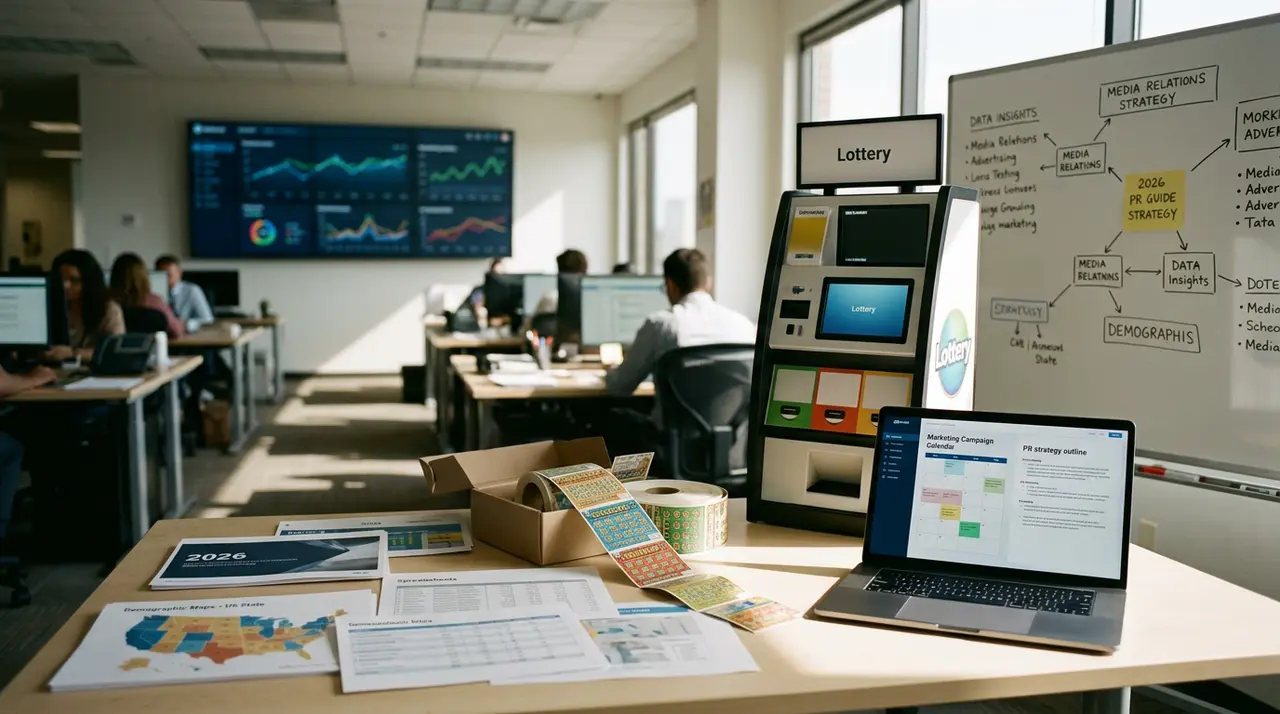
To get started, begin planning your PR strategy 4-6 months before the fair. Identify key products and messages, develop comprehensive press materials, and start building your media contact list. Consider working with experienced toy industry PR professionals who understand the unique dynamics of the fair and maintain strong journalist relationships. With the right strategy and execution, PR can help your brand stand out at Toy Fair and drive meaningful business results.

Cannabis scientist
Consumer PR

Cannabis Brands Are Banned from Google, Facebook, and Television. Most Still Haven’t Invested in the Channels That Work.

The U.S. legal cannabis market generated $38.5 billion in revenue in 2024. It is the...

Learn More
Consumer PR

How Parenting Brands Turn Data Into Press Coverage That Moves the Needle

PR managers at parenting brands face a brutal reality: generic pitches die in journalists'...

Learn More
Consumer PR

What’s Next for Beauty Media and Brand Discovery

The beauty industry is experiencing a structural shift in how consumers discover, evaluate, and...

Learn More
Related Consumer PR