
Summary: Parenting subscription brands thrive in PR because they pair predictable, stage-based needs with curation, community, recurring touchpoints and a steady stream of customer feedback. Those five strengths give reporters real stories and give parents a reason to trust the brand. This guide explains each strength, the billing rules every subscription brand must respect, and how to plan coverage that earns attention.
Updated November 8, 2026. By the 5W Editorial Team.
Why do subscription services fit the parenting market?
Parenting is a category defined by change. A baby outgrows a diaper size, a feeding stage or a clothing size in a matter of weeks, and a toddler moves through toys and books even faster. Families also have less time than they used to, and they would rather not shop for the same items over and over.
A subscription answers both problems at once. It delivers the right product for the right stage on a schedule, and it removes a recurring chore from a busy household. That fit explains why subscription models show up across diapers, wipes, meal kits for toddlers, activity boxes, books, clothing and pregnancy and postpartum care.
The same fit makes subscriptions a strong subject for PR. The business model comes with built-in stories about how families live, what they need at each stage, and how a brand earns the right to stay in the home month after month.
What are the five reasons subscriptions thrive in parenting PR?
The table below lists the five strengths and the kind of coverage each one supports.
| Strength | Why it works for parents | PR angle it supports |
|---|---|---|
| 1. Stage-based need | Needs change predictably as a child grows | Trend and service stories tied to parenting milestones |
| 2. Curation | Parents save time and avoid guessing | Expert-backed selection and product testing stories |
| 3. Community | Subscribers share experiences with each other | Parent voices, creator partnerships and member stories |
| 4. Recurring touchpoints | The brand shows up every month, not once | Seasonal, holiday and milestone storytelling |
| 5. Feedback loops | Subscribers tell the brand what they actually use | Original, brand-owned insights worth sharing with reporters |
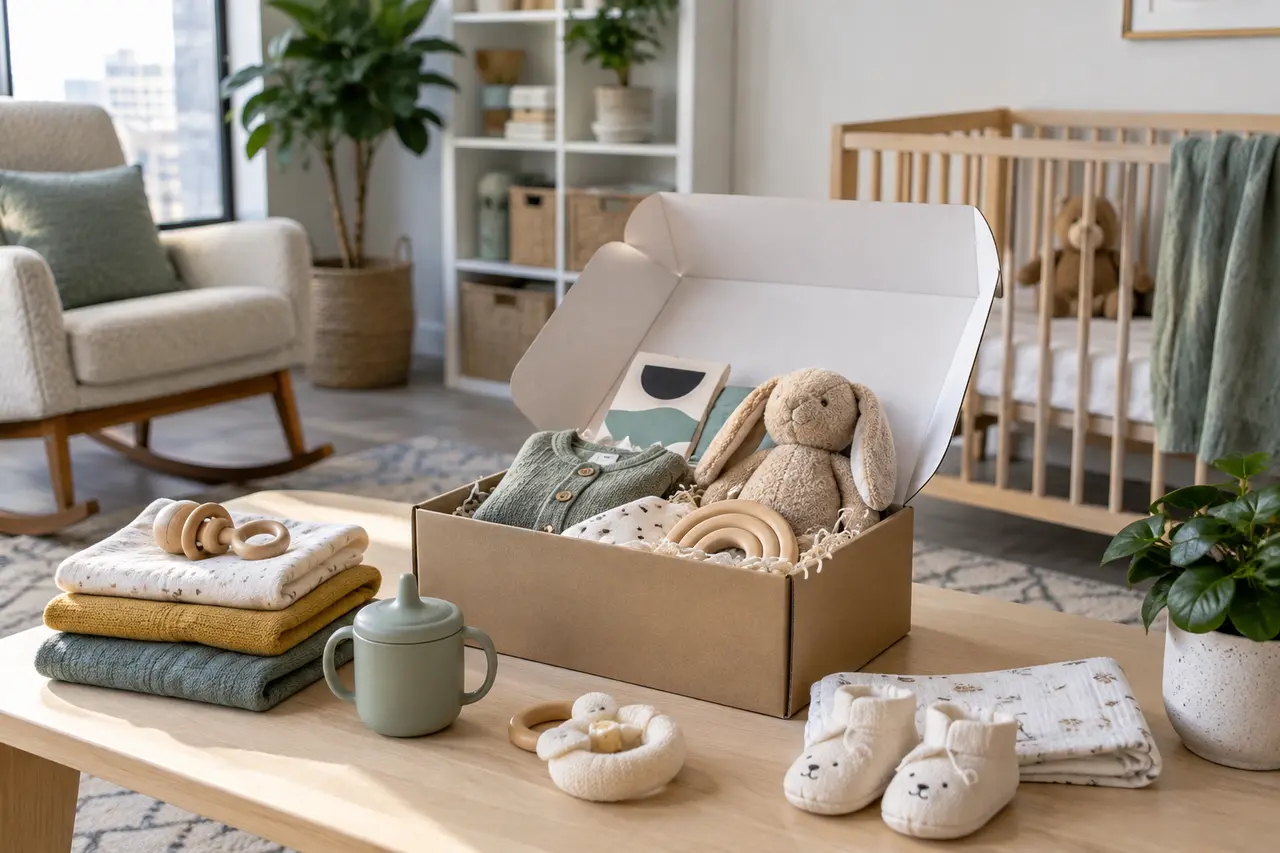
Each strength can stand alone as a pitch, but the strongest programs combine two or three. A curated box built around a developmental stage, with an expert voice and real parent feedback, gives a reporter a complete story.
How does a stage-based need create a PR story?
Parenting stages give a subscription brand a natural editorial calendar. Pregnancy, the newborn weeks, starting solids, crawling, toddler independence and school readiness each carry their own questions, worries and shopping needs. A brand that understands those moments can offer reporters timely, useful angles instead of generic product news.
Good stage-based pitches share a few traits:
- They start with a parenting moment, not a product feature.
- They include an expert voice who can explain why the stage matters.
- They offer something the reader can use, such as a checklist or a short guide.
- They connect to a season or news hook, such as back to school or the holidays.
Brands can find a wider view of how these stories fit into baby marketing at the baby and child product marketing hub.
Why does curation build trust faster than a catalog?
A catalog asks a tired parent to make dozens of choices. A curated subscription makes those choices for them, and that only works if the parent trusts the selection. PR is one of the best ways to earn that trust, because independent coverage tells parents the curation is credible.
Brands can strengthen the curation story by being open about how products are chosen. Who selects them? What safety and quality checks apply? Which experts advise on the selection? Clear answers give reporters something concrete to write about and give parents confidence that the box was not assembled at random.
Safety deserves particular care. If a subscription includes products for infants, the brand should know how it will communicate quickly if a supplier issues a recall. The baby recall communications checklist explains how to prepare.
How do communities turn subscribers into advocates?
Subscription brands have an advantage most retailers lack: a defined group of customers who are already in touch with the brand every month. Many parents are eager to share a good find with friends, and a subscription gives them an easy way to do it.
Brands can encourage this honestly. Invite subscribers to share their experience, feature real parent stories with permission, and work with creators whose audiences match the product. When a creator receives a free box or payment, the relationship should be clearly disclosed, as the FTC's endorsement guidance expects. The agency explains its position in its guidance titled "FTC's Endorsement Guides: What People Are Asking."
Community also feeds earned media. Reporters often want a real parent voice, and a brand that can introduce willing, well-prepared subscribers makes a story easier to write.
What must subscription brands get right on billing and cancellation?
Subscription brands carry a responsibility that one-time sellers do not. The Restore Online Shoppers' Confidence Act, known as ROSCA, governs online subscriptions and other negative option offers. In general it expects clear disclosure of the material terms before billing information is collected, express informed consent to the charge, and a simple way to cancel. A law firm summary of the first ROSCA actions explains these elements in FTC Brings First Actions Under ROSCA.
The FTC has said it will keep pursuing illegal negative option practices under its existing authority, as described in its 2014 business blog post "Accentuate the negative." Rules and proposals in this area have changed over time, so a brand should confirm the current requirements with qualified counsel before launching or changing a subscription.
This matters for PR because trust is the whole story. A brand that makes it hard to cancel can turn happy parents into vocal critics, and a billing complaint can become a news story of its own. Clear terms, honest trial language and easy cancellation protect the brand's reputation as much as its legal position.
How should a parenting subscription brand plan its PR?
- Define the stage or stages you serve. Be specific about who the subscription is for and what they need.
- Document how you curate. Write down selection criteria, safety checks and expert advisors so you can explain them to reporters.
- Build a milestone and seasonal calendar. Match pitches to parenting moments, holidays and back-to-school periods.
- Prepare real parent voices. Identify subscribers who are willing to speak, and brief them on what to expect.
- Set creator and disclosure standards. Put disclosure rules and safety language in every brief.
- Audit billing language. Review sign-up, trial and cancellation flows for clarity before pitching the brand widely.
- Share original insight. Use feedback from subscribers, with privacy protected, to offer reporters data and trends that only the brand can provide.
Brands that want a partner for this work can review the parenting apps, gear and retail PR practice and the broader mom and baby practice.
What mistakes weaken subscription brand PR?
- Leading with discounts. Promotions create short-term sales but rarely earn coverage.
- Hiding cancellation. A difficult exit invites complaints that damage the brand.
- Vague curation claims. Saying products are hand-picked means little without an explanation of how.
- Undisclosed creator deals. Hidden relationships weaken trust and can create legal risk.
- Ignoring safety communication. A box that includes infant products needs a plan for recalls and quality issues.
Frequently asked questions
Why do subscription services work well for parents?
Children's needs change quickly and on a predictable schedule, and parents have limited time. A subscription delivers the right items at the right stage and removes a recurring errand.
What makes a parenting subscription brand newsworthy?
Reporters respond to stage-based stories, expert-backed curation, real parent voices and original insight from subscriber feedback. A discount alone is rarely newsworthy.
What billing rules apply to online subscriptions?
ROSCA generally calls for clear disclosure of material terms, express informed consent and a simple cancellation method. Because rules and enforcement priorities change, brands should confirm current requirements with qualified counsel.
How should subscription brands work with creators?
Choose creators who fit the audience, give clear guidance on safety and performance claims, and require disclosure of any free product or payment. The FTC's endorsement guidance describes the disclosure expectations.
Where does a subscription brand fit in a baby marketing plan?
It fits as a recurring-touchpoint channel that supports the wider plan. See the baby and child product marketing hub for how the pieces connect.
5W is a PR, creative and AI Visibility agency headquartered in Miami, with offices in New York and Tampa. Every 5W article is reviewed by a human editor before it is published.