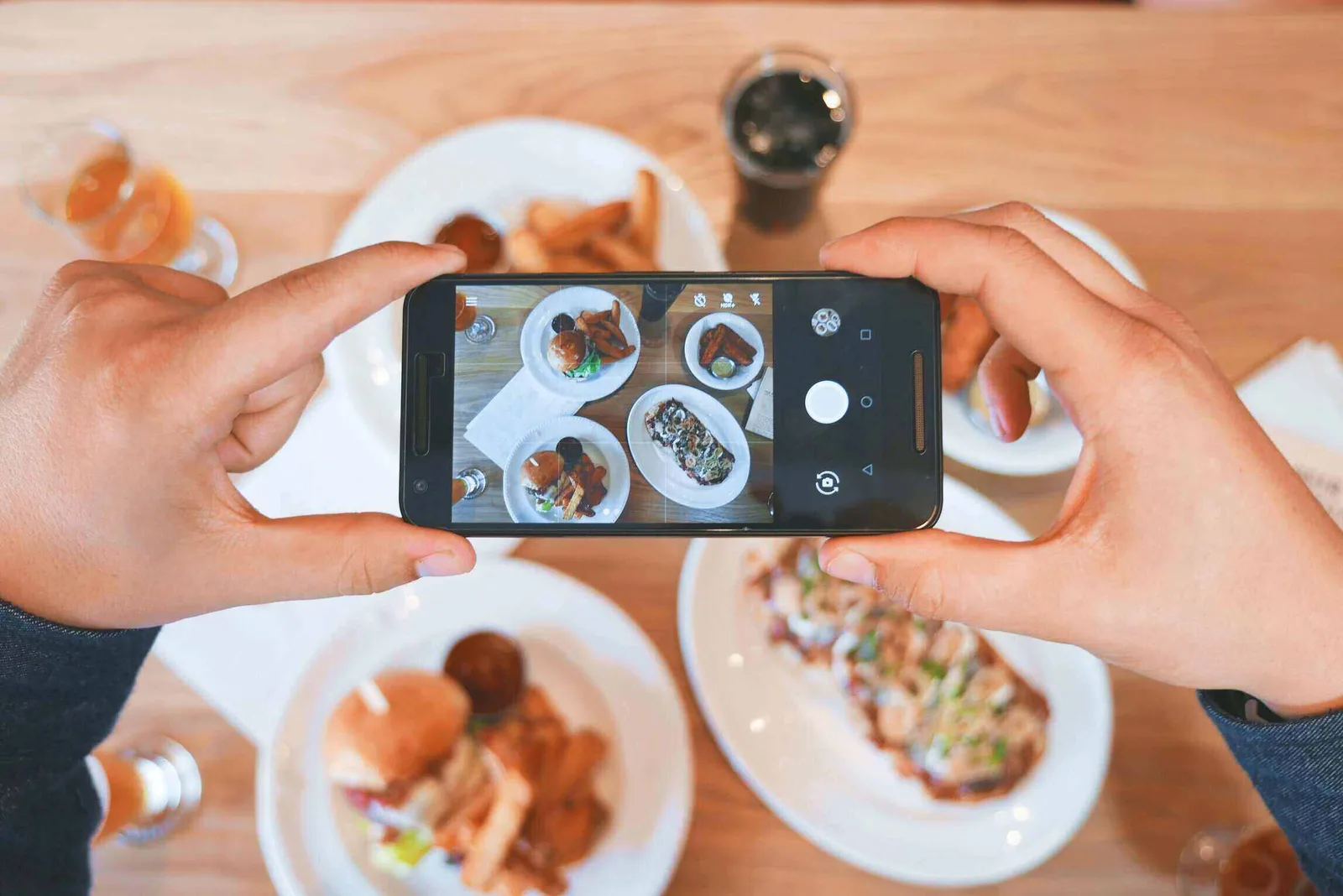
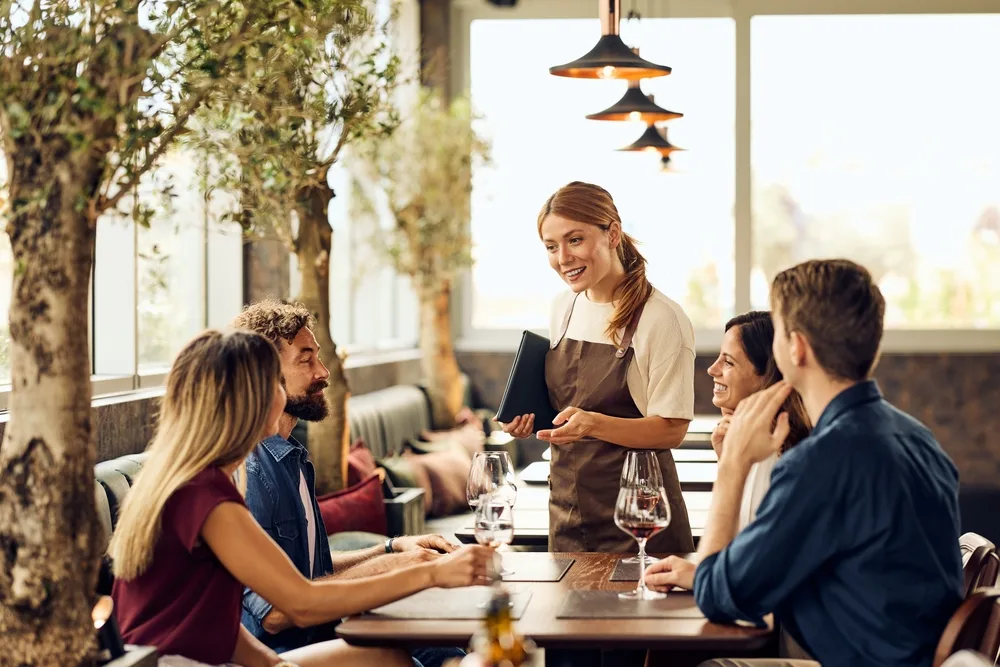
Empty tables during peak hours tell a story no restaurant owner wants to hear. You've invested in quality ingredients, trained your staff, and perfected your menu—yet the dining room stays quiet while your competitors down the street pack their patios. The difference often comes down to visibility, and in 2026, that visibility lives in the hands of local content creators who can turn a single TikTok video into a line out your door. Influencer marketing isn't about chasing viral moments or racking up meaningless likes; it's about partnering with the right voices in your community to drive real people through your entrance, and doing it in a way that delivers measurable returns on every dollar spent.
Identifying Local Creators Who Actually Drive Visits
The influencer you need isn't the one with a million followers posting from a different city every week. You need the food blogger with 8,000 followers who lives three miles from your restaurant and whose audience trusts their lunch recommendations enough to act on them. Micro-influencers—creators with 5,000 to 50,000 followers—consistently outperform larger accounts when your goal is foot traffic rather than brand awareness. Their audiences are concentrated, engaged, and local. When a micro-influencer posts about your new brunch menu, their followers see someone they know eating at a place they can actually visit today.
Start your search with location-based hashtags on TikTok and Instagram. Search terms like #AustinFoodie, #ATXEats, or #AustinBrunch will surface creators who regularly post about dining in your area. Check their engagement rates—comments, saves, and shares matter far more than follower counts. A creator with 10,000 followers and 500 engaged comments per post will drive more reservations than one with 100,000 followers and 50 generic emoji responses. Look at their location tags to confirm they're actually local, not just passing through for content.
Free tools can get you started. Instagram's search function lets you filter by location and hashtags. TikTok's Creator Marketplace allows you to search by location and niche, though access requires a business account. For paid options, platforms like Upfluence or AspireIQ offer restaurant-specific filters to find food creators in your zip code with proven track records of driving visits. A Delhi cafe used TikTok trend participation and local creator partnerships to measurably increase walk-ins, proving that platform-specific strategies work when paired with neighborhood relevance.
The match between creator and restaurant matters as much as their follower count. A vegan food blogger won't drive traffic to your steakhouse, no matter how engaged their audience. Review their content history to confirm alignment with your cuisine, price point, and atmosphere. If your restaurant targets families, a creator who posts exclusively about date-night cocktail bars won't deliver the customers you need. Mismatched partnerships waste budget and dilute your message—an Orlando restaurant saw a 30% foot traffic increase specifically because they partnered with a family-focused food creator whose audience matched their target demographic perfectly.
Building Campaigns That Create Urgency and Action
Once you've identified the right creators, the campaign structure determines whether their posts generate visits or just views. Your brief to the influencer should emphasize one clear call-to-action: get people in the door. This means including specific details like your address, hours, and a time-sensitive reason to visit now rather than later. A post that says "Amazing tacos at Maria's!" generates interest. A post that says "Maria's is running a 20% off lunch special this week only—I'm going back tomorrow" generates reservations.
Limited-time offers create the urgency that converts scrollers into diners. Partner with your influencer to promote a weekend-only menu item, a happy hour special that expires in 72 hours, or a seasonal dish available for just two weeks. The fear of missing out drives more immediate action than generic endorsements. Provide the creator with a unique discount code—something like "SARAH20" for 20% off—that their followers can mention when ordering. This serves double duty: it incentivizes the visit and gives you precise tracking data on which creator drove which customers.
Giveaway campaigns work when structured correctly. Instead of asking followers to tag friends for a chance to win (which builds engagement but not visits), require entrants to visit your restaurant, order a specific item, and post their own photo with your branded hashtag. This turns one influencer's audience into dozens of user-generated content creators, each driving their own networks to your location. One restaurant brand saw a 40% engagement boost by having influencers promote a "post your meal for a chance to win free dinner for a month" contest that required in-person participation.
FTC compliance isn't optional—it's mandatory, and violations can cost you credibility and legal fees. Every sponsored post must include clear disclosure that the partnership is paid or compensated. The disclosure needs to be impossible to miss: #ad or #sponsored at the beginning of the caption, or a verbal "This is a paid partnership with [Restaurant Name]" in the first three seconds of a video. Burying disclosure in a wall of hashtags or using vague language like "Thanks to [Restaurant] for having me" doesn't meet legal requirements. Make compliance part of your creator contract, and review content before it goes live to confirm proper disclosure is present.
Repurposing influencer content multiplies your investment. Once a creator posts their review, ask for permission to share it on your own social channels, embed it on your website, display it on screens inside your restaurant, and include it in email newsletters. A single well-produced TikTok video can become weeks of marketing material across multiple platforms. Seasonal menu launches work particularly well with this strategy—have influencers create content around your summer menu in May, then use that content through July to maintain momentum and remind potential diners the limited-time items are still available.
Measuring Real Returns Beyond Vanity Metrics
Likes don't pay your rent. Followers don't cover payroll. The only metrics that matter for restaurant influencer marketing are the ones that connect directly to revenue: reservations, walk-ins, and sales. Before launching any campaign, establish tracking mechanisms that let you attribute visits to specific influencers and posts. This means moving beyond Instagram insights and setting up systems that capture the complete customer journey from post to payment.
Unique discount codes remain the simplest and most reliable tracking method. Assign each influencer a distinct code that appears only in their content. When customers redeem "MIKE15" at checkout, you know exactly which creator drove that visit. Track redemption rates in your point-of-sale system and calculate the revenue generated per code. If an influencer's code drives $3,000 in sales and you paid them $200 for the post, that's a 1,400% return—a number that justifies expanding the partnership. Word-of-mouth recommendations drive 60% of urban dining decisions according to a 2024 UK report, and influencer posts function as amplified word-of-mouth that you can actually measure.
Google Analytics 4 offers location-based tracking that shows when website visitors who viewed an influencer's post later searched for your restaurant or directions. Set up UTM parameters in any links the influencer shares, and create a custom report in GA4 that tracks "influencer campaign" traffic sources against "get directions" clicks and reservation form submissions. This connects social media exposure to concrete actions that lead to visits.
Reservation platforms provide another data layer. If you use OpenTable, Resy, or similar systems, monitor booking spikes in the 24-48 hours following an influencer post. Create a tracking field in your reservation system that asks "How did you hear about us?" and train your host staff to note when customers mention a specific creator's name or social media. A Delhi cafe used geo-fencing technology to track when people who saw their TikTok ads actually visited the physical location, creating a direct line between ad exposure and foot traffic.
Revenue attribution matters more than traffic counts. A campaign that drives 100 visitors who spend an average of $15 each generates $1,500. A campaign that drives 50 visitors who spend $40 each generates $2,000. Track average check size for customers who came through influencer partnerships compared to your overall average. If influencer-driven customers spend more, that signals you're reaching a more valuable demographic and should allocate more budget to those partnerships.
Set benchmarks before you launch so you can evaluate performance objectively. A 20% increase in foot traffic during the week following an influencer post represents a successful campaign for most restaurants. A 15% boost in reservations for the specific time period or menu item the influencer promoted indicates strong conversion. If you're seeing high engagement on the post itself but no corresponding increase in visits, the problem lies in your call-to-action or offer—the content reached people, but didn't give them a compelling reason to act.
Avoiding Common Partnership Pitfalls
Not every influencer with a food-focused feed will deliver results, and some partnerships can actively damage your reputation if handled poorly. The creator with 50,000 followers who's never posted about restaurants in your neighborhood probably bought those followers. The food blogger who demands $2,000 for a single post but can't show you data on past campaign performance is overpriced. Your job is to separate genuine local voices from opportunists who see restaurants as easy money.
Check engagement authenticity before signing any agreement. Real engagement includes detailed comments, questions about the food, and conversations between the creator and their followers. Fake engagement looks like rows of generic emoji comments, accounts with no profile pictures, and comment-to-like ratios that seem off (10,000 likes but only 12 comments suggests purchased engagement). Tools like HypeAuditor or Social Blade can analyze an influencer's follower growth and engagement patterns to flag suspicious activity. A sudden spike of 5,000 followers in one day indicates a purchase, not organic growth.
Contract essentials protect both parties and set clear expectations. Include specific deliverables: how many posts, on which platforms, by what date. Specify content requirements: must include your restaurant name, location, and a call-to-action in the caption. Address usage rights upfront—can you repost their content, and for how long? Include a performance clause that offers a bonus if their post drives a verified number of visits (tracked through their unique code). This aligns their incentives with your goals and rewards creators who actually deliver results.
Budget allocation for small restaurants should prioritize multiple micro-influencer partnerships over a single macro-influencer. Five creators with 10,000 followers each, paid $200 per post, will likely drive more visits than one creator with 100,000 followers paid $1,000. The smaller creators have more concentrated local audiences, higher engagement rates, and followers who trust their recommendations more than celebrity endorsements. They're also more willing to negotiate and build ongoing relationships rather than treating your restaurant as a one-time transaction.
Red flags in influencer proposals include creators who refuse to share analytics from past campaigns, demand full payment upfront with no performance guarantees, or insist on complete creative control without input from you. A professional creator understands that you know your restaurant and target customer better than they do, and will collaborate on messaging that serves both your goals and their content style. Be wary of creators who promise specific results—"I'll get you 500 new customers"—because legitimate influencers know they can't control audience behavior, only influence it.
Long-term relationships with a small roster of proven creators deliver better returns than constantly chasing new partnerships. Once you've identified three to five local influencers who consistently drive visits, invest in maintaining those relationships. Invite them to preview new menu items before public launch. Give them exclusive access to special events. Offer them a standing monthly partnership rather than one-off posts. This builds authentic advocacy—they become genuine fans who recommend your restaurant because they love it, not just because you paid them. That authenticity translates to their audience and drives the kind of repeat visits that build sustainable business.
Performance-driven partnerships that feel organic outperform transactional arrangements. The best influencer content doesn't look like an ad—it looks like a friend sharing an exciting discovery. Work with creators who can integrate your restaurant naturally into their existing content style rather than forcing awkward product placement. A creator known for "hidden gem" restaurant reviews will drive more visits with an authentic discovery story than with a scripted promotional post that breaks their usual format.
Your influencer marketing strategy should serve your specific business goals, not follow generic best practices. If you're trying to fill weekday lunch slots, partner with creators who post during morning hours when their followers are deciding where to eat. If you need to boost dinner reservations, work with date-night focused creators who post in the late afternoon. If you're launching a new location, prioritize creators with audiences in that specific neighborhood, even if they have smaller followings than creators in other parts of your city.
The restaurants that succeed with influencer marketing in 2026 treat it as relationship building, not advertising. They invest time in finding the right local voices, structure campaigns around measurable business outcomes, track performance rigorously, and build lasting partnerships with creators who become genuine advocates. Start by identifying three micro-influencers in your area this week. Reach out with a specific proposal: a complimentary meal in exchange for an honest post that includes your location and a limited-time offer. Track the results through a unique discount code. If one partnership drives even 20 additional visits, you've found a marketing channel that scales. If it doesn't, you've learned what doesn't work for your specific audience and can adjust your approach. The only failure is staying invisible while your competitors fill their tables with customers who discovered them through the food blogger they follow. For the full playbook on creator tiers, vetting, and measurement across every vertical, see 5W's complete guide to influencer marketing.