
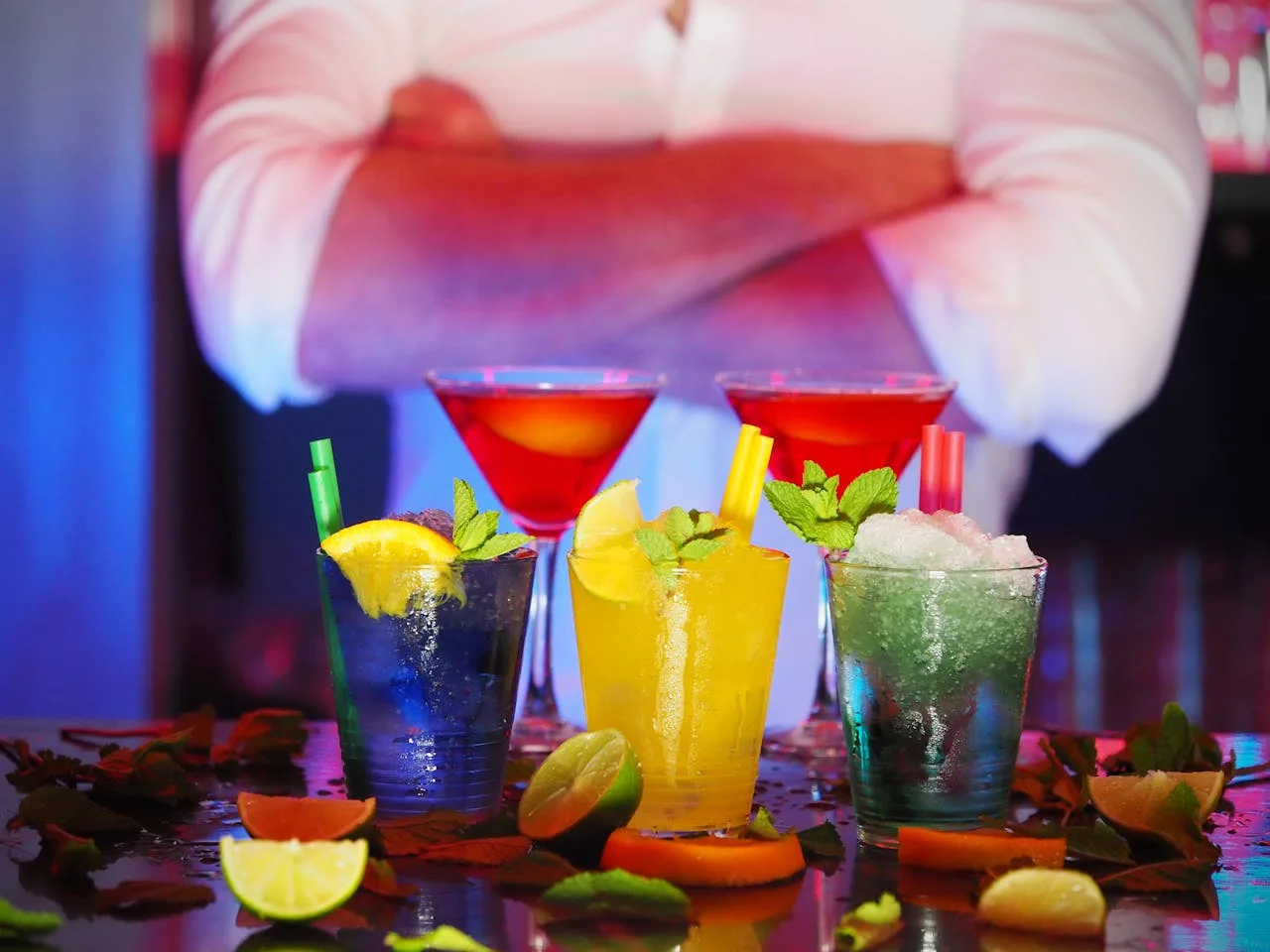
Social media has revolutionized the way alcohol brands connect with consumers. It offers a powerful platform to build brand awareness, engage with audiences, and ultimately drive sales. However, navigating the complex regulatory landscape while maintaining creative integrity is a delicate balancing act, one best handled with an alcohol marketing agency that understands both sides of it.
Understanding the Regulatory Landscape
Before diving into creative strategies, it's crucial to understand the regulatory environment. Alcohol advertising is subject to strict guidelines and restrictions that vary by country and platform. Key considerations include ensuring that the content is targeted towards legal drinking age individuals, promoting responsible drinking by encouraging moderation, avoiding any content that could appeal to minors or showcase underage drinking, and staying accurate and transparent in all product claims.
These same principles carry over from broadcast and print into every social platform. Failure to comply can result in fines, reputational damage, and in some markets, legal action — which is why crafting engaging, memorable campaigns while staying inside regulatory boundaries is best treated as a collaborative effort between marketing teams, legal counsel, and the agency running the campaign, not something bolted on after the creative is finished.
Crafting Compelling Content
While adhering to regulations, alcohol brands can still create engaging and visually appealing content. A few strategies help balance the two.
Focus on Lifestyle and Experience
Instead of solely promoting the product, highlight the lifestyle and experiences associated with the brand. Showcase beautiful settings, social gatherings, and cultural moments that resonate with the target audience.
Leverage Visual Storytelling
Utilize high-quality images and videos to evoke emotions and create a strong brand identity. Stunning visuals can capture attention and leave a lasting impression.
Share Brand Stories
Connect with the audience on a deeper level by sharing the stories behind the brand. Highlight the passion, craftsmanship, and heritage that make the products unique.
Engage with the Community
Foster a sense of community by actively engaging with followers. Respond to comments and messages, run contests and giveaways, and encourage user-generated content.
Experiment with Different Formats
Keep the content fresh and exciting by experimenting with various formats. Consider using videos, infographics, quizzes, and live streams to cater to diverse preferences.
Partner with Complementary Brands
Collaborating with other brands and influencers can amplify social media reach and impact. Collaborate with brands that share the same target audience and values. Joint campaigns and cross-promotions can help brands reach new audiences and create unique content. For a deeper look at partnering specifically with mixologists and bartenders, see 5W's guide to influencer marketing in the alcohol industry.
Targeting the Right Audience Responsibly
Alcohol advertising frequently targets specific demographics, such as young adults or social drinkers, but these targeting strategies are subject to real restrictions, particularly around advertising to minors or vulnerable populations. There's also a growing emphasis on the social responsibility of alcohol brands more broadly: consumers and stakeholders are increasingly concerned about the potential negative impacts of alcohol consumption, and brands are under pressure to create campaigns that promote responsible drinking rather than glorify excessive consumption.
A few practical safeguards help here: create a system to ensure that all advertising materials adhere to local laws, whether that's internal reviews, external audits, or compliance software; seek feedback from consumers, community groups, and other stakeholders to confirm campaigns land as intended; and educate the marketing team about advertising regulations and ethical considerations so compliance isn't just a legal team's job.
Campaigns That Balanced Creativity and Compliance
A few campaigns illustrate what this balance looks like in practice:
- Heineken's "Open Your World" campaign focused on promoting cultural diversity and inclusivity, avoiding the traditional stereotypes often associated with alcohol advertising.
- Stella Artois' "Buy a Glass, Give a Glass" campaign raised awareness about water scarcity and encouraged consumers to support clean water initiatives.
- Guinness' St. Patrick's Day campaigns often celebrate Irish culture and heritage while explicitly promoting responsible drinking.
Work with Influencers
Partner with influencers who align with the brand's image and values. Authentic endorsements and sponsored content, clearly labeled as such per disclosure guidelines, can significantly boost a brand's visibility without crossing into the gray areas regulators watch most closely.
Measuring and Optimizing
To maximize the effectiveness of social media efforts, it's essential to measure and analyze their performance. Key metrics to track include engagement (likes, comments, shares, click-through rates), reach (how many people see the brand's content), and conversions (website traffic, sales, app downloads). Use analytics tools to gain insights into audience behavior and preferences, and use that data to refine strategy and optimize content for better results.
CONCLUSION
A balance between compliance and creativity is essential to succeed on social media as an alcohol brand. Build the regulatory review into the creative process from the start rather than checking it at the end, and the strongest campaigns — Heineken's, Stella Artois', Guinness' — show that responsible messaging and genuinely memorable creative aren't in tension with each other. 5WPR works with alcohol brands to build campaigns that clear compliance and still get talked about — reach out to talk through where your brand's social strategy stands today.