The home and design industry has reached an inflection point. Copycat products flood online marketplaces, ad costs climb while returns shrink, and consumers scroll past generic brand messages without a second glance. For marketing leaders at furniture, interiors, and home goods companies, the pressure to break through has never been more intense. Yet the brands that win today aren't simply shouting louder—they're telling stories that editors, influencers, and buyers can't ignore. Strategic public relations offers a path to differentiation that paid advertising alone cannot match, turning design innovation and authentic narratives into earned media placements that build lasting authority and drive measurable business results.
Frame Your Innovation as a Story, Not a Spec Sheet
The difference between a press release that lands in the trash and one that sparks a feature in Dwell comes down to how you frame your work. Editors at top-tier design publications receive hundreds of pitches weekly, and most fail because they read like product catalogs. Your sustainable materials, modular systems, or artisan partnerships mean nothing without a narrative that connects to what readers care about.
Start by identifying the unique angle that sets your brand apart. If you've developed a new manufacturing process that reduces waste by 40%, don't lead with the technical specs—frame it around the designer who spent two years perfecting the technique in her Brooklyn studio, or the family-owned mill that's been your partner for three generations. Connective3 research shows that home interior brands gain traction by turning customer renovations into case studies complete with before-and-after videos, expert commentary, and the emotional journey of transformation.
Architectural innovations work the same way. When pitching luxury outlets, frame projects around distinctive design elements—a cantilevered staircase that required custom engineering, a passive solar system that cuts energy costs by 60%, or reclaimed materials sourced from historic buildings. Pair these narratives with elite photography that captures the craftsmanship in detail. Media kits should tell a visual story across platforms: high-resolution shots for print, vertical video for Instagram Stories, and styled room vignettes for Pinterest boards that position your work in aspirational contexts.
The most effective storytelling acknowledges challenges alongside triumphs. AMW Group's 2026 PR trends analysis confirms that authentic narratives—including the obstacles overcome during development—create stronger connections than polished perfection. When you share how your team solved a supply chain crisis or redesigned a product based on customer feedback, you humanize your brand and give journalists a richer story to tell.
Build a Visual Portfolio That Commands Attention
In home and design PR, photography isn't just important—it's the currency that determines whether your pitch gets opened or deleted. Industry experts call photos "the holy grail" of design PR, and for good reason: editors make snap judgments based on image quality, and social media algorithms favor visually striking content that stops the scroll.
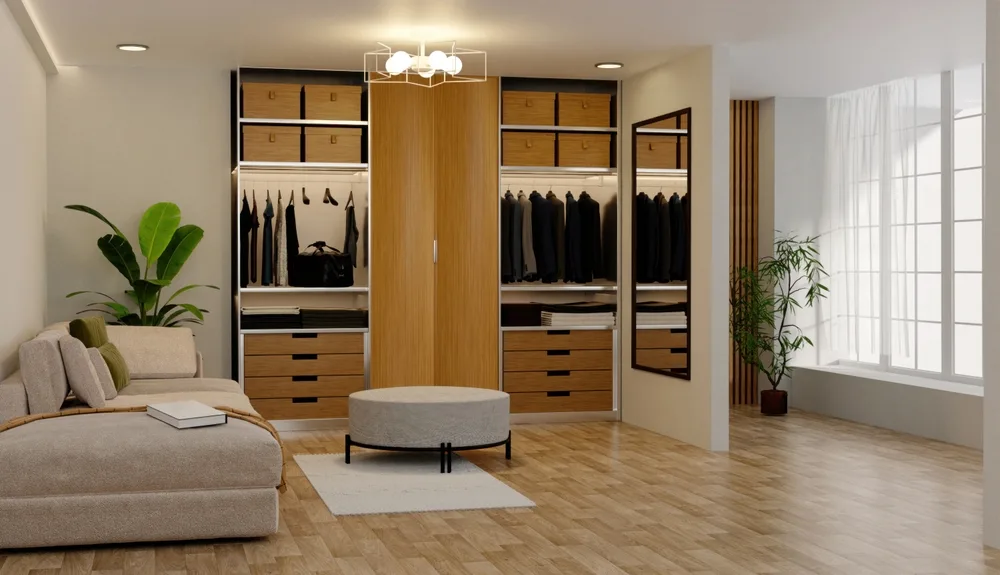
Invest in professional photography that captures your work in real-life settings, not sterile studio backdrops. Installation shots showing your furniture in styled interiors perform four times better than product-only images because they help editors and consumers visualize the piece in their own spaces. Shoot from multiple angles, include detail shots that highlight craftsmanship, and capture the play of natural light across materials at different times of day.
Your social media presence functions as a digital portfolio that editors review before considering your pitch. Follow the example of designers like Sarah Sherman Samuel, whose aesthetic consistency across Instagram creates a cohesive brand identity that attracts both editorial attention and client inquiries. Every post should reflect your point of view—whether that's maximalist color palettes, minimalist Scandinavian influences, or industrial-meets-organic materials. Curate intentionally, posting only images that meet your quality standards and advance your brand narrative.
Press releases need equally strong visual components. Include bespoke shots with detailed captions that provide context: dimensions, materials, price points, and the story behind each piece. Add third-party voices—quotes from architects who specified your products, interior designers who incorporated them into award-winning projects, or satisfied customers whose spaces were transformed. This balanced approach positions your release as helpful editorial content rather than a sales pitch.
Create mood boards that visualize upcoming collections or design concepts. These serve multiple purposes: they give editors a preview of what's coming, provide social media content that generates early buzz, and offer influencers a framework for creating their own content around your products. The more you can help journalists and creators see the story, the more likely they'll tell it.
Match Your Pitch to Publication Priorities
Generic blast emails to every design editor in your database waste time and damage your reputation. Successful PR requires researching each target outlet, understanding what they cover, and tailoring your pitch to their specific audience and editorial calendar.
Read your target publications religiously. If you're pitching Dwell, study which projects they've featured in the past six months—you'll notice patterns in the types of architecture, price points, and geographic regions they favor. House Beautiful skews toward accessible luxury and DIY-friendly ideas, while Architectural Digest focuses on high-end residential work and celebrity homes. Trade publications like Business of Home prioritize industry trends, business strategies, and professional development for designers.
Timing matters enormously. Plan your outreach 4-6 weeks ahead of when you want coverage to appear, accounting for editorial lead times. Monthly print magazines work three to four months in advance, while digital outlets can turn stories around in days. Track seasonal angles: pitch outdoor furniture in January for spring issues, holiday entertaining products in August, and cozy textiles in May for fall features.
Personalize every email. Reference a recent article the editor wrote, explain why your story fits their beat, and make it clear you understand their audience. Personalized pitches with strong visuals achieve 30% response rates, while generic blasts get ignored or marked as spam. Keep your initial email concise—three paragraphs maximum—with a compelling subject line and your best image embedded (not attached).
React quickly to trending topics. When a design aesthetic goes viral on TikTok or a celebrity's home tour sparks conversation, brands that respond within 24-48 hours with relevant expert commentary secure reactive coverage. Monitor social platforms and Google Trends for emerging topics in your niche, then craft pitches that position your products or expertise as the solution or next evolution of the trend.
Rethink Influencer Partnerships for Depth Over Reach
The influencer marketing playbook is shifting away from one-off sponsored posts with mega-influencers toward sustained relationships with creators who genuinely align with your brand values. 2026 communications trends point to fewer, more intentional creator partnerships that build authentic connections over time.
Micro-influencers in the home and design space—those with 10,000 to 100,000 followers—often deliver better results than celebrities with millions. Their audiences are highly engaged, their recommendations carry weight, and their rates fit mid-sized brand budgets. Data shows micro-influencers yield 20% conversion rates because followers view them as trusted friends rather than distant celebrities.
Vet potential partners carefully. Review their content for aesthetic alignment, read their captions to understand their voice, and check engagement rates (likes and comments relative to follower count). A creator with 50,000 followers and 2,000 likes per post is more valuable than one with 200,000 followers and the same engagement. Look for creators who already feature products similar to yours, indicating their audience is interested in your category.
Structure partnerships as long-term ambassadorships rather than transactional posts. Give creators freedom to integrate your products into their content naturally—a dining table featured in a holiday entertaining post, a sofa shown in a room makeover series, or lighting fixtures highlighted in a home tour. When influencers have creative control and genuine enthusiasm for your brand, their content feels authentic and performs better with both their audience and algorithms.
Combine influencer content with your owned channels and earned media for amplified reach. When a creator posts about your product, share it to your Instagram Stories with commentary. If their content performs well, include it in press materials as social proof. This multichannel approach extends the lifespan and impact of each partnership.
Create Experiences That Generate Organic Buzz
Experiential marketing is gaining ground as brands recognize that emotional connections formed through in-person experiences outlast digital impressions. For home and design companies, showroom events, pop-up installations, and designer collaborations create opportunities for press coverage, influencer content, and customer engagement simultaneously.
Host intimate showroom events that give editors, designers, and influencers exclusive first looks at new collections. Provide context through designer talks, material demonstrations, or styling workshops that add value beyond product viewing. These events build relationships that pay dividends when you pitch stories months later—editors remember brands that treat them as partners rather than targets.
Pop-up installations in high-traffic retail districts or design weeks generate organic social media buzz. Create Instagram-worthy moments: a living room vignette in an unexpected location, an interactive display that invites participation, or a collaboration with a local artist that ties your products to the community. Promote the pop-up through local media, neighborhood blogs, and influencer previews to drive foot traffic and coverage.
Partner with complementary brands for co-marketing opportunities that expand your reach. A furniture maker might collaborate with a textile company and a lighting designer to create a fully styled room that showcases all three brands. These partnerships provide multiple outreach angles—each brand pitches to their media contacts, creating more coverage opportunities than any single company could achieve alone.
Track Metrics That Matter to the C-Suite
PR's reputation for being difficult to measure is outdated. AI-powered media intelligence tools now track coverage across print, digital, broadcast, and social platforms, connecting earned media to website traffic, lead generation, and sales attribution. Build a dashboard that monitors the metrics your CEO cares about.
Start with media placements: track the number of clips, their reach (publication circulation or unique visitors), and their quality (tier-one outlets versus niche blogs). Assign an advertising value equivalency (AVE) to estimate what you would have paid for the same space as an ad, though recognize AVE's limitations as a proxy for true impact.
Connect coverage to business outcomes through Google Analytics. Set up UTM parameters for links in digital articles, monitor referral traffic from publications that feature you, and track conversions from those visitors. When you can show that a House Beautiful feature drove 500 website visits and 50 qualified leads, you transform PR from a soft marketing tactic into a revenue driver.
Monitor social media metrics around your campaigns: follower growth during launch periods, engagement rates on posts featuring press coverage, and branded hashtag usage. Track how influencer partnerships affect these numbers—a successful collaboration should increase your followers, boost engagement on your owned content, and generate user-generated content as customers share their own photos.
Set weekly baselines so you can measure visibility jumps after major placements. If your typical week generates 10,000 website visits and 200 social media mentions, a feature in Architectural Digest might spike those numbers to 50,000 visits and 2,000 mentions. Document these surges to demonstrate PR's impact during budget discussions.
Test and refine your approach based on data. If pitches with video assets get twice the response rate of those with only photos, invest more in video production. If features in trade publications drive more qualified leads than consumer magazines, adjust your target list accordingly. Successful brands pivot based on feedback rather than repeating tactics that underperform.
Scale Your Efforts Without Losing Authenticity
As your PR program gains traction, the temptation to scale quickly can undermine the authenticity that drove initial success. Growth requires strategic planning that maintains quality while expanding reach.
Start local before going national. Regional publications and local design blogs are more accessible for emerging brands and provide proof points you can reference when pitching larger outlets. A feature in a city magazine demonstrates media interest and gives you a published clip to include in future press kits. Build from local to regional to national coverage as your story and credentials grow.
Invest in relationships, not just transactions. The editor who covers your showroom opening might write about your next collection launch if you've stayed in touch, shared relevant industry insights, and made their job easier with quality materials. PR is a long game where consistent effort compounds over time.
Allocate budget strategically across tactics. A balanced approach might dedicate 40% to content creation (photography, video, press materials), 30% to media relations and events, 20% to influencer partnerships, and 10% to measurement tools. Adjust these ratios based on what drives results for your specific brand and market position.
Consider agency support when internal resources max out. Specialized home and design PR firms bring established media relationships, category expertise, and bandwidth to execute complex campaigns. Agencies like Unhooked have driven coverage for home brands by conducting consumer research that provides newsworthy data for pitches—a tactic you can replicate with customer surveys or market studies that generate original insights journalists can't find elsewhere.
The home and design brands that thrive in 2026 and beyond will be those that master the art of strategic storytelling through earned media. Your products may be beautifully crafted, but without compelling narratives, striking visuals, and targeted outreach, they'll remain invisible in a crowded market. Start by auditing your current assets—do you have photography that meets editorial standards? Can you articulate what makes your brand different in a single sentence? Have you researched the publications and influencers your ideal customers follow?
Build your PR strategy incrementally. Choose one tactic from this framework—perhaps improving your visual portfolio or developing a signature story angle—and execute it well before adding the next. Track your results weekly, celebrate small wins like your first trade publication mention, and use each placement as a stepping stone to larger opportunities. The marketing director who secures a feature in House Beautiful doesn't do it with a single perfect pitch; she does it by consistently showing up with stories worth telling, building relationships that matter, and proving through data that PR drives real business growth.