Professionals striving for relevance in the world of public relations constantly need to stay up to date with all industry trends as well as current events - it’s practically in the job description.
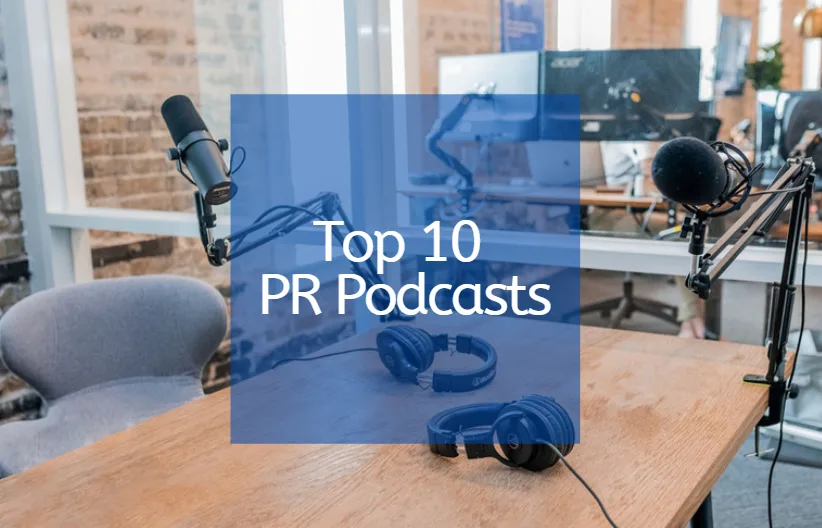
The news cycle is now moving faster than ever before, mostly thanks to various digital platforms. Aside from regular news stories, a great way for public relations professionals to keep up with the happenings around them is to listen to podcasts that are relevant to the job. With podcasts, there’s the benefit of hearing other industry professionals sum up events and tactics in podcasts - and here are some of the best of them.
#FuturePRoof
A podcast by Sara Hall and Stephen Waddington that brings together over 30 thinkers and doers while doing an inspiring study on the future of the world of public relations. It covers the business of public relations, social media, and marketing, while talking about what’s to come.
Talking Points
This is a podcast hosted by Kevin Hunt and Arik Hanson, and is perfect for anyone that doesn’t have a lot of time on their hands to go through all of the hottest issues in the PR industry. It’s a monthly podcast for anyone that’s trying to stay in the loop.
On the Media
A weekly podcast that is hosted by Brooke Gladstone and Bob Garfield. The hosts talk about current issues each week and it’s a great way to hear professionals analyzing difficult topics. This podcast has been awarded a Peabody Award for its brave conversations.
For Immediate Release
Keeping up with the news cycle can be exhausting for anyone - even if they’re not a PR professional. That’s why this podcast, hosted by Shel Holtz, sums up the latest news and PR updates.
Inside PR
Hosted by Gini Dietrich, Joseph Thornley, and Martin Waxman, this is a weekly podcast that reviews provocative and controversial issues by interviewing guests, as well as featuring comments from their listeners.
PR Week Review
This is an excellent podcast for any public relations professional that wants to listen to all of the industry news as well as the latest headlines. It’s a weekly podcast that features interviews, opinions, and stories that help professionals keep up with the industry action.
Word of Mouth
A podcast that emphasizes the importance of words and language, perfect for any PR professional that understands the importance of choosing the right words for telling a story. It’s by the BBC and it explores the world of words as well as the way we use them, perfect for inspiration.
Young PR Pros
For anyone that’s recently landed a job in PR, this podcast explores the world of public relations. It provides the audience with advice, tips and information on building a career in PR.
Echo Chamber
This podcast is hosted by Arun Sudhaman and delves into insight from all ends of the global public relations industry. It features weekly analysis and interviews, as well as in-depth conversations.
The Daily
Finally, a podcast from the New York Times, which is short and sweet, released during the workweek, talking about the biggest headlines each week. It only takes 20 minutes out of the day and it’s a perfect way to keep up with a crazy news cycle.
Using a Podcast as Part of a PR Campaign
One of the main goals of public relations is branding, and a great opportunity for brands to connect with audiences and get potential customers’ trust is through podcasts. Another goal of PR is to strengthen relationships with the existing customers and create brand advocacy with that dedicated audience.
While many people think that TV is the best platform for reaching both of those PR goals, with the evolution of media, podcasting has quickly taken over TV’s spot as the medium of choice for brands looking to tell their stories.
That’s because podcasts allow many opportunities to connect with the target audience, and that audience is constantly growing these days.
Usually, podcast interviews tend to last anywhere between 15 and 60 minutes, which offers the brand more than enough time to tell a long and captivating story. Meanwhile, the interview segments on TV are generally about 3 minutes long, giving businesses enough time to leave the audience with a fact, a quick tip, or to demonstrate thought leadership in only a few sentences.
This is precisely the great advantage of podcasts because businesses that guest on them have a lot more time to share information about the company with the audience and make a far stronger connection, generating a higher-quality relationship with the audience.
Furthermore, the reach of even a single podcast can be much bigger than the reach of TV audiences, as 57 million Americans prefer listening to podcasts every month, and that number continues to grow.
A single, fairly popular podcast can reach millions of listeners every single month. With episodes released every week, or even every day, there is the potential to reach hundreds of thousands of people. TV, especially local stations, that range between 1,000 and 15,000 viewers, there is far less potential to reach that number of people.
The guests on podcasts tend to share a lot more valuable information about their business or their industry in general, which is another benefit to podcasts for public relations. Not only can a business reach a lot of people by being interviewed on a podcast, but they can share plenty of details about the business with the listeners too.
Podcasts are also a great way for PR professionals to gain a lot more exposure and learn from other professionals in the industry. Due to the popularity of podcasts, countless ones focus on the public relations industry, with guests talking about anything from how they started working in public relations, interesting facts, and even valuable insights that other PR professionals can use and take advantage of.
Finally, podcasts are also a great way to stay on top of all the latest trends and updates, whether within the PR industry or any other, as it’s become a great new frontier in digital media and communications.
Driving Earned Media with Podcasts
A podcast, especially one that’s well-executed, is an excellent tool for businesses looking to get press coverage and grow the brand’s public profile. We’re living in a time when everyone already knows the value of a good podcast and its ability to cultivate a target audience of potential customers. This media type is increasingly popular and is beginning to get a much bigger share in content consumption with audiences.
According to a recent survey from The New York Times, nearly 20% of people over 55 have taken up podcasts, and about 40% of people between the ages 12 and 24 are listening to podcasts. Unfortunately, many organizations are still overlooking the power that a podcast can have when looking for ways to drive earned media.
High Production Value
The first thing that a successful podcast needs to have is a very narrowly focused niche. The audience should immediately know what the show is about and what the people listening can get out of that podcast.
Another essential is strong guest speakers, which is relatively easy to achieve, even when looking for high-profile guests. There are plenty of well-known people in every niche by now, and reaching out to them these days is easy.
The podcast should be edited by a professional, who will make sure the sound quality is high, and the flow of the entire show is seamless. Finally, professionally-designed graphics to share the episode promo or the cover photo is another must for a good podcast.
Newsworthy Topics
When attempting to drive earned media with a podcast, this is the most important aspect. One of the main reasons a business is creating a podcast with very high production values and notable guests is to make news stories. This will, in turn, create a domino effect once the stories get picked up with the media outlets.
After every interview, it’s important to go through the episode and identify potential thought-provoking or even controversial insights and quotes that can then be created into press pitches.
The best way to get newsworthy information on a podcast is to shape all of the questions around events or topics that fall in the middle of current newsworthy stories and relate those stories to the guest’s expertise.
Multiple Format Distribution
To get the most coverage from each episode, the podcast should be distributed in different formats and on different platforms. One option would be to create video recordings of each episode, which has recently become a gold standard because it provides many opportunities to promote the show on different platforms.
Between the entire show being promoted on YouTube and interesting clips on other social media platforms like Instagram or Twitter, it’s the best way to promote a podcast on every available platform.
Another way to add value to a podcast is to publish a transcription - either the entire episode or a short segment, with a link to the entire show on the podcast’s or company’s website to get more people interested in it.
Best Tools for Measuring Podcast Success
Over the last few years, the number of people who have consumed content through podcasts has increased steadily . These listeners are also known to be loyal, as research has shown that up to 80% of them listen to most of every podcast episode they download, and listen to on average about seven shows each week. That means companies should be utilizing this medium as an effective way to target audiences and improve their marketing efforts
Unfortunately, most podcasting platforms still don’t have all of the necessary analytics and measurements features that companies need to learn how well their content is performing. However there are plenty of other powerful tools available online that can help track the performance of a podcast.
Transistor
This podcast analytics tool offers its users advanced analytics that will help companies track and monitor their progress. With Transistor, companies can also share insights with their marketing teams and use those numbers to attract even more advertisers. Some of the features that Transistor offers include checking the average number of downloads per podcast episode, analyzing listener trends, listing podcast episodes by popularity, and even accessing popular podcast directories.
The tool also helps users host an unlimited number of podcast shows along with live customer support and a customizable website for podcasts. Additionally, the podcast can also be embedded into the company’s website with Transistor’s user-friendly platform.
Blubrry
Another great podcast tool is Blubrry, which gives users advanced media statistics on podcasts, which can help podcasters gain a better understanding of their audience. With this tool, companies can discover more details about their listeners, when they’re listening to the podcast episode, which device and platform they’re using to listen, and a lot more.
The tool is also optimized for WordPress and gives users advanced podcast analytics along with unlimited bandwidth. It’s really easy to use and has great customer support, and Blubrry also provides free media migration.
Podbean
This powerful analytic tool gives its users a very in-depth analysis of many podcast trends as well as an audience analysis. It also allows users to evaluate the gathered data and download it to analyze it further. With Podbean, users can see where the podcast audience comes from, which helps in better targeting the audience and attracting more advertisers. Targeting the audience also helps in building a community of podcast listeners all over the world, and helps companies make more innovative business decisions overall.
Castos
This is a great podcasting platform for beginners who aren’t too familiar with all the different advantages that come with podcasting. Castos provides users with analytics as well as allows them to record long episodes, launch new shows, and test different podcast styles. The platform also allows users to integrate the podcast with the company’s WordPress website and provides automated transcripts, and can republish audio automatically to YouTube
It’s really simple to use, making it another reason why it’s a great beginner option. It gives users a personalized website specifically for the podcast, and there’s unlimited bandwidth.
Are you looking to be featured on industry leading podcast's? Contact 5W today to learn how we can help get you on the top podcast's!
The Strategic Power of Branded Podcasts in Modern PR
Audio storytelling has taken center stage in public relations, with branded podcasts becoming a cornerstone of strategic communications. PR professionals now recognize podcasting's unique ability to build authentic connections with audiences while delivering measurable business results. A BBC study found that branded podcasts drive 89% higher awareness, 57% higher brand consideration, and 24% higher brand recall compared to traditional advertising. This shift represents more than just a trend—it's a fundamental change in how organizations communicate their stories and values.Building Trust Through Audio Narratives
The intimate nature of podcast listening creates unique opportunities for brands to develop deeper relationships with their audiences. Unlike traditional media channels, podcasts allow for nuanced storytelling that resonates on both emotional and intellectual levels. Listeners often consume podcast content during personal moments—while commuting, exercising, or relaxing at home—creating an environment conducive to meaningful engagement. Research by Edison Research shows that podcast listeners are among the most loyal and engaged audiences, with 80% listening to all or most of each episode. This high engagement rate makes podcasts particularly valuable for PR professionals looking to communicate complex messages or establish thought leadership.Creating a Successful Branded Podcast Strategy
The foundation of an effective branded podcast lies in clear objectives and thoughtful planning. Start by defining specific goals—whether building brand awareness, establishing industry authority, or driving lead generation. These goals should align with broader PR and marketing strategies while maintaining authenticity in storytelling. Consider McDonald's "The Sauce" podcast, which turned a PR crisis into an engagement opportunity by telling the behind-the-scenes story of their Szechuan sauce shortage. This approach demonstrated how brands can use podcasts to address challenges while maintaining transparency and building consumer trust.Content Development and Format Selection
Successful branded podcasts typically follow one of several proven formats:- Interview Series: Features conversations with industry experts, thought leaders, or interesting personalities
- Narrative Storytelling: Focuses on compelling stories related to your brand or industry
- Educational Content: Provides valuable insights and practical knowledge to listeners
- Behind-the-Scenes: Offers exclusive looks into your organization's culture and operations
Technical Production and Quality Standards
Professional audio quality remains non-negotiable for branded podcasts. Poor sound quality can damage brand perception and listener retention. Invest in:- Professional recording equipment
- Skilled audio editing
- Consistent intro and outro music
- Clear episode structure
- Professional hosting platforms
Measurement and ROI Analysis
Track these key metrics to evaluate podcast performance:- Download numbers and listener retention rates
- Engagement metrics (comments, social shares)
- Brand mention tracking
- Lead generation data
- Website traffic from podcast referrals
Distribution and Promotion Strategies
A strategic distribution plan ensures your podcast reaches intended audiences:- Submit to major podcast directories (Apple Podcasts, Spotify, Google Podcasts)
- Promote through owned media channels
- Create supplementary content (blog posts, social media content)
- Engage with listener feedback and comments
- Cross-promote with complementary podcasts
Integration with Broader PR Initiatives
Podcasts work best when integrated into comprehensive PR strategies. Use podcast content to:- Support press releases and media outreach
- Provide additional context for news announcements
- Create shareable content for social media
- Build relationships with industry influencers
- Generate speaking opportunities