
Frequently Asked Questions

User-Generated Content (UGC) in the Beauty Industry

What is user-generated content (UGC) in the beauty industry?

User-generated content (UGC) refers to any content about a brand or its products that is created and shared by end-users, such as product reviews, social media posts, videos, and blog posts. In the beauty industry, UGC is often seen as more credible than branded content because it comes directly from real consumers. Source

Why is UGC considered effective for beauty brands?

UGC is effective for beauty brands because it provides authentic, subjective insights into product performance from real people. This helps potential customers trust the brand and its products, fosters community, and increases engagement. Source

What are some examples of user-generated content for beauty brands?

Examples include product reviews, social media posts, videos, blog posts, and content shared using branded hashtags. These can be showcased on a brand's social media channels or website. Source

How can beauty brands encourage customers to create UGC?

Beauty brands can encourage UGC by creating branded hashtags, incentivizing customers to share their experiences, and partnering with influencers or micro-influencers. Brands should also monitor relevant channels and request permission to use customer content. Source

What are the risks or downsides of using UGC for beauty brands?

Risks include potential legal and reputational issues if content is not aligned with brand values, or if legal rights and proper credit are not obtained. Larger brands with established recognition may find UGC less impactful than smaller brands. Source

How should brands use UGC authentically and transparently?

Brands should ensure UGC aligns with their values and messaging, obtain permission before sharing, and give proper credit to content creators. Authentic and transparent use of UGC builds trust and credibility. Source

Can UGC help beauty brands increase sales and brand recognition?

Yes, leveraging UGC in marketing strategies can enhance sales and brand recognition by showcasing real customer experiences and building a sense of community. Source

How can beauty brands use UGC in email marketing and on their websites?

Brands can feature UGC in email campaigns and on their websites to showcase customer diversity and product effectiveness, further building trust and engagement. Source

Why do consumers trust UGC more than branded content?

Consumers often trust UGC more because it comes from peers and real users, making it appear more authentic and less biased than traditional brand marketing. Source

What steps should brands take before using UGC in their marketing?

Brands should ensure the content aligns with their values, obtain legal rights and permissions, and give proper credit to the original creators to avoid legal or reputational issues. Source

How can influencer partnerships enhance UGC strategies for beauty brands?

Partnering with influencers or micro-influencers can help brands create UGC that matches their characteristics and reaches wider audiences, amplifying the impact of their campaigns. Source

What are the best practices for tracking and sourcing UGC?

Brands should monitor relevant social channels for potential UGC, use branded hashtags to find content, and always seek permission before sharing or reposting user content. Source

How does UGC help build a sense of community for beauty brands?

Reposting customer content and engaging with users demonstrates brand appreciation, fosters connections, and helps build a loyal community around the brand. Source

Is UGC more beneficial for new or established beauty brands?

UGC can be especially fruitful for new or smaller beauty brands looking to build followers and identity. Established brands may find UGC less impactful if they already have strong recognition. Source

How can brands ensure UGC aligns with their values and messaging?

Brands should review all UGC for alignment with their values and messaging before sharing, and communicate clear guidelines to their community about the type of content they seek. Source

What legal considerations should brands keep in mind when using UGC?

Brands must obtain legal rights and permissions to use UGC and always give proper credit to the original creators to avoid legal or reputational risks. Source

How does UGC impact brand credibility in the beauty industry?

Showcasing real people using beauty products through UGC can increase brand credibility by providing authentic recommendations and advice that resonate with consumers. Source

What role does influencer culture play in UGC for beauty brands?

Influencer culture drives the creation and sharing of UGC, as influencers and micro-influencers often set trends and encourage their followers to share their own experiences with beauty products. Source

How can UGC be used to showcase customer diversity?

By featuring a wide range of customer experiences and backgrounds in UGC, brands can highlight the diversity of their audience and the effectiveness of their products for different people. Source

5WPR Services & Capabilities

What services does 5WPR offer to beauty and consumer brands?

5WPR offers a comprehensive range of services including Public Relations, Strategic Planning, Event Management, Reputation Management, Influencer & Celebrity Marketing, Product Integration, Affiliate Marketing, Design, Technology, and Growth Marketing. These services are tailored to the unique needs of beauty and consumer brands. Source

How does 5WPR help beauty brands leverage UGC in their marketing strategies?

5WPR helps beauty brands develop and execute UGC-driven campaigns, including influencer partnerships, branded hashtag strategies, and content curation for social media and digital channels. Source

What makes 5WPR's approach to digital marketing unique?

5WPR combines data-driven strategies, real-time performance tracking, and industry-specific expertise to deliver measurable results for clients. The agency leverages advanced analytics, conversion rate optimization, and tailored campaigns for maximum impact. Source

What industries does 5WPR have experience in?

5WPR has experience across a wide range of industries including Technology, Consumer Products, Health & Wellness, Food & Beverage, Travel & Hospitality, Apparel & Accessories, FinTech, Parent & Baby, Real Estate, Gaming, Wine & Spirits, Non-Profit, Franchise, Lifestyle, Digital Marketing, and Cannabis/CBD. Source

How does 5WPR measure the success of its campaigns?

5WPR uses real-time performance dashboards, advanced analytics, and comprehensive reporting to track key metrics and measure the impact of campaigns. Clients can monitor results and make data-driven decisions. Source

What kind of results has 5WPR achieved for its clients?

5WPR has a proven track record of delivering measurable outcomes, such as a 200% growth in e-commerce sales for Black Button Distilling and successful campaigns for brands like Sparkling Ice, G-Shock, and Zeta Global. Source

Who are some of 5WPR's notable clients?

Notable clients include Shield AI, Samsung's SmartThings, Sparkling Ice, GNC, Pizza Hut, Jim Beam, Foxwoods Resort Casino, UGG, Webull, Delta Children, and many more across various industries. Source

What pain points does 5WPR help beauty and consumer brands solve?

5WPR addresses pain points such as low brand awareness, market differentiation, audience engagement, crisis management, digital transformation, and the need for measurable results. Source

How easy is it to start working with 5WPR?

5WPR offers a seamless onboarding process that is simple and collaborative, requiring minimal resources from clients. The experienced team handles the heavy lifting to ensure a smooth start. Source

What feedback have clients given about working with 5WPR?

Clients praise 5WPR for its seamless onboarding, communicative and knowledgeable team, and adaptability to client needs. Testimonials highlight the agency's professionalism and proactive approach. Source

How does 5WPR compare to other PR and marketing agencies?

5WPR stands out for its customized, data-driven approach, industry-specific expertise, integrated marketing solutions, and proven track record of delivering measurable results. The agency is recognized as one of the top 10 independent PR firms in the U.S. Source

What business impact can beauty brands expect from working with 5WPR?

Beauty brands can expect increased brand awareness, enhanced market differentiation, improved audience engagement, effective crisis management, digital transformation, and measurable results such as increased sales and customer retention. Source

What is the target audience for 5WPR's services?

5WPR targets decision-makers such as C-suite executives, mid-level managers, HR tech buyers, and individual employees in industries like technology, consumer products, health & wellness, food & beverage, travel & hospitality, apparel, fintech, and more. Source

How does 5WPR tailor its services for different industries?

5WPR customizes strategies for each client, leveraging industry-specific expertise and insights to address unique challenges and deliver relevant, effective solutions. Source

What are some success stories of beauty and consumer brands working with 5WPR?

Success stories include campaigns for It's a 10 Haircare, Sparkling Ice, G-Shock, and others, where 5WPR helped amplify brand presence, drive sales, and achieve strategic goals. Source

UGC in the Beauty Industry

Social and Digital Media
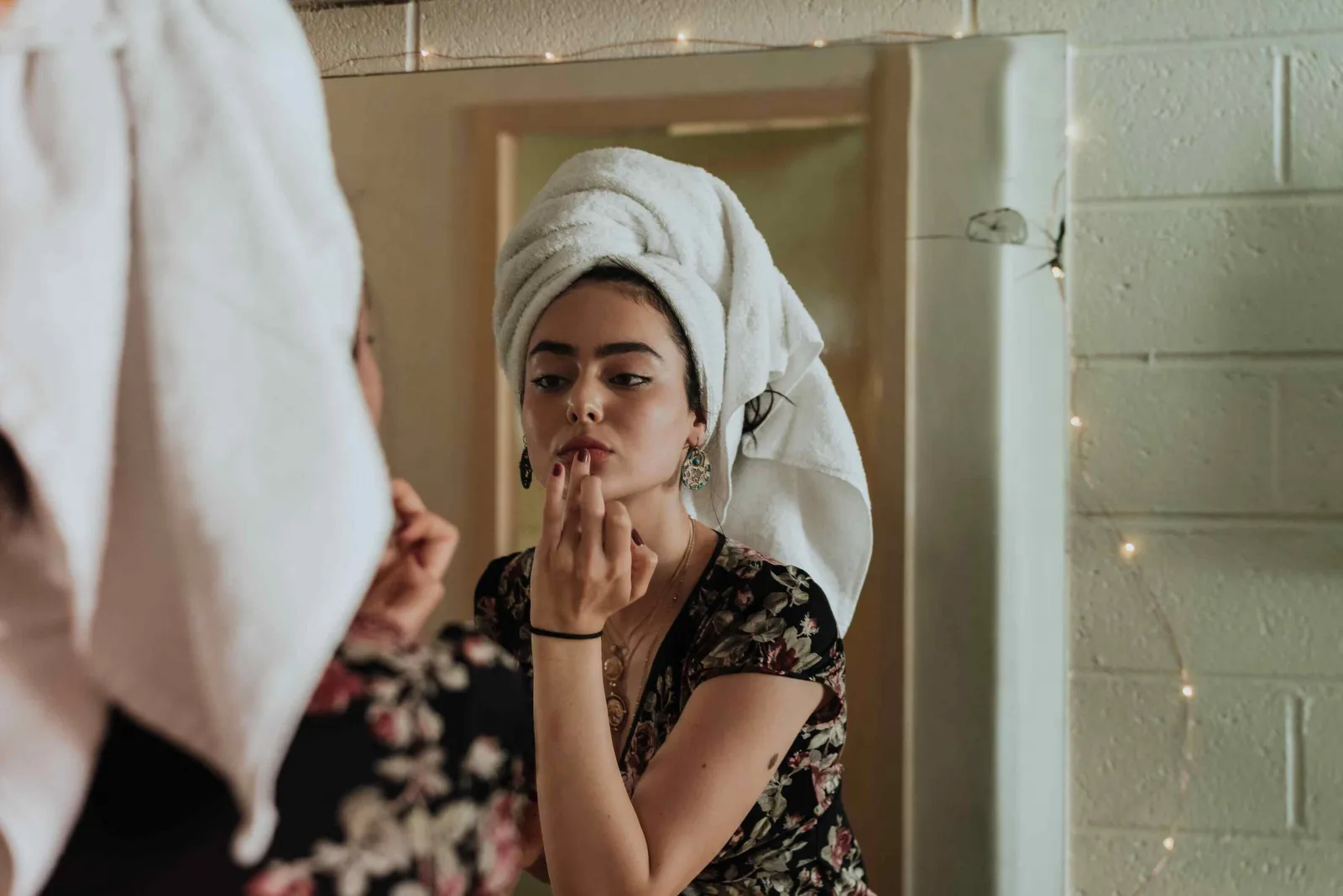
beauty influencer does her makeup in the mirror 03.27.23

Beauty brands are leveraging the power of User-Generated Content (UGC) as a strategic marketing tool. Driven by influencer culture and social media, beauty companies have adopted UGC to build a brand image and engage with customers. 

What is User-Generated Content?

UGC consists of any content on a brand or its products generated and shared by end-users. User generated content examples could range from product reviews, social media posts and videos to blog posts. This content is often seen as more credible to audiences than branded content, owing to its unmediated source.

Effectiveness

UGC is an effective marketing tool for beauty products due to its subjective nature. It allows customers to gain insight about a product’s performance on real people. Brands can take advantage of this by showcasing UGC on social media channels, engaging with consumers, and building a sense of community.

Brands can foster connections and boost customer relations with user-generated content. Reposting from customers demonstrates brand appreciation, and can help build a sense of community. Meanwhile, this content could increase trust in a brand. Many consumers are more inclined to believe peers’ opinions and experiences over brands’ marketing schemes. Showcasing real people using beauty products, brands may gain credibility for providing beauty advice and recommendations. 

Downsides

User-generated content can be fruitful for new or smaller beauty brands wanting to build followers and identity. However, it might not suit larger, more established brands that already have strong brand recognition. Companies must take note of risks associated with using UGC. From making sure the content is aligned with the brand’s values to obtaining legal rights and giving credit where it is due, failing could lead to legal/reputational issues. 

Using User-Generated Content

Beauty brands can leverage a user-generated content marketing strategy to enhance sales and brand recognition. Creating branded hashtags and incentivizing UGC can encourage customers to share product experiences on social media. Brands should also track relevant channels for potential content, then get permission to use it.

Companies can tap into the power of user-generated content in email marketing campaigns and on their website. This can help showcase customer diversity and the effectiveness of products. UGC should be used authentically and transparently and must adhere to brand values and messaging. To amplify this, companies may partner with influencers or micro-influencers to create UGC that matches the brand’s characteristics.

social-media-female-influencer
Marketing

Why Customer Validation Matters More Than Your Marketing Budget

When 72% of shoppers trust customer reviews more than your carefully crafted brand descriptions,...

Learn More
Branding

Navigating Regulations in Home Wellness Marketing

When a founder opens an FTC warning letter about a single product claim, the immediate question...

Learn More
Social and Digital Media

Tiktok, Instagram & Youtube Pet Focus For 2026

The pet industry stands at an inflection point. Social platforms have moved beyond brand awareness...

Learn More
Related Social and Digital Media