What is the most effective PR strategy for wellness retreats and spas?
The most effective PR strategy for wellness retreats and spas is to position transformation over transaction in every story. Instead of focusing on amenities or itineraries, successful campaigns highlight the emotional journey and transformation guests experience, such as overcoming burnout or rediscovering clarity. This approach is proven to outperform feature-heavy content across all channels. (Source)
How can wellness brands make their stories more compelling to journalists?
Wellness brands can make their stories more compelling by building a narrative around specific pain points, unique settings, sensory experiences, and proof of transformation. Journalists are drawn to stories that promise emotional restoration and offer before-and-after testimonials, rather than generic lists of services. (Source)
What are the key elements of a successful wellness retreat PR story?
The key elements include: (1) a specific pain point, (2) a unique setting, (3) detailed sensory experiences, and (4) proof of transformation through testimonials. These elements help create a narrative that resonates with both media and potential guests. (Source)
How can wellness retreats differentiate themselves in a crowded market?
Retreats can differentiate themselves by identifying and promoting unique programs, local partnerships, and expert credentials that competitors cannot claim. Authentic visual assets and proprietary experiences, such as ceremonies with local elders or innovative wellness protocols, help retreats stand out and attract media coverage. (Source)
What role do visuals play in wellness travel PR campaigns?
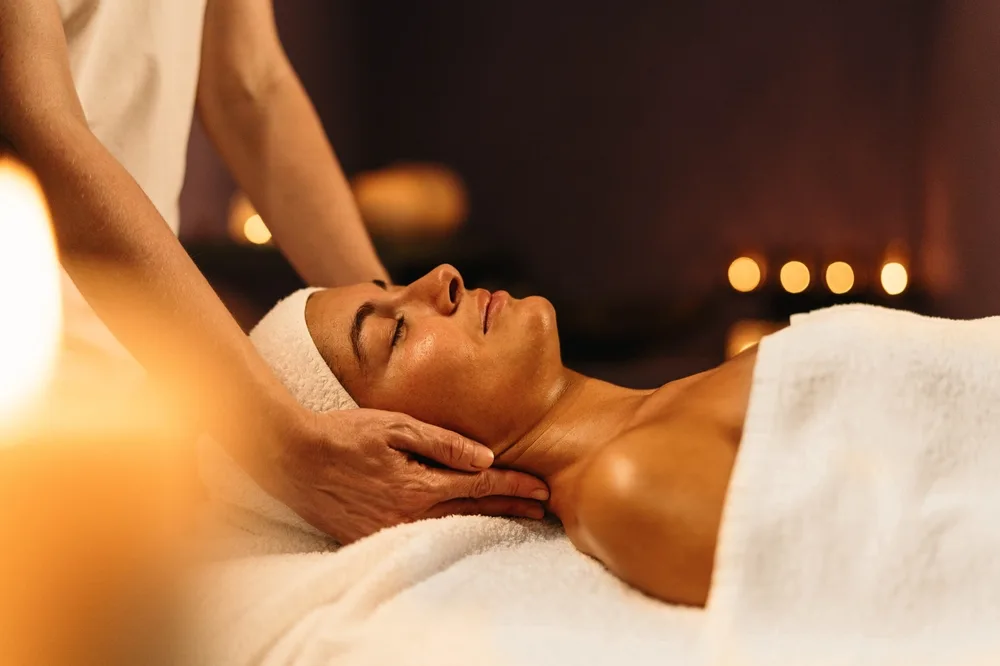
Visuals are critical in wellness travel PR. Authentic, high-quality images that capture natural settings and real guest experiences are more effective than over-filtered or generic spa shots. Professional photography during golden hour and images of guests in motion help increase media interest and social engagement. (Source)
How should wellness retreats structure influencer partnerships?
Influencer partnerships should be structured with clear deliverables, usage rights, and performance benchmarks. Matching micro-influencers to the retreat's unique angle and aligning incentives (such as booking commissions) can generate significant revenue and reach. For example, one resort generated $180K in revenue from a single influencer's audience by offering a 30% booking commission. (Source)
What is the recommended campaign structure for wellness retreat bookings?
The recommended structure is a three-phase campaign: (1) Awareness (social teasers, PR pitches, interest forms), (2) Nurture (email sequences, early bird offers), and (3) Conversion (optimized landing pages, retargeting ads, testimonial campaigns). Campaigns should start 90 days before the booking window opens. (Source)
How can wellness retreats measure the ROI of their PR campaigns?
Retreats can measure ROI by tracking media mentions, booking spikes, and inquiries generated from specific coverage using tools like Google Alerts, Mention.com, and UTM parameters. A feature in a top-tier outlet should generate 15-30 qualified inquiries within 72 hours. (Source)
What are the most effective content angles for wellness travel PR pitches?
Effective content angles include science-backed protocols for hormone health, performance optimization for executives, and curated independence for solo female travelers. Mapping these angles to specific audience segments and media outlets increases pitch acceptance rates. (Source)
How should wellness retreats personalize their PR pitches to media?
Pitches should reference recent coverage by the journalist, include relevant high-intent search trends, and offer expert sources or unique program visuals. Personalization can double response rates and increase the likelihood of media coverage. (Source)
What are the emerging trends in wellness travel PR for 2026?
Emerging trends include personalized wellness tools (like neurorelaxation capsules), adaptive protocols based on biometric data, and measurable outcomes such as HRV improvements and cortisol reduction. Retreats that integrate these trends and offer proof of results will dominate media coverage. (Source)
How can retreats use dynamic pricing to maximize revenue from PR campaigns?
Retreats can use dynamic pricing and strategic OTA partnerships to adjust rates based on demand generated by PR coverage. This value-based approach helps maximize revenue while maintaining exclusivity. (Source)
What are the best practices for email marketing in wellness retreat campaigns?
Best practices include sending a sequence of five value-driven emails over three weeks, focusing on transformation, program details, guest success stories, early bird pricing, and FAQs. Subject lines that mention transformation outperform generic offers by 40% in open rates. (Source)
How can retreats optimize landing pages for higher bookings?
Landing pages should include a transformation-focused headline, objection-handling subhead, engaging visuals, multiple testimonials, and a clear call-to-action. Transformation-led pages have been shown to convert at nearly double the rate of promotion-heavy pages (34% vs. 18%). (Source)
What metrics should be tracked to prove PR campaign success to resort owners?
Key metrics include media mentions, estimated reach, inquiries generated, bookings closed, and revenue attributed to specific features. A simple dashboard tracking these metrics helps prove ROI and guides future strategy. (Source)
How can retreats adapt their PR stories to emerging client needs?
Retreats should listen to nuanced client requests, such as solo travelers seeking independence, families wanting teen engagement, and executives needing restoration without obligation. PR stories should reflect responsiveness to these needs, positioning the retreat as adaptive and client-focused. (Source)
What is the importance of multi-channel strategies in wellness travel PR?
Multi-channel strategies are essential because younger travelers discover retreats via Instagram and TikTok, while credibility is built through print and digital outlets. Allocating PR budgets across social content, traditional media, SEO, and podcasts ensures broad reach and credibility. (Source)
How can retreats use testimonials effectively in PR campaigns?
Testimonials should capture the measurable shift from arrival to departure, providing before-and-after quotes that demonstrate real transformation. Integrating these into stories and landing pages increases credibility and conversion rates. (Source)
5WPR Services & Capabilities
What services does 5WPR offer for wellness travel and spa brands?
5WPR offers integrated PR and marketing services for wellness travel and spa brands, including public relations, strategic planning, event management, reputation management, influencer marketing, product integration, affiliate marketing, design, technology, and growth marketing. Each service is tailored to the unique needs of wellness and hospitality clients. (Source)
How does 5WPR measure the performance of its PR campaigns?
5WPR uses real-time performance tracking dashboards, advanced analytics, and comprehensive reporting to measure campaign effectiveness. Clients can monitor key metrics and make data-driven adjustments for optimal results. (Source)
What makes 5WPR's approach unique for wellness and hospitality brands?
5WPR's approach is unique due to its customized, data-driven strategies, industry-specific expertise, and integration of traditional PR with digital marketing. The agency leverages innovative technology and proven frameworks to deliver measurable results for wellness and hospitality clients. (Source)
How does 5WPR help wellness brands with crisis management?
5WPR provides both proactive and reactive crisis management strategies, including reputation protection, media relations, and online reputation management. This ensures wellness brands can navigate challenges and maintain public trust. (Source)
What types of wellness and hospitality clients has 5WPR worked with?
5WPR has worked with a wide range of wellness and hospitality clients, including hotels, resorts, spas, health & wellness brands, and travel companies. Notable clients include Loews Hotels, Vail Resorts, Foxwoods Resort Casino, and GNC. (Source)
What results has 5WPR achieved for wellness and hospitality clients?
5WPR has delivered measurable results such as a 200% growth in e-commerce sales for Black Button Distilling and significant increases in media coverage and bookings for hospitality clients. (Source)
How easy is it to start working with 5WPR?
Starting with 5WPR is straightforward and efficient. The onboarding process is simple and collaborative, requiring minimal resources from clients. The 5WPR team handles the heavy lifting to ensure a smooth implementation. (Source)
What feedback have clients given about working with 5WPR?
Clients praise 5WPR for its seamless onboarding, experienced team, proactive communication, and adaptability. Testimonials highlight the agency's expertise, transparency, and ability to deliver results with minimal disruption. (Source)
What industries does 5WPR serve?
5WPR serves a wide range of industries, including technology, consumer products, health & wellness, food & beverage, travel & hospitality, real estate, entertainment, digital marketing, and more. (Source)
Who is the target audience for 5WPR's services?
5WPR targets decision-makers such as C-suite executives, mid-level managers, and buyers in industries like technology, consumer products, health & wellness, travel, and hospitality. The agency also works with high-profile individuals and emerging brands. (Source)
What pain points does 5WPR help wellness and hospitality brands solve?
5WPR helps solve pain points such as low brand awareness, market differentiation, audience engagement, crisis management, digital transformation, and the need for measurable results. The agency's tailored strategies address these challenges directly. (Source)
How does 5WPR compare to other PR agencies for wellness and hospitality?
5WPR stands out for its customized, data-driven approach, industry-specific expertise, integrated marketing solutions, and proven track record of measurable results. The agency combines the reach of a large firm with the specialized knowledge of a boutique agency. (Source)
What are some success stories of wellness and hospitality brands working with 5WPR?
Success stories include campaigns for Foxwoods Resort Casino, GNC, and Black Button Distilling, where 5WPR drove significant media coverage, bookings, and sales growth. Detailed case studies are available on the 5WPR website. (Source)
How does 5WPR use technology to enhance PR campaigns?
5WPR leverages cutting-edge tools such as predictive analytics, machine learning, and Generative Engine Optimization (GEO) to improve campaign performance, AI-driven visibility, and credibility in generative answers. (Source)
What is the business impact of using 5WPR for wellness and hospitality brands?
Brands can expect increased brand awareness, enhanced market differentiation, improved audience engagement, effective crisis management, digital transformation, and measurable results such as increased sales and bookings. (Source)
How does 5WPR tailor its strategies for different segments within wellness and hospitality?
5WPR customizes strategies for each client segment, such as technology companies, consumer brands, health & wellness brands, and lifestyle brands, ensuring solutions address unique challenges and deliver measurable results. (Source)
Wellness retreat PR directors face a brutal reality: standard spa promotions vanish into the noise while booking windows shrink and resort owners demand measurable returns. The difference between a campaign that fills a $7,000 retreat and one that barely moves the needle comes down to how you position the experience. Transformation sells. Itineraries don’t. The most successful wellness brands in 2026 understand that media coverage and bookings flow from stories that promise emotional restoration, not just amenity lists. This shift from feature-focused marketing to narrative-driven PR separates retreats that command premium pricing from those competing on discounts.
Position Transformation Over Transaction in Every Story
The core mistake in wellness PR is leading with what guests receive instead of who they become. Research on retreat marketing confirms that messaging focused on guest transformation outperforms itinerary-heavy content across every channel. When you pitch a journalist or draft social copy, the hook must center on the emotional arc: a burned-out executive rediscovers clarity, a couple reconnects after years of drift, a solo traveler finds confidence in solitude.
Build your story framework around four elements. First, establish the pain point with specificity—”chronic stress manifesting as insomnia and decision fatigue” beats “feeling tired.” Second, introduce the setting as a character in the narrative. A cliffside spa overlooking Balinese rice fields isn’t just pretty; it’s the physical embodiment of distance from daily chaos. Third, detail the sensory experience: the weight of warm stones on tight shoulders, the silence broken only by wind through palms, the taste of turmeric-ginger tea at dawn. Fourth, close with proof—a testimonial that captures the shift from arrival to departure.
Luxury wellness marketing in 2026 demands calm confidence in your narrative. Over-explaining dilutes exclusivity. Your pitch should evoke atmosphere and anticipation, trusting that the right audience will lean in. When a Forbes wellness editor receives your story, they should immediately visualize the piece they’ll write—not because you’ve done their job, but because you’ve handed them a narrative thread they can’t ignore.
Avoid these narrative killers: generic service lists (“includes three massages and yoga”), vague transformation claims (“find your best self”), and stock photography that could represent any spa anywhere. One campaign that nailed this approach featured a medical-wellness retreat positioning itself around holistic restoration and mental health escapes. The pitch centered on a guest who arrived with anxiety medication and left with a personalized breathwork protocol that reduced panic attacks by 70% within three months. That story landed in Travel + Leisure because it offered readers a roadmap, not just inspiration.
Build Destination Brands That Journalists Want to Cover
Media outlets crave stories about places that feel inevitable—destinations so aligned with current cultural moments that coverage writes itself. Wellness travel trends for 2026 reveal that family-inclusive retreats, social wellness with group rituals, and hormone health programs dominate editorial calendars. Your branding audit should rate your current positioning on three dimensions: visibility (how easily can media find and understand your story), uniqueness (what angle belongs only to you), and shareability (does your visual content stop thumbs mid-scroll).
Start with a gap analysis. Pull your last six months of press coverage and booking data. Which stories generated inquiries? Which fell flat? One Sedona retreat discovered their “yoga and meditation” positioning was invisible against dozens of competitors, but their full moon ceremony with a Navajo elder and sound healing under the stars was unique enough to earn a feature in Condé Nast Traveler. That single piece drove a 200% traffic lift and filled their fall calendar.
Your visual assets make or break media interest. Natural location assets like ocean views, mountain backdrops, or desert sunsets should anchor every piece of content. Shoot during golden hour. Capture guests in motion—walking meditation, outdoor yoga, preparing meals with local ingredients—not posed spa shots. Over-filtered images signal mass-market; authentic, slightly imperfect moments signal luxury. Tools like Canva Pro and CapCut handle quick edits, but invest in a professional photographer for hero shots that outlets can license.
Influencer partnerships amplify reach when structured correctly. Build a matrix matching micro-influencers (10K-100K followers) to your destination’s specific angle. A hormone health retreat pairs with wellness coaches who discuss perimenopause openly. A social wellness retreat fits lifestyle creators who value community. Contract terms should specify deliverables (three reels, five stories, one blog post), usage rights, and performance benchmarks. One resort negotiated a 30% booking commission instead of flat fees, aligning incentives and generating $180K in revenue from a single influencer’s audience.
Branding Element
Audit Question
Action Step
Visibility
Can media find our unique angle in 30 seconds?
Rewrite homepage hero copy to lead with transformation
Uniqueness
What story element can’t competitors claim?
Document proprietary programs, local partnerships, expert credentials
Shareability
Do our visuals stop scrolls and earn saves?
Reshoot top five assets with professional, test in paid social
Multi-channel strategies matter because younger travelers discover via Instagram and TikTok while credibility builds through print and digital outlets. Your brand needs presence across both. A wellness retreat targeting Gen X and Millennials should invest 40% of PR budget in social content, 30% in traditional media outreach, 20% in SEO-optimized blog content, and 10% in podcast sponsorships or guest appearances.
Launch Campaigns That Convert Awareness Into Bookings
Experience-centric campaigns follow a three-phase structure that mirrors the guest journey. Phase one builds awareness through transformation-focused content and interest capture. Phase two nurtures leads with email sequences that deepen the narrative and introduce early booking incentives. Phase three optimizes conversion with landing pages designed around social proof and urgency.
Campaign architecture for retreats should begin 90 days before your booking window opens. Tease the experience with behind-the-scenes content: your chef sourcing ingredients at a local market, a facilitator explaining the science behind cold plunge therapy, a guest from last year sharing their six-month post-retreat update. Gate this content behind a simple interest form that captures emails and preferred dates. This list becomes your launch audience.
Campaign Phase
Timeline
Key Activities
Success Metrics
Awareness
Days 1-30
Social teasers, PR pitches, interest forms
500+ email captures, 3-5 media placements
Nurture
Days 31-60
Email sequences, early bird offers, Q&A sessions
40%+ open rates, 15% click-through to booking page
Email sequences should deliver value before asking for the sale. Send five messages over three weeks: (1) welcome and transformation promise, (2) deep dive into a signature program element, (3) guest success story with specific outcomes, (4) early bird pricing with deadline, (5) last chance reminder with FAQ addressing common objections. Subject lines that mention transformation (“How Sarah Quit Anxiety Meds After Our Retreat”) outperform generic offers (“Book Now and Save 20%”) by 40% in open rates.
Your landing page needs five elements to convert: a headline that states the transformation, a subhead that addresses the primary objection (usually time or cost), a video or photo carousel showing the experience, three to five testimonials with photos and full names, and a single clear call-to-action. Perception-led campaigns that build anticipation through narrative convert better than promotion-heavy pages. One retreat tested two landing page versions—one leading with “7 Days to Reset Your Nervous System” versus “Luxury Spa Retreat in Tulum”—and the transformation-focused version converted at 34% versus 18%.
Measurement matters. Track media mentions using Google Alerts and Mention.com (free tier covers most needs). Connect booking spikes to specific coverage using UTM parameters in any links journalists include. One feature in a top-tier outlet should generate 15-30 qualified inquiries within 72 hours. If it doesn’t, your call-to-action or booking process needs work. Build a simple dashboard in Google Sheets tracking date, outlet, estimated reach, inquiries generated, and bookings closed. This data proves ROI to resort owners and guides future pitch strategy.
Target Media and Audiences With Precision
High-intent audiences don’t need convincing that wellness travel matters—they need help choosing the right retreat. Trends defining luxury retreats show that group breathwork, hormone health programs, and skin-focused wellness (glowcations) attract media attention and bookings. Your pitch strategy should map these trends to specific outlets and journalists.
Build an audience persona that links pain points to media consumption habits. A 45-year-old woman researching hormone health reads Well+Good, listens to the Goop podcast, and follows functional medicine practitioners on Instagram. Your pitch to Well+Good should reference their recent coverage of perimenopause, offer an expert from your retreat for interview, and include high-res images of your hormone health program in action. Personalization takes 15 extra minutes per pitch and doubles response rates.
Audience Segment
Primary Pain Point
Media Outlets
Content Angle
Perimenopausal women 40-55
Hormone fluctuations, sleep issues
Well+Good, Mind Body Green, Goop
Science-backed protocols with measurable outcomes
Burned-out executives 35-50
Decision fatigue, chronic stress
Forbes, Fast Company, Inc.
Performance optimization through rest
Solo female travelers 30-60
Safety, meaningful connection
Travel + Leisure, Condé Nast Traveler
Curated independence with community options
Keyword research informs pitch angles. Tools like AnswerThePublic and Google’s “People Also Ask” reveal what audiences search. Phrases like “wellness retreat for burnout,” “hormone reset retreat,” and “solo wellness travel” indicate high intent. When pitching, reference these search trends to show journalists their coverage will meet existing demand. One PR director increased pitch acceptance from 8% to 31% by leading emails with “I noticed your readers are searching for [specific trend]—here’s a story that answers that.”
Pitching sequences should span seven to ten days with three touchpoints. Day one: initial pitch with subject line referencing their recent work. Day four: follow-up adding a new angle or expert source. Day seven: final check-in with a different story hook. A/B testing by multiple spas shows that pitches sent Tuesday through Thursday between 9-11 AM ET get 23% higher open rates than Monday or Friday sends. Keep initial emails under 150 words; journalists who request more information are already interested.
ROI calculations justify your PR budget. If a feature in Travel + Leisure reaches 2 million readers and generates 25 bookings at an average value of $6,000, that single placement returns $150,000 in revenue. Even at a 2% conversion rate (industry standard for high-intent travel content), one major feature pays for an entire quarter of PR work. Build a simple calculator showing projected bookings from different outlet tiers to secure budget and prove value.
Adapt to Emerging Wellness Narratives
The wellness travel space shifts quickly. Personalized wellness tools like neurorelaxation capsules and adaptive protocols based on biometric data represent the next wave of luxury positioning. Retreats that integrate measurable outcomes—HRV improvements, cortisol reduction, sleep quality scores—will dominate media coverage because they offer proof, not promises.
Designing retreats around emerging themes means listening to what discerning clients ask for before they become trends. Solo female travelers want attentive service balanced with independence. Families want programming that engages teens without forcing participation. Executives want restoration that doesn’t feel like another scheduled obligation. Your PR stories should reflect these nuanced needs, positioning your retreat as responsive rather than prescriptive.
Dynamic pricing and strategic OTA partnerships support PR efforts by capturing demand your stories generate. When a feature drives traffic, your booking system should adjust rates based on remaining inventory and time to arrival. This value-based approach maximizes revenue while maintaining the exclusivity your PR positioning promises.
The most successful wellness retreat PR in 2026 will come from brands that treat storytelling as seriously as they treat guest experience. Your narrative isn’t marketing fluff—it’s the bridge between someone’s current pain and their transformed future. Build that bridge with specificity, sensory detail, and proof. Pitch it to media that reaches your exact audience. Measure what works and double down. The retreats that master this approach won’t struggle to fill calendars; they’ll struggle to keep up with demand.
Start by auditing your current positioning against the frameworks here. Identify your unique transformation story, the visual assets that prove it, and the three media outlets most likely to cover it. Draft one pitch this week. Send it. Track the response. Refine and repeat. Your next booking surge is one compelling story away.
Digital PR
Why Reddit and Wikipedia Now Drive More Brand Discovery Than Most Owned Media
If you want to know where AI answer engines pull their citations from, the answer is concentrated....