
Frequently Asked Questions

Customizing Snack Flavors for Different Regions

Why should brands consider customizing snack flavors for different regions?

Brands should consider customizing snack flavors for different regions to meet local tastes and preferences, stand out in crowded markets, increase sales and market share, build brand loyalty, and adapt to cultural differences. This approach helps brands connect with consumers on a deeper level and ensures relevance in diverse markets. Source

How does customizing snack flavors help brands meet local tastes and preferences?

Customizing snack flavors allows brands to cater to the unique palates of consumers in different regions. By offering flavors that resonate with local preferences, brands can increase acceptance and popularity among target audiences. Source

What business impact can brands expect from customizing snack flavors?

Brands can expect increased sales, expanded market share, and stronger brand loyalty by customizing snack flavors for different regions. Consumers are more likely to purchase snacks that cater to their local tastes, leading to higher engagement and repeat purchases. Source

How does customizing snack flavors help brands stand out in crowded markets?

Offering unique and localized flavors enables brands to differentiate themselves from competitors. Consumers seeking new and region-specific options are more likely to choose brands that provide tailored products, helping those brands gain a competitive edge. Source

How can customizing snack flavors build brand loyalty?

When brands offer flavors that reflect local tastes and cultural preferences, consumers feel understood and valued. This connection fosters trust and loyalty, encouraging repeat purchases and long-term relationships. Source

Why is adapting to cultural differences important in snack flavor customization?

Cultural traditions and customs influence snack preferences in different regions. By adapting flavors to fit local cultures, brands can ensure their products are relevant and appealing, increasing the likelihood of success in new markets. Source

How can brands test new snack flavors in specific regions?

Brands can introduce new flavors in select regions and monitor consumer response through market research, surveys, and taste tests. This approach helps reduce the risk of launching unpopular flavors and provides valuable insights for broader rollouts. Source

How does customizing snack flavors help brands stay relevant?

Consumer tastes and preferences evolve over time. By continuously adapting and customizing snack flavors, brands can stay ahead of trends and maintain relevance in dynamic markets. Source

What role does market research play in customizing snack flavors?

Market research helps brands understand local tastes, preferences, and cultural nuances. By conducting surveys, focus groups, and taste tests, brands can identify popular flavors and develop products that resonate with regional consumers. Source

How can partnering with local producers benefit snack flavor customization?

Local producers have deep knowledge of regional tastes and preferences. By collaborating with them, brands can develop flavors that are more authentic and appealing to local consumers, increasing the chances of success. Source

Why should brands consider cultural traditions and customs when customizing snack flavors?

Cultural traditions and customs influence the types of snacks that are popular in each region. Considering these factors ensures that new flavors are culturally relevant and more likely to be embraced by local consumers. Source

How can brands use regional testing to reduce risk when launching new snack flavors?

By testing new flavors in specific regions, brands can gather feedback and assess popularity before a wider launch. This minimizes the risk of introducing flavors that may not resonate with broader audiences. Source

What are the key steps in developing a food marketing strategy for international snacks?

Key steps include conducting market research, customizing flavors to local preferences, partnering with local producers, considering cultural traditions, and testing new flavors regionally before a full-scale launch. Source

How does 5WPR support brands in customizing snack flavors for different regions?

5WPR provides strategic PR and marketing support, including market research, multicultural marketing expertise, and tailored campaigns to help brands develop and promote region-specific snack flavors. Source

What industries does 5WPR serve in food and beverage marketing?

5WPR serves a wide range of industries in food and beverage marketing, including consumer products, food & beverage brands, and multicultural marketing. Source

How can brands use consumer feedback to improve snack flavor customization?

Brands can use surveys, focus groups, and taste tests to gather consumer feedback on new flavors. This data helps refine products and ensures they align with local preferences. Source

What are the benefits of conducting taste tests in different regions?

Taste tests provide direct insights into consumer preferences, allowing brands to identify popular flavors and avoid launching products that may not resonate with local audiences. Source

How does 5WPR's multicultural marketing expertise help brands customize snack flavors?

5WPR's multicultural marketing expertise enables brands to understand and address the unique cultural preferences of different regions, ensuring that customized snack flavors are relevant and appealing to diverse audiences. Source

What challenges do brands face when customizing snack flavors for international markets?

Brands may face challenges such as understanding local preferences, adapting to cultural differences, conducting effective market research, and managing the risk of launching new flavors. Strategic planning and collaboration with local experts can help overcome these obstacles. Source

How can brands ensure their snack flavors remain relevant over time?

Brands should continuously monitor consumer trends, conduct regular market research, and adapt their flavor offerings to evolving preferences. Staying agile and responsive helps maintain relevance in changing markets. Source

Features & Capabilities

What services does 5WPR offer to support food and beverage brands?

5WPR offers public relations, strategic planning, event management, reputation management, influencer and celebrity marketing, product integration, affiliate marketing, design, technology, and growth marketing services tailored to food and beverage brands. Source

How does 5WPR track and report campaign performance?

5WPR provides real-time performance tracking through automated dashboards, advanced analytics, and comprehensive reporting. Clients can monitor key metrics and make data-driven adjustments to optimize results. Source

Does 5WPR offer conversion rate optimization for food and beverage campaigns?

Yes, 5WPR systematically refines digital assets through iterative testing, behavioral analysis, and strategic design interventions to maximize conversion potential for food and beverage campaigns. Source

What makes 5WPR's approach to food and beverage marketing unique?

5WPR's approach is highly customized and data-driven, leveraging industry-specific expertise, integrated marketing solutions, and innovative technology such as predictive analytics and generative engine optimization to deliver measurable results. Source

How does 5WPR help food and beverage brands with crisis management?

5WPR provides both proactive and reactive crisis management strategies, helping food and beverage brands protect their reputations, maintain public trust, and navigate challenging situations effectively. Source

What is 5WPR's experience with food and beverage industry clients?

5WPR has worked with leading food and beverage brands such as Sparkling Ice, Pizza Hut, ZICO, and Rao's Homemade, delivering successful campaigns and measurable business impact. Source

How does 5WPR's integrated marketing approach benefit food and beverage brands?

5WPR's integrated marketing approach ensures efficiency, cost savings, and consistent brand messaging across traditional PR, digital marketing, and influencer campaigns, maximizing impact for food and beverage brands. Source

What kind of analytics does 5WPR provide to food and beverage clients?

5WPR provides advanced statistical analysis, intuitive visualization techniques, and actionable insights to help food and beverage clients make informed decisions and measure campaign success. Source

How easy is it to start working with 5WPR for food and beverage marketing?

5WPR offers a seamless onboarding process that is simple and collaborative, requiring minimal resources from clients. The experienced team handles the heavy lifting, ensuring a smooth and efficient implementation. Source

What feedback have food and beverage clients given about 5WPR's services?

Clients have praised 5WPR for its seamless onboarding, communicative and knowledgeable team, and adaptability to client needs, making the agency's services easy to use and effective. Source

How does 5WPR's data-driven approach benefit food and beverage brands?

5WPR's data-driven approach ensures that every strategy is tailored to the client's needs, leveraging analytics and performance tracking to optimize campaigns and maximize ROI for food and beverage brands. Source

What are some success stories of food and beverage brands working with 5WPR?

5WPR has helped brands like Sparkling Ice and Black Button Distilling achieve measurable results, including a 200% growth in e-commerce sales for Black Button Distilling. Source

What industries are represented in 5WPR's food and beverage case studies?

5WPR's food and beverage case studies cover sparkling water, iconic NYC brands, coconut water, and more, demonstrating expertise across diverse sectors. Source

Who are some of 5WPR's food and beverage clients?

Notable food and beverage clients include Sparkling Ice, Pizza Hut, ZICO, Rao's Homemade, and Hungryroot. Source

How does 5WPR's expertise in multicultural marketing benefit food and beverage brands?

5WPR's multicultural marketing expertise helps food and beverage brands develop culturally relevant campaigns and products that resonate with diverse audiences, increasing market penetration and brand loyalty. Source

What problems does 5WPR solve for food and beverage brands?

5WPR helps food and beverage brands address low brand awareness, market differentiation, audience engagement, crisis management, digital transformation, and the need for measurable results through tailored PR and marketing strategies. Source

How does 5WPR compare to other food and beverage marketing agencies?

5WPR stands out for its customized, data-driven approach, industry-specific expertise, integrated marketing solutions, innovative technology utilization, and proven track record of delivering measurable results for food and beverage brands. Source

Why You Should Consider Customizing Snack Flavors for Different Regions

Branding
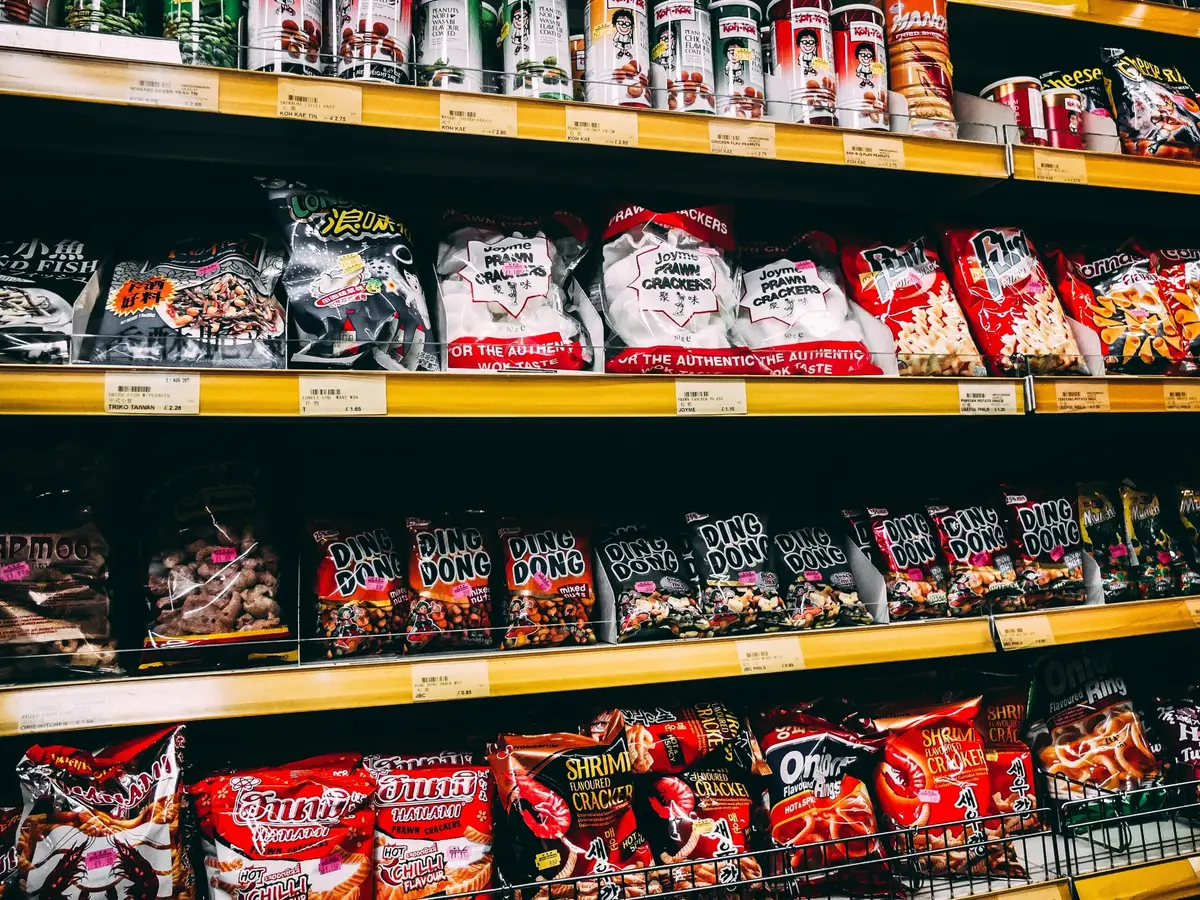
international snacks on shelf at grocery store 06.01.23

When it comes to international foods and snacks, different regions have different tastes and preferences. What may be a popular snack in one region may not be as popular in another. For this reason, when creating a food marketing strategy, brands should consider customizing snack flavors for international markets to easily cater to their international snacks. 

Meeting Local Tastes and Preferences

One of the main reasons why brands should consider customizing snack flavors for different regions is to meet local tastes and preferences. Consumers in different regions have different palates and may prefer different flavors. By customizing international snack flavors, brands can cater to the local tastes and preferences of their consumers.

Standing out in a Crowded Market

The international snack market is highly competitive, and brands need to find ways to stand out. Customizing snack flavors for different regions can help brands differentiate themselves from their competitors. Brands that offer unique and localized flavors can attract consumers who are looking for something different.

Increasing Sales and Market Share

By customizing international snack flavors, brands can increase sales and market share. Consumers are more likely to purchase snacks that cater to their local tastes and preferences. Brands that offer localized flavors can tap into a new market and increase their sales and market share.

Building Brand Loyalty

Customizing snack flavors can also help brands build brand loyalty. When brands offer flavors that cater to local tastes and preferences, consumers feel that the brand understands them and their culture. This can create a sense of connection between the brand and the consumer, leading to increased brand loyalty.

Adapting to Cultural Differences

Different regions have different cultural traditions and customs, and these can influence the types of snacks that are popular in that region. By customizing international snack flavors, brands can adapt to these cultural differences and offer snacks that are more relevant to the local culture.

Testing New Flavors

Customizing snack flavors can also be a way for brands to test new flavors. By introducing new flavors in a specific region, brands can test consumer response before rolling out the flavor on a larger scale. This can help brands reduce the risk of launching a new flavor that may not be popular.

Staying Relevant

Finally, customizing international snack flavors can help brands stay relevant. Consumer tastes and preferences are constantly changing, and brands need to adapt to these changes to remain relevant. By offering customized snack flavors, brands can stay ahead of the curve and continue to meet the changing needs of their consumers.

Conducting Market Research

Brands should conduct market research to understand local tastes and preferences. This can include conducting surveys, focus groups, and taste tests. By gathering this information, brands can determine which flavors are popular in each region and which ones are not.

Partnering with Local Producers

Brands can also partner with local producers to develop customized snack flavors. Local producers have a better understanding of local tastes and preferences and can help brands develop flavors that are more relevant to the local market.

Considering Cultural Traditions and Customs

Brands should also consider the cultural traditions and customs of each region. These can influence the types of snacks that are popular in that region. By taking these factors into account, brands can develop flavors that are more culturally relevant.

Testing New Flavors in Specific Regions

As mentioned earlier, brands can test new flavors in specific regions before rolling them out on a larger scale. This can help brands reduce the risk of launching a new flavor that may not be popular. Brands can use market research to determine which regions are best suited for testing new flavors.


employee meeting
Branding

Turn Employees Into Brand Advocates Now

Your workforce already talks about work—at dinner tables, on LinkedIn, in coffee shop...

Learn More
Branding

Navigating Regulations in Home Wellness Marketing

When a founder opens an FTC warning letter about a single product claim, the immediate question...

Learn More
tourist awaits plane boarding during summer travel season
Branding

Real-Time Reputation Management for Travel Brands

A single viral TripAdvisor thread can erase months of marketing investment in hours. For travel...

Learn More
Related Branding