Beverage brand marketing works when three things line up: a health claim consumers can verify, positioning that separates the product from adjacent categories, and a digital presence that converts attention into repeat purchase. Talking Rain built Sparkling ICE into one of the fastest growing beverage companies in the United States by combining exactly these three elements, according to Nina Morrison, the company's vice president.
How does a beverage brand prove a health claim to skeptical consumers?
A beverage brand proves a health claim by naming the exact ingredient, its concentration, and the source, not by leaning on words like "natural" or "clean" alone. The functional beverage market reached $184.38 billion in 2026, up from $174.48 billion in 2025, according to a 2026 Research and Markets report on functional beverages. That growth means more competitors are making similar claims, so specificity is what separates one brand from the next.
List the ingredient sourcing, the amount per serving, and any third-party testing directly on the label and the product page. A brand marketing an antioxidant-forward drink should say which antioxidant, how much, and cite the study behind the claim. A brand marketing a vitamin C beverage should target the specific consumer need, immune support, rather than a general wellness message.
Why it works: the FDA requires structure/function claims on beverages to be truthful and not misleading, and generic wellness language invites regulatory scrutiny that named, dosed claims avoid. Consumers who read ingredient panels convert at higher rates when the panel answers their question in the first line, which is why the claim belongs on the package, not buried in a footnote.
What makes a beverage brand's positioning stand out in a crowded category?
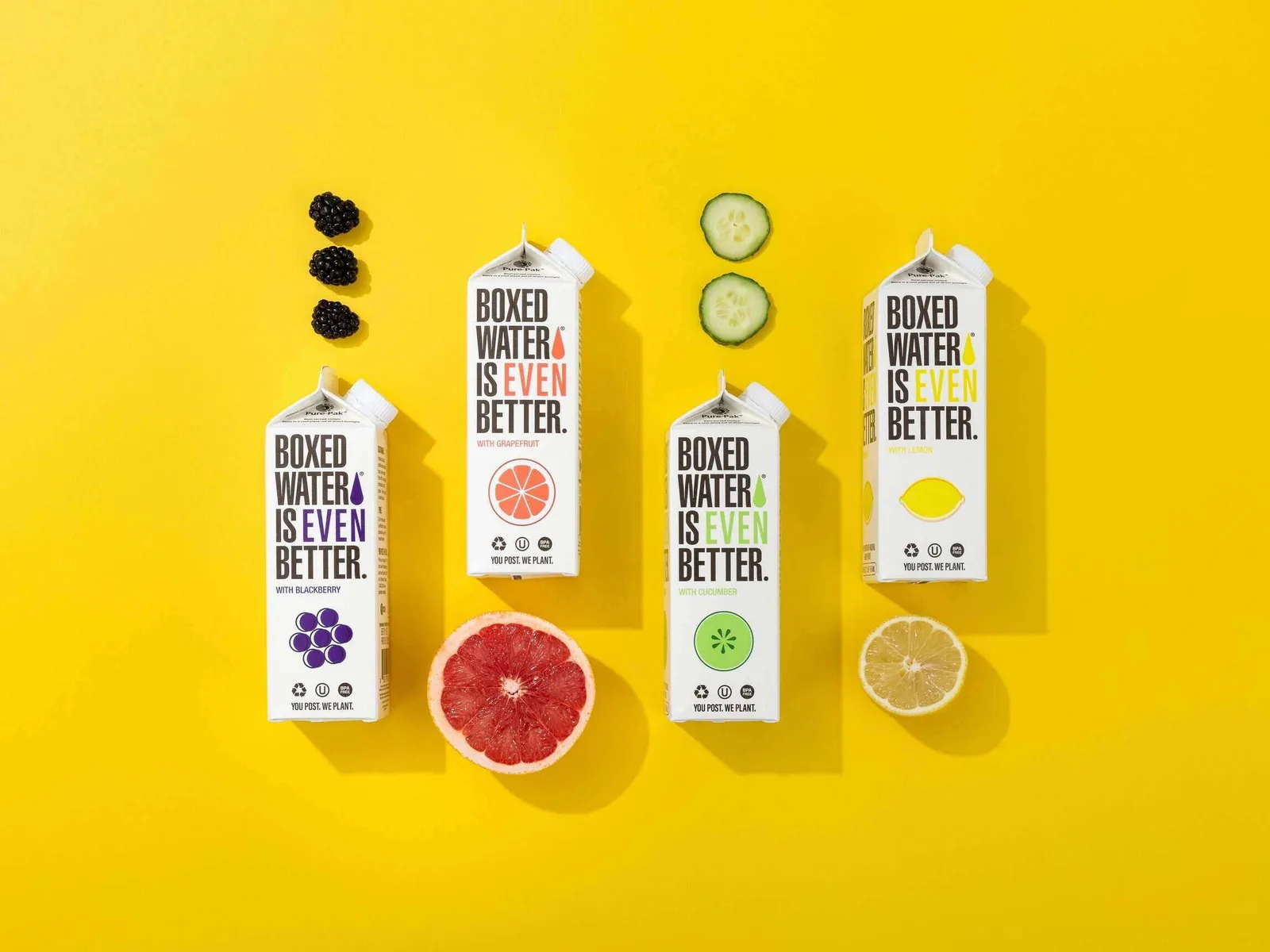
A beverage brand's positioning stands out when it picks one unique selling proposition, taste, a specific health benefit, sustainable packaging, or a signature ingredient, and builds every campaign asset around that single point. Splitting a campaign across three selling points dilutes all three. See food and beverage brand positioning for how this plays out category by category.
Pair the positioning with a founder or sourcing story that explains why the brand exists. A story about ingredient sourcing or a founder's original problem gives journalists and retail buyers a reason to cover the brand beyond the product itself.
How does a beverage brand build a website and email program that convert?
A beverage brand's website converts when it is mobile-optimized, loads product and ingredient information above the fold, and lets a visitor buy directly through an integrated e-commerce platform. Visitors who cannot find sourcing information or a purchase path within the first screen leave before the brand's story lands.
Segment the email list by purchase behavior and send different content to first-time buyers than to repeat customers. New subscribers should get the brand and sourcing story; repeat buyers should get restock reminders, new flavor announcements, and loyalty offers. Automation tools can trigger these sequences based on purchase date rather than a single blast to the full list.
Which digital channels turn beverage campaigns into sales?
Social media, influencer marketing, and targeted paid ads each play a different role in a beverage campaign: social builds the visual case, influencers supply third-party credibility, and paid media puts the product in front of people who have not seen it organically. Beverage brands that skip the paid layer rely entirely on organic reach, which slows how fast a new product finds its audience.
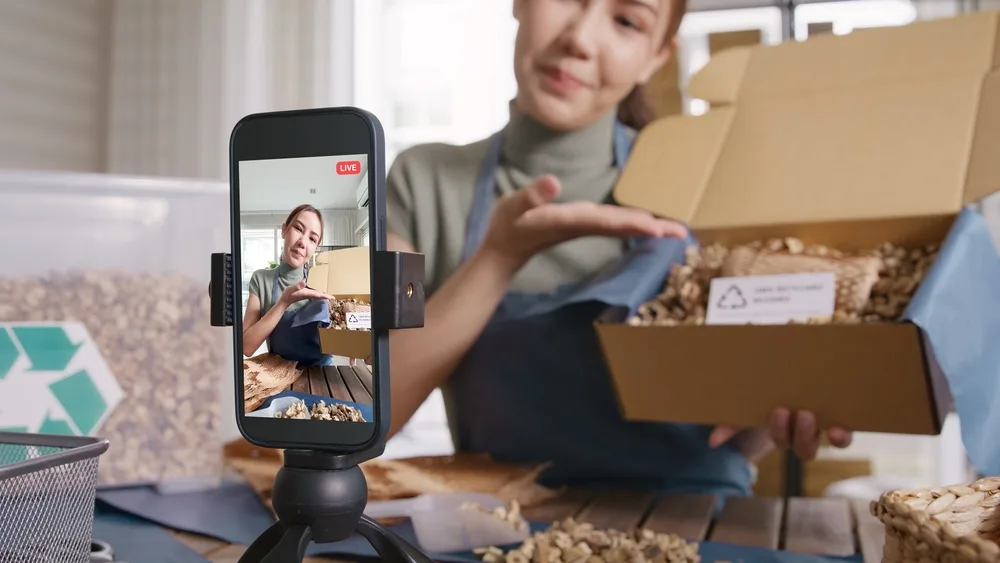
Video performs disproportionately well for beverages because the product is inherently visual, condensation on a cold bottle, the pour of a drink, the color of a fresh blend. Short-form video showing the product in use, rather than a static product shot, is what gets shared.
Run the campaign with a single consistent identity, logo, color palette, and voice, across every channel from social posts to in-store signage. A beverage brand that looks different on TikTok than it does on shelf loses the recognition it built in the first channel.
What does a successful beverage brand campaign look like in practice?
Talking Rain Beverage Company partnered with 5WPR to grow Sparkling ICE through sustained media visibility and community-focused initiatives rather than a single campaign burst. "5W over many years helped Talking Rain become one of the fastest growing beverage companies in the U.S.," said Nina Morrison, Vice President at Talking Rain Beverage Co. The engagement combined consistent brand storytelling with retail and community partnerships over multiple years, not a one-off launch push.
How should a beverage brand measure whether a campaign worked?
Track website traffic, email conversion rate, social engagement, and retail sell-through together, not in isolation. A campaign that drives impressions without moving sell-through at retail has not proven itself yet. Use analytics tools tied to the e-commerce platform and retailer point-of-sale data where available, and review the numbers on a set cadence rather than only at a campaign's end.
Adjust the campaign based on which channel actually drove purchases, not which channel generated the most impressions. Impressions and purchases frequently come from different channels, and the budget should follow the one that converts.
A beverage brand's marketing strategy holds together when the health claim is specific, the positioning is singular, and the digital program is measured against sales rather than impressions. Brands that treat these as one connected system, the way Talking Rain built Sparkling ICE, outperform brands running the same three tactics disconnected from each other.