
Influencer Marketing
Purpose-Driven Food Brands Succeed
Food companies face a reckoning. Consumers demand proof—not promises—that their purchases support planetary health, fair labor, and transparent supply chains. For sustainability managers tasked with translating ESG commitments into revenue growth, the stakes couldn’t be higher. Investors want verifiable metrics. Customers scrutinize every ingredient. The brands winning this moment don’t just talk about values; they build entire business models around them, turning ethical sourcing and clean labels into competitive advantages that drive loyalty and market share.
The gap between sustainability theater and genuine impact shows up in the numbers. Chipotle reduced Scope 1 and 2 greenhouse gas emissions by 13% in 2023 while sourcing 40 million pounds of locally grown ingredients and powering 51% of its 3,371 U.S. locations with renewable energy. That same year, the company purchased 42 million pounds of locally grown produce and maintained 100% participation in food donation programs at new restaurants. These aren’t aspirational targets buried in a press release—they’re operational realities baked into quarterly performance reviews.
Food companies face a reckoning. Consumers demand proof—not promises—that...
Tiktok, Instagram & Pinterest Home Inspo Guide
Social platforms have become the primary research tool for home decor decisions, replacing traditional magazines and showrooms. Pinterest reports that searches for specific aesthetics like “adire fabric” and “rattan chairs” have surged by 50-60% in recent months, while TikTok’s #HomeInspo hashtag generates billions of views monthly. For small business owners and aspiring stylists, these platforms represent more than inspiration boards—they’re direct sales channels where a well-crafted video or pin can convert scrollers into buyers within minutes. The challenge lies in cutting through algorithmic noise while maintaining the authentic voice that resonates with audiences tired of sterile, staged perfection.
Three distinct movements dominate social feeds right now, each offering specific opportunities for content creators. FunHaus leads Pinterest’s 2026 predictions, with vintage circus aesthetics climbing 70% in search volume. This trend balances bold geometric shapes with soft, approachable palettes—think sculptural furniture pieces paired with playful stripes that reference big-top tents without veering into literal clown territory. The appeal sits in its permission to mix whimsy with sophistication, making it accessible for renters who can add circus-inspired throw pillows or striped runners without major investment.
Social platforms have become the primary research tool for home decor...

Restaurant Influencers That Fill Seats Fast
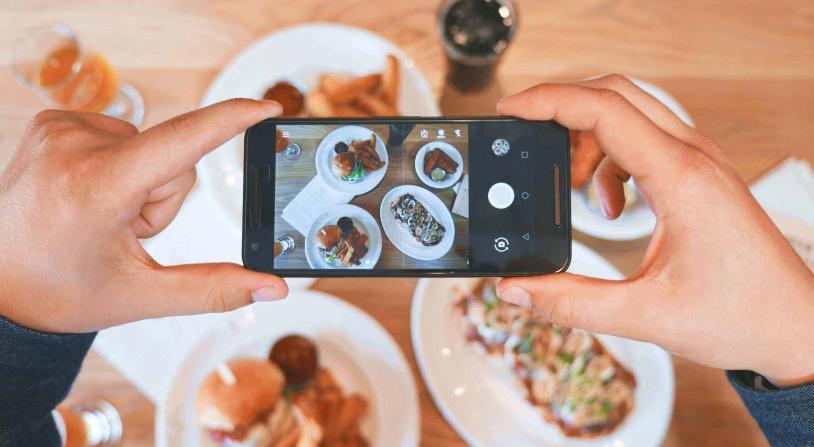
Empty tables during peak hours tell a story no restaurant owner wants to hear. You’ve invested in quality ingredients, trained your staff, and perfected your menu—yet the dining room stays quiet while your competitors down the street pack their patios. The difference often comes down to visibility, and in 2026, that visibility lives in the hands of local content creators who can turn a single TikTok video into a line out your door. Influencer marketing isn’t about chasing viral moments or racking up meaningless likes; it’s about partnering with the right voices in your community to drive real people through your entrance, and doing it in a way that delivers measurable returns on every dollar spent.
The influencer you need isn’t the one with a million followers posting from a different city every week. You need the food blogger with 8,000 followers who lives three miles from your restaurant and whose audience trusts their lunch recommendations enough to act on them. Micro-influencers—creators with 5,000 to 50,000 followers—consistently outperform larger accounts when your goal is foot traffic rather than brand awareness. Their audiences are concentrated, engaged, and local. When a micro-influencer posts about your new brunch menu, their followers see someone they know eating at a place they can actually visit today.
Empty tables during peak hours tell a story no restaurant owner wants to hear....

Master Cultural Sensitivity for Beauty Campaigns
The beauty industry stands at a crossroads where a single misstep in cultural representation can trigger viral backlash, erase years of brand equity, and cost millions in lost revenue. As brands expand into new markets and Gen Z consumers demand authentic representation, the stakes for getting cultural sensitivity right have never been higher. Marketing leaders who once viewed diversity as a checkbox exercise now recognize it as a strategic imperative that directly impacts bottom-line performance. The question is no longer whether to prioritize cultural sensitivity, but how to operationalize it across every campaign touchpoint—from casting decisions to language choices to influencer partnerships—in ways that build genuine trust with diverse audiences.
The foundation of any culturally sensitive campaign begins long before creative development. Smart brands invest in structured research phases that uncover blind spots and validate assumptions. This means conducting initial audits to identify potential cultural appropriation risks, such as misusing sacred symbols or reducing complex traditions to aesthetic props. Dove’s Real Beauty campaign succeeded precisely because the brand featured real women participating in their own authentic beauty rituals rather than imposing generic Western imagery across markets.
The beauty industry stands at a crossroads where a single misstep in cultural...

Ski PR Trends to Boost Bookings Now
Ski resort marketers face mounting pressure to fill lodges during shoulder seasons, combat unpredictable snowfall, and stand out against deep-pocketed competitors. Traditional advertising no longer delivers the returns it once did, while digital audiences demand authentic, visually stunning content that speaks to their values. The good news? A new generation of PR strategies—anchored in influencer partnerships, immersive technology, and wellness positioning—is rewriting the playbook for winter tourism. Resorts that master these approaches are seeing double-digit booking increases and millions in earned media value, proving that smart PR investments can outperform legacy tactics by a wide margin.
Influencer marketing has matured from experimental tactic to revenue driver for ski resorts. Data shows these campaigns spike web traffic by 26% and fill premium cabin bookings for weekends, outperforming paid billboards as digital word-of-mouth accelerates. Across the industry, ski influencer campaigns generated $82.5 million in earned media value during the 2025 season, with engagement rates tripling those of traditional advertisements.
Ski resort marketers face mounting pressure to fill lodges during shoulder...

The Future Of Wellness Influencer Marketing: Authenticity Over Aesthetic
Wellness brands face a reckoning. The era of perfectly curated influencer feeds and aspirational lifestyle shots is giving way to something far more valuable: genuine connection. As consumers grow increasingly skeptical of polished advertising and demand transparency in health-related marketing, brands must recalibrate their influencer strategies around authenticity rather than aesthetics. This shift isn’t merely a trend—it represents a fundamental transformation in how wellness products reach and resonate with health-conscious audiences who prioritize trust above all else.
The numbers tell a compelling story. Micro-influencers—those with 10,000 to 50,000 followers—achieve engagement rates of 5-8%, compared to just 1-3% for their macro-influencer counterparts. This performance gap exists because smaller creators maintain genuine relationships with their audiences, responding to comments, sharing personal experiences, and building communities rather than broadcasting to masses.
Wellness brands face a reckoning. The era of perfectly curated influencer...
How To Run Compliant Web3 Influencer Campaigns
Web3 projects face a precarious balancing act: they need influential voices to cut through market noise, yet every partnership carries regulatory landmines that can detonate careers and companies alike. The FTC and SEC have made clear that crypto and blockchain projects receive no special exemptions from advertising laws, and recent enforcement actions prove regulators are watching closely. For marketing leads and compliance officers navigating this terrain, the stakes couldn’t be higher—one undisclosed partnership or exaggerated claim can trigger investigations, penalties, and irreparable reputational damage. Building compliant influencer campaigns isn’t just about checking boxes; it’s about constructing sustainable growth strategies that withstand scrutiny while genuinely connecting with communities.
The regulatory framework governing influencer marketing in Web3 rests on two pillars: the FTC’s Endorsement Guides and SEC securities regulations. The FTC updated its guidance in 2023, making crystal clear that material connections between brands and influencers must be disclosed conspicuously and unambiguously. Burying disclosures in hashtag strings or embedding them mid-post doesn’t cut it anymore. According to the FTC’s plain language guidance, disclosures must appear at the beginning of posts, before users need to click “more” or scroll down.
Web3 projects face a precarious balancing act: they need influential voices to...

How AI Is Transforming Influencer Marketing
Updated April 22, 2026
The global influencer marketing industry hit $32.55 billion in 2025 and is projected to surpass $40 billion in 2026. U.S. spend alone reached $9.3 billion, and 86% of U.S. marketers plan to partner with influencers this year — up from approximately 75% in 2022.
Updated April 22, 2026 The global influencer marketing industry hit...