The collision of gaming culture and wellness marketing has created something remarkable: a new playbook for reaching audiences who once seemed unreachable by traditional fitness brands. Where wellness companies previously struggled to maintain engagement beyond the first few weeks of a New Year's resolution, gaming mechanics now create habit-forming experiences that keep users coming back. The numbers tell a compelling story—the global wellness economy has grown to $5.6 trillion, while gaming continues to dominate digital entertainment with billions of engaged users worldwide. For marketing executives, this intersection represents more than a trend; it's a fundamental shift in how we think about motivation, community, and sustained behavior change.
The Gaming-Wellness Convergence Is Already Here
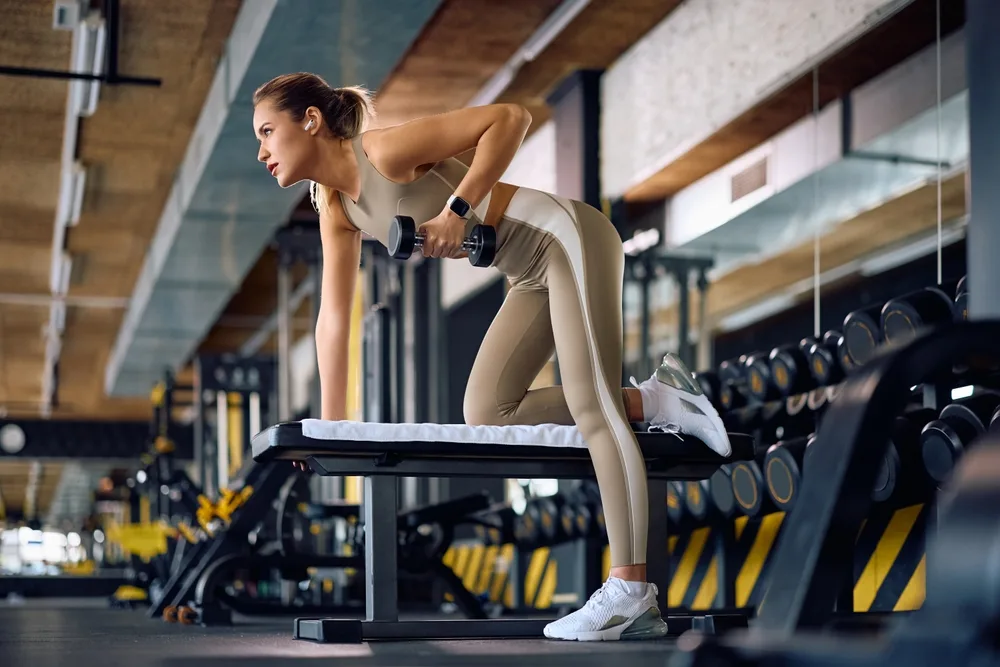
Walk into any modern gym and you'll likely see something that would have seemed absurd a decade ago: workout equipment that looks and feels more like an arcade than a fitness center. Companies like Aviron have built their entire business model around this premise, combining rowing machines with arcade-style video games that make cardio feel less like punishment and more like play. The results speak for themselves—users report significantly higher retention rates compared to traditional equipment.
GYMLETE has taken this concept even further by transforming entire fitness studios into gaming environments. Their platform powers interactive video game elements directly into group fitness classes, complete with leaderboard competitions and team-based adventures. Major brands have taken notice—Nike Studios now partners with GYMLETE to create experiences that blur the line between physical training and digital entertainment. This isn't gimmickry; it's a fundamental rethinking of what motivates people to move.
The virtual reality space has opened even more possibilities. Meta's VR fitness environments demonstrate how immersive technology can make workouts genuinely entertaining rather than merely tolerable. These platforms integrate interactive VR objects that respond to physical movement, creating experiences where users forget they're exercising because they're too busy playing. The psychological shift is profound—from "I have to work out" to "I want to play."
Why Gamification Works Where Traditional Marketing Fails
The fitness industry has always struggled with a brutal truth: most people quit. Traditional marketing can drive sign-ups, but it can't manufacture motivation when the alarm goes off at 5:30 AM. Gamification addresses this by tapping into psychological drivers that have kept humans engaged with games for thousands of years.
Progress tracking transforms abstract goals into visible achievements. When Nike Run Club shows you climbing a leaderboard or Strava awards you a segment trophy, your brain receives the same dopamine hit it gets from leveling up in a video game. These aren't superficial rewards—they create genuine emotional investment in continued participation.
Social competition adds another layer of engagement that traditional fitness marketing rarely captures. Connected fitness platforms have learned that users don't just want to track their own progress; they want to see how they stack up against friends, rivals, and the broader community. This social dimension turns solitary activities into shared experiences, creating accountability through visibility.
The most sophisticated fitness apps now use AI-driven adaptive training that responds to user behavior in real-time, much like how modern video games adjust difficulty to keep players in a state of flow. This personalization makes each workout feel custom-designed rather than generic, increasing the perceived value of the experience.
Building Effective Gamification Strategies
Not all gamification is created equal. Poorly implemented game mechanics can feel manipulative or childish, undermining the serious health goals users are trying to achieve. The most successful strategies share several characteristics.
First, they make progress visible and meaningful. Simple progress bars work, but the best apps create narrative arcs where users feel like they're on a journey rather than just checking boxes. Challenges should feel achievable but not trivial—too easy and they're boring, too hard and they're discouraging.
Second, they balance individual achievement with community connection. Leaderboards can motivate, but they can also discourage users who find themselves consistently at the bottom. Smart platforms create multiple ways to win—fastest time, most improved, most consistent, longest streak—so that different user types can find their own path to recognition.
Third, they avoid the dark patterns that make some games feel exploitative. The goal isn't to create addiction but to support genuine behavior change. This means being thoughtful about notification frequency, reward schedules, and the overall tone of the experience. Users should feel empowered, not manipulated.
Connected fitness platforms that succeed long-term focus on retention beyond the initial engagement spike. They design their gamification systems to evolve with the user, introducing new challenges and mechanics as people progress rather than repeating the same patterns until they become stale.
Esports Partnerships: A New Frontier for Wellness Brands
The esports industry presents a counterintuitive opportunity for wellness marketing. Here's an audience that spends hours sitting in front of screens, yet they're increasingly health-conscious and receptive to wellness messaging. Professional gamers have begun to recognize that physical fitness directly impacts performance—reaction time, focus, and stamina all improve with better health habits.
This realization has opened the door for strategic partnerships. While specific recent collaborations vary, the model is clear: esports organizations need wellness solutions for their athletes, and wellness brands need access to a massive, engaged audience that skews young and digitally native. The key is authenticity—these partnerships fail when they feel like traditional sponsorships and succeed when they provide genuine value to the gaming community.
For wellness brands considering esports partnerships, the approach requires different thinking than traditional sports marketing. Esports fans are highly attuned to authenticity and quick to reject brands that don't understand gaming culture. The most successful partnerships involve co-creating content and experiences rather than simply slapping a logo on a jersey.
Start by identifying esports organizations whose values align with your brand. Research their audience demographics and engagement patterns. Approach conversations as potential collaborators rather than sponsors—what can you build together that serves both the gaming community and your business objectives?
Measurement matters here more than in traditional sponsorships. Track not just impressions and reach, but engagement metrics that indicate genuine interest. Are people clicking through to learn more? Are they trying your products? Are they talking about the partnership in community forums? These signals reveal whether you're creating real value or just buying visibility.
The Future Is Immersive and Intelligent
The current state of gaming in wellness marketing is just the beginning. Several technological trends will reshape this space over the next few years, creating opportunities for brands willing to experiment.
Artificial intelligence will move beyond simple personalization to become genuine coaching. AI systems can already analyze form, suggest modifications, and adapt workout plans based on performance data. As these systems become more sophisticated, they'll provide the kind of individualized attention that previously required expensive personal trainers.
Virtual reality fitness applications are growing rapidly, with the market expanding as headset prices drop and content libraries expand. These aren't just video games with a fitness veneer—they're genuinely immersive experiences that can transport users to different environments, making home workouts feel less monotonous. The psychological impact of working out in a virtual mountain landscape or futuristic cityscape shouldn't be underestimated.
Wearable technology continues to improve, providing richer data that can feed into gamification systems. When your fitness app knows not just your heart rate but your sleep quality, stress levels, and recovery status, it can create more intelligent challenges and rewards. This data integration turns fitness tracking into a holistic wellness journey.
The most exciting developments will come from combinations of these technologies. Imagine VR workouts that adapt in real-time based on biometric data from your wearables, with AI coaching that learns your preferences and motivations over time. These experiences will feel less like using a fitness app and more like having a personal training team that knows you intimately.
Measuring What Matters
Marketing executives need concrete metrics to justify investments in gaming-focused wellness campaigns. The good news is that gaming and fitness both generate rich data that can demonstrate impact.
Start with engagement metrics that go beyond simple downloads or sign-ups. How often do users return to the app? How long do they spend in each session? Are they completing challenges or abandoning them halfway through? These behavioral signals reveal whether your gamification is actually working.
Retention is the ultimate test. The fitness industry has historically struggled with retention rates that drop off dramatically after the first month. Gaming mechanics should improve these numbers—if they don't, something isn't working. Track cohort retention over time and compare gamified experiences against traditional approaches.
Conversion matters too, though it may look different in wellness contexts. Are free users upgrading to premium tiers? Are they purchasing recommended products? Are they referring friends? These actions indicate genuine value creation, not just superficial engagement.
Brand sentiment provides qualitative insight that numbers alone can't capture. Social listening tools can track how people talk about your brand in gaming and fitness communities. Are they excited? Skeptical? Indifferent? This feedback should inform iterative improvements to your approach.
Set up measurement frameworks before launching campaigns, not after. Define what success looks like, identify the metrics that will indicate progress toward those goals, and establish regular review cycles. The most successful gaming-wellness campaigns treat measurement as an ongoing process of learning and optimization rather than a final report card.
Moving Forward
The integration of gaming mechanics into wellness marketing isn't a fad that will fade when the next shiny trend appears. It represents a fundamental understanding of human motivation and behavior change that will only become more sophisticated as technology improves. For marketing executives, the question isn't whether to explore this space but how quickly you can move and how thoughtfully you can execute.
Start by auditing your current wellness marketing efforts through a gaming lens. Where are you already using game-like mechanics, even if you don't call them that? Where could you introduce elements of play, competition, or achievement? What would it take to make your wellness experiences more interactive and engaging?
Consider partnerships carefully. The esports space offers tremendous opportunities, but only for brands willing to invest in understanding gaming culture and creating authentic value. Don't chase trends—build relationships with gaming communities and listen to what they actually want from wellness brands.
Invest in measurement infrastructure now. The data you collect from gaming-focused wellness campaigns will inform not just these initiatives but your broader marketing strategy. Understanding what motivates sustained behavior change has applications far beyond fitness.
The brands that will win in this space are those that recognize gaming isn't just a marketing channel—it's a design philosophy that can make wellness experiences genuinely enjoyable rather than merely effective. When you stop thinking about how to market fitness to gamers and start thinking about how to make fitness feel like the best parts of gaming, you'll create experiences that people choose rather than endure.