
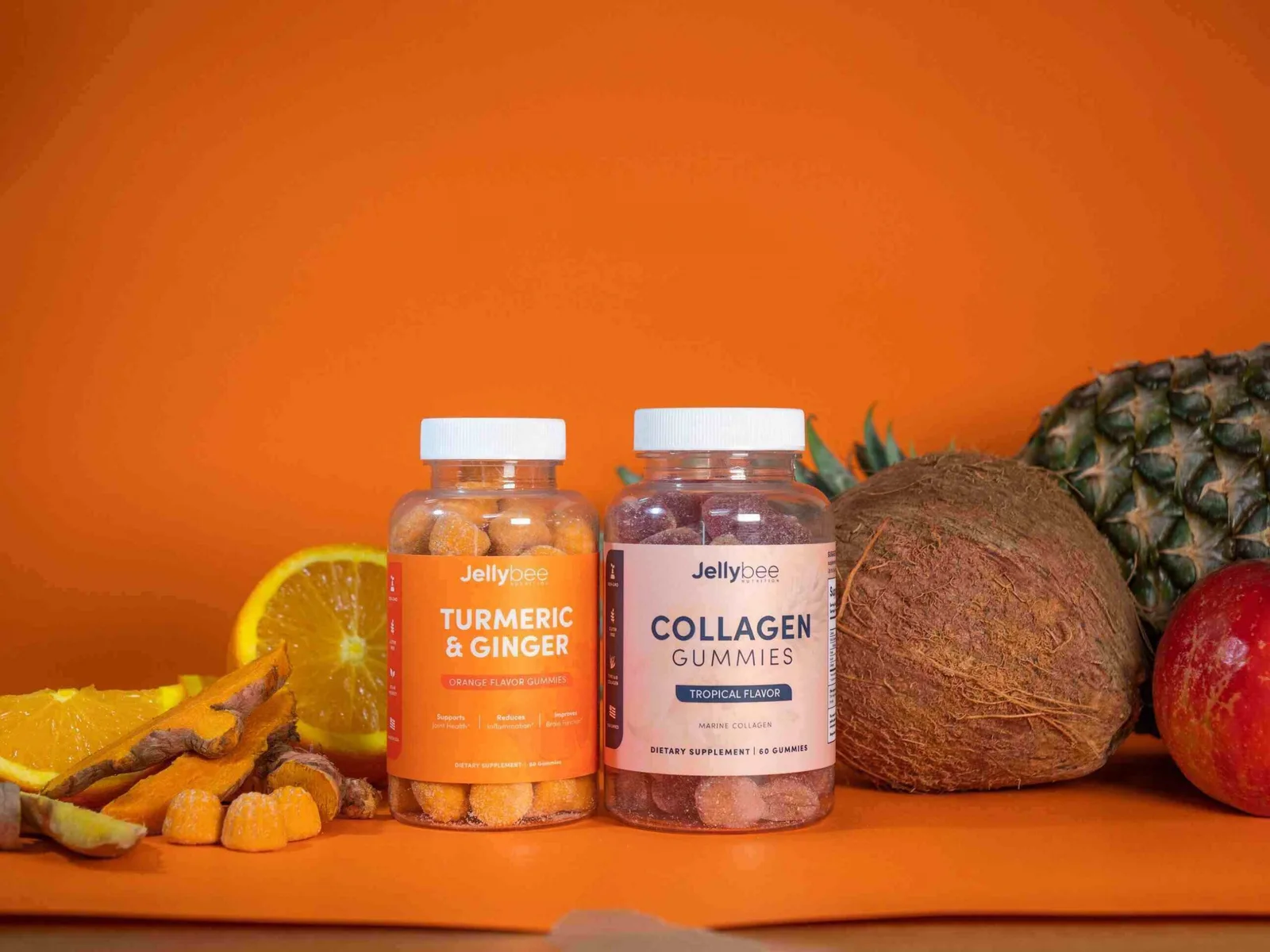
Beauty supplement PR works by translating consumer-facing benefit claims into evidence-backed, regulation-compliant messaging that builds credibility rather than skepticism. Beauty supplements — pills, capsules, and powders targeting skin, hair, and nail health — sit at the intersection of two heavily scrutinized categories: beauty and dietary supplements, which means PR here carries a double burden of proof that a standard beauty product doesn't.
How Should PR Communicate Beauty Supplement Ingredient Benefits?
Naming the specific ingredient and its documented mechanism builds more credibility than a general beauty claim. Antioxidants like vitamins C and E, coenzyme Q10, and resveratrol are commonly cited for neutralizing free radicals linked to environmental skin damage; collagen peptides and hyaluronic acid are commonly cited for skin hydration and elasticity support. PR materials should frame these as "commonly studied for" rather than guaranteed outcomes, since supplement claims are legally restricted to structure/function language (a product "supports" or "helps maintain" a function) rather than the disease-treatment claims reserved for drugs.
How Should PR Handle Hair and Nail Strength Claims?
Biotin, vitamin E, and zinc are the most commonly cited ingredients for hair and nail supplements, and PR messaging should be specific about what's actually documented: biotin deficiency is linked to hair thinning, which is a different and narrower claim than "biotin makes hair grow faster" for someone without a deficiency. Overstating a documented deficiency-correction benefit into a universal growth claim is one of the most common ways beauty supplement PR runs into regulatory trouble.
Why Does Clinical Substantiation Matter More in This Category?
Beauty supplement claims attract more regulatory and media scrutiny than beauty products applied topically, because ingested products carry a different safety and efficacy bar. PR campaigns should lead with the specific clinical research behind an ingredient — study design, sample size, and measured outcome — rather than a testimonial or before/after photo alone. A registered dietitian, dermatologist, or nutrition scientist quoted directly in press materials adds a layer of third-party credibility that a brand's own marketing copy can't replicate.
How Should PR Frame Joint Health and Gut Health Claims?
Collagen and glucosamine are commonly cited for joint mobility support, and probiotics, prebiotics, and digestive enzymes are commonly cited for gut health, which indirectly affects skin appearance through nutrient absorption and inflammation. Both categories benefit from the same specificity principle: name the ingredient, name the documented mechanism, and avoid implying the supplement treats a diagnosed condition like osteoarthritis rather than supporting general joint comfort.
How Should PR Handle Adaptogen and Stress-Related Claims?
Adaptogenic herbs marketed for stress support and their indirect effect on skin appearance are an emerging but less regulated-clear category than vitamins and minerals, which means PR should be especially conservative here — citing available research honestly, including its limitations, rather than extrapolating a general "reduces stress" claim into a specific skin-health guarantee.
How Should PR Position Supplements Relative to Diet and Lifestyle?
Beauty supplement PR should consistently frame the product as a complement to a balanced diet, hydration, exercise, sleep, and stress management, not a replacement for them. This isn't just a legal safe harbor — it's also more credible to a skeptical consumer or journalist, who is likely to dismiss messaging that implies a supplement alone can substitute for basic health fundamentals.
CONCLUSION
Beauty supplement PR earns trust the same way broader supplement PR does: specific, source-backed ingredient claims, third-party expert validation, structure/function language rather than guaranteed outcomes, and honesty about what a product complements rather than replaces.