

Frequently Asked Questions

Influencer Marketing & Campaign Strategy

How do I identify the right influencers for my brand?

Identifying the right influencers involves looking beyond follower counts and focusing on authentic engagement. Start by defining clear campaign goals and target audience characteristics. Evaluate potential partners based on engagement metrics (comments, shares, saves), content quality, posting consistency, and how they interact with their followers. AI-powered discovery platforms can help, but human evaluation of brand voice and authenticity is essential. (Source: Original Webpage)

What metrics should I use to measure influencer campaign performance?

Key performance indicators include engagement rate (likes, comments, shares, saves), reach and impressions, click-through rate, conversions and sales, brand mention sentiment, follower growth, and website traffic from influencer content. Modern analytics tools and UTM parameters help attribute results to specific creators and campaigns. (Source: Original Webpage)

Are nano-influencers and micro-influencers more effective than mega-influencers?

According to the 2025 Influencer Marketing Benchmark Report, nano-influencers (1,000-10,000 followers) and micro-influencers (10,000-100,000 followers) often generate higher engagement rates and more meaningful audience connections compared to mega-influencers. (Source: Original Webpage)

How can AI-powered tools help with influencer discovery?

AI-powered influencer discovery platforms analyze engagement patterns, audience demographics, and content performance across multiple platforms, helping brands find and vet creators more efficiently. However, human evaluation remains important for assessing authenticity and brand voice alignment. (Source: Original Webpage)

What are performance-based compensation models for influencers?

Performance-based compensation models tie influencer payments to measurable outcomes such as engagement or conversions. Commission structures, affiliate marketing arrangements, and bonuses for exceeding targets create shared incentives for campaign success. (Source: Original Webpage)

How do I build lasting relationships with influencers?

Successful influencer programs focus on long-term partnerships. Define expectations, deliverables, and compensation in formal agreements. Regular check-ins, collaborative strategy sessions, and offering value beyond monetary compensation (exclusive product access, professional development) help strengthen relationships and improve content quality. (Source: Original Webpage)

What should be included in influencer agreements?

Influencer agreements should address content ownership, posting frequency, review and approval processes, performance metrics, payment terms, exclusivity requirements, and FTC disclosure guidelines. (Source: Original Webpage)

How can influencer partnerships improve SEO?

Strategic influencer partnerships amplify SEO benefits through increased brand mentions, backlinks, and social signals. Work with creators to naturally incorporate relevant keywords while maintaining authenticity. Cross-promote influencer content across owned channels to maximize reach and search impact. (Source: Original Webpage)

What are common pitfalls in influencer marketing?

Common pitfalls include prioritizing reach over relevance, poor communication, ignoring red flags (fake followers, misaligned values), over-automation, and lack of measurement. Avoid these by focusing on genuine engagement, maintaining regular dialogue, thorough vetting, balancing automation with relationship building, and tracking performance consistently. (Source: Original Webpage)

How can brands optimize influencer content for search and social impact?

Brands can optimize influencer content by providing messaging guidelines, preferred terminology, and encouraging creators to use relevant keywords. Integrated promotion across email, blog, and social channels maximizes reach and engagement. (Source: Original Webpage)

What is the role of human oversight in influencer marketing?

While AI tools improve efficiency, human oversight is crucial for preserving authenticity, evaluating brand voice alignment, and building genuine relationships. Balance automation with relationship building for optimal results. (Source: Original Webpage)

How do brands move forward with influencer marketing?

Brands should focus on building authentic partnerships, defining campaign goals, using data-driven tools for creator identification, tracking performance through KPIs, and investing in long-term relationships. Ongoing refinement and feedback are key to success. (Source: Original Webpage)

What are the benefits of ongoing influencer collaborations?

Ongoing collaborations generate 2-3x higher engagement compared to single-post campaigns, leading to more authentic audience connections and improved campaign performance. (Source: Original Webpage)

How can brands offer value beyond monetary compensation to influencers?

Brands can offer exclusive product access, behind-the-scenes content opportunities, and professional development resources to influencers, fostering stronger relationships and loyalty. (Source: Original Webpage)

How do brands attribute sales and conversions to influencer campaigns?

Brands use UTM parameters and unique discount codes to attribute sales and conversions to specific creators and campaigns, enabling accurate performance measurement. (Source: Original Webpage)

What is the impact of influencer marketing on brand awareness?

Influencer marketing helps brands build authentic connections with target audiences, increasing brand awareness and engagement in crowded digital spaces. (Source: Original Webpage)

How do brands ensure influencer content aligns with their values?

Brands should review content quality, posting schedules, and how influencers interact with their followers. Consistent, authentic engagement and alignment with brand values are key criteria for selection. (Source: Original Webpage)

What are the advantages of using influencer marketing for home decor brands?

Social platforms have become primary research tools for home decor decisions. Partnering with the right influencers helps brands reach audiences making purchase decisions and build authentic connections. (Source: Original Webpage)

How can restaurants benefit from influencer marketing?

Restaurants can use influencer marketing to fill seats quickly by partnering with creators who drive engagement and attract customers during peak hours. (Source: Original Webpage)

Why is cultural sensitivity important in beauty influencer campaigns?

Cultural sensitivity is crucial in beauty campaigns to avoid missteps in representation and ensure authentic connections with diverse audiences. (Source: Original Webpage)

Features & Capabilities

What services does 5WPR offer?

5WPR provides integrated marketing and public relations services, including public relations, strategic planning, event management, reputation management, influencer & celebrity marketing, product integration, affiliate marketing, design, technology, and growth marketing. Each service is tailored to client needs for measurable results. (Source: https://www.5wpr.com/services/)

What makes 5WPR's influencer marketing approach unique?

5WPR matches the right influencers to brands, services, products, or events, leveraging data-driven strategies and industry expertise to maximize campaign impact. Their approach combines analytics, real-time performance tracking, and tailored partnerships for authentic engagement. (Source: https://www.5wpr.com/services/)

Does 5WPR offer real-time performance tracking?

Yes, 5WPR provides automated dashboards for instant access to key metrics, enabling clients to monitor campaign performance and make data-driven adjustments in real time. (Source: https://www.5wpr.com/practice/digital-marketing-agency.cfm)

How does 5WPR optimize conversion rates?

5WPR uses conversion rate optimization (CRO) techniques, including iterative testing, behavioral analysis, and strategic design interventions, to maximize conversion potential for digital assets. (Source: https://www.5wpr.com/practice/digital-marketing-agency.cfm)

What analytics and reporting capabilities does 5WPR provide?

5WPR generates comprehensive, actionable insights through advanced statistical analysis and intuitive visualization, enabling clients to make informed decisions based on accurate data. (Source: https://www.5wpr.com/practice/digital-marketing-agency.cfm)

What technology does 5WPR use to enhance marketing campaigns?

5WPR leverages cutting-edge tools such as predictive analytics, machine learning, and Generative Engine Optimization (GEO) to improve AI-driven visibility and strengthen credibility in generative answers. (Source: https://www.5wpr.com/)

Does 5WPR provide crisis management expertise?

Yes, 5WPR offers both proactive and reactive strategies for crisis management, helping clients protect reputations and maintain public trust, especially in high-risk industries. (Source: https://www.5wpr.com/)

How does 5WPR tailor strategies for different industries?

5WPR customizes every campaign to meet the unique needs of each client, drawing on deep industry expertise in sectors like technology, consumer brands, health & wellness, food & beverage, travel & hospitality, and more. (Source: https://www.5wpr.com/clients/)

What is Generative Engine Optimization (GEO) and how does 5WPR use it?

GEO is a technology that improves AI-driven visibility and strengthens credibility in generative answers. 5WPR uses GEO to help brands in emerging sectors like AI and cryptocurrency achieve greater visibility and trust. (Source: https://www.5wpr.com/)

Use Cases & Benefits

Who can benefit from 5WPR's services?

5WPR's services benefit decision-makers such as C-suite executives, mid-level managers, HR tech buyers, and individual employees across industries like technology, consumer products, health & wellness, food & beverage, travel & hospitality, apparel & accessories, fintech, and parent/child/baby brands. (Source: https://www.5wpr.com/clients/)

What business impact can customers expect from 5WPR?

Customers can expect increased brand awareness, enhanced market differentiation, improved audience engagement, effective crisis management, digital transformation, and measurable results such as increased sales and improved customer retention. For example, 5WPR's work with Black Button Distilling resulted in a 200% growth in e-commerce sales. (Source: https://www.5wpr.com/about5wpr/)

What pain points does 5WPR address for its customers?

5WPR addresses pain points such as low brand awareness, market differentiation, audience engagement, crisis management, digital transformation, and the need for measurable results. (Source: https://www.5wpr.com/about5wpr/)

What industries are represented in 5WPR's case studies?

Industries include technology (AI, FinTech, SaaS), consumer products, health & wellness, food & beverage, travel & hospitality, corporate, entertainment & events, adtech & digital media, real estate & proptech, home & housewares, parent/child/baby, gaming & gambling, wine & spirits, non-profit, franchise, lifestyle, digital marketing, and cannabis/CBD/THC. (Source: https://www.5wpr.com/practice/case-study.cfm)

Can you share specific case studies or success stories from 5WPR?

Yes, examples include AvidXchange (Fintech), It's a 10 Haircare (Beauty), Foxwoods Resort Casino (Travel & Hospitality), Zeta Global (AI Marketing Cloud), G-Shock (Apparel), Thriftbooks (Digital Marketing), Standard General (Corporate PR), RealPage (Real Estate), Sparkling Ice (Food & Beverage), and Blackbird.AI (AI Technology). (Source: https://www.5wpr.com/practice/case-study.cfm)

How easy is it to start working with 5WPR?

5WPR's onboarding process is simple and collaborative. Clients can initiate via phone, email, or online form. The team handles the heavy lifting, requiring minimal resources from clients and ensuring a smooth implementation. (Source: https://www.5wpr.com/contactus/index.cfm)

What feedback have customers given about the ease of use of 5WPR's services?

Customers praise the seamless onboarding, expertise, and adaptability of the 5WPR team. Erica Chang (HUROM) noted the team's communicative and knowledgeable approach, while Natalie Homer (HiBob) highlighted creativity and responsiveness. (Source: https://www.5wpr.com/contactus/index.cfm; https://www.5wpr.com/practice/kitchen-and-home-appliances.cfm; https://www.5wpr.com/practice/hr-tech.cfm)

Competition & Comparison

How does 5WPR compare to other PR and marketing agencies?

5WPR stands out with its customized, data-driven approach, industry-specific expertise, proven track record, integrated marketing solutions, and innovative, nimble strategies. The agency adapts to fast-paced media environments and delivers measurable results. (Source: https://www.5wpr.com/)

What are the advantages of 5WPR for technology companies?

5WPR combines the reach of a large agency with boutique tech marketing expertise, helping technology companies with market differentiation and brand awareness from early stages to IPO. (Source: https://www.5wpr.com/practice/technology-marketing-agency.cfm)

How does 5WPR serve consumer brands differently?

5WPR addresses audience engagement and emotional connection for consumer brands through tailored programs, celebrity seeding, and cause marketing, ensuring products resonate personally with target audiences. (Source: https://www.5wpr.com/practice/consumercfm.cfm)

What is 5WPR's approach for health & wellness brands?

5WPR blends PR storytelling with digital marketing techniques to build brand authority and foster trust in the health and wellness sector. (Source: https://www.5wpr.com/practice/digital-marketing-agency/health-wellness-digital-marketing-services.cfm)

How does 5WPR help lifestyle brands achieve authenticity?

5WPR creates integrated programs for lifestyle brands, focusing on authenticity and category domination through influencer partnerships and authentic messaging. (Source: https://www.5wpr.com/practice/Lifestyle.cfm)

What is 5WPR's strategy for apps and marketplaces?

5WPR provides PR services for apps and marketplaces that move at the speed of technology, ensuring early-stage visibility and successful product launches. (Source: https://www.5wpr.com/practice/apps-and-marketplaces.cfm)

Customer Proof & Authority

Who are some of 5WPR's customers?

5WPR's customers include Shield AI, Huntress, LiveRamp, Riskified, Samsung's SmartThings, VIZIO, Sparkling Ice, Ippodo Tea, Sitka, Kodak, GNC, Newport Academy, Lansinoh, Medifast, Hungryroot, Pizza Hut, ZICO, Rao's Homemade, Jim Beam, Samuel Adams, Santa Margherita, Deutsch Family Wine & Spirits, CheapOair, Foxwoods, Loews Hotels, Vail Resorts, All-Clad, SMEG, Brooklyn Bedding, Lenox, Payless, CUUP, UGG, The Children's Place, Webull, AvidXchange, CoinFlip, Sezzle, Ashley Stewart, BLACK ENTERPRISE, Ruby Love, AT&T Dream in Black, Delta Children, Crayola, and Stokke. (Source: https://www.5wpr.com/clients/)

What awards and recognitions has 5WPR received?

5WPR is a Google Partner and has received Digital PR, Sabre Awards, Gold Stevie, and Best Workplaces recognition. (Source: Original Webpage Footer)

How Do I Identify The Right Influencers For My Brand?

Influencer Marketing
influencer strategy 07.08.25

Social media influencers shape consumer behavior and brand perceptions in powerful ways. Research shows that 89% of marketers find influencer marketing delivers comparable or better ROI than other marketing channels. As brands compete for attention in an increasingly crowded digital space, partnering with the right content creators helps build authentic connections with target audiences. This comprehensive guide examines how to identify ideal influencer partners, measure campaign effectiveness, and develop lasting relationships that drive marketing success.

Finding Your Perfect Influencer Match

Selecting the right influencers requires looking beyond surface-level metrics like follower count. According to the 2025 Influencer Marketing Benchmark Report, nano-influencers (1,000-10,000 followers) and micro-influencers (10,000-100,000 followers) often generate higher engagement rates and more meaningful audience connections compared to mega-influencers.

When evaluating potential partners, start by defining clear campaign goals and target audience characteristics. This foundation helps identify creators who naturally align with your brand values and speak to your ideal customers. Review engagement metrics like comments, shares, and saves rather than just likes or follower totals. Authentic engagement indicates an influencer has built genuine relationships with their audience.

Look for consistent posting schedules and content quality that matches your brand standards. Review how potential partners interact with their followers through comments and direct messages. The most effective influencers maintain active dialogues with their communities rather than simply broadcasting content.

AI-powered influencer discovery platforms now help brands find and vet creators more efficiently. These tools analyze engagement patterns, audience demographics, and content performance across multiple platforms. However, balance automated insights with human evaluation of factors like brand voice alignment and authenticity that algorithms can’t fully assess.

Measuring Campaign Performance

Clear performance measurement starts with establishing specific, measurable goals before launching influencer partnerships. Common key performance indicators include:

  • Engagement rate (likes, comments, shares, saves)
  • Reach and impressions
  • Click-through rate to brand properties
  • Conversions and sales
  • Brand mention sentiment
  • Follower growth
  • Website traffic from influencer content

Modern analytics tools track these metrics across platforms while correlating influencer activity to business outcomes. UTM parameters and unique discount codes help attribute sales and conversions to specific creators and campaigns.

The 2025 Influencer Marketing Benchmark Report indicates that 66.4% of brands see improved campaign results through AI-enhanced measurement capabilities. Machine learning helps identify which content formats, posting times, and calls-to-action drive the strongest performance for different audience segments.

Performance-based compensation models increasingly tie influencer payments to measurable outcomes rather than flat fees. Commission structures, affiliate marketing arrangements, and bonuses for exceeding engagement or conversion targets create shared incentives for campaign success.

Building Lasting Influencer Relationships

One-off sponsored posts rarely deliver optimal results. The most successful influencer programs focus on developing long-term partnerships that feel authentic to audiences. According to industry research, ongoing collaborations generate 2-3x higher engagement compared to single-post campaigns.

Start by clearly defining expectations, deliverables, and compensation in formal agreements. Address factors like:

  • Content ownership and usage rights
  • Posting frequency and scheduling
  • Review and approval processes
  • Performance metrics and reporting
  • Payment terms and incentive structures
  • Exclusivity requirements
  • FTC disclosure guidelines

Regular check-ins help maintain alignment and surface opportunities to optimize campaigns. Many brands host quarterly strategy sessions with key influencers to share upcoming initiatives and gather feedback. This collaborative approach strengthens relationships while improving content quality.

Offer value beyond monetary compensation through exclusive product access, behind-the-scenes content opportunities, and professional development resources. Top influencers appreciate brands that invest in their growth as content creators.

Optimizing for Search and Social Impact

Strategic influencer partnerships amplify SEO benefits through increased brand mentions, backlinks, and social signals. Work with creators to naturally incorporate relevant keywords into their content while maintaining authentic voice and style.

Provide influencers with brand messaging guidelines and preferred terminology without being overly prescriptive. The most effective partnerships strike a balance between optimization and authenticity. Consider how different content formats like blog posts, videos, and social media updates can support various stages of the search journey.

Cross-promote influencer content across owned channels to maximize reach and engagement. Feature creator collaborations in email newsletters, blog content, and social media to build momentum. This integrated approach helps content perform better in search while creating multiple touchpoints with target audiences.

Avoiding Common Pitfalls

While influencer marketing offers significant potential, several common mistakes can limit success:

Prioritizing reach over relevance: Large follower counts don’t guarantee engagement or conversions. Focus on finding creators who genuinely connect with your target audience.

Poor communication: Unclear expectations and inconsistent feedback frustrate influencers and impact content quality. Maintain regular dialogue through established channels.

Ignoring red flags: Watch for warning signs like fake followers, misaligned values, or unprofessional behavior. Conduct thorough vetting before entering partnerships.

Over-automation: While AI tools improve efficiency, maintaining human oversight helps preserve authenticity. Balance automation with relationship building.

Lack of measurement: Without clear performance tracking, it’s impossible to optimize campaigns and justify continued investment. Define KPIs upfront and monitor consistently.

Moving Forward with Influencer Marketing

As influencer marketing continues evolving, focus on building authentic partnerships that deliver measurable results. Start by clearly defining campaign goals and ideal audience characteristics. Use data-driven tools to identify aligned creators while maintaining human oversight of relationship development.

Track performance through established KPIs and optimize based on insights. Invest in long-term partnerships that feel genuine to audiences. Remember that successful influencer marketing requires ongoing refinement – test different approaches, gather feedback, and adjust strategy accordingly.

With careful planning and execution, influencer partnerships can significantly impact brand awareness, engagement, and bottom-line results. The key is finding the right balance of technology and human connection while maintaining authenticity throughout the process.
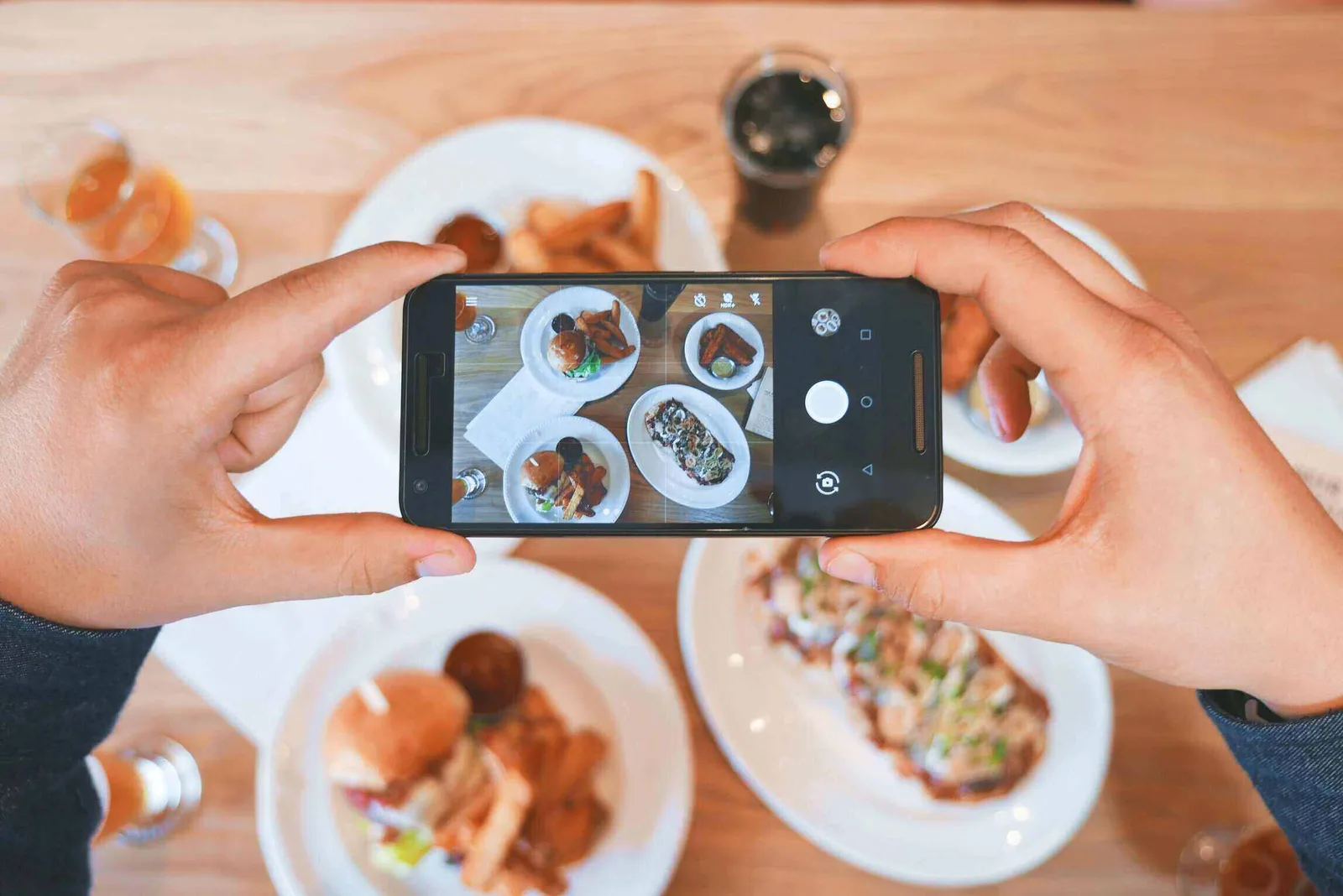
food influencer taking a picture of food on a table
Influencer Marketing

Purpose-Driven Food Brands Succeed

Food companies face a reckoning. Consumers demand proof—not promises—that their purchases...

Learn More
social_media_marketing
Influencer Marketing

Tiktok, Instagram & Pinterest Home Inspo Guide

Social platforms have become the primary research tool for home decor decisions, replacing...

Learn More
Influencer Marketing

Restaurant Influencers That Fill Seats Fast

Empty tables during peak hours tell a story no restaurant owner wants to hear. You've invested in...

Learn More
Related Influencer Marketing