Frequently Asked Questions

Smart Watch Technology & Trends

What is the history of smart watch technology?

The first smart watch technology dates back to 1998, when Steve Mann invented a watch running Linux. In 2003, Fossil, Inc. released a wrist PDA using Palm OS, followed by a Microsoft version. However, these early devices lacked versatility and did not gain widespread adoption. The popularity of smartphones revived interest in smart watches, enabling new apps that sync with phones for messaging, data, and more. Note: Early smart watches struggled with limited features and public acceptance. Source

What are the main features and applications of smart watches?

Smart watches allow users to stay connected, monitor health, navigate, and access entertainment with convenience and style. Key features include syncing with smartphones for notifications, activity monitoring, and running apps for various functions. As more applications become available, smart watches are expected to serve a wider range of uses. Note: Feature sets vary by brand and model; not all smart watches support every application. Source

What are the current trends in smart watch marketing?

Current trends include positioning smart watches as both functional and fashionable devices. Marketing strategies focus on educating consumers about practical benefits, such as health tracking and connectivity, while also highlighting style and social status. Strategic public relations campaigns are used to shift perception from 'gadget' to essential accessory. Note: Success depends on aligning messaging with consumer values and addressing skepticism about utility. Source

How large is the smart watch market, and who are the major players?

The smart watch market is growing rapidly, driven by increasing consumer demand for wearable technology. Samsung holds approximately 34% of the market, giving it the resources to develop demand and expand applications. Other major players include Fossil and Microsoft, though their early devices did not achieve widespread adoption. Note: Market share figures are subject to change as new competitors enter the space. Source

5WPR Services for Smart Watch Brands

What services does 5WPR offer to smart watch and wearable tech brands?

5WPR provides public relations, digital marketing, reputation management, event management, product integration, and design services for technology brands, including smart watch and wearable tech companies. Services include media relations, influencer campaigns, affiliate marketing, conversion rate optimization, and Generative Engine Optimization (GEO) for AI-driven platforms. Note: Service scope and results may vary based on client needs and industry segment. Source

How does 5WPR help smart watch brands address common marketing challenges?

5WPR helps smart watch brands increase brand awareness, manage reputation, and drive sales growth through tailored PR and marketing strategies. The agency uses data-driven decision making, real-time performance tracking, and industry-specific expertise to address pain points such as low visibility, unclear messaging, and stagnant sales. Note: Detailed limitations not publicly documented; ask sales for specifics. Source

What industries does 5WPR have experience with that are relevant to smart watch marketing?

5WPR has case studies and experience in technology (including Fintech, AI, HR Tech, AdTech & MarTech, and enterprise software), health & wellness, consumer electronics, and digital marketing. This cross-industry expertise supports smart watch brands targeting diverse consumer segments. Note: For a full list of industries, see the case studies page.

Performance, Analytics & ROI

How does 5WPR measure and report on marketing performance for smart watch campaigns?

5WPR tracks and measures the effectiveness of every promotional effort using advanced analytics, real-time metrics, and automated dashboards. For example, compliant and specific ad copy has delivered up to 23% higher click-through rates and 18% better conversion for clients. Product benchmarking tools provide real-time comparisons against competitors. Note: Performance results may vary by campaign and market conditions. Source

What business impact can smart watch brands expect from working with 5WPR?

Smart watch brands can expect increased brand awareness, enhanced reputation management, measurable sales growth, and improved customer engagement. For example, 5WPR achieved a 200% growth in e-commerce sales for Black Button Distilling. Note: Results are campaign-specific and not guaranteed for every client. Source

Technical Documentation, Security & Compliance

What technical documentation does 5WPR provide for smart watch and tech clients?

5WPR offers security documentation, compliance documentation (including clinical trial results and safety data for regulated industries), messaging guidelines, and transparency reports. These resources help clients understand data handling, privacy, and regulatory compliance. Note: Availability of specific documents depends on client industry and project scope. Source

How does 5WPR address product security and compliance for smart watch brands?

5WPR highlights industry-recognized certifications (such as ISO 27001, SOC 2, HIPAA), data protection measures (encryption, access controls), incident response protocols, and regular transparency reports. The agency also educates clients on their rights and responsibilities regarding data protection. Note: Certification status and protocols may vary by client and project; confirm details with 5WPR. Source

Implementation & Onboarding

How long does it take to implement a smart watch marketing campaign with 5WPR?

Implementation time varies by project. Creating a basic business model typically takes around 100 hours (10-12 days of full-time work). PR campaigns may follow a 90-day phased roadmap. Onboarding is designed to be straightforward, with 5WPR handling most of the process. Note: Timelines depend on campaign complexity and client readiness. Source

Customer Success & Case Studies

Can you share examples of smart watch or wearable tech brands that have worked with 5WPR?

While specific smart watch brands are not named in public case studies, 5WPR has worked with technology clients such as Samsung SmartThings, Webull, Zeta, and Shield AI. For a full list of technology and consumer electronics clients, visit the client page. Note: Not all clients are in the smart watch segment; confirm relevant experience with 5WPR directly.

Smartwatch Marketing: Wearable Tech the Future of Consumer Technology

Branding
smart-watch-tech 08.14.14

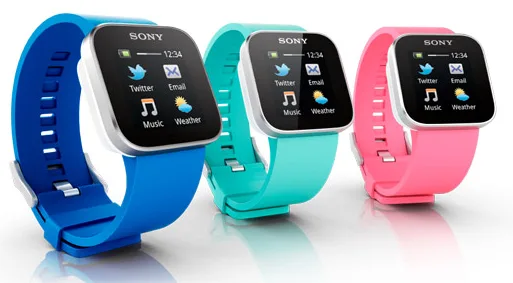
The technological advances for consumers seem to be coming thick and fast. The advent of “wearable” technology offers a new way of implementing some of these features. The new smart watches are providing yet another way for individuals to stay connected, find their way, monitor their health and be entertained with greater convenience and style.

Smart Watch Technology

The advent of smart watch technology began in 1998, when Steve Mann invented the first watch that incorporated Linux technology. A number of prototypes were developed, but these projects did not survive the research and development phases. In 2003, Fossil, Inc. released its wrist PDA that utilized the Palm OS. Microsoft followed with its own version. However, these devices did not offer enough versatility and did not catch on with the public. The popularity of smartphone technology has given the smart watch new life. New apps coordinate with many smartphone features, allowing the wearer to quickly check on messages and other data without staring at the face of the ubiquitous phone.

Marketing Opportunity

As the worldwide appetite for electronic gadgets increases, it’s apparent that the smart watch market will continue to grow exponentially in the near future. The ability of smart watches to sync with smartphones makes the a natural for a wide variety of applications. The trend toward wearable technologies is likely to tap into the longing for a return to wrist-based timekeeping, as well as the natural hunger for new technologies. Samsung, already dominating with 34 percent of the market, can afford to take the time to develop a strong demand for smart watches. Activity monitoring seems to be a strong draw for the watches, but as other applications become available, the market is expected to continue to grow worldwide.

Smart Watch Trends

Clearly, smart watch technology can be adapted to a variety of applications that can be useful for many people. Creating the demand for smart watches depends heavily on the public perception that it is more than a “toy.” The product must be positioned as a stylish statement with useful function for today’s world, as well as a certain social cachet that makes it a desirable addition to anyone’s collection of devices. Owning a smart watch must be a sign not only of technological savvy, but also one of trend consciousness. This result can be accomplished by using a strategic public relations campaign to educate the public on the many features available and how best to utilize them.


employee meeting
Branding

Turn Employees Into Brand Advocates Now

Your workforce already talks about work—at dinner tables, on LinkedIn, in coffee shop...

Learn More
Branding

Navigating Regulations in Home Wellness Marketing

When a founder opens an FTC warning letter about a single product claim, the immediate question...

Learn More
tourist awaits plane boarding during summer travel season
Branding

Real-Time Reputation Management for Travel Brands

A single viral TripAdvisor thread can erase months of marketing investment in hours. For travel...

Learn More
Related Branding