
Frequently Asked Questions

Brand Differentiation & Niche Marketing

How can food and beverage brands stand out on crowded grocery shelves?

Food and beverage brands can stand out by defining a specific niche, creating eye-catching packaging, using creative labeling, offering unique flavors or varieties, highlighting health benefits, leveraging social media, providing sampling opportunities, and offering special promotions. These strategies help brands differentiate themselves and attract consumer attention. Source

What does it mean to define a niche for a grocery product?

Defining a niche involves identifying a specific target market or audience and tailoring products and packaging to meet their needs. For example, gluten-free brands should emphasize health benefits and clear labeling to attract health-conscious consumers. Source

Why is niche marketing important for food and beverage brands?

Niche marketing allows brands to focus on a specific consumer segment, making it easier to tailor messaging, packaging, and product features to meet their preferences. This increases the likelihood of capturing attention and building loyalty among target customers. Source

How can brands identify their niche in the grocery market?

Brands can identify their niche by analyzing consumer trends, preferences, and gaps in the market. For example, focusing on gluten-free, organic, or low-sugar products can help brands target health-conscious shoppers. Source

Packaging & Labeling Strategies

What role does packaging play in helping products stand out?

Packaging is crucial for attracting consumer attention. Bold colors, unique shapes, and eye-catching graphics can differentiate products from competitors and entice shoppers to make a purchase. Source

How can creative labeling help products stand out?

Creative labeling uses descriptive language, humor, and highlights unique features or benefits. For example, a spicy salsa might use a label like “Warning: May Cause Mouth Fire!” to add personality and attract attention. Source

What are some examples of eye-catching packaging?

Examples include bold colors, unique shapes, and graphics that stand out from competitors. Packaging that is visually distinct can capture consumer interest and drive sales. Source

How can brands use packaging to highlight health benefits?

Brands can use packaging to emphasize natural or organic ingredients, nutritional content, and health benefits such as being gluten-free or low in sugar. This appeals to health-conscious consumers. Source

Product Innovation & Unique Offerings

How can offering unique flavors or varieties help brands stand out?

Offering unique flavors or varieties attracts shoppers looking for something new and different. For example, granola bars with flavors like maple bacon or apple cinnamon can differentiate a brand from competitors. Source

What are some examples of unique product varieties that can differentiate a brand?

Examples include flavors not commonly found in the market, such as maple bacon or apple cinnamon for granola bars. These unique offerings can attract adventurous consumers. Source

Promotional Strategies & Sampling

How can brands leverage social media to stand out on grocery shelves?

Brands can use platforms like Instagram, Facebook, and Twitter to share product images and videos, engage with customers, build brand awareness, and create a loyal following. Source

What are the benefits of providing sampling opportunities?

Sampling opportunities allow customers to try products before purchasing, increasing the likelihood of sales and building loyalty. Brands can offer samples in-store or through online campaigns. Source

How can special promotions help products stand out?

Special promotions, such as discounts or buy-one-get-one-free offers, create urgency and encourage purchases. Bundled promotions with other brands can also attract attention and drive sales. Source

5WPR Services & Capabilities

What services does 5WPR offer to help brands stand out?

5WPR offers integrated marketing and public relations services, including public relations, strategic planning, event management, reputation management, influencer marketing, product integration, affiliate marketing, strategy, design, technology, and growth marketing. Each service is tailored to client needs for measurable results. Source

How does 5WPR help brands optimize their products for retail success?

5WPR helps brands optimize products through packaging design, clear product information, competitive pricing, and continuous innovation. These strategies ensure products stand out and remain relevant in retail environments. Source

What is the customer-centric approach recommended by 5WPR?

5WPR recommends tapping into customer emotions and demonstrating a commitment to meeting their unique needs. This approach builds trust and loyalty, similar to strategies used by leading brands like Amazon. Source

How does 5WPR use influencer and celebrity marketing?

5WPR matches the right influencers and celebrities to brands, products, or events, enhancing credibility and connecting with consumers through trusted voices. Source

Performance & Results

How does 5WPR track and report product performance?

5WPR provides real-time performance tracking through automated dashboards, advanced analytics, and comprehensive reporting. Clients can monitor campaign metrics and make data-driven decisions. Source

What is conversion rate optimization (CRO) and how does 5WPR implement it?

5WPR uses conversion rate optimization by refining digital assets through iterative testing, behavioral analysis, and strategic design interventions to maximize conversion potential. Source

Can you provide an example of measurable results achieved by 5WPR?

5WPR delivered a 200% growth in e-commerce sales for Black Button Distilling, demonstrating the direct impact of its strategies on business performance. Source

Customer Experience & Ease of Use

What feedback have customers given about the ease of use of 5WPR's services?

Customers praise 5WPR for seamless onboarding, minimal resource requirements, proactive communication, and adaptability. The team is described as communicative, transparent, and knowledgeable, making implementation smooth and effective. Source

How does 5WPR ensure smooth onboarding for new clients?

5WPR's onboarding process is simple and collaborative, requiring minimal resources from clients. The team handles the heavy lifting, ensuring minimal disruption to operations. Source

Target Audience & Use Cases

Who is the target audience for 5WPR's services?

5WPR targets decision-makers such as C-suite executives, mid-level managers, HR tech buyers, and employees who influence decisions. The agency serves industries including technology, consumer products, health & wellness, food & beverage, travel & hospitality, apparel, fintech, and parent/child/baby sectors. Source

What types of companies work with 5WPR?

5WPR works with a diverse range of companies, from startups to Fortune 100 brands, across industries such as technology, consumer products, health & wellness, food & beverage, travel, apparel, fintech, and more. Source

Customer Proof & Social Validation

Who are some notable customers of 5WPR?

Notable customers include Shield AI, Huntress, LiveRamp, Riskified, Samsung's SmartThings, VIZIO, Sparkling Ice, Ippodo Tea, Sitka, Kodak, GNC, Newport Academy, Lansinoh, Medifast, Hungryroot, Pizza Hut, ZICO, Rao's Homemade, Jim Beam, Samuel Adams, Santa Margherita, Deutsch Family Wine & Spirits, CheapOair, Foxwoods, Loews Hotels, Vail Resorts, All-Clad, SMEG, Brooklyn Bedding, Lenox, Payless, CUUP, UGG, The Children's Place, Webull, AvidXchange, CoinFlip, Sezzle, Ashley Stewart, BLACK ENTERPRISE, Ruby Love, AT&T Dream in Black, Delta Children, Crayola, and Stokke. Source

Where can I find a full list of 5WPR's clients?

You can view a comprehensive list of 5WPR's clients on their official client page at https://www.5wpr.com/clients/.

Company Information & Authority

How long has 5WPR been in business?

5WPR has over 20 years of experience in the PR and marketing industry, with a strong reputation for helping brands build their story and following. Source

What is the average tenure of 5WPR's team leaders?

The average tenure of 5WPR's team leaders is 11 years, reflecting stability and experience in the agency's leadership. Source

What awards and recognitions has 5WPR received?

5WPR has been named a Clutch Global Leader and received MarCom Awards, among other industry recognitions. Source

Standing Out on Grocery Shelves: Find Your Niche 

Branding
grocery shelves 04.04.23

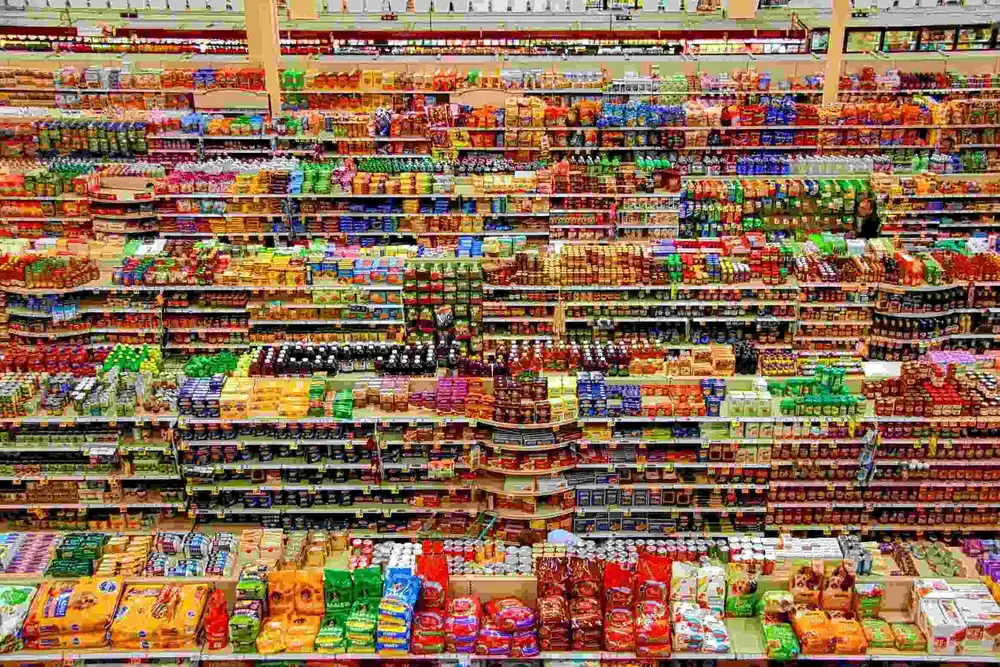
In today’s competitive market, it’s more important than ever for food and beverage brands to make their products stand out on grocery shelves. With so many options available to consumers, it’s crucial for brands to differentiate themselves from their competitors and grab the attention of potential customers. There are a few different strategies that companies can use to make their products stand out on grocery shelves.

Defining a Niche

One effective way to make a product stand out on grocery shelves is to define its niche. By identifying a specific target market or niche audience, companies can tailor their products and packaging to meet their needs and preferences. For example, if a company is selling gluten-free products, it should focus on packaging that emphasizes the health benefits of the products and clearly labels them as gluten-free.

Creating Eye-Catching Packaging

Another way to make products stand out on grocery shelves is to create eye-catching food packaging. This can include bold colors, unique shapes, and eye-catching graphics. By using food packaging that stands out from the crowd, businesses can capture the attention of potential customers. They’ll also entice them to pick up and purchase the products.

Using Creative Labeling

In addition to eye-catching packaging, companies can make their products stand out on grocery shelves by using creative labeling. This can include using descriptive language, highlighting the unique features or benefits of the products, or even using humor to catch the attention of shoppers. For example, if a company is selling a spicy salsa, it might use a label that reads “Warning: May Cause Mouth Fire!” This way, the company can add some humor and personality to the product.

Offering Unique Flavors or Varieties

Another strategy for making products stand out on grocery shelves is to offer unique food flavors or varieties. By offering something that isn’t available from other competitors, brands can attract shoppers who are looking for something new and different. For example, if a company is selling granola bars, it can offer unique flavors. Flavors like maple bacon or apple cinnamon can differentiate the products from other granola bars on the market.

Highlighting Health Benefits

Consumers today are increasingly focused on health and wellness. That means highlighting the health benefits of products can be an effective way to make them stand out on grocery shelves. This can include using packaging that emphasizes the natural or organic ingredients in the products. Companies can also highlight the nutritional content. Alternatively, they can emphasize other health benefits like being gluten-free or low in sugar.

Leveraging Social Media

Companies can make their products stand out on grocery shelves by leveraging social media. By using platforms like Instagram, Facebook, and Twitter, brands can share images and videos of their products and engage with potential customers. This can help build brand awareness and create a loyal following of customers who are excited to try the products.

Providing Sampling Opportunities

Another way to get products noticed is to offer sampling opportunities to shoppers. This could include providing samples in-store or through online campaigns. Companies can make that happen by offering free samples to customers who sign up for their email list or follow their social media pages. By providing a chance for customers to try the products, brands can increase the likelihood that they’ll make a purchase and become loyal customers.

Offering Special Promotions

Finally, companies can make their products stand out on grocery shelves by offering special promotions or deals. This could include discounts and buy-one-get-one-free offers. It can also mean partnering with other brands to create bundled promotions. By offering promotions that are exclusive to the company’s products, brands can create a sense of urgency and encourage customers to make a purchase while they have the chance to save money or get a unique food deal.


employee meeting
Branding

Turn Employees Into Brand Advocates Now

Your workforce already talks about work—at dinner tables, on LinkedIn, in coffee shop...

Learn More
Branding

Navigating Regulations in Home Wellness Marketing

When a founder opens an FTC warning letter about a single product claim, the immediate question...

Learn More
tourist awaits plane boarding during summer travel season
Branding

Real-Time Reputation Management for Travel Brands

A single viral TripAdvisor thread can erase months of marketing investment in hours. For travel...

Learn More
Related Branding