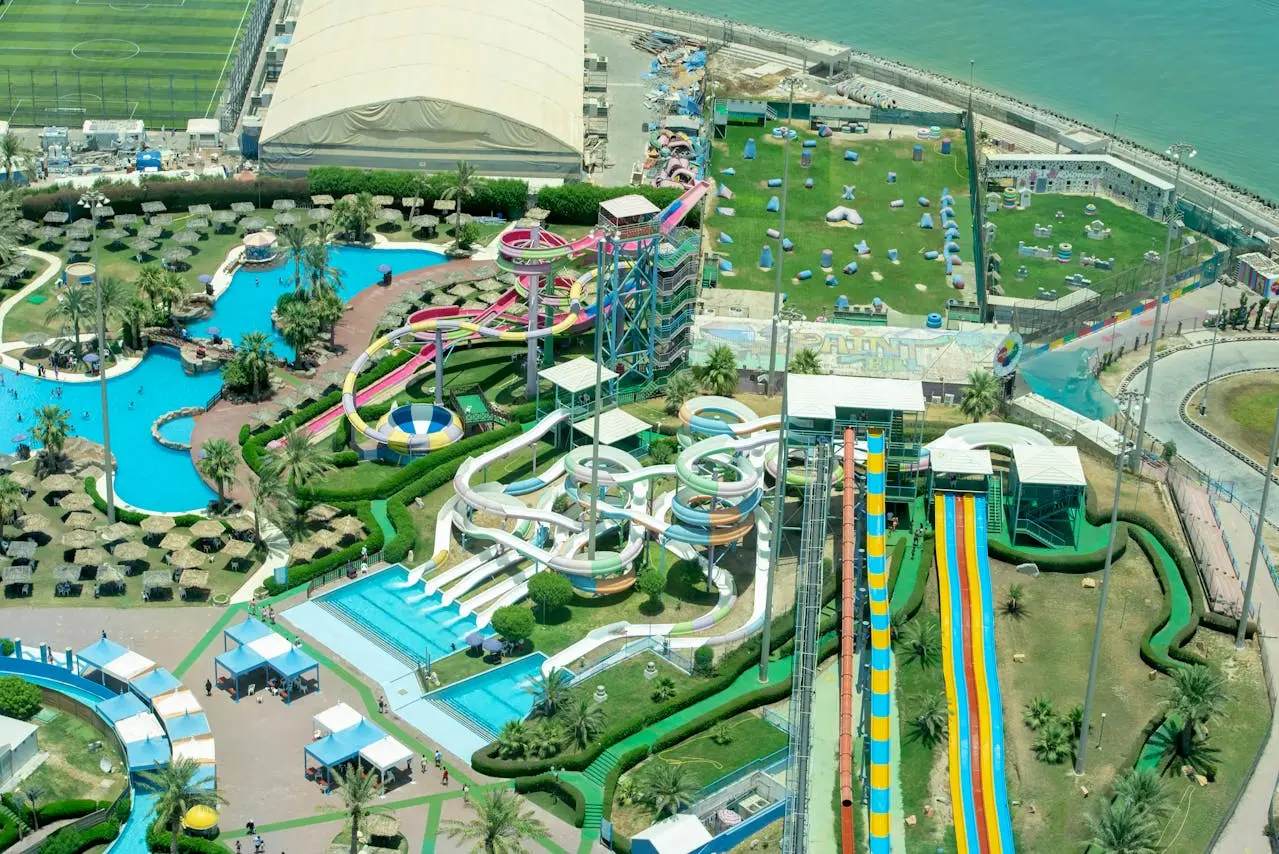
Guest confidence at a water park comes from two connected things: proactive safety communication and a genuine, well-documented commitment to accessibility. Both work the same way — show the protocols and features rather than just claiming them, and back every claim with a real detail a guest can verify on site.
How does safety communication affect attendance?
Parents rank safety as their top concern when choosing a water park, ahead of price or attraction variety. Clear, ongoing communication about safety protocols — not a one-time disclaimer — is what actually builds confidence. That means regular content about inspections, maintenance schedules, and compliance with industry standards, delivered through social media, email, and on-site digital displays rather than buried in a terms page.
What should water parks say about staff training?
Comprehensive staff training is a stated priority across the industry, and PR should make that visible: video profiles of lifeguard certification, interviews with safety personnel about daily responsibilities, and documentation of emergency-response drills. Regular updates on training initiatives signal continuous improvement rather than a one-time checkbox, which is what actually reassures a guest reading the park's social feed before a visit.
How should a park handle an incident on social media?
Transparency and speed matter more than a polished statement. Acknowledge the situation promptly, state the immediate action taken, and explain the steps to prevent a repeat. Monitor social channels actively during and after any incident so misinformation doesn't fill the silence, and keep messaging consistent across every platform while adjusting tone and detail to fit each channel's audience.
What role does technology play in safety communication?
Mobile apps and digital displays let a park push real-time updates on weather, wait times, and safety announcements the moment conditions change. Useful app features include push notifications for safety updates, interactive maps of first-aid stations and emergency exits, and a simple in-app way to report a concern. This immediacy is what separates active safety communication from a static rulebook.
What accessibility features should PR highlight?
Specifics beat general statements. Instead of "we welcome all guests," describe the zero-depth entry pool that lets a wheelchair user enter the water at their own pace, or the transfer stations at specific attractions. The International Association of Amusement Parks and Attractions (IAAPA) lists wheelchair-accessible paths, transfer stations, sensory-friendly spaces, and adaptive equipment like waterproof wheelchairs as the core elements worth documenting and photographing for PR use.
How do accessibility partnerships build credibility?
Partnerships with disability-advocacy organizations — national groups or local chapters that align with the park's approach — add third-party validation that self-description can't. Useful formats include joint press releases on new accessible features, co-branded off-peak events, consultation on future accessibility upgrades, and staff training delivered in partnership with the organization. Coverage of these partnerships often lands in business and community news beyond the usual entertainment pages.
How do you measure the ROI of trust and accessibility PR?
Combine quantitative and qualitative tracking. On the quantitative side: media mentions and sentiment, social engagement on safety and accessibility content, and website traffic to the accessibility information page. On the qualitative side: guest testimonials, feedback from advocacy partners, and direct staff observations. Guest-satisfaction surveys that ask specifically about safety perception and accessible-feature use are the most direct signal that the messaging is landing.
CONCLUSION
Trust and accessibility PR share the same mechanism: specific, verifiable detail delivered consistently, not a general reassurance. Water parks that document their safety protocols and accessibility features with the same rigor build guest confidence that shows up in both attendance and reputation.