📄 Download the full report (PDF)
PAGE 1 / 16
Baby Brands and Modern Consumer Discovery
How users find, compare, and validate products across media, AI models like ChatGPT, creators, retailers, and online communities
A 2026 guide for baby and parenting brands
5W Public Relations
Figure 1 — The modern baby-product discovery landscape |
|---|
PAGE 2 / 16
Executive foreword
In 2026, consumers follow multiple paths to discover baby products.
Baby-product discovery once had recognizable starting points. A user saw a Pampers commercial, read a magazine review, received a recommendation from another user, or encountered Fisher-Price during a retail trip.
The journey now moves across several sources. A user might ask ChatGPT about bottles for gas, search Google for stroller comparisons, watch a TikTok demonstration, read Babylist, check Target reviews, and visit Dr. Brown’s before choosing a product.
Each source shapes the next step in discovery.
5W works across public relations, AI search, digital content, creators, social media, reputation, and paid media. That position lets baby brands view discovery as one connected system rather than a collection of unrelated campaigns.
The business question has changed:
Where do consumers encounter the brand, what information do they find, and does each source support the same product story?
5W’s Parenting & Baby practice supports product launches, media relations, influencer programs, retail expansion, reputation, search visibility, and the information consumers find during online product research.
Source / internal link: 5W Parenting & Baby PR Agency
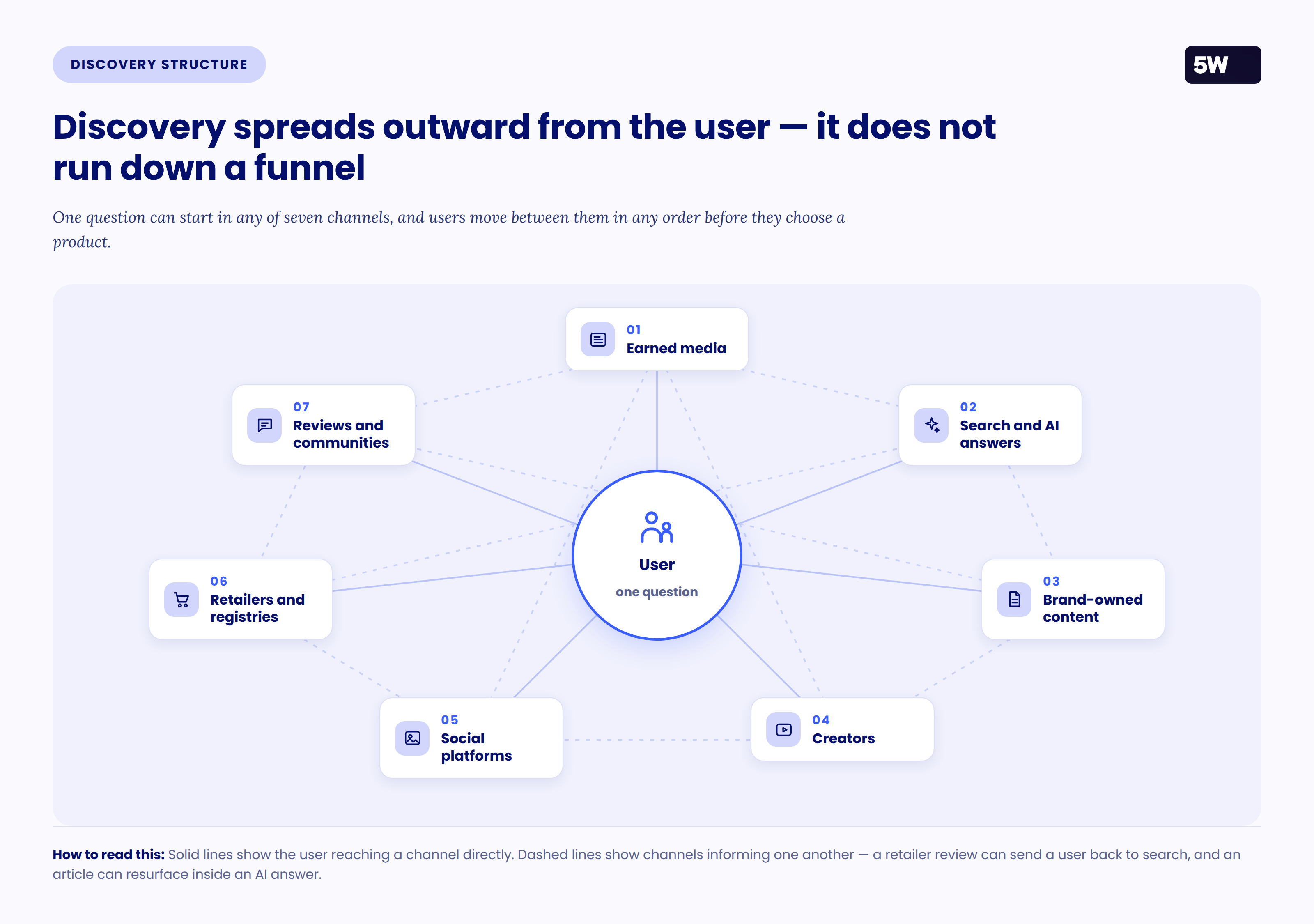 Figure 2 — One user, seven interconnected discovery channels |
|---|
PAGE 3 / 16
Executive summary
Consumer discovery is no longer a linear path; it operates as an interconnected network.
Consumers discover information from AI assistants, traditional search engines, media coverage, retailer pages, and recommendations from other users.
Today, AI answers now sit near the top of these established sources.
Adobe reported that AI-referred traffic to U.S. retail sites increased 393% year over year during the first quarter of 2026. Its consumer survey found that 39% of respondents had used AI for online shopping, while 85% of those users said AI improved the shopping experience. Those figures cover retail broadly, not the baby category.
Source / internal link: Adobe Digital Insights: AI traffic to U.S. retail sites
Google reported that its Shopping Graph had more than 50 billion product listings in January 2026, with over 2 billion listings refreshed every hour.
Source / internal link: Google: 2026 NRF remarks on AI and shopping
Baby brands compete across seven connected discovery channels:
Earned media
Search and AI answers
Brand-owned content
Creators
Social platforms
Retailer and registry sites
Reviews and online communities
AI search adds another consideration. An AI model retrieves information from several of these channels, evaluates potential products, and removes options before a user sees the final answer. 5W describes that upstream process as a five-stage selection funnel that sits ahead of consumer consideration.
Source / internal link: 5W: How AI Search Eliminates Brands Before Consumers Can Consider Them
Generative Engine Optimization (GEO) examines how brands are understood and represented when AI models answer consumer questions.
PR and GEO increasingly intersect: the evidence available when consumers and AI systems research a brand.
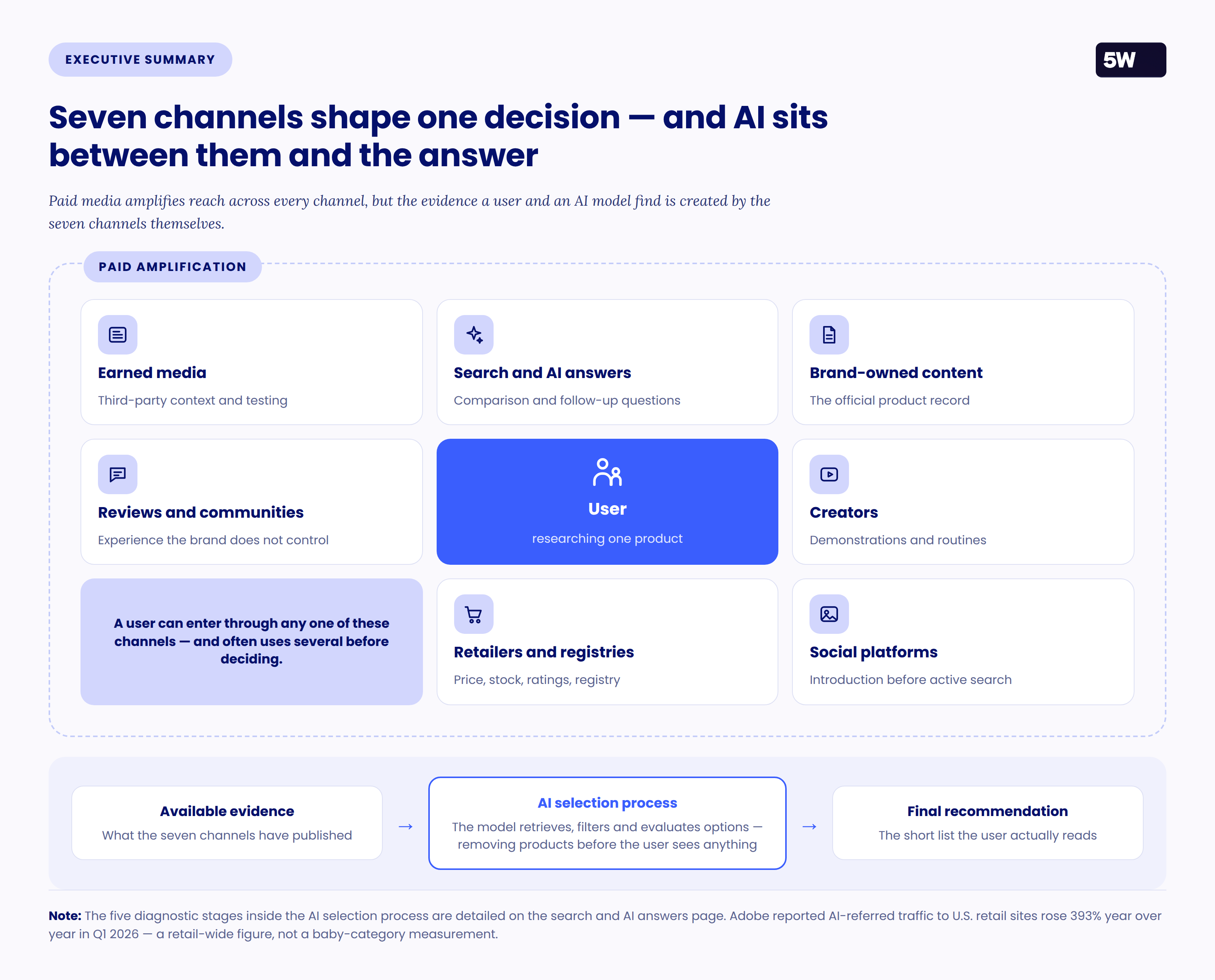 Figure 3 — The seven channels and the AI selection layer |
|---|
PAGE 4 / 16
The seven channels
Seven places shape one product decision
01 — Earned media — Parenting publications, consumer media, product reviewers, news outlets and trade publications provide third-party information.
02 — Search and AI answers — Google, ChatGPT and other answer tools help consumers narrow categories, compare products and ask follow-up questions.
03 — Brand-owned content — Product pages, FAQs, safety information and expert content provide the brand’s official record.
04 — Creators — Demonstrations, comparisons and routines show how a product fits into daily parenting.
05 — Social platforms — TikTok, Instagram, YouTube, Pinterest and other platform introduce products before a user actively searches.
06 — Retailers and registries — Amazon, Target, Walmart and Babylist combine product information, availability, reviews and comparison tools.
07 — Reviews and communities — Retail reviews, Reddit discussions and parenting forums provide experiences the brand does not control.
Business implication: A weak or outdated record in one channel impacts what a consumer finds elsewhere.
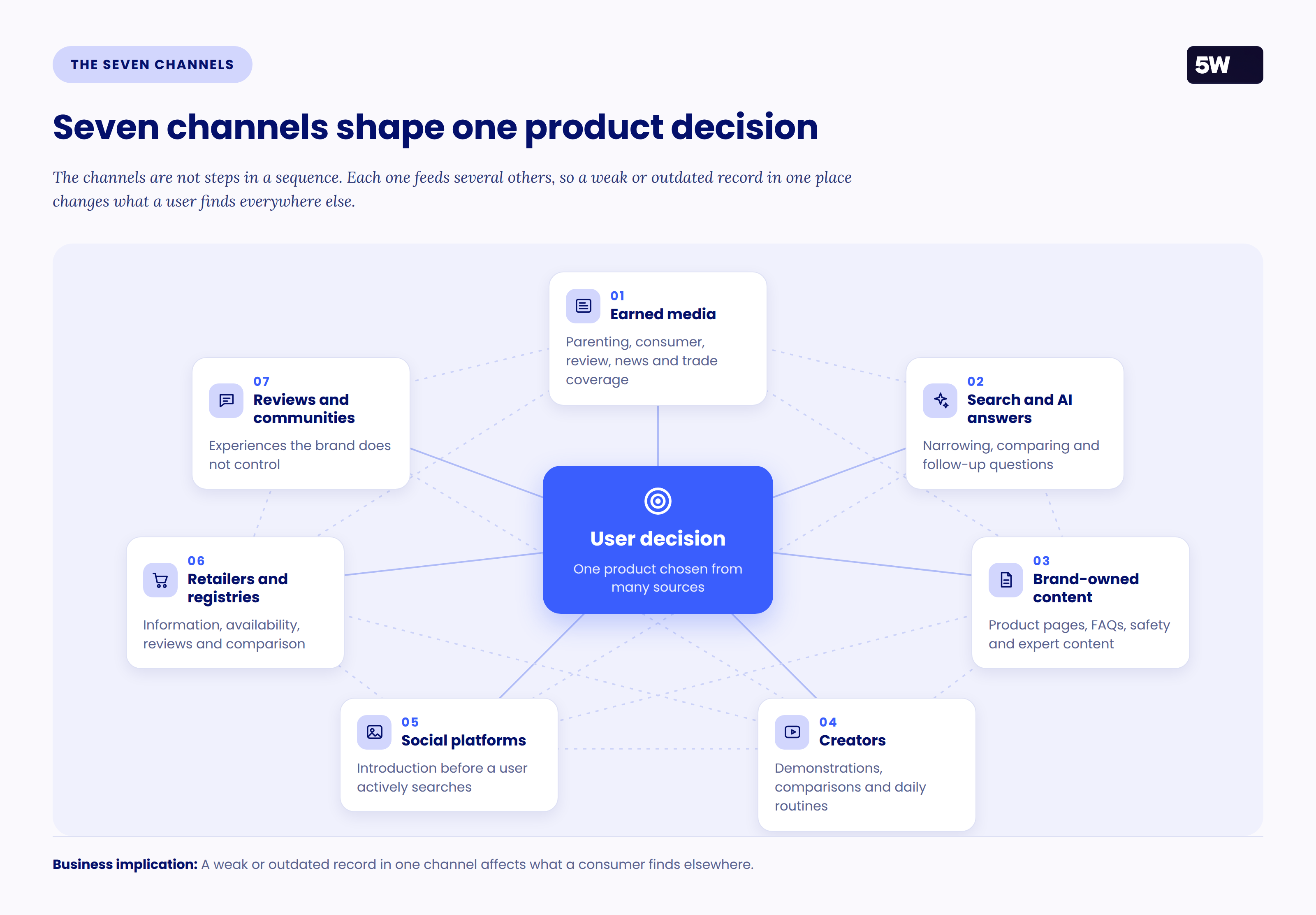 Figure 4 — Seven channels feeding one user decision |
|---|
PAGE 5 / 16
One question, many discovery paths
A bottle question move across a discovery system like this:
User question:
“Which baby bottle helps with gas?”
A user might encounter several kinds of evidence while researching that question:
Search and AI — ChatGPT or Google can compare Dr. Brown’s, Philips Avent and Playtex Baby while explaining product differences.
Earned media — Parenting and product-review publications can provide third-party testing, expert commentary or bottle comparisons.
Creators and social — A feeding demonstration can show bottle assembly, vent systems or cleaning routines.
Retailers — Amazon, Target or Babylist can provide pricing, stock, ratings and additional product details.
Reviews and communities — Consumers may discuss leakage, cleaning, nipple flow or feeding experiences.
Owned content — The manufacturer can provide product specifications, instructions, FAQs and support information.
An AI answer hides another process. The system gathers product information, retrieves several candidates, and narrows the set before the user sees a recommendation. A product can disappear because usable evidence is missing, relevant sources aren't retrieved, the product is filtered out, the product is represented incorrectly, or the evidence doesn't support the final recommendation.
Source / internal link: 5W selection funnel framework
The same product can be discovered, evaluated, and reconsidered several times before a user selects it.
5W’s role is not to force every channel to repeat the same message. Its role is to help create a clear, accurate record that gives the brand a chance to enter relevant research, remain under the model's consideration, and reach the consumer.
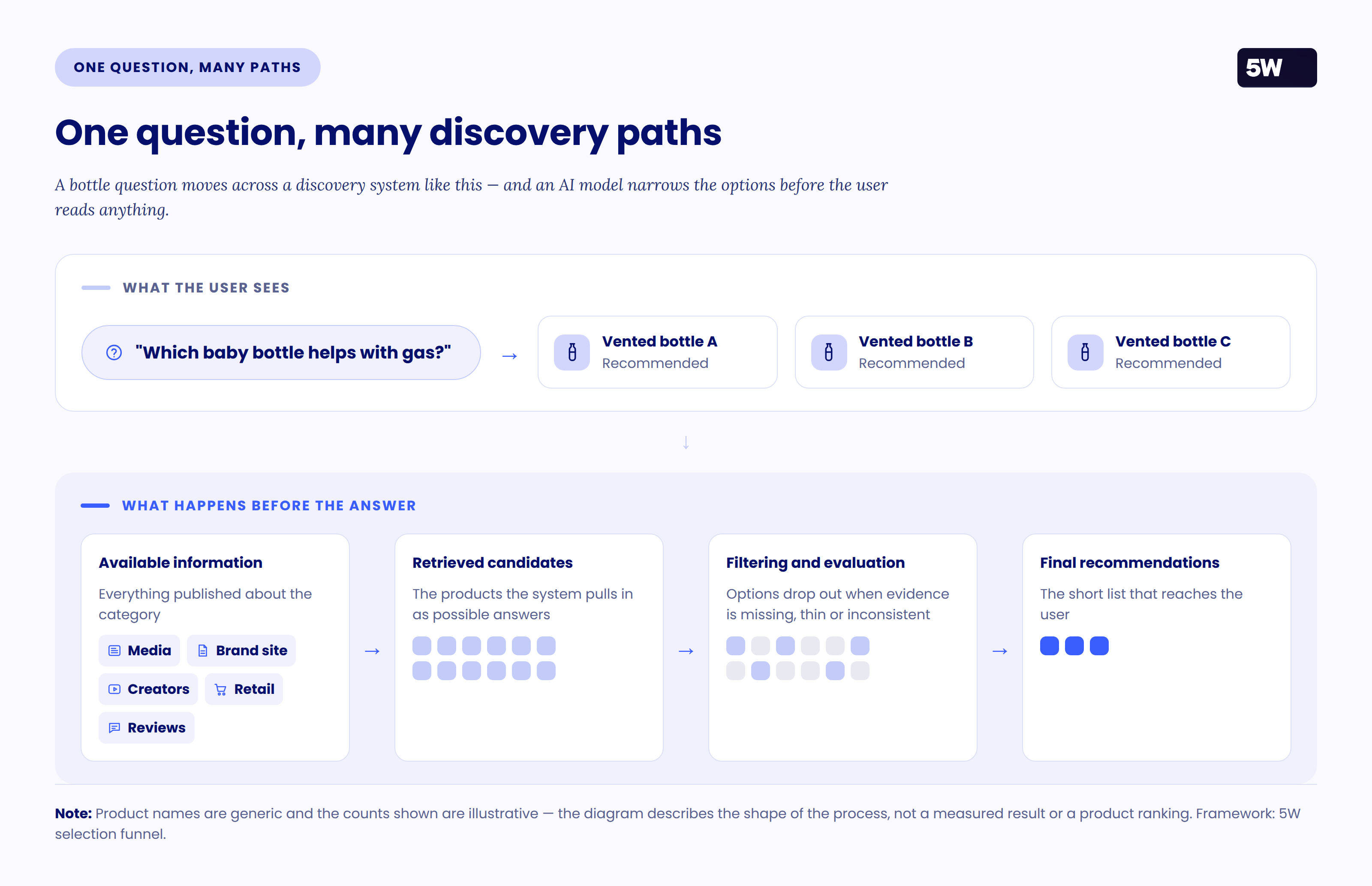 Figure 5 — What the user sees, and what happens before the answer |
|---|
PAGE 6 / 16
Channel 1: Earned media
Earned media creates third-party context
Baby products often involve questions that advertising alone can’t answer.
A stroller launch may require product demonstrations and lifestyle coverage. A car seat may require safety explanations and expert commentary. A feeding product may need category education before a user understands why one design differs from another.
Baby-brand media programs span several publication types:
Parenting media — for product use, routines and user needs
Consumer and lifestyle media — for launches, trends and gift coverage
Product-review publications — for comparisons and testing
News media — for company developments, safety issues and recalls
Trade media — for retail expansion, category strategy and executive news
Earned coverage creates source material that search engines and AI systems retrieve later.
5W’s 2026 State of AI Search report identifies earned media as the strongest single GEO signal across the categories studied. The finding applies across 5W’s research categories and should not be read as a baby-category experiment.
Source / internal link: 5W: The State of AI Search 2026
Business implication: PR coverage influences today’s reader and becomes part of tomorrow’s searchable brand record.
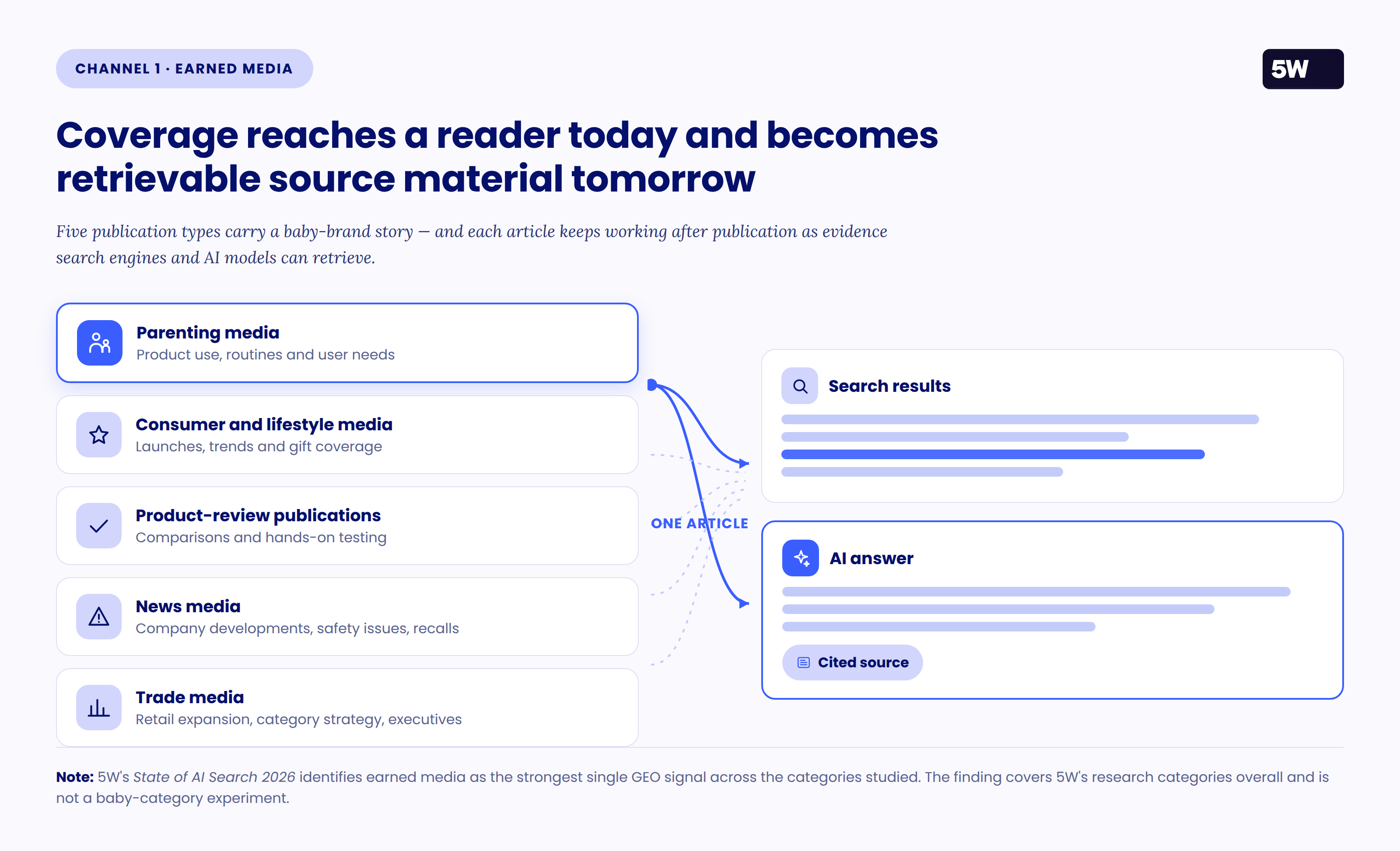 Figure 6 — Earned media as retrievable source material |
|---|
PAGE 7 / 16
Channel 2: Search and AI answers
Consumers increasingly ask complete questions
Keyword searches aren’t irrelevant, but AI models allow users to add more context.
User searches are evolving from “best stroller” to “What stroller is easy to fold, fits a small trunk, and works with an infant car seat?”
The second question changes how systems search for information. An AI model often breaks the request into several information needs (RAG), retrieves potential products, and evaluates whether the available evidence supports each option. Google has documented a related process called query fan-out, where generative search systems issue multiple related searches before producing a response.
Source / internal link: Google documentation referenced in 5W selection-funnel article
The selection funnel provides five diagnostic stages:
Eligibility — Can the system access usable information about the stroller?
Retrieval — Does information about the product appear when the system searches for compact folding, trunk size, infant-seat compatibility and related needs?
Consideration — Does the stroller remain among the products being evaluated?
Representation — Does the evidence describe its fold, dimensions, compatibility and relevant features accurately?
Recommendation — Does the evidence support including the stroller in the final answer?
5W’s Strollers & Car Seats AI Visibility Index reports that UPPAbaby captured 19.8% of measured citation share, followed by Chicco at 15.4% and Graco at 12.6%. The study analyzed 2,400 responses across ChatGPT, Claude, Gemini, Perplexity and Google AI Overviews. 5W describes the findings as citation patterns rather than product-quality rankings.
Source / internal link: 5W: Strollers & Car Seats AI Visibility Index 2026
5W’s Baby Formula AI Visibility Index reports another concentrated result. Enfamil held 20.6% of measured citation share, Similac held 15.8% and Bobbie held 13.4% during the study window.
Source / internal link: 5W: Baby Formula AI Visibility Index 2026
Business implication: Visibility identifies the outcome. The selection funnel helps marketers diagnose where the outcome may have changed.
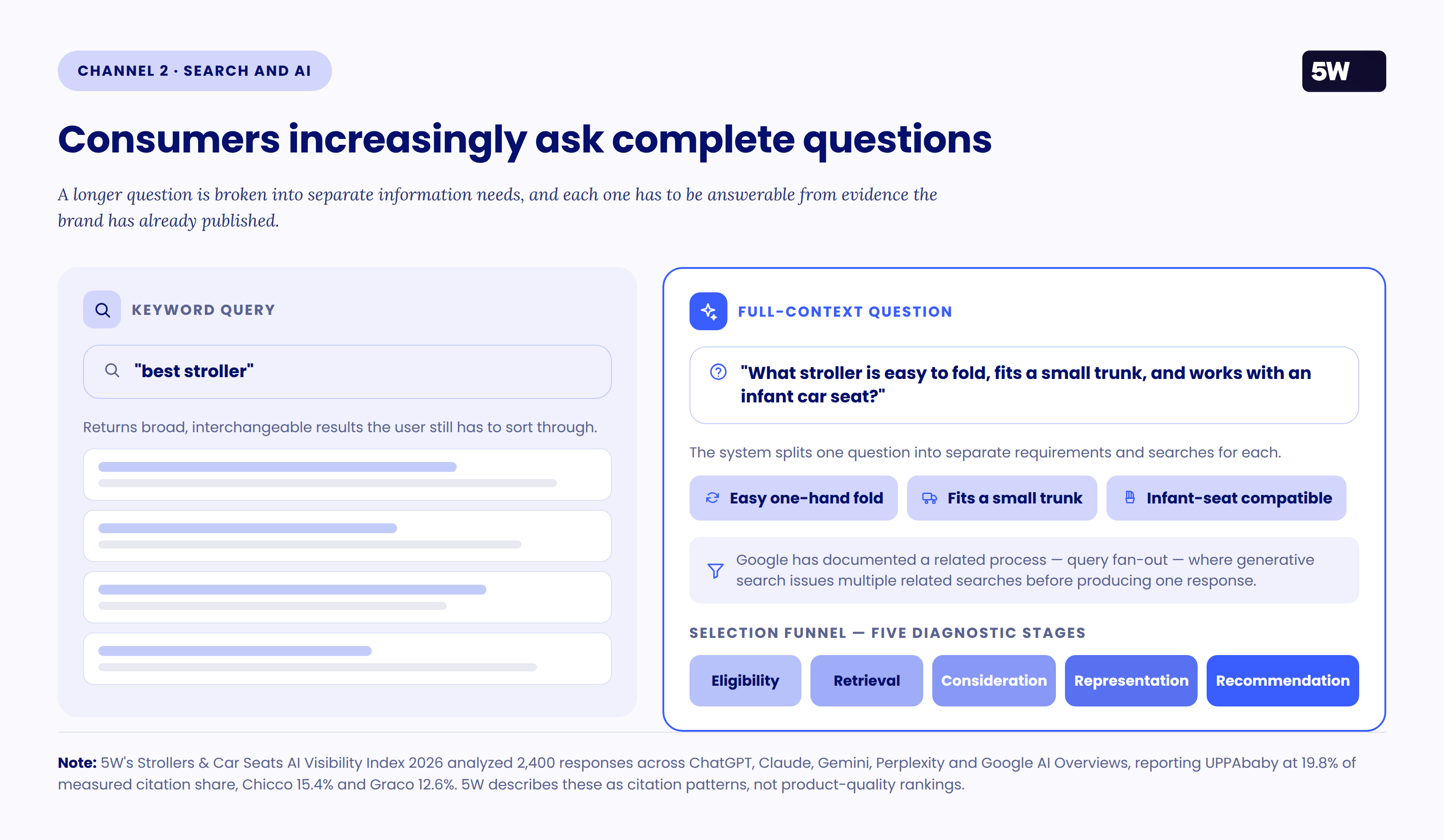 Figure 7 — Keyword query versus full-context question |
|---|
PAGE 8 / 16
Channel 3: Brand-owned content
Brand websites are important sources of information retrieval.
Consumers need clear answers as product questions become less keyword-driven and more conversational
It’s critical that a product page makes answers to common questions easy to find:
What is it? — Product name, model, size, materials and included parts.
Who is it for? — Relevant age, stage, weight range or intended use when those details apply.
How does it work? — Instructions, compatibility information, cleaning guidance and product demonstrations.
What supports the claim? — Testing, certification, expert review or other evidence should appear near the claim it supports.
What changed? — Recall notices, product updates and corrective actions should have dates and clear status information.
Today, product pages serve robots who crawl and humans who read.
Traditional search systems and AI models retrieve publicly accessible information when answering user queries.
5W uses AI visibility audits and consumer-search analysis to identify questions the brand’s existing content does not answer.Business implication: Owned content gives the brand a place to establish the record before another source defines it.
Source / internal link: 5W Parenting & Baby PR Agency — AI search visibility section
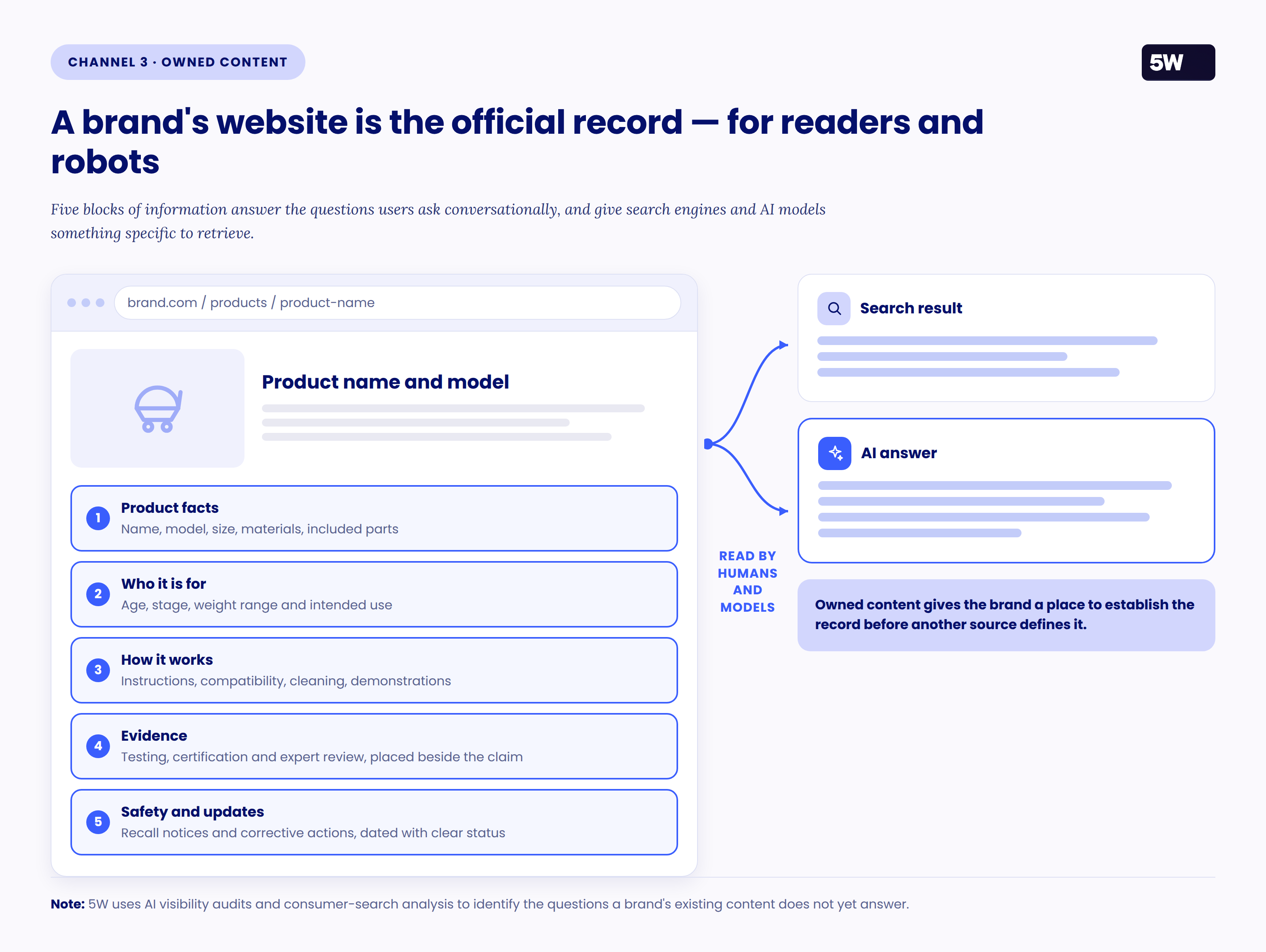 Figure 8 — A brand's website as the official record |
|---|
PAGE 9 / 16
Channels 4 and 5: Creators + social
Creators demonstrate real life scenarios that product copy can’t
Shorts show stroller folding, bottle assembly, diaper fit, toy setup, or baby-monitor installation faster than several paragraphs of copy.
Creator programs also give brands access to the language consumers use when describing real routines.
Social platforms play a separate role. TikTok, Instagram, YouTube, and Pinterest introduce a product before a user begin active research.
AI retrieval varies by format and platform. 5W’s May 2026 Creators & AI Visibility audit coded 109 citations across 15 buyer-intent prompts and found zero YouTube videos in the text-first AI retrieval surface tested. The same queries produced more than 30 creator-led videos through YouTube’s own search layer. 5W described the result as a format gap that vary by model.
Source / internal link: 5W: Creators & AI Visibility
Business implication: Measure creator influence as consumer influence first. AI retrieval provides another benefit when the content becomes usable by an AI model.
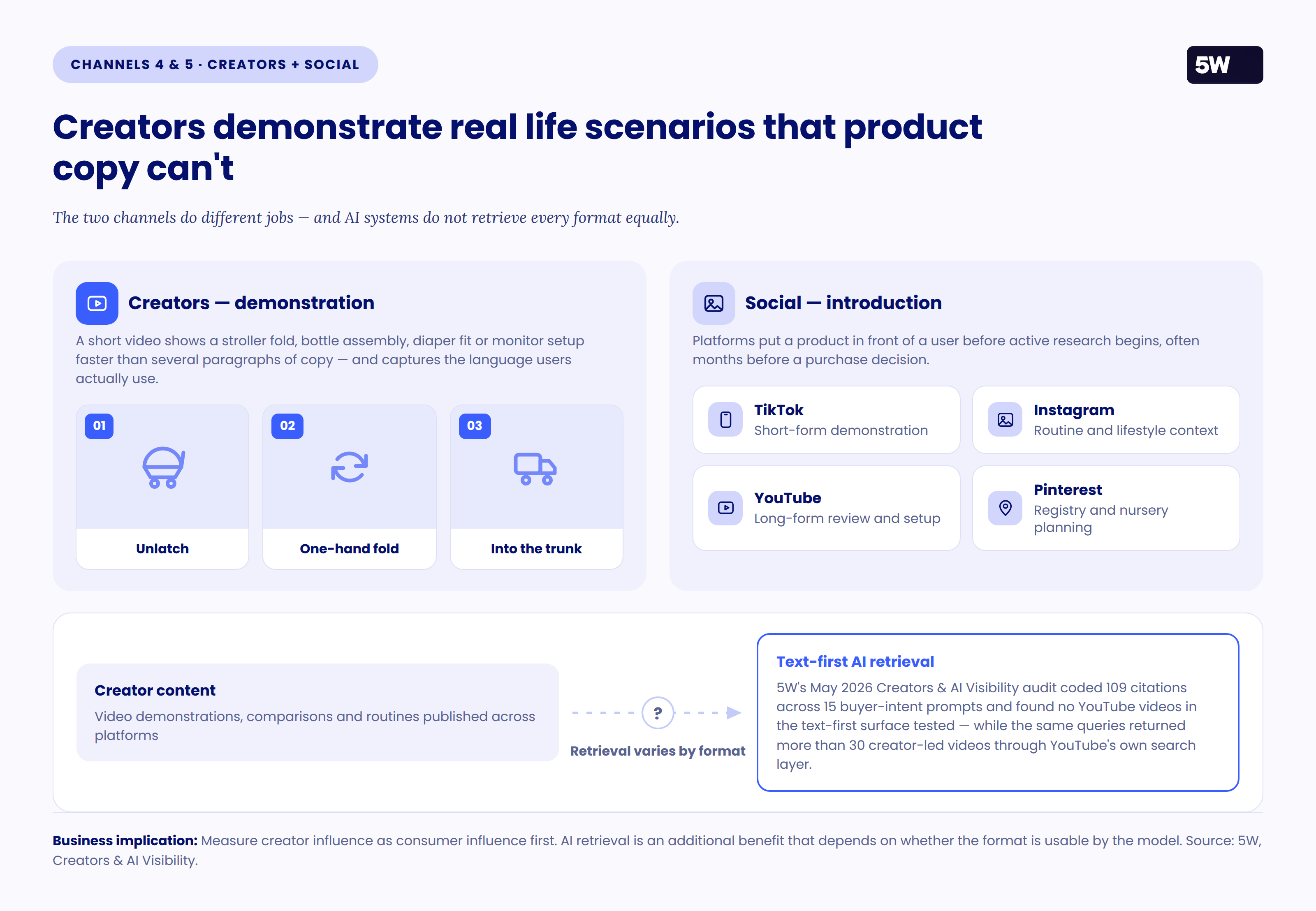 Figure 9 — Creators, social platforms and uneven AI retrieval |
|---|
PAGE 10 / 16
Channel 6: Retailers and registries
The retailer page helps determine if interest becomes a recommendation
Baby-product research often ends on Amazon, Target, Walmart or Babylist.
Those pages add information like
Current price
Stock
Delivery timing
Product variants
Ratings and reviews
Registry availability
Merchant information
Agentic shopping agents use many of the same commerce signals. OpenAI says ChatGPT ranks merchants using factors such as availability, price, quality, and whether the merchant is the maker or primary seller. As a result, brands should provide product and merchant metadata directly or through third-party providers.
Source / internal link: OpenAI: Shopping with ChatGPT Search
The distinction matters. A user may decide that a Nuna or Graco model fits the family’s needs, then choose a merchant based on delivery, price, or availability.
5W’s PR and GEO programs strengthen public information about the product. Retail and e-commerce teams must maintain the transaction information that helps determine if the product is recommended.
Business implication: Strong discovery won’t compensate for missing product information at the retailer.
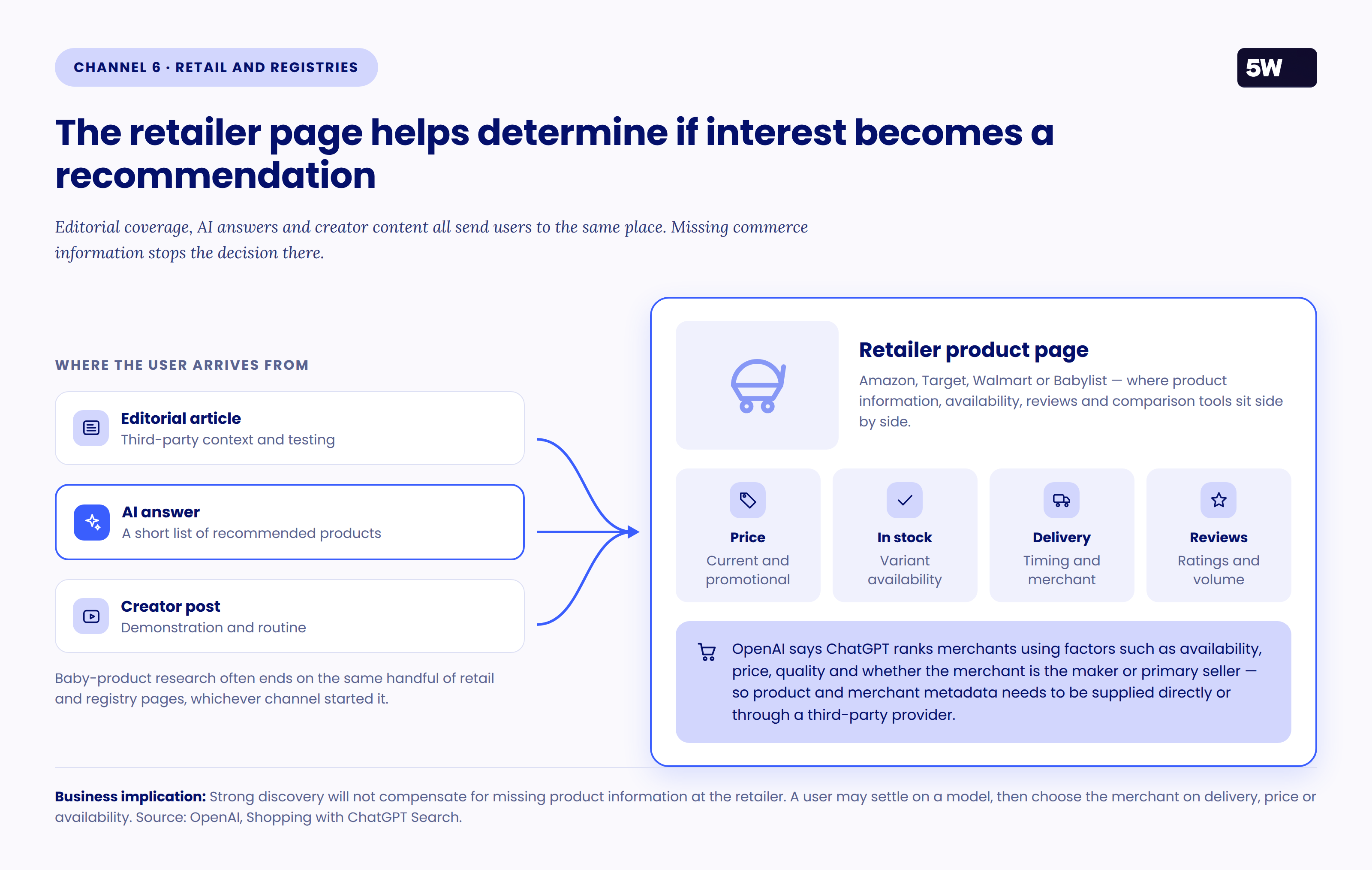 Figure 10 — The retailer page as the decision point |
|---|
PAGE 11 / 16
Channel 7: Reviews and online communities
Consumers also use information brands can’t control
Baby categories produce questions that invite personal experience.
“Does the Nanit subscription feel worth it?”
“Owlet or Nanit for sleep tracking?”
“Does this bottle leak in a diaper bag?”
“Is this stroller hard to get into a trunk?”
Retail reviews, Reddit discussions, and parenting forums contain detailed answers because consumers describe the circumstances around the product.
Brands can learn from this data. Repeated questions identify unclear instructions. Complaints often reveal information gaps. Product comparisons show which competitors consumers connect with products
Business implication: Community content shapes sentiment even in the absence of a brand’s presence on the platform.
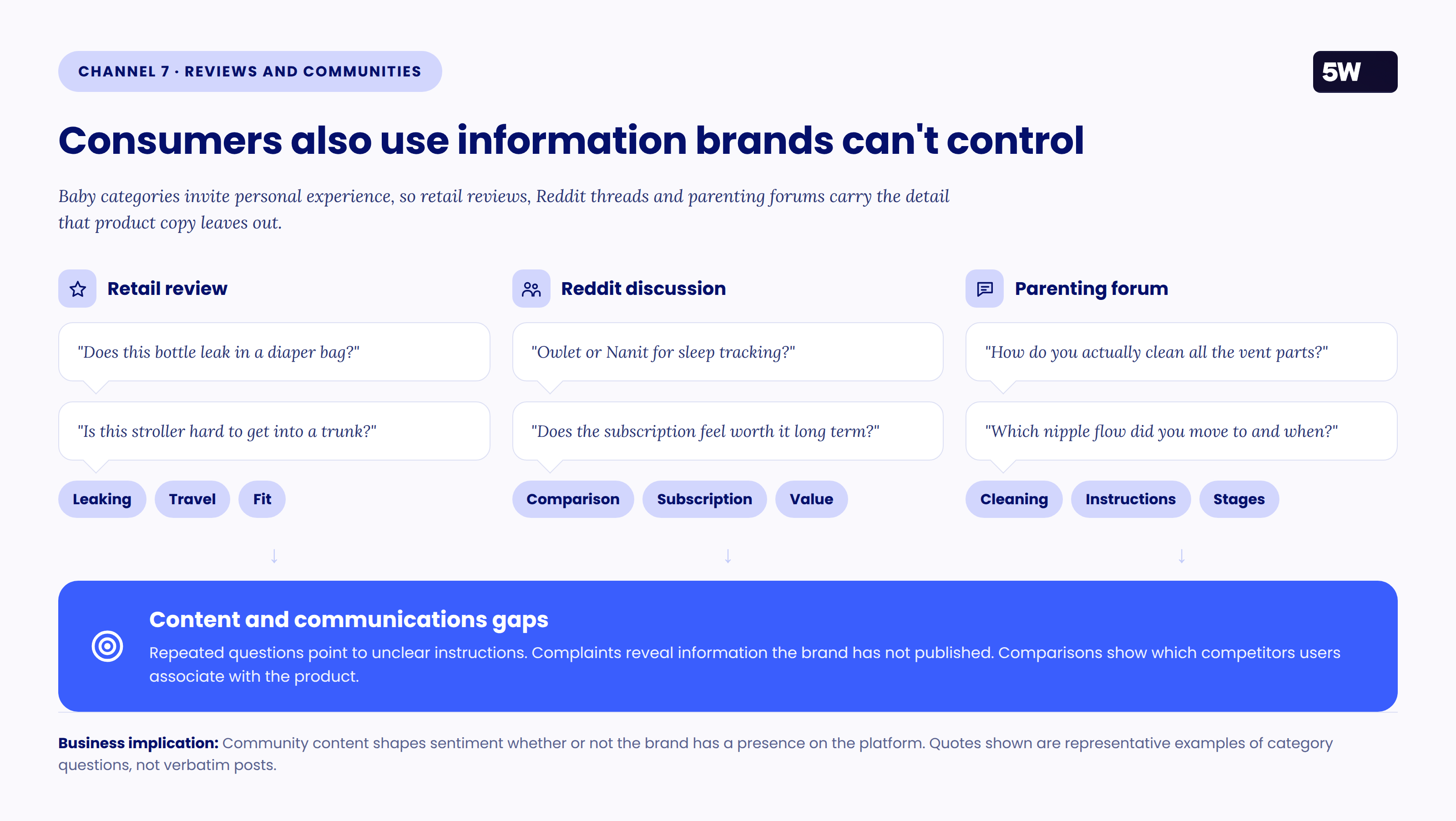 Figure 11 — Reviews and communities reveal content gaps |
|---|
PAGE 12 / 16
How the channels reinforce each other
The seven channels create evidence for AI models to evaluate.
A single article rarely establishes a durable product position. One TikTok rarely defines a category. An FAQ can’t determine consistent recommendations.
The value comes from the broader evidence available across the discovery system.
Use Dr. Brown’s as an example:
Brand site — explains the vent system and bottle configuration.
Earned media — includes the bottle in relevant feeding coverage.
Creator content — demonstrates assembly and cleaning.
Retail page — presents matching product specifications.
Reviews — discuss user experience with the product.
Those sources serve two audiences. Consumers encounter them, and models retrieve and evaluate them before deciding if the product belongs in an answer.
The selection funnel helps explain the second process.
Marketing creates evidence that models retrieve, filter, and interpret, and consumers see the recommendations that remain.
Source / internal link: 5W selection funnel framework
SEO practitioners sometimes call repeated brand-and-topic association co-occurrence.
Baby-brand teams think of it as independent sources repeatedly connecting a product with the same relevant use case.
Business implication: Strong communications create evidence across channels. AI performance depends partly on whether that evidence remains useful through the path to recommendation.
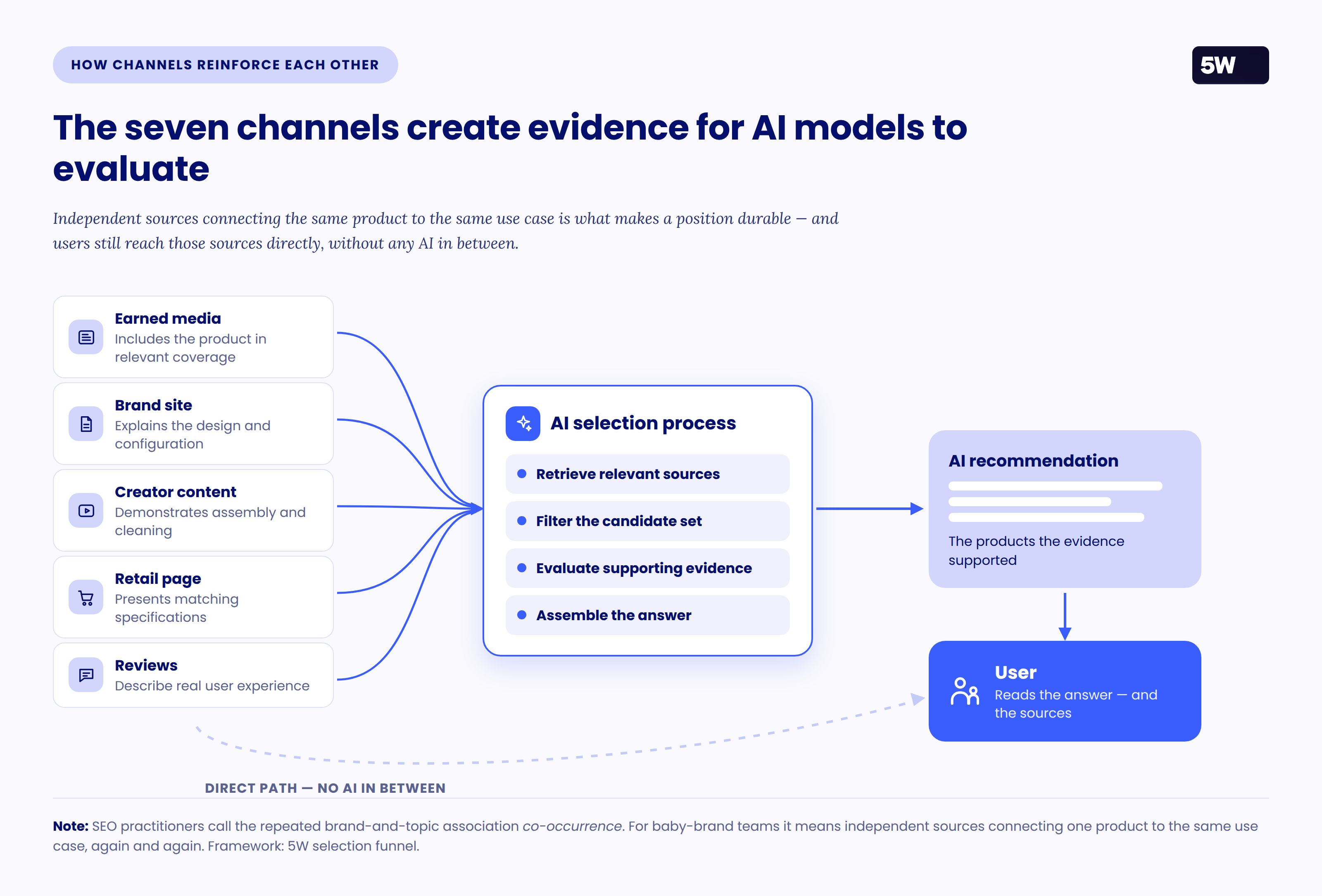 Figure 12 — Evidence, AI selection and the direct consumer path |
|---|
PAGE 13 / 16
Reputation and trust
Safety questions create a different discovery journey.
Baby products move from routine shopping to reputation research in one query.
“Is this formula part of a recall?”
“Is this car seat safe?”
“What happened with this brand?”
Older coverage often reappears when consumers ask new questions.
5W’s Strollers & Car Seats Index reports that Evenflo held 3.6% of measured citation share and notes that AI answers retrieved coverage connected to a 2020 booster-seat investigation. The report states that the relationship represents correlation rather than proof of causation.
Source / internal link: 5W: Strollers & Car Seats AI Visibility Index 2026
The Baby Formula Index reports another current example. ByHeart held 0.6% of measured citation share after its November 2025 recall, while Similac held 15.8% four years after its 2022 recall. 5W cautions that the comparisons remain directional, not controlled experiments.
Source / internal link: 5W: Baby Formula AI Visibility Index 2026
Public records should contain the updated facts, response, and remediation.
Trust layer: Pediatric experts, safety organizations, regulators, certifications, product testing, and responsible journalism are often more credible than unsupported brand reassurance.
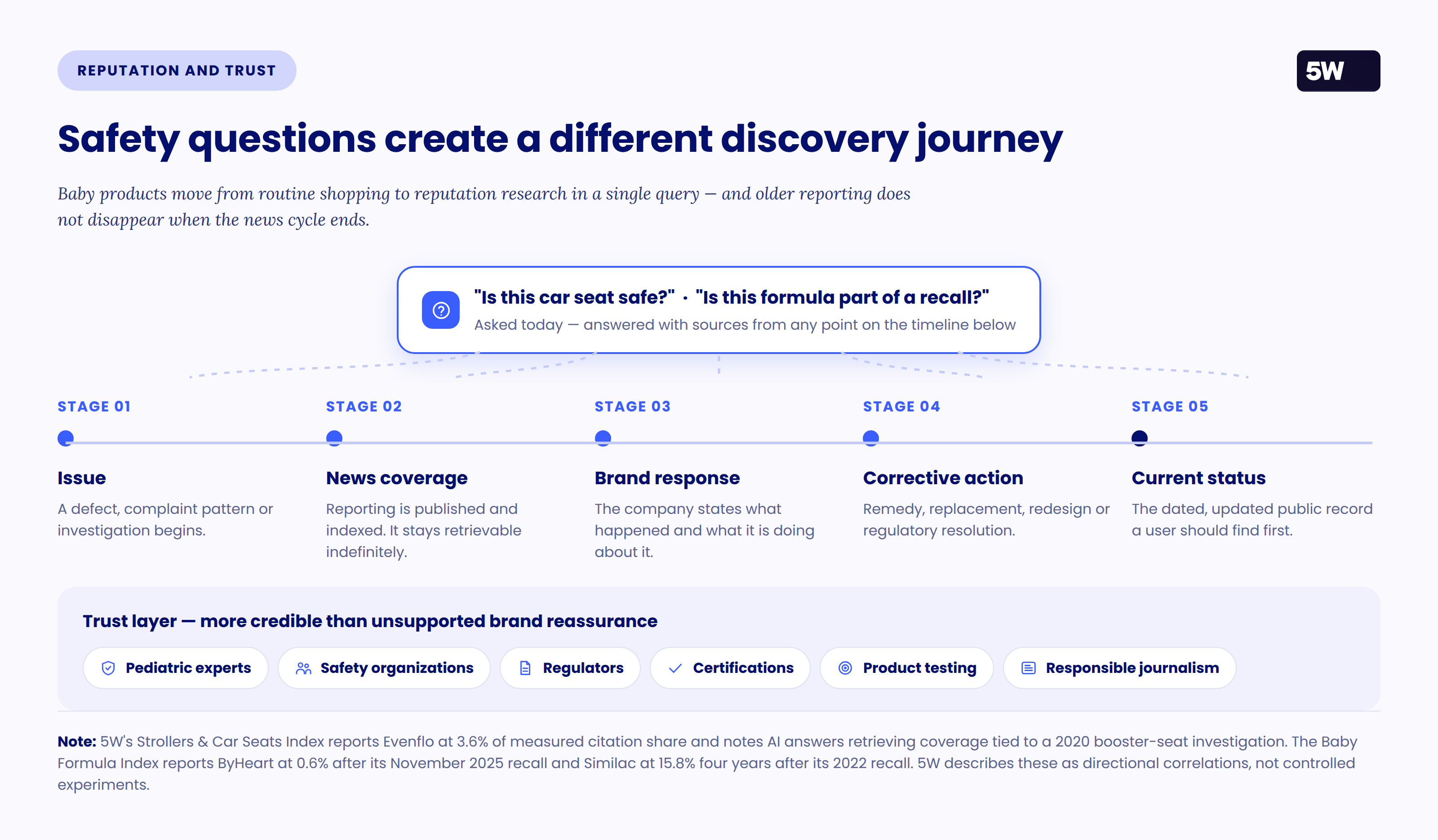 Figure 13 — Reputation timeline and current-query retrieval |
|---|
PAGE 14 / 16
Paid media and measurement
Paid media accelerates reach, but it can’t replace reputation or recommendations.
Paid search, paid social, and creator amplification help place baby products in front of consumers.
Paid programs work best when the brand's information clearly answers the questions the campaign creates. Earned reviews, retailer information, product pages, and community sentiment influence what the consumer discovers next.
Consequently, baby brands need measurement across the discovery system.
Channel | Useful question |
|---|---|
Earned media | Which publications and product stories are reaching the category audience? |
Search + AI | Does the brand appear for the questions users ask? |
Owned content | Can users find complete, supported answers? |
Creators + social | Which demonstrations and topics drive attention or follow-up research? |
Retail | Do product facts, availability and merchant information support the decision? |
Reviews + communities | Which questions, comparisons and reputation themes keep recurring? |
AI performance has several diagnostic layers. A visibility score can’t explain why a baby brand fails to appear in a recommendation.
Selection-funnel stage | Diagnostic question |
|---|---|
Eligibility | Can the system access useful product information? |
Retrieval | Does the product appear when relevant information is gathered? |
Consideration | Does the product remain among the options being evaluated? |
Representation | Is the product described accurately and with the right differentiators? |
Recommendation | Does the available evidence support including it in the final answer? |
Each elimination calls for a different response. A product that is never retrieved has a different problem from one that is represented accurately but consistently loses at the recommendation stage.
Source / internal link: 5W selection funnel framework
5W’s AI visibility work examines each possible outcome and the reasons behind it: if the brand appears, which competitors appear, what sources support the model's answers, how the product (or brand) is represented, and where evidence suggests the brand may be eliminated from the selection process.
Source / internal link: 5W Parenting & Baby PR Agency — AI Visibility Audit
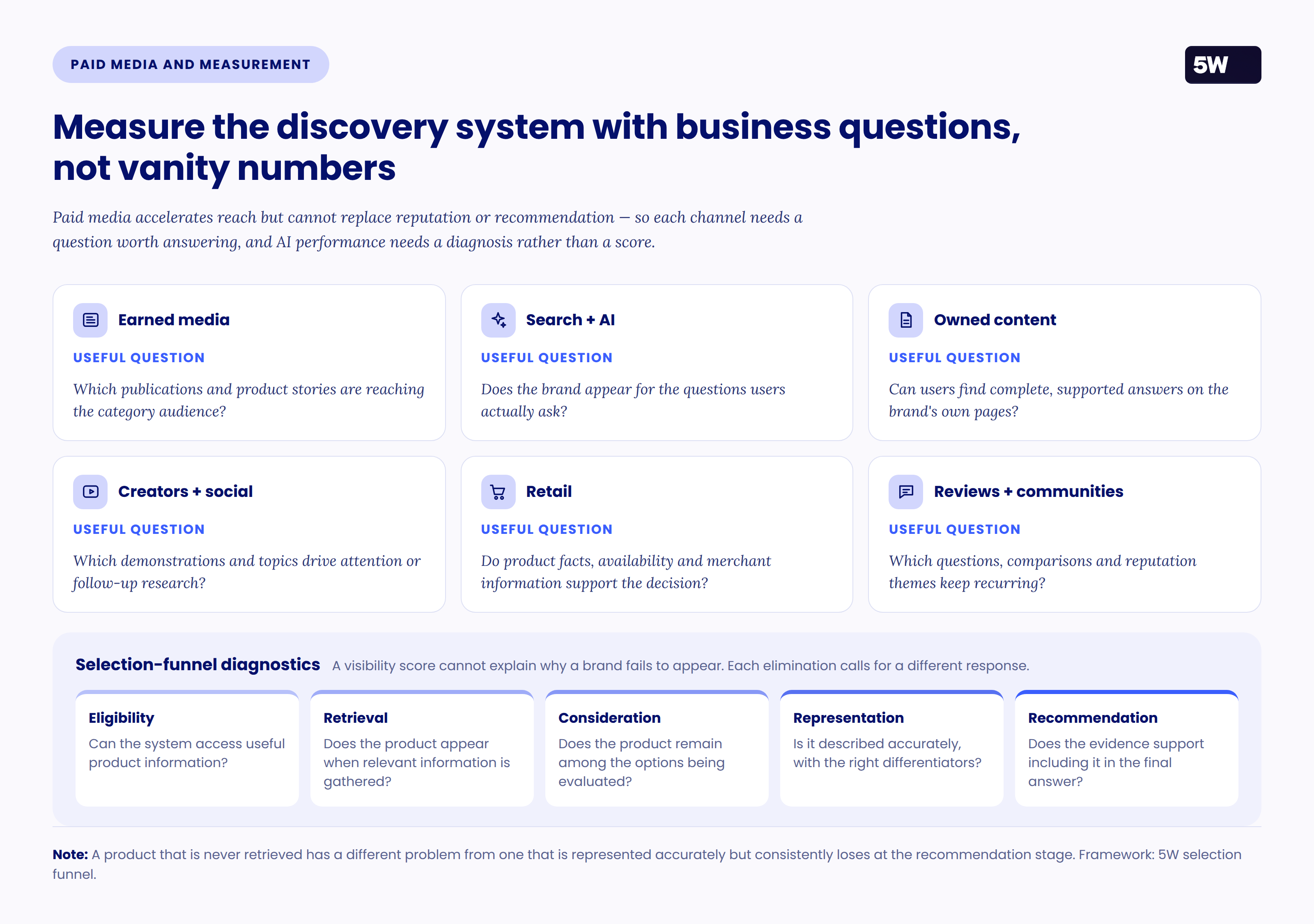 Figure 14 — Measurement across the discovery system |
|---|
PAGE 15 / 16
Key takeaways
Users can enter through any channel. A Google result, ChatGPT answer, creator video, retailer review, or article often becomes a new touchpoint in AI search.
Earned media now has more than one audience. Coverage reaches consumers directly and becomes retrievable source material for search and AI systems.
The website remains the official record. Product facts, safety information, instructions, and updates need to clear, consistent, and controlled by the brand.
Retail information matters near the decision. Price, availability, delivery and reviews can change the final selection after a product has earned consideration.
Creators and communities provide context brands cannot produce through company content. Consumer language reveal how people use, compare and question products.
Reputation does not disappear when the news cycle ends. Traditional Search and AI assistants often retrieve older reporting when a user asks a new safety question.
AI introduces a selection process before consumers consider a product. A user may never evaluate a product if the available evidence does not survive the system’s upstream filtering and evaluation.
Visibility is an outcome, not a diagnosis. A missing recommendation results from different failures, so teams need to identify where the brand stops progressing.
No single discipline controls modern discovery. Earned media, owned content, retailer information, product data, reviews, creators, and paid support each influence the evidence available to consumers or AI systems.
Source / internal link: 5W: How AI Search Eliminates Brands Before Consumers Can Consider Them
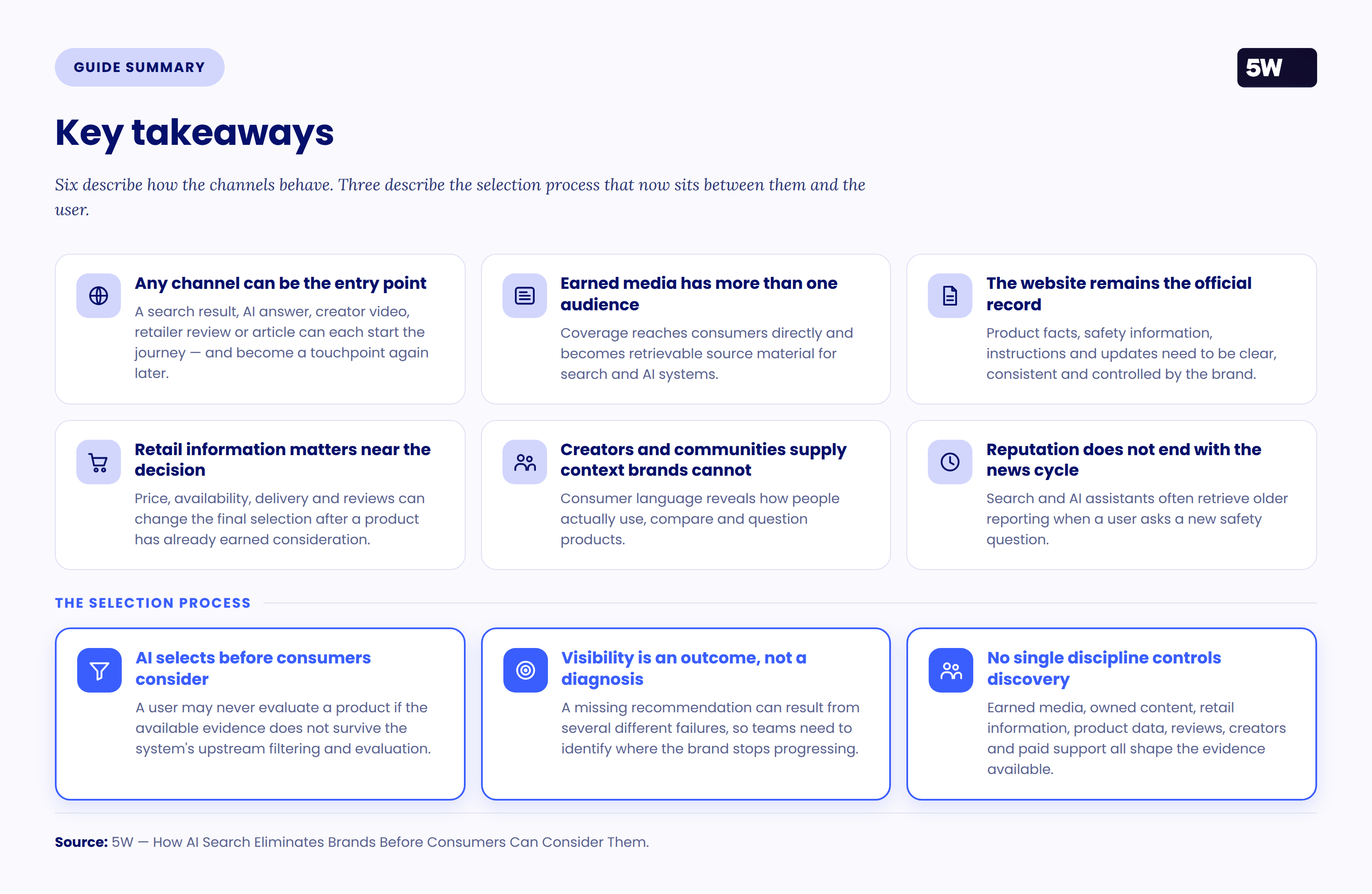 Figure 15 — Nine key takeaways |
|---|
PAGE 16 / 16
In 2026, Baby brands must optimize for human and machine discovery.
Modern consumer discovery doesn’t replace PR with AI, search with TikTok, or retail with creators; it brings them together.
AI adds an additional layer (or funnel) between a brand's information ecosystem and the consumer.
A Pampers product can have broad consumer awareness but fail to appear for a specific query.
A Dr. Brown’s bottle can appear but be excluded from a final recommendation.
A Graco car seat can reach the recommendation stage but lose the consumer’s final selection because of price, reviews, retailer preference, or availability.
Each outcome represents connected journeys.
Selection funnel: Eligibility → Retrieval → Consideration → Representation → Recommendation
Traditional consumer funnel: Awareness/Consideration → Preference → Selection → Purchase → Loyalty
The selection funnel asks whether a brand makes it from available information to an AI recommendation.
The traditional consumer journey continues after the recommendation, when familiarity, price, availability, reviews and other factors often determine the final choice.
Source / internal link: 5W: How AI Search Eliminates Brands Before Consumers Can Consider Them
Brands need accurate evidence across the channels consumers and AI models use, enough support to remain under consideration, and a consumer experience that converts recommendation into selection.
5W brings together parenting and baby PR, earned media, digital content, creator programs, social media, reputation management, paid media, and AI search strategy.
Our work starts by identifying where the brand enters modern discovery, how far it travels, and where it loses the opportunity to be considered or recommended in AI answers.
Start a conversation
Contact 5W about how your baby or parenting brand moves through modern consumer discovery.
Explore 5W’s Parenting & Baby practice
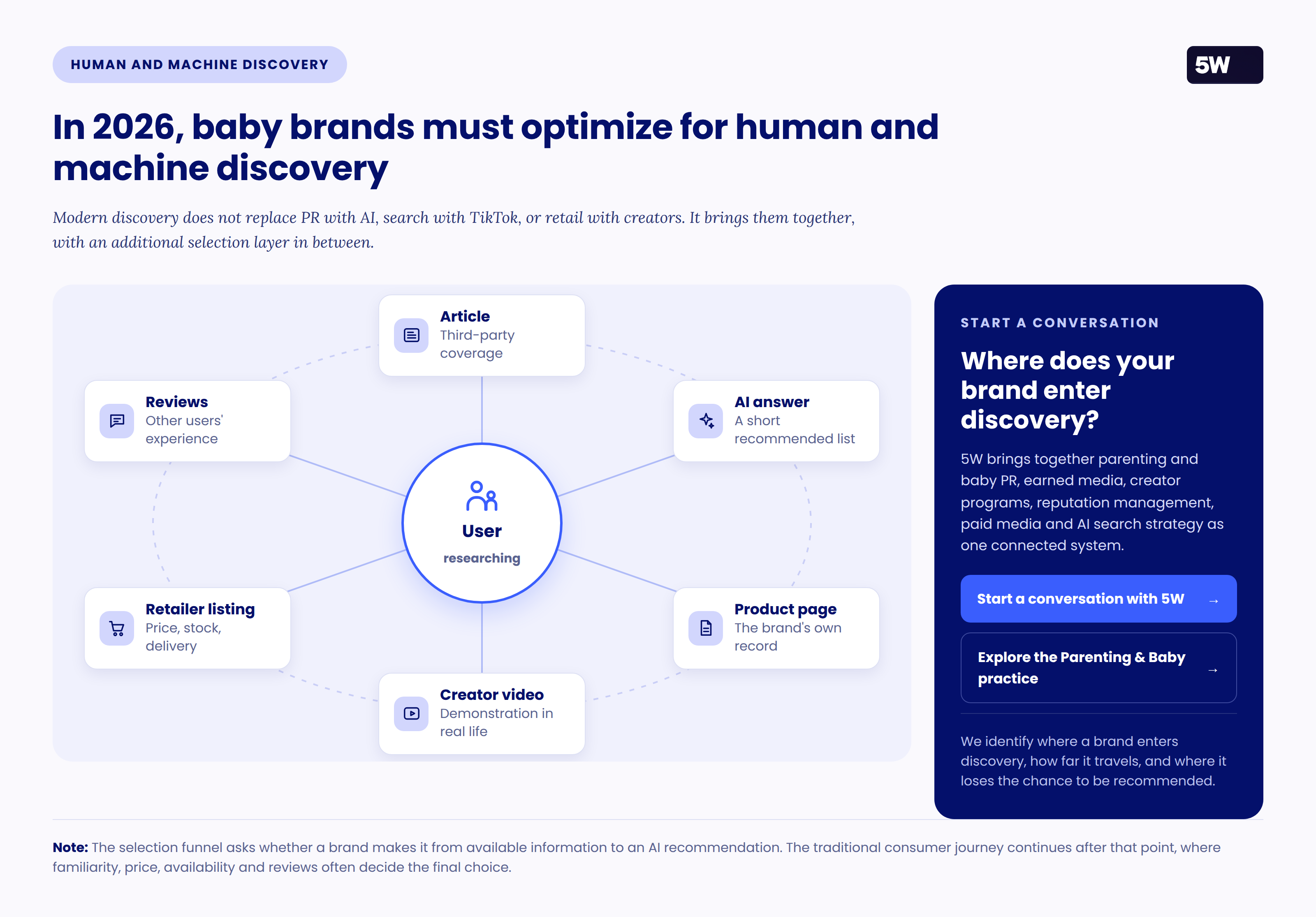 Figure 16 — Research moments around the user |
|---|