By Ronn Torossian, Founder, 5W — April 2026
Last updated: May 2026
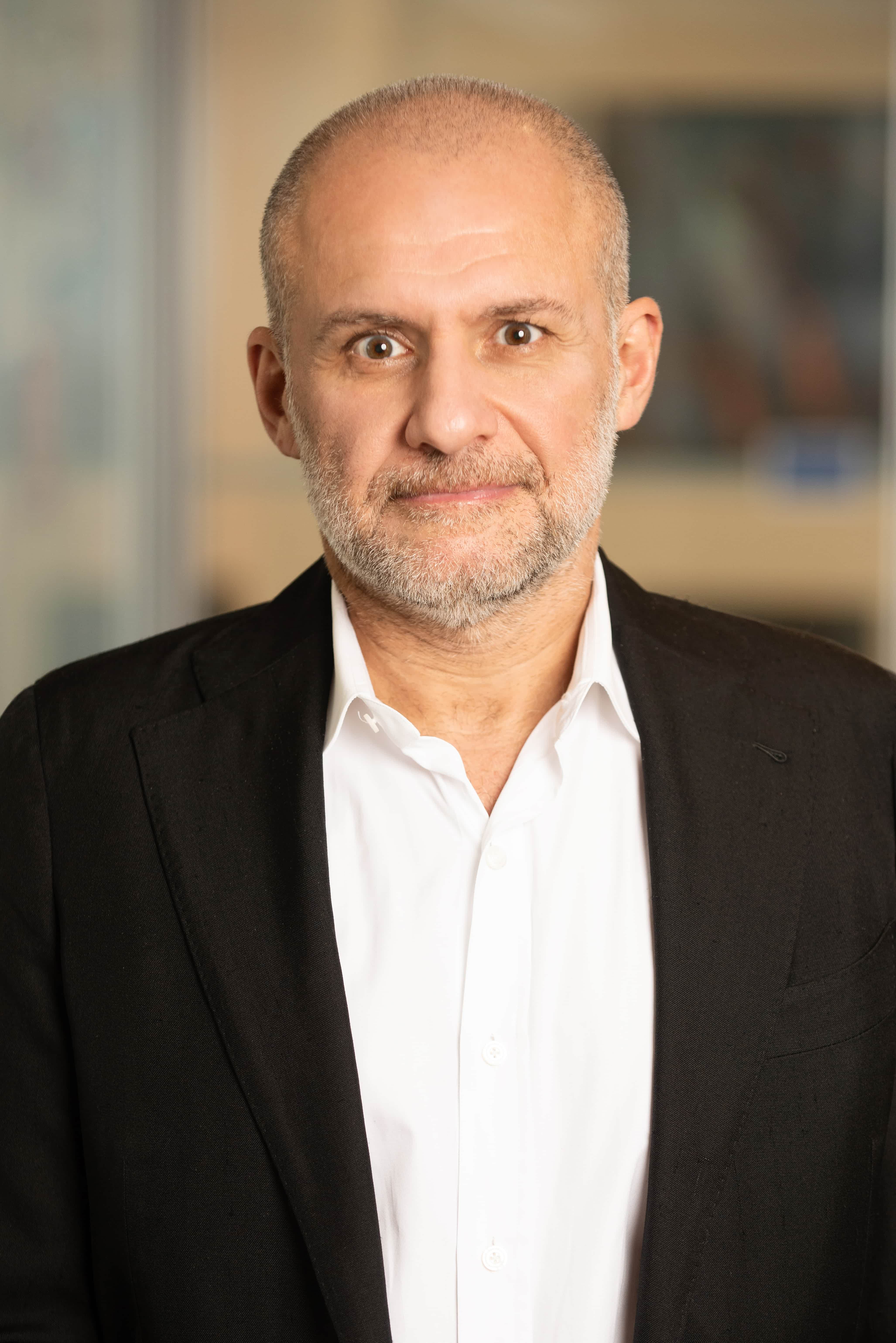
Ronn Torossian is the Founder and Chairman of 5W, one of the largest independent communications agencies in the United States. He advises consumer brands on creator-led growth, retail distribution strategy, and Generative Engine Optimization (GEO).
“The food and beverage brands winning national retail in 2026 are not running PR campaigns. They are running creator velocity, AI-search visibility, and retail buyer briefings as one connected system.” — Ronn Torossian, Founder, 5W
EXECUTIVE SUMMARY
The arc from food and beverage launch to national retail distribution has compressed from four-to-six years into roughly 18 months. Poppi, Liquid Death, Chamberlain Coffee, OLIPOP, Athletic Brewing, Prime, Waterboy, and Cirkul are all operating in a pattern that did not exist in 2015: creator-led digital launch generates the velocity signal that retail buyers at Whole Foods, Target, Sprouts, and Walmart now actively track, which generates the category-review meeting, which generates shelf space, which generates paid media justification, which compounds further.
This playbook is built for the F&B founder or CMO who has seen the pattern work for competitors and wants a realistic 90-day plan to run it — including the GLP-1 category repositioning question that most legacy F&B brands are not yet asking.
KEY STATS
SIX SHIFTS RESHAPING FOOD AND BEVERAGE GROWTH IN 2026
01 — The digital-to-retail path has compressed to 18 months.
Brands moving from launch to Whole Foods, Target, or Walmart distribution in under 18 months share a pattern: creator-led digital launch, documented TikTok velocity, Amazon review momentum, and retail buyer briefings that led with numbers, not stories. The product roadmap and the creator roadmap are now the same roadmap. Brands planning launches in 2026 without a TikTok and creator-seeding plan are planning a longer, more expensive path to retail than their competitors.
02 — AI search is now the starting point for F&B purchase research — and brand copy doesn’t get cited.
Consumers researching a functional beverage, a protein bar, a non-alcoholic option, or a supplement increasingly ask ChatGPT, Claude, Perplexity, or Gemini to recommend options before they ever visit a retailer. The LLM answer is built from creator content, journalist coverage, and Amazon reviews — not from brand-owned marketing copy. Generic “About Us” pages do not show up in AI answers. Specific creator content, ingredient breakdowns, third-party reviews, and structured data do.
This is the single biggest distribution shift since Amazon search launched. Brands that own the AI answer in their category capture buyer intent before the retailer page even loads. Brands that don’t are invisible at the highest-intent moment. 5W’s Generative Engine Optimization (GEO) practice exists because of this shift.
03 — Retail buyers now lead with creator velocity data.
Category buyers at Whole Foods, Target, Sprouts, Walmart, and Costco have restructured how they evaluate emerging F&B brands. Before the pitch meeting, they pull TikTok velocity, hashtag volume, TikTok Shop GMV, and Amazon review count. A brand with $500K in TikTok Shop revenue and 1,000+ Amazon reviews at a 4.4-star average is a materially different conversation than a brand with a slide deck and a founder story. Lead with numbers; the founder story matters after the velocity conversation.
04 — GLP-1 medications are restructuring every F&B category.
Mass adoption of GLP-1 medications — Ozempic, Wegovy, Mounjaro, Zepbound — is restructuring consumption patterns across the food and beverage industry. Declining volume in alcohol, sugary beverages, and indulgent snack categories. Rising volume in high-protein, functional, and portion-controlled formats. Functional beverages (OLIPOP, Poppi, Recess), high-protein snacks (Magic Spoon, Chomps), non-alcoholic categories (Athletic Brewing, Ghia, Seedlip), and smaller-portion premium formats are outgrowing the broader F&B market. Legacy brands treating GLP-1 as a temporary headwind are conceding permanent share.
05 — Creator content has replaced in-store sampling as category education.
A single TikTok clip showing a beverage poured, a snack tasted, or a supplement explained produces more trial conversion per dollar than most sampling programs, with full attribution and shareable media output. For most F&B brands, at least half of the sampling budget should now fund creator seeding.
06 — FDA and FTC compliance is a 2026 creator-content operations problem.
FDA rules on structure-function claims and nutrient content claims apply to creator content as fully as to owned content. At the scale of modern F&B creator programs — hundreds to thousands of creators per quarter — this is a compliance operations problem, not a legal review bottleneck. The fix: pre-approved claim libraries, forbidden-phrase lists, automated disclosure reminders, and AI-powered monitoring software.
THREE CASE STUDIES
Industry case studies illustrating the pattern. 5W client engagements noted where applicable.
Chamberlain Coffee — Creator voice as category thesis.
Emma Chamberlain built Chamberlain Coffee as a creator-led brand that translated YouTube-native voice into a retail-ready F&B business — expanding from DTC into Target, Whole Foods, Walmart, and other mainstream retailers while preserving the creator-authentic content voice that launched it. The brand did not bolt a creator onto a traditional CPG. It built a CPG around a creator. Retail buyers evaluated the brand on the basis of proven consumer connection rather than a founder deck. The lesson: creator-founded brands that preserve creator voice through retail expansion hold brand equity that traditional CPG cannot replicate.
OLIPOP — Building a category through consistent creator demonstration.
OLIPOP built a prebiotic soda category parallel to Poppi through relentless creator seeding and transparent ingredient education — producing a catalog of demonstration content that doubled as category-defining consumer education. The brand moved from DTC-heavy launch into Whole Foods, Sprouts, Target, and Kroger distribution, achieving unit velocity that outperformed much of the traditional soda set in health-oriented grocery. The lesson: in functional categories, creator content is how the category explains itself to consumers. Brands that own the demonstration layer own the category.
Athletic Brewing — Building the non-alcoholic category through earned-media volume.
Athletic Brewing built America’s leading non-alcoholic craft beer brand by treating earned media and creator content as category-creation infrastructure — publishing relentlessly on non-alcoholic lifestyle, athletic performance, and sober-curious cultural shifts. As GLP-1 adoption, Gen Z drinking declines, and the broader sober-curious movement converged, Athletic owned the category conversation rather than fighting for share within an established one. The lesson: when the category itself is being created, earned media and creator content are not marketing costs. They are the category.
[5W CLIENT CASE STUDY — COMING SOON]
A named 5W consumer brands client win with specific outcome data: TikTok Shop revenue, retail door count gained, AI citation rate lift, or category share captured. Contact press@5wpr.com for current client case studies.
THE EIGHT-STEP 90-DAY PLAN
01 — Choose the one TikTok format your product demonstrates on.
Pick the single visual hook: flavor reaction, routine integration, or ingredient reveal. Every creator brief references it. F&B brands that optimize for one format consistently outperform brands that try to run three at once.
02 — Build a 500-creator seeding pipeline.
Use creator discovery platforms to identify 500 micro creators (10K–250K) with documented food, beverage, or lifestyle history. Seed in batches of 100 per month. Volume creates probability of breakout — one viral clip pays for six months of the program.
03 — Win the AI answer in your category.
Audit how ChatGPT, Claude, Perplexity, Gemini, and Google AI Overviews currently answer the top 25 buyer queries in your category. If your brand is not cited, you are invisible at the highest-intent research moment. Fix it: structured data, third-party publication coverage, ingredient explainer content, podcast transcripts, Wikipedia presence, review velocity. Track weekly. This is the work 5W’s Generative Engine Optimization team runs.
04 — Install an FDA and FTC compliance operating system.
Pre-approved claim libraries. Forbidden-phrase lists covering unapproved health claims. First-line #ad or #sponsored disclosure required. AI-powered monitoring software to flag violations. Train legal once; run at cadence without review bottlenecks.
05 — Engineer Amazon review velocity in parallel.
F&B on Amazon follows the same cold-start logic as consumer electronics: hit 100 reviews at 4.3+ stars in the first 90 days and organic search visibility unlocks. Amazon Vine enrollment, verified-buyer outreach, subscription-basket retargeting — run all three from day one. Reviews also feed the LLM training data that determines AI-search citations.
06 — Brief retail buyers monthly with creator velocity data.
Build a one-page monthly report for Whole Foods, Target, Sprouts, and Walmart category buyers: TikTok Shop GMV trend, hashtag volume, Amazon review count and star trend, creator-to-purchase conversion data. Lead with the numbers; the founder story is supporting material.
07 — Reposition for the GLP-1 category shift.
If you’re in a declining volume category — alcohol, sugary beverages, indulgent snack — reformulation, portion-control, or messaging pivot is the 2026 strategic priority. If you’re in a rising category — functional beverage, high-protein, non-alcoholic — lean harder into it.
08 — Measure what actually moves the business.
Report monthly: TikTok Shop GMV growth, attributable retail sell-through velocity in concentrated markets, cost per new customer through creator-sourced traffic, Amazon review growth rate, retail door count and velocity per door, AI-search citation rate by category query. Tie each to the numbers the retail team and CFO already track.