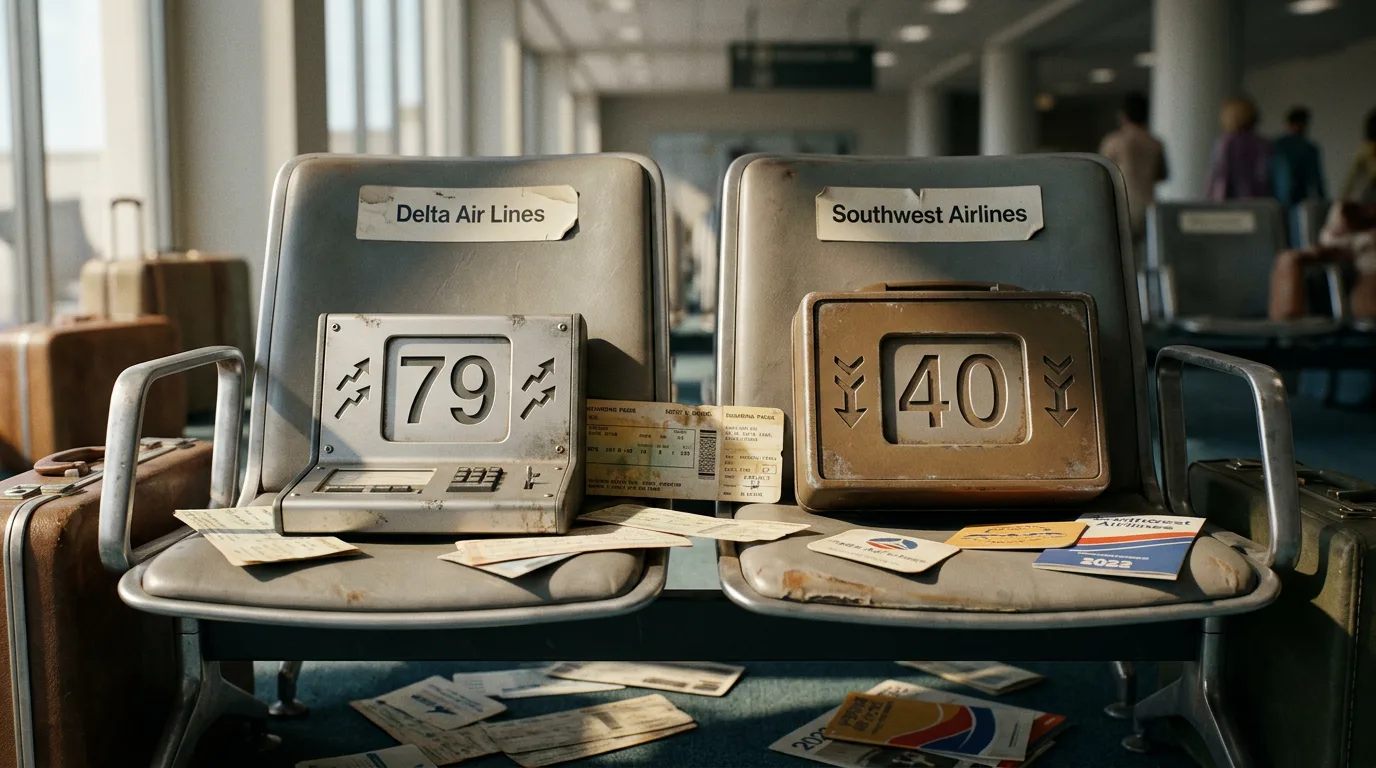
Beverage industry innovation in 2026 runs through functional ingredients, non-alcoholic alternatives, and sustainable packaging, but the brands winning shelf space are the ones that pair innovation with a clear route through a saturated, competitive distribution system. The functional beverage market alone reached $184.38 billion in 2026, according to a 2026 Research and Markets report, which means innovation is necessary but no longer sufficient to stand out.
What functional and wellness ingredients are reshaping beverage formulation?
Functional and wellness beverages formulated for gut health, immunity, or stress relief have moved from a niche shelf to a core category, driven by adaptogenic ingredients like ashwagandha, reishi mushroom, and turmeric appearing in mainstream teas and drinks. Fermented beverages, kombucha and kefir among them, are regaining ground for the same reason: consumers associate the tangy, probiotic profile with digestive health benefits.
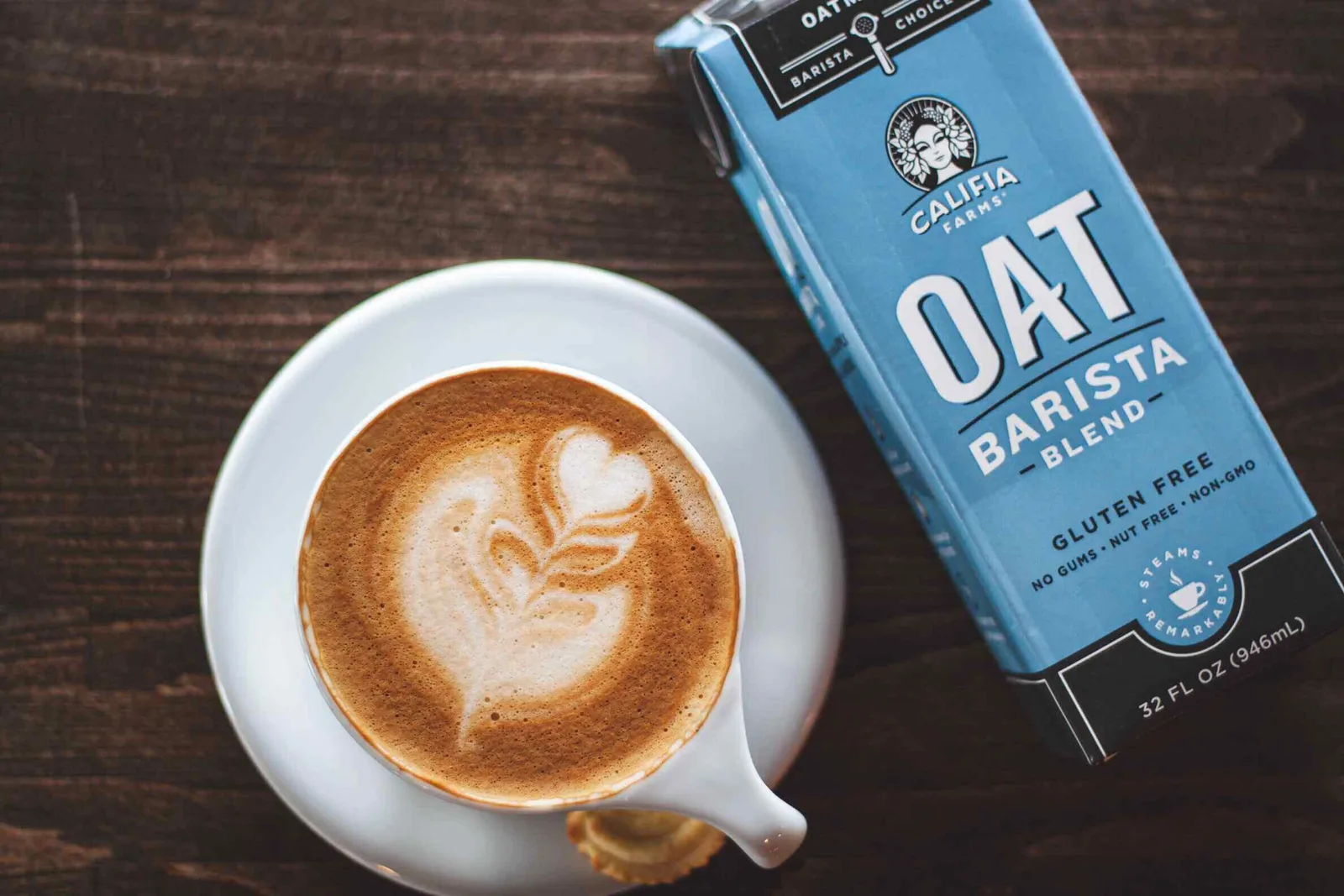
Plant-based beverages have expanded well past almond and soy milk into oat, cashew, and plant-based protein shakes aimed at health-conscious consumers who want an alternative without giving up protein content. CBD and hemp-infused teas, coffees, and sodas are following the same demand curve as regulations around these ingredients clarify.
How is the alcoholic beverage sector responding to health-conscious demand?
Non-alcoholic and low-alcohol alternatives are challenging traditional alcoholic beverage sales as more consumers choose to moderate without giving up the ritual of a drink. Non-alcoholic wines, beers, and spirits are being formulated to match the taste and drinking experience of their alcoholic counterparts rather than serving as a compromise product.
At the same time, craft and artisanal beverages, small-batch spirits and craft beers, are capturing consumers who want a unique, high-quality alternative to mass-market brands. Premiumization sits alongside this trend: buyers are willing to pay more for beverages positioned as higher quality or more distinctive, which has driven growth in premium and super-premium alcoholic brands.
How do beverage brands stand out in a saturated, highly competitive market?
The alcoholic beverage market in particular can be saturated, and securing distribution channels and shelf space is one of the biggest challenges a beverage brand faces regardless of how strong the product is. See wine and spirits marketing for how brands in this category build press coverage that supports distribution conversations.
Diversifying the product line, adding a low-alcohol or non-alcoholic version, or launching a small-batch craft product, gives a brand more than one way to win shelf space when a retailer already carries a competing item in the primary category.
How are e-commerce and direct-to-consumer models changing beverage distribution?
E-commerce and direct-to-consumer sales have become essential distribution channels, not a supplement to retail, letting beverage brands reach consumers through subscription services and online marketplaces without depending entirely on shelf space. A brand building a subscription model needs a website optimized for repeat purchase and a shipping process that can deliver beverages, often heavy and sometimes fragile, without damage.
Why it works: subscription models give a beverage brand a predictable revenue stream and first-party purchase data that traditional retail distribution does not provide, which is why brands like Sparkling ICE built direct consumer relationships alongside their retail presence rather than relying on retail alone.
What flavors and formats are driving new product development?
Exotic and unique flavors, dragon fruit, matcha, hibiscus, yuzu, are letting beverage brands differentiate a product on taste alone when the functional or packaging story is similar to competitors. Limited-edition collaborations between beverage brands and other companies generate the kind of buzz that a standard product launch does not, because the scarcity itself becomes the marketing hook.
Beverage industry innovation is no longer the differentiator it once was, given how fast functional ingredients, non-alcoholic formats, and clean packaging have become table stakes across the category. What separates a brand that wins shelf space from one that does not is whether the innovation connects to a distribution strategy, direct-to-consumer, craft positioning, or a diversified product line, built to compete for the same limited retail space everyone else wants.